

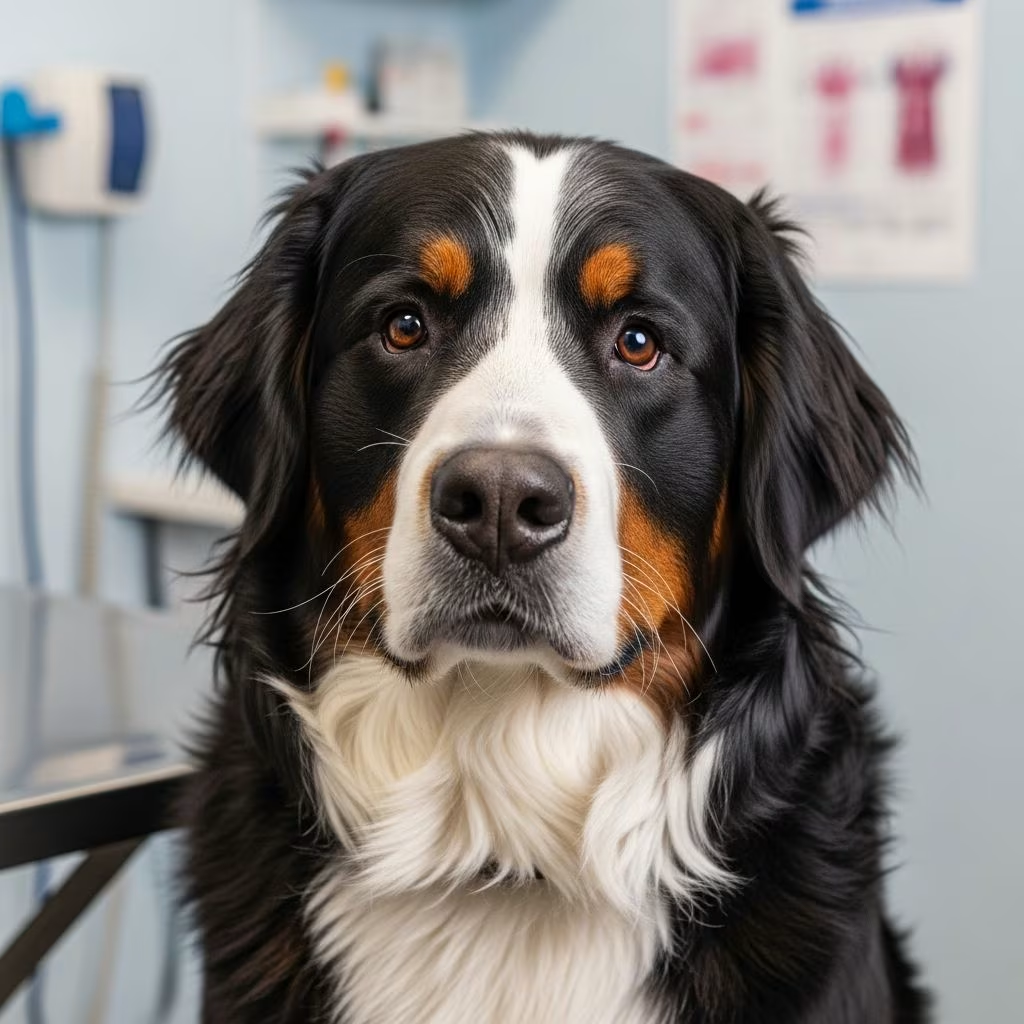
Bernese Mountain Dogs are impressive working animals known for their strength and loyalty, but this large breed carries a predisposition toward several significant health challenges. Understanding these vulnerabilities allows owners to make informed decisions about their pet’s care, nutrition, and veterinary monitoring. The breed’s relatively shorter lifespan compared to smaller dogs—typically ranging from 7 to 9 years—underscores the importance of proactive health management throughout their lives.
Skeletal and Joint Disorders
Structural problems affecting the bones and joints represent among the most prevalent health concerns for this breed. These conditions develop from both genetic inheritance and environmental factors, making early intervention essential.
Hip Joint Deterioration
Hip dysplasia ranks as one of the most common orthopedic problems affecting Bernese Mountain Dogs. This condition emerges when the hip joint’s soft tissue structures fail to maintain proper stability, causing the femoral head to move abnormally within the socket. The genetic foundation for this disorder is strong, meaning that even conscientious breeders cannot completely eliminate its occurrence.
Physical manifestations typically emerge between six months and one year of age, though some dogs develop symptoms later. Owners should watch for reluctance to engage in jumping activities, difficulty ascending stairs, altered gait patterns, or visible lameness affecting the hind limbs. Obesity and excessive exercise during the puppyhood growth phase exacerbate the condition’s severity and progression.
Veterinary management typically combines anti-inflammatory medications with therapeutic interventions including hydrotherapy and physiotherapy. Severely affected dogs may require surgical reconstruction of the joint. Maintaining appropriate body weight and providing measured exercise appropriate to the dog’s age significantly impacts quality of life and symptom progression.
Elbow Joint Problems
Elbow dysplasia affects Bernese Mountain Dogs at elevated rates compared to many other breeds. Similar to hip dysplasia, this inherited condition involves improper development of the elbow joint structure, leading to pain, inflammation, and progressive arthritis. The condition may affect one or both front legs and typically becomes apparent during the growth period.
Signs include lameness in the front limbs, reluctance to bear weight on affected legs, and discomfort when extending or flexing the joint. Early detection through radiographic screening helps establish management protocols before severe degeneration occurs.
Age-Related Arthritis
As Bernese Mountain Dogs advance in age, arthritis becomes increasingly prevalent. The breed’s large size contributes to greater joint stress and more pronounced pain compared to smaller canine companions. Maintaining appropriate weight, providing low-impact exercise, ensuring high-quality nutrition, and implementing early treatment protocols substantially improve comfort and mobility in senior dogs.
Neurological Deterioration
Progressive Spinal Cord Degeneration
Degenerative myelopathy represents a particularly challenging neurological condition with higher prevalence in Bernese Mountain Dogs. This inherited disorder causes progressive deterioration of nerve tissue within the lower spinal cord, resulting in hind limb weakness that eventually advances to paralysis. Unlike some conditions causing pain, degenerative myelopathy typically does not produce discomfort, though the loss of mobility and eventual incontinence create significant quality-of-life concerns.
The disease predominantly affects older dogs and progresses with relentless consistency. Genetic testing can identify at-risk individuals, allowing owners to understand their dog’s predisposition. While no cure exists, management approaches including rehabilitation exercises, hydrotherapy, physical therapy, and dietary supplementation can help maintain function and quality of life during the disease’s progression.
Ocular Health Challenges
Bernese Mountain Dogs experience multiple eye conditions at rates higher than many other breeds, affecting vision and ocular comfort. Rather than being susceptible to a single eye disease, these dogs encounter various ophthalmic problems throughout their lives.
Structural Eyelid Abnormalities
Eyelid malformations occur relatively frequently in this breed. These structural problems can cause eye discomfort, excessive tearing, and secondary infections. Some eyelid conditions require surgical correction to prevent ongoing irritation and vision problems.
Lens Opacity Development
Cataracts, characterized by clouding of the lens, represent another common ophthalmic problem. These may develop gradually or appear relatively suddenly and can significantly impact vision quality. Surgical removal can restore sight in many cases, though this requires specialized veterinary ophthalmology services.
Progressive Vision Loss
Progressive retinal atrophy (PRA) causes gradual deterioration of the retina’s photoreceptor cells, eventually leading to blindness. This inherited condition typically develops slowly, beginning with night blindness before advancing to complete vision loss in daylight. Genetic screening helps identify at-risk dogs before symptoms manifest.
Regular ophthalmologic examinations become increasingly important as dogs age. Early detection of cataracts, eyelid problems, or retinal changes allows for timely intervention and management decisions.
Blood and Hematologic Disorders
Clotting Factor Deficiency
Von Willebrand’s Disease, a blood clotting disorder, occurs at elevated frequencies in Bernese Mountain Dogs. This inherited condition impairs the blood’s ability to clot effectively, creating significant risk during surgical procedures or following injuries. Symptoms may include easy bruising, persistent nosebleeds, bleeding from the gums, anemia, excessive bleeding after minor injuries, and blood in urine or stool.
Veterinary diagnosis involves DNA testing and blood work, particularly following surgery or injury when clotting abnormalities become apparent. While uncurable, awareness of the condition allows veterinarians to take special precautions during any surgical procedure and to monitor the dog carefully for bleeding complications. Some dogs show no symptoms throughout their lives, while others exhibit obvious bleeding tendencies from 12 months of age onward.
Immune-Mediated Blood Cell Destruction
Hemolytic anemia and thrombocytopenia represent rare but serious blood disorders to which Bernese Mountain Dogs show predisposition. These conditions develop when the immune system malfunctions and begins attacking the body’s own red blood cells or platelets. Affected dogs rapidly become weak, lethargic, and anemic, with pale or yellowed gums replacing normal pink coloration.
Prompt veterinary intervention becomes essential when these signs appear, as the conditions can progress rapidly and create life-threatening situations. Treatment typically involves immunosuppressive medications to restore immune system balance.
Lymphatic System Cancer
Lymphomas affecting the white blood cells occur more frequently in Bernese Mountain Dogs compared to general canine populations. These cancers can develop in various body locations and produce symptoms including loss of appetite, rapid weight loss, lethargy, and skin lesions. Blood tests can diagnose these conditions, and chemotherapy represents the most effective treatment approach. Twice-yearly cancer screening through blood work helps with early detection.
Malignant Cellular Overgrowth
Histiocytic Sarcoma
This particularly aggressive cancer represents a major cause of premature death in the Bernese Mountain Dog breed. Malignant histiocytosis typically begins in the skin or soft tissues before spreading to the lymphatic system, liver, lungs, and spleen. The cancer develops rapidly and aggressively, with limited treatment options and poor long-term prognoses.
Symptoms include visible skin abnormalities on the face or limbs, though the cancer often spreads before obvious signs manifest. Chemotherapy and radiotherapy provide temporary benefit but rarely produce lasting remission. Genetic predisposition to this cancer underscores the importance of responsible breeding practices.
Dermatologic and Allergic Conditions
Bernese Mountain Dogs frequently experience skin problems stemming from allergies, environmental factors, or infectious agents. Their thick, dense double coat creates an environment conducive to various skin conditions.
Allergic Responses
Both environmental and food allergies occur commonly in this breed. Dogs with allergies frequently lick their paws excessively, scratch their ears intensely, or shake their heads repeatedly. Some dogs develop accompanying gastrointestinal symptoms including vomiting and diarrhea when food allergies trigger inflammatory responses in the digestive tract.
Identifying allergen sources through elimination diets or allergy testing helps establish appropriate management. Prescription or over-the-counter allergy medications, combined with dietary modifications, often reduce symptom severity significantly.
Acute Moist Dermatitis
Commonly called “hot spots,” acute moist dermatitis involves the rapid development of inflamed, oozing skin sores. These conditions appear suddenly, often in warm months or on areas prone to moisture retention. The intense itching and pain associated with these lesions drives dogs to scratch and lick excessively, creating secondary infection and expansion of the affected area.
Characteristic features include round, reddened, and foul-smelling lesions that may develop satellite lesions—additional smaller sores in surrounding tissue. Prompt treatment involving wound cleaning, protective barriers, and antibiotics prevents extensive spread and skin damage.
Gastrointestinal and Abdominal Emergencies
Gastric dilatation-volvulus (GDV), commonly termed bloat, represents a life-threatening emergency occurring with elevated frequency in large-breed dogs including Bernese Mountain Dogs. This condition develops when the stomach expands with gas, then twists on its axis, trapping contents and compromising blood supply to the organ.
Signs of GDV include abdominal distension, unproductive attempts to vomit, excessive drooling, restlessness, and signs of severe pain or shock. This represents a genuine emergency requiring immediate veterinary surgery. Preventive measures include feeding multiple smaller meals rather than one large meal, avoiding vigorous exercise immediately after eating, and elevating the food bowl.
Renal Function Deterioration
Glomerulonephropathy, an inherited kidney disease, develops in Bernese Mountain Dogs and causes progressive kidney damage often appearing at relatively young ages. The damaged kidneys lose their ability to retain protein, which leaks into the urine where it becomes detectable through routine urinalysis. Early detection through yearly urine screening enables management before kidney failure becomes advanced.
Specialized diets formulated to reduce kidney workload, combined with appropriate medication, help slow disease progression and extend quality lifespan.
Prevention and Proactive Care Strategies
Veterinary Monitoring
Regular veterinary examinations form the cornerstone of early disease detection. Routine check-ups allow veterinarians to identify emerging conditions like hip dysplasia, progressive retinal atrophy, and other genetic problems before they create significant functional impairment. Owners should establish consistent examination schedules and discuss breed-specific health screening with their veterinarian.
Nutritional Foundation
High-quality nutrition formulated specifically for large-breed dogs supports skeletal health, immune function, and overall vitality. Growing puppies require carefully balanced calcium and phosphorus to support proper bone development without accelerating growth excessively. Adult dogs benefit from formulations that support joint health and maintain appropriate weight.
Exercise Management
Appropriate exercise intensity and duration become particularly important during the growth phase and throughout adulthood. Excessive exercise or high-impact activities during puppyhood can exacerbate joint dysplasia development. Low-impact activities like swimming provide excellent exercise while minimizing joint stress.
Weight Management
Maintaining healthy body weight substantially reduces stress on joints and decreases the progression and severity of arthritis and hip dysplasia. Obesity accelerates age-related health problems and compounds existing conditions.
Genetic Screening
Responsible breeders utilize genetic testing for conditions like degenerative myelopathy and Von Willebrand’s Disease. Prospective owners should inquire about health screening results and genetic testing of both parents before purchasing puppies.
Insurance Consideration
Comprehensive pet insurance that covers chronic conditions, surgeries, chemotherapy, and rehabilitative therapies helps offset the substantial costs associated with managing breed-specific health problems. Enrolling early, before any conditions develop, ensures coverage of pre-existing conditions that might otherwise be excluded.
Lifespan and Quality of Life
While Bernese Mountain Dogs face significant health challenges, many live satisfying lives when their conditions receive appropriate management and monitoring. The breed’s relatively short lifespan makes every year precious, and maximizing quality during the time available becomes paramount. Working closely with knowledgeable veterinarians familiar with breed-specific concerns, combined with responsible breeding practices and diligent owner commitment to preventive care, helps ensure that these remarkable dogs enjoy their years with minimal suffering and maximum vitality.
References
- Most Common Bernese Mountain Dog Health Concerns — Walkin’ Pets. https://walkinpets.com/blogs/blog/most-common-bernese-mountain-dog-health-concerns
- Common health problems with Bernese Mountain Dogs — ManyPets. https://manypets.com/us/blog/common-health-problems-bernese-mountain-dogs/
- Bernese Mountain Dog Health Issues: A Comprehensive Guide — Wopet. https://wopet.com/dogs/bernese-mountain-dog-health-issues/
- Bernese Mountain Dog Veterinarian Information — Creek’s Edge Animal Hospital. https://creeksedgeah.com/dog-breed-guides/bernese-mountain-dog
- Understanding Bernese Mountain Dog Health Problems – A Comprehensive Guide for Pet Owners — Houndsy. https://www.houndsy.com/blogs/modern-tails/understanding-bernese-mountain-dog-health-problems-a-comprehensive-guide-for-pet-owners
- Bernese Mountain Dogs Guide – Complete Breed and Care Information — Genius Vets. https://www.geniusvets.com/pet-care/learn/dogs/breeds/bernese-mountain-dogs



