

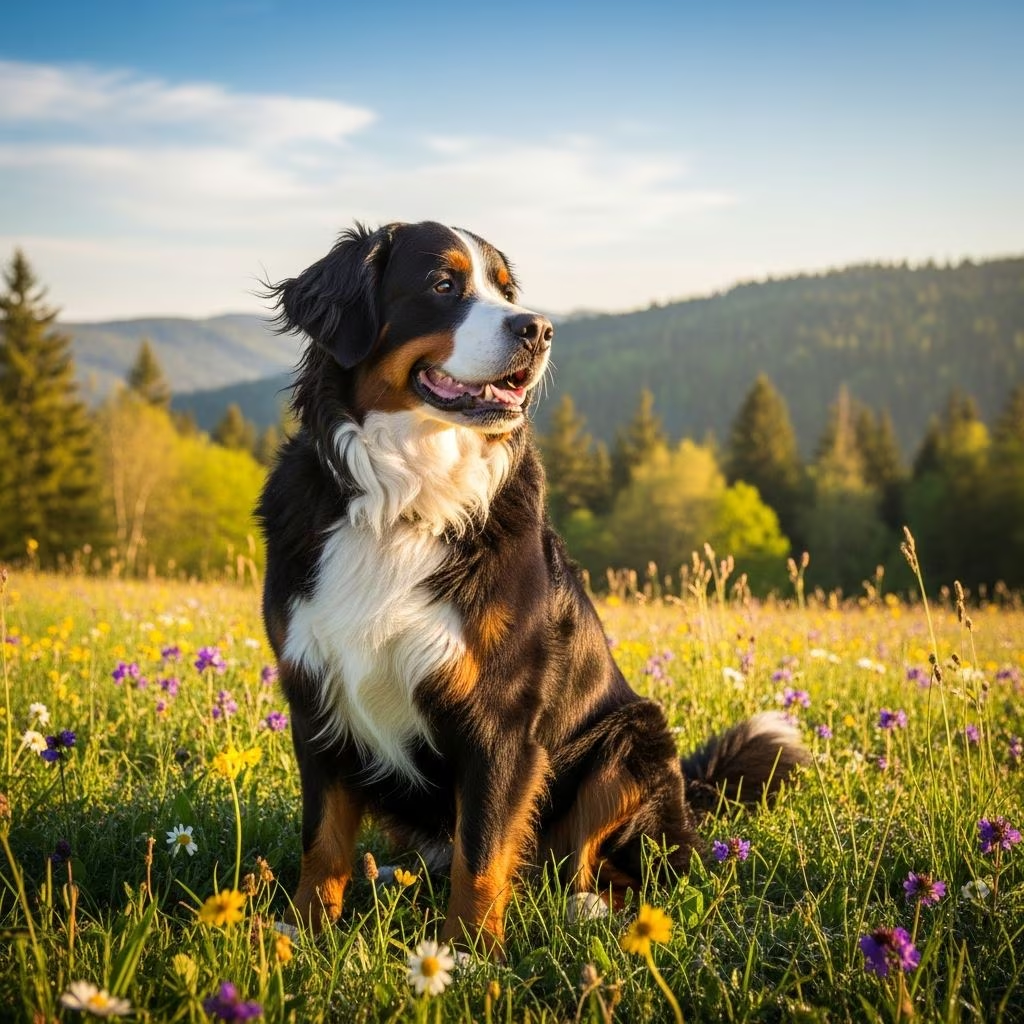
The Bernese Mountain Dog, a majestic large breed known for its striking tri-color coat and gentle temperament, typically enjoys a lifespan of 7 to 10 years. This range is shorter than many smaller breeds but aligns with expectations for giant dogs, though genetic health challenges make it particularly brief for this breed.
Understanding the Average Lifespan Range
Studies on Bernese Mountain Dogs (BMDs) report a median lifespan around 8.4 years, with females often outliving males by about a year—8.8 years versus 7.7 years. While some dogs reach 10 or even 11 years, the majority fall between 6 and 9 years due to breed-specific vulnerabilities. Factors like improved veterinary interventions have nudged averages upward from earlier reports of 6.8 years, yet BMDs remain among the shorter-lived breeds compared to the all-breed median of 11 years.
Primary Health Challenges Shortening BMD Lives
Bernese Mountain Dogs face accelerated aging due to a combination of size-related wear, genetic predispositions, and high disease incidence. Their rapid growth as puppies strains developing bodies, leading to lifelong issues.
Cancer: The Leading Cause of Death
Neoplasia accounts for over half of BMD deaths, far exceeding the 27% average across breeds. Common types include histiocytic sarcoma (HS, median survival 7.2 years), lymphoma (7.3 years), and osteosarcoma (8.7 years). These tumors often strike relatively young, with dogs succumbing 1.2 years earlier than those dying from non-cancer causes.
- Histiocytic Sarcoma: Aggressive cancer affecting multiple organs, prevalent in BMDs.
- Lymphoma: Impacts lymph nodes, treatable but often fatal.
- Osteosarcoma: Bone cancer common in large breeds, causing pain and fractures.
Joint and Orthopedic Conditions
Large size predisposes BMDs to hip dysplasia, elbow dysplasia, and arthritis. These erode mobility, cause chronic pain, and weaken immunity, indirectly shortening life. Degenerative myelopathy, leading to paralysis, affects older dogs around 8.4 years median age.
Other Critical Risks
Bloat (gastric dilatation-volvulus) poses acute danger due to deep chests. Heart conditions and renal issues also contribute, with kidney problems linked to shortest non-cancer survivals.
Factors Influencing Individual Lifespan Variations
Not all BMDs follow the average; genetics, environment, and care play pivotal roles.
| Factor | Impact on Lifespan | Examples |
|---|---|---|
| Genetics | High risk if parents had cancer or dysplasia | Reduced diversity from selective breeding |
| Gender | Females live ~1 year longer | Median 8.8 vs 7.7 years |
| Size/Weight | Obesity accelerates joint/heart strain | Maintain lean body condition |
| Neutering | Potential hormone effects on cancer risk | Discuss timing with vet |
Proven Strategies to Extend Your BMD’s Life
While genetics can’t be changed, proactive care can add quality years. Breeders are selectively breeding for health, screening for cancer and dysplasia markers.
Optimal Nutrition for Longevity
A tailored diet combats obesity and supports joints. Focus on:
- High-quality proteins for muscle maintenance.
- Glucosamine/chondroitin for joint health.
- Omega-3s to reduce inflammation and support heart/coat.
- Antioxidants to fight cancer cell formation.
- Calorie control to prevent excess weight.
Feed large-breed puppy formulas until 18-24 months to moderate growth, then senior formulas post-6 years.
Exercise and Weight Management
Daily moderate activity—walks, hikes, swimming—builds strength without joint overload. Mental stimulation via training and toys prevents boredom-related issues. Aim for lean weight; excess pounds shave years off life.
Veterinary Preventative Care
Annual exams, cancer screenings from age 5, hip/elbow certifications for breeders. Vaccinations, parasite control, and dental care are essentials. Early detection of HS or lymphoma improves outcomes.
Daily Care Routine for Maximum Health
Structure your BMD’s day for optimal wellness:
- Morning: 30-45 min walk + joint supplement with breakfast.
- Midday: Puzzle toy for mental exercise.
- Afternoon: Gentle play or swim; monitor for limping.
- Evening: Shorter walk, grooming to check skin/lumps.
- Weekly: Weigh-in, paw/joint inspection.
Breeders and Lifespan Improvement Efforts
Responsible breeders use OFA/PennHIP certifications and genetic testing to reduce hereditary risks. Programs tracking longevity aim to boost averages toward 10+ years. Choose puppies from health-tested lines.
FAQs: Bernese Mountain Dog Lifespan
How long do Bernese Mountain Dogs usually live?
Typically 7-10 years, with a median of 8.4 years.
Why do BMDs die young?
High cancer rates (50%), joint diseases, and large size effects.
Can diet help my BMD live longer?
Yes, nutrient-rich food with joint support and weight control extends life.
At what age should I screen for cancer?
Start routine checks at 5-6 years; earlier if family history.
Do female BMDs live longer than males?
Yes, median 8.8 years vs. 7.7 years.
Emotional Support for BMD Owners
Knowing the short lifespan can be heartbreaking, but BMDs pack immense joy into their years. Focus on quality: deep bonds, adventures, and pain-free days. Support groups and holistic therapies enhance golden years.
References
- Life expectancy and causes of death in Bernese mountain dogs — PMC/NCBI. 2016-08-17. https://pmc.ncbi.nlm.nih.gov/articles/PMC4960675/
- Why do Bernese Mountain Dogs have shorter lifespans? — Woodlot Companions. Accessed 2026. https://www.woodlotcompanions.com/blog/why-do-bernese-mountain-dogs-have-shorter-lifespans/
- What Is The Bernese Mountain Dog Lifespan? — Canna-Pet. Accessed 2026. https://canna-pet.com/articles/what-is-the-bernese-mountain-dog-lifespan/
- Bernese Mountain Dog Care Guide 2025 — Arch Creek Animal Clinic. 2025. https://archcreekanimalclinic.com/bernese-mountain-dog/
- How Long Do Bernese Mountain Dogs Live? Lifespan & Care Tips — K9 Carts. Accessed 2026. https://k9carts.com/blogs/resources/bernese-mountain-dog-lifespan



