

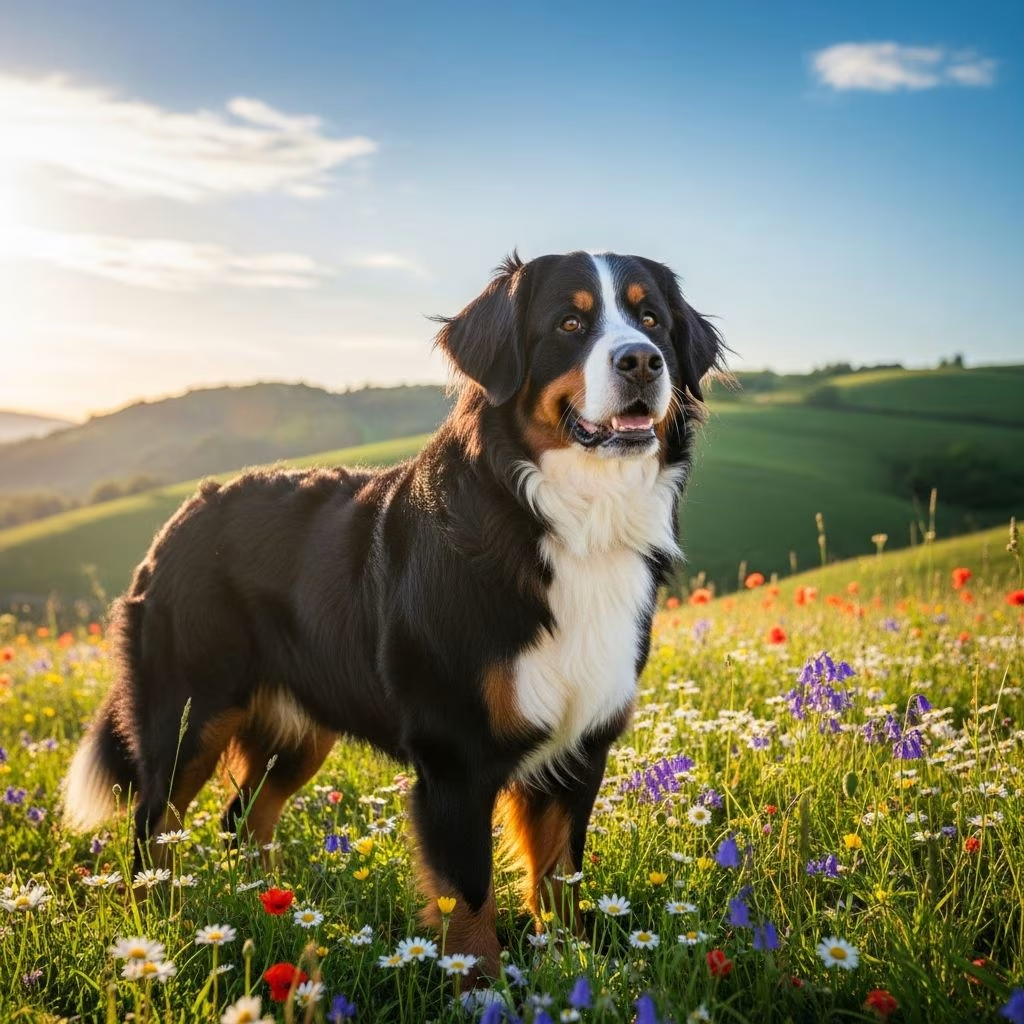
Large breeds like the Bernese Mountain Dog have unique reproductive patterns that differ from smaller dogs. Owners need to grasp these cycles to provide proper care and prevent unexpected litters. This guide details everything from initial signs to long-term management.
Understanding the Reproductive Cycle in Giant Breeds
The estrous cycle, commonly called “heat,” marks the period when female dogs are fertile. For Bernese Mountain Dogs, a giant breed originating from Switzerland, these cycles tend to start later and occur less frequently than in toy breeds. Typically, the first heat arrives between 8 and 14 months, though variations from 6 to 24 months are possible due to their size.
Unlike smaller dogs that may cycle three or four times yearly, giant breeds like Bernese often experience one to two heats annually. This irregularity stems from slower maturation, with cycles stabilizing after the second year. Factors such as nutrition, environment, and genetics influence timing, making vigilance essential for new owners.
When Does the First Heat Occur?
Anticipating the debut heat cycle helps owners prepare. Bernese puppies usually enter proestrus—the preparatory phase—around 10 months, but some wait until 18 months or later. Early signs include behavioral shifts like restlessness or increased affection, signaling hormonal changes.
- Age Range: 6–24 months, averaging 8–14 for Bernese
- Pre-Heat Behavior: Anxiety, clinginess, or mild appetite changes
- Breed Comparison: Smaller breeds start at 6–9 months; giants delay to 12–24 months
During the initial cycles, patterns remain unpredictable, often spacing out to every 8–10 months before settling into a rhythm. Owners planning breeding should delay until after age two, following health screenings for breed-specific issues.
How Often Do Cycles Repeat?
Once established, Bernese females typically cycle every 6–10 months, less frequent than the standard twice-yearly for most dogs. Some may align with seasonal patterns, influenced by their alpine heritage, potentially syncing with cooler months. Each cycle spans 2–4 weeks, with giant breeds sometimes extending beyond average.
| Breed Size | Average Frequency | Cycle Length |
|---|---|---|
| Small | Every 4–6 months | 2–3 weeks |
| Medium | Every 6 months | 3 weeks |
| Large/Giant (e.g., Bernese) | Every 6–10 months | 3–4+ weeks |
This table highlights variations, underscoring why Bernese owners must track cycles individually. Senior dogs may see diminishing intensity without full cessation, unlike human menopause.
Breaking Down the Four Phases of Heat
Each cycle comprises four distinct phases, each with specific physical and behavioral cues. Recognizing them aids in management and breeding decisions.
Phase 1: Proestrus – The Build-Up
Lasting 7–10 days, proestrus features vulvar swelling and bloody discharge. Females attract males but reject advances, marking preparation for fertility. Discharge starts bright red, tapering off.
Phase 2: Estrus – Peak Fertility
The core fertile window, 5–10 days long, sees discharge lighten to pink or straw-colored. Behavioral shifts include tail flagging, receptivity to males, frequent urination, and occasional aggression toward other females. Ovulation peaks 2–3 days post-mating initiation.
Phase 3: Diestrus – Post-Fertility Rest
Spanning 10–140 days, diestrus follows whether pregnancy occurs. Vulva normalizes, discharge ends, and the body either supports gestation or recovers. False pregnancies with milk production or nesting can arise here.
Phase 4: Anestrus – Dormant Period
The longest phase, lasting months until the next proestrus, allows full hormonal reset. No signs appear; it’s the baseline between cycles.
Recognizing Key Symptoms and Changes
Owners spot heat through visible and subtle indicators. Primary signs include:
- Vulvar enlargement and bloody spotting on bedding or floors
- Heightened scent attracting neighborhood males
- Restlessness, panting, or licking the area excessively
- Appetite fluctuations and energy dips
- Flagging tail and mounting postures
Bernese’s thick coat may hide discharge, so check bedding daily. Giant breeds show prolonged swelling compared to others. Monitor for excessive bleeding or lethargy, which warrant vet attention.
Practical Care During Heat Periods
Managing a Bernese in heat demands proactive steps to ensure safety and comfort.
- Supervision: Never leave unsupervised outdoors; use leashes and avoid dog parks to prevent matings or fights.
- Hygiene: Provide doggy diapers or washable bedding; clean gently with pet-safe wipes.
- Comfort: Offer quiet spaces, extra water, and balanced nutrition to counter stress.
- Exercise: Short, controlled walks in early morning or evening, mindful of their heat sensitivity.
- Male Separation: Isolate from intact males firmly.
Post-cycle vet checks screen for pyometra or infections, especially vital every six months for this breed.
Health Screenings Before Breeding
Breeding should only follow comprehensive evaluations post-maturity. Essential tests for Bernese include:
- Hip and elbow dysplasia radiographs
- Cardiac ultrasound
- Eye exams by veterinary ophthalmologists
- DNA tests for von Willebrand’s, degenerative myelopathy
- Full genetic profiling
These mitigate hereditary risks, promoting healthier litters. Unplanned pregnancies strain the breed’s short lifespan (7–10 years).
Spaying: Timing and Advantages
Spaying eliminates cycles, curbing cancers and infections. For Bernese, consider after first heat or skeletal maturity (18–24 months) to balance growth benefits against mammary risks. Benefits encompass:
- Preventing uterine infections like pyometra
- Reducing mammary tumors by 99% if pre-first heat
- Eliminating pregnancy risks and wandering
- Lowering aggression tied to hormones
Consult vets on breed-specific orthopedic concerns before deciding.
Seasonal Influences on Bernese Cycles
Bred for snowy Alps, Bernese tolerate cold superbly but struggle in heat. Cycles may subtly align with cooler seasons, though evidence varies. Summer heats amplify discomfort; prioritize shaded, hydrated activities and avoid peaks.
Frequently Asked Questions (FAQs)
How long does a Bernese Mountain Dog’s heat last?
Typically 3 weeks, ranging 2–4 weeks or more in giants.
Can I breed during the first heat?
No; wait until after age 2 with full health clearances.
What if my Bernese skips a cycle?
Irregularity is common early; consult a vet if prolonged.
Does spaying affect lifespan?
It can extend it by averting reproductive diseases.
Are there medications to stop heat?
Hormonal suppressants exist but risk side effects; spaying is preferable.
Long-Term Monitoring and Wellness
Track cycles via calendars or apps, noting durations and symptoms for vet discussions. Annual bloodwork monitors hormones, especially as cycles fade in old age. Nutrition with omega-3s supports coat and skin amid fluctuations. Mental enrichment via puzzles counters restlessness.
Bernese owners thrive by staying informed, blending their gentle giants’ needs with reproductive realities for joyful companionship.
References
- When Do Bernese Mountain Dogs Go Into Heat? Vet-Reviewed — Hepper. 2023. https://articles.hepper.com/when-do-bernese-mountain-dogs-go-into-heat/
- Dog Heat Cycle: Complete Guide to Stages, Care, and Symptoms — WeasyPet. 2023. https://weasypet.com/blogs/news/dog-heat-cycle
- Dog Estrous Cycles — Cornell University College of Veterinary Medicine. 2024-01-30. https://www.vet.cornell.edu/departments-centers-and-institutes/riney-canine-health-center/canine-health-topics/dog-estrous-cycles
- How Often Do Dogs Go Into Heat? Everything You Need to Know — American Kennel Club. 2023. https://www.akc.org/expert-advice/dog-breeding/dogs-in-heat/
- Seasons and Neutering — Waldershelf Bernese and Entlebucher Mountain Dogs. 2023. https://www.waldershelf.com/seasons-and-neutering



