

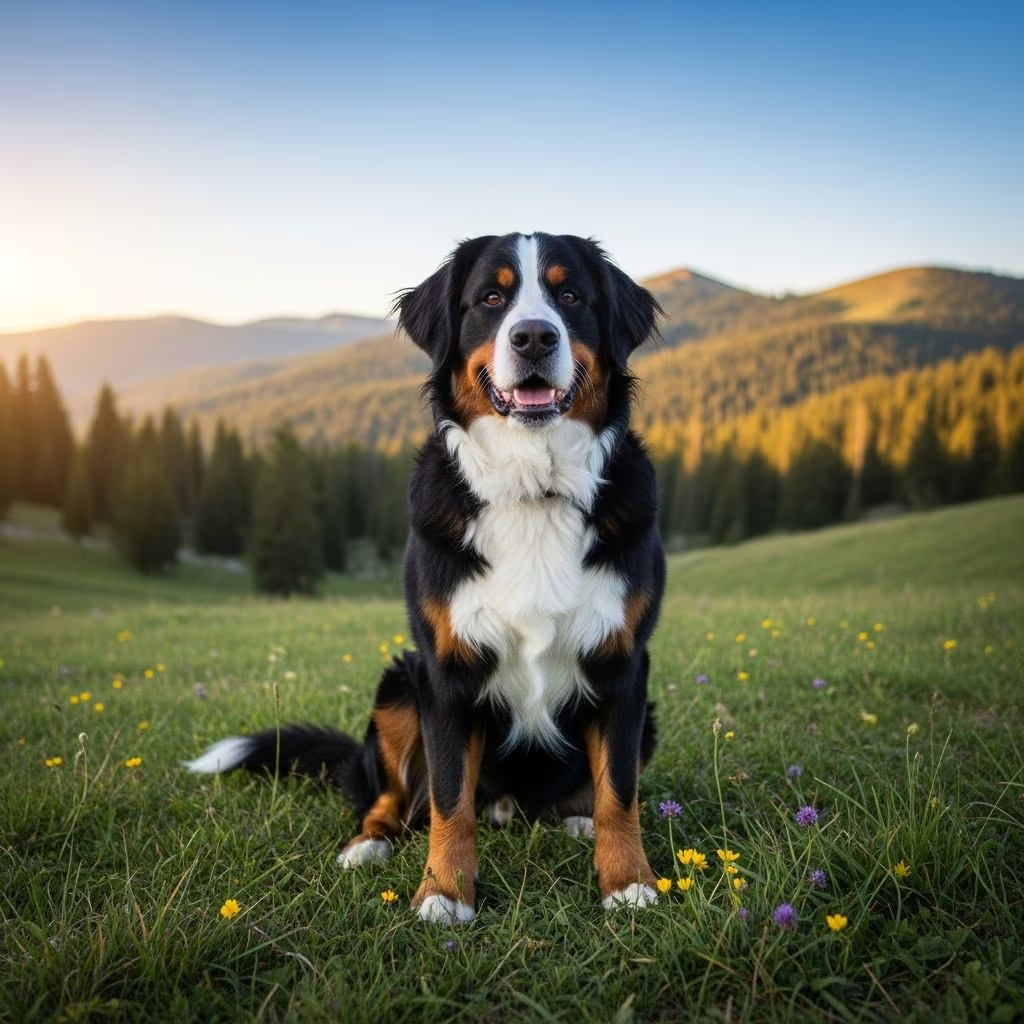
The Bernese Mountain Dog stands out as a majestic working breed originating from the Swiss Alps, renowned for its robust build, distinctive tri-color coat, and unwavering loyalty to family. These gentle giants combine strength with a serene disposition, making them cherished companions for those with ample space and time for their needs.
Origins and Historical Role
Hailing from the canton of Bern in Switzerland, the Bernese Mountain Dog is one of four Sennenhund breeds developed for farm work in mountainous regions. Historically, these dogs herded cattle, pulled carts loaded with goods to market, and guarded homesteads against intruders. Their ancestors trace back centuries, thriving in harsh alpine conditions where endurance and versatility were essential.
Breed enthusiasts revived interest in the early 20th century, leading to recognition by kennel clubs worldwide. Today, while less common in commercial farming, they excel in dog sports like carting, drafting, and herding trials, preserving their working heritage.
Distinctive Physical Features
Bernese Mountain Dogs are large and powerful, with males typically standing 25-27.5 inches at the shoulder and weighing 80-115 pounds, while females are slightly smaller at 23-26 inches and 70-95 pounds. Their body is slightly longer than tall, supported by a strong, wide back and muscular limbs built for heavy labor.
The hallmark is their thick, long double coat: silky black base with symmetrical rust markings above the eyes, on the cheeks, and legs, plus crisp white blaze on the forehead, chest (forming a “Swiss cross”), paws, and tail tip. This striking pattern, known as tricolor, provides insulation against cold and a dignified appearance. They are dry-mouthed, meaning minimal drooling despite their size, though some individuals may produce more.
| Feature | Males | Females | |
|---|---|---|---|
| Height | 25-27.5 inches | 23-26 inches | |
| Weight | 80-115 lbs | 70-95 lbs | |
| Coat | Long, thick, tri-color (black, rust, white) | ||
| Build | Muscular, sturdy, slightly longer than tall | ||
Personality and Temperament
Renowned for their calm, affectionate nature, Bernese Mountain Dogs form deep bonds with family members, often attaching closely to one person while remaining gentle with all. They are patient and tolerant with children, making them suitable for family environments, though supervision is advised due to their size.
These dogs are friendly toward strangers once introduced but retain a watchful guardian instinct, barking to alert owners of unusual activity. They generally coexist well with other pets if socialized early, exhibiting low prey drive compared to hunting breeds. Their serene demeanor belies an underlying energy; they enjoy play but prefer relaxed lounging.
- Loyal and devoted: Thrive on human companionship, often following owners room-to-room.
- Gentle with kids: Patient playmates, but their size requires teaching boundaries.
- Social butterflies: Enjoy dog parks and meeting new friends with proper training.
- Alert but not aggressive: Good watchdogs without excessive barking.
Training and Socialization Essentials
Intelligent and eager to please, Bernese Mountain Dogs respond well to positive reinforcement training from puppyhood. Early socialization exposes them to diverse people, animals, and environments, curbing any natural reserve toward strangers. Consistency is key; their sensitivity means harsh methods can hurt feelings and hinder progress.
Basic obedience, leash manners, and recall are crucial given their strength. They shine in canine sports like obedience trials, agility (adapted for size), and weight pulling, channeling their working drive mentally and physically.
Exercise and Lifestyle Requirements
Moderate exercise suits these dogs: 1-2 hours daily of walks, hikes, or play prevents boredom-induced mischief. They possess good stamina for outdoor adventures but aren’t hyperactive, preferring purposeful activity over endless zooming.
High cold tolerance from their double coat and body mass makes them ideal for chilly climates; they navigate snow effortlessly with furry paws for traction. Hot weather poses risks—avoid midday sun and provide shade/water. A spacious yard is ideal, though they adapt to apartments with sufficient outings.
Grooming and Coat Maintenance
Their luxurious coat demands weekly brushing to manage shedding, which intensifies biannually (“blowing coat”). Use an undercoat rake to remove loose fur, preventing mats. Bathe monthly or as needed with dog-specific shampoo; nails trim biweekly, ears clean weekly to avert infections.
Minimal grooming beyond coat care: brush teeth regularly, and their drop ears require monitoring for wax buildup.
Nutrition and Feeding Guidelines
Large breeds like Berners need high-quality, large-breed puppy food until 18-24 months to support controlled growth and joint health. Adults require 3-6 cups daily, split into two meals, adjusted for activity/weight. Prioritize proteins, glucosamine for joints, and controlled calories to combat obesity.
Fresh water always; monitor treats to under 10% calories. Puppies: 3-4 meals/day; seniors: lower calories/higher fiber.
Health Considerations and Lifespan
Average lifespan is 6-8 years, shorter than many breeds due to size-related issues. Common concerns include hip/elbow dysplasia, bloat (GDV), certain cancers (histio, lymphoma), and heart conditions. Responsible breeding via health-tested parents mitigates risks.
- Orthopedic issues: Dysplasia—manage with weight control, joint supplements, low-impact exercise.
- Cancer risk: Regular vet checks; early detection vital.
- Bloat prevention: Feed smaller meals, avoid exercise post-eating.
- Other: Eye problems (cataracts), allergies, hypothyroidism.
Annual vet visits, vaccinations, heartworm prevention, and dental care extend quality life. Pet insurance covers unexpected costs.
Finding and Choosing Your Bernese
Select reputable breeders prioritizing health clearances (OFA hips/elbows, CERF eyes, cardiac). Rescues offer adult Berners needing homes. Prepare for commitment: space, time, grooming, exercise. Not ideal for tiny homes or novice owners without large-dog experience.
Daily Life with a Berner
Expect a loving, low-drama companion who leans into laps (despite size) and guards home quietly. They adapt to family life, excelling as therapy dogs or gentle farm helpers. Challenges: shedding, short lifespan, vet bills—but rewards of devotion outweigh.
Frequently Asked Questions
Are Bernese Mountain Dogs good with children?
Yes, their gentle, patient nature makes them excellent with kids, though supervise due to size to prevent accidental knocks.
How much exercise do they need?
1-2 hours daily of moderate activity like walking or playing suffices; they enjoy hikes but tire in extreme heat.
Do they shed a lot?
Yes, heavily twice yearly; weekly brushing controls it year-round.
What’s their lifespan?
Typically 6-8 years; proactive health care can extend it.
Are they easy to train?
Very, with positive methods—their intelligence and desire to please shine.
Pros and Cons Overview
| Pros | Cons |
|---|---|
| Affectionate family dog | Short lifespan |
| Striking appearance | Heavy shedding |
| Good watchdog | Health issues common |
| Cold weather lover | Large space needs |
| Trainable | Strength requires handling skills |
References
- Bernese Mountain Dog — Wikipedia. 2023-10-15. https://en.wikipedia.org/wiki/Bernese_Mountain_Dog
- Bernese Mountain Dog Breed Information & Characteristics — Dogtime. 2024-05-20. https://dogtime.com/dog-breeds/bernese-mountain-dog
- Bernese Mountain Dog Breed Information — Purina UK. 2024-08-12. https://www.purina.co.uk/find-a-pet/dog-breeds/bernese-mountain
- BERNESE MOUNTAIN DOG – Characteristics and Care — YouTube (AnimalWised). 2023-03-10. https://www.youtube.com/watch?v=ljNISJluEHA
- Bernese Mountain Dog Temperament and Health: 25 Years — Dabbling and Decorating. 2024-01-05. https://www.dabblinganddecorating.com/love-and-heartache-with-a-bernese-mountain-dog/
- Bernese Mountain Dog Dog Breed Information — American Kennel Club (AKC). 2024-11-18. https://www.akc.org/dog-breeds/bernese-mountain-dog/
- Bernese Mountain Dog: Breed Guide — Orvis. 2023-12-01. https://www.orvis.com/bernese-mountain-dog.html



