

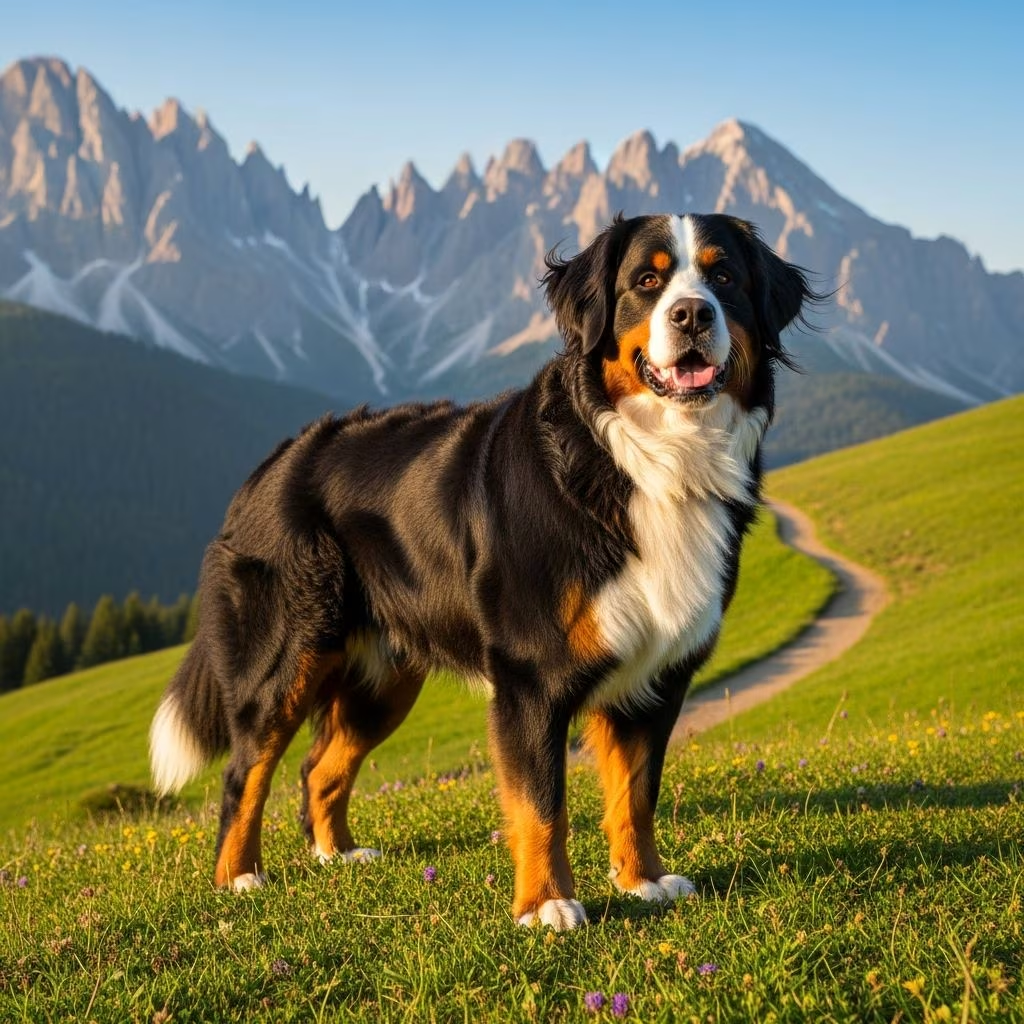
The Bernese Mountain Dog represents one of Switzerland’s most remarkable working breed contributions to the global canine community. These magnificent dogs evolved from humble agricultural origins in the Swiss Alps to become beloved family companions worldwide. Their journey from working livestock herders to cherished household members illustrates how a breed’s inherent qualities—gentleness combined with strength—can transcend its original purpose.
Historical Origins and Purpose
The Bernese Mountain Dog emerged from the mountainous regions of Switzerland, where farmers required versatile dogs capable of performing multiple demanding tasks. These canines were developed as true working animals, functioning as herding dogs for livestock, protective guardians for farms, and most notably, draft animals capable of pulling heavily laden carts through challenging alpine terrain. The breed’s evolution reflects the practical needs of Swiss mountain communities, where a single dog needed to provide multiple forms of value to agricultural operations. Unlike many modern dog breeds created for specialized singular purposes, the Bernese Mountain Dog developed as an agricultural problem-solver, adapting to whatever tasks farmers demanded of it.
Their ability to navigate mountainous landscapes while maintaining focus on livestock or cargo made them indispensable to rural Swiss life. The breed’s strength allowed them to pull carts laden with dairy products, cheese, and other goods to market through terrain that would challenge modern transportation methods. This multifaceted working heritage shaped the breed’s physical structure and temperament, creating dogs that combined power with intelligence and an instinctive understanding of cooperative work.
Distinctive Physical Characteristics
One of the most immediately recognizable features of the Bernese Mountain Dog is their striking tri-colored coat pattern. The breed displays a rich jet-black base color as the dominant hue, complemented by vivid rust-brown markings and crisp white accents. These markings follow a distinctive distribution pattern, with white typically appearing on the chest, face markings, and the tail tip, while rust-colored highlights adorn the regions above the eyes, along the sides of the mouth, and across the legs. This color arrangement creates a visually stunning contrast that draws admiration from dog enthusiasts globally.
Structurally, Bernese Mountain Dogs are substantial animals, with males typically standing between 25 and 28 inches at the shoulder and females slightly smaller. Their weight ranges from 70 to 115 pounds depending on individual genetics and conditioning. Despite their considerable size, these dogs move with surprising grace and agility, exhibiting the endurance and stability their working origins demanded. Their legs are straight and powerfully muscled, designed for extended walking and hiking activities rather than sprinting.
The coat itself deserves special mention, as it represents both aesthetic beauty and functional adaptation. Their thick, silky double coat provided insulation against the cold Alpine climate, protecting them during long hours of outdoor work. The coat’s texture ranges from straight to slightly wavy, maintaining a lustrous appearance that requires consistent grooming to prevent matting and maintain its health.
Temperament and Personality Traits
Perhaps the most endearing characteristic of the Bernese Mountain Dog is the dramatic contrast between their imposing physical presence and their genuinely gentle nature. Despite their size that can seem intimidating to the unfamiliar, these dogs embody calmness and affection. They possess an intuitive emotional sensitivity that allows them to understand and respond appropriately to their human companions’ emotional states and needs.
Berners demonstrate exceptional patience and tolerance, particularly with children, making them outstanding choices for families. Their gentle nature extends beyond human family members to interactions with other animals. When properly introduced and socialized, these dogs typically coexist peacefully with other dogs and cats, displaying a non-aggressive approach to territory and resource sharing.
The breed’s intelligence is coupled with a strong desire to please their owners, creating dogs that genuinely enjoy cooperative interaction. They thrive on being involved in family activities, whether that involves structured exercise or simply relaxing in the home environment. Their emotional well-being depends significantly on maintaining close connections with their human family, and they are not suited to prolonged isolation or neglectful ownership.
Key Behavioral Characteristics
- Affectionate bonding: Bernese Mountain Dogs form deep emotional attachments to their families and demonstrate constant desire for proximity and interaction
- Calm demeanor: Despite their energy reserves, these dogs maintain a peaceful presence in the home when their physical and mental needs are met
- Protective instinct: While not aggressive, they maintain an alert awareness of their environment and family’s safety
- Vocal expression: They tend to bark moderately and communicate through vocalizations about visitors or unusual environmental changes
- Loyalty: Their commitment to family members is unwavering and forms the cornerstone of their personality
Training and Socialization Approaches
The Bernese Mountain Dog’s intelligence and eagerness to please create favorable conditions for training success. These dogs respond exceptionally well to positive reinforcement methods, quickly learning commands and tricks when rewarded with praise and treats. Their mental capacity allows them to master complex tasks and behaviors, though their independent streak occasionally surfaces in situations where they question authority.
Early socialization proves crucial for developing well-rounded temperament. Exposing young Berners to diverse people, environments, sounds, and situations helps prevent the development of anxiety or excessive shyness in unfamiliar circumstances. Their naturally sociable nature means socialization efforts typically progress smoothly, as they are predisposed toward friendliness when treated positively.
Training sessions work best when relatively brief and engaging, as these dogs appreciate mental stimulation but can lose focus during extended repetitive drills. The breed’s sensitivity to correction requires gentle guidance rather than harsh discipline; their feelings are genuinely hurt by severe punishment, and such approaches typically backfire by damaging the human-dog relationship.
Exercise Requirements and Activity Levels
Despite their calm disposition indoors, Bernese Mountain Dogs require meaningful daily physical activity to maintain both physical health and psychological well-being. Most Berners benefit from approximately one to two hours of daily exercise, which can be distributed throughout the day in walking, hiking, or play sessions. They particularly excel as hiking companions, as their origins in mountainous terrain created genuine affinity for varied terrain and extended outdoor exposure.
These dogs are happiest when their exercise incorporates family participation, as isolation during activity sessions contradicts their fundamental desire for human companionship. A solitary run around a yard provides less satisfaction than a neighborhood walk alongside their owner, as the relational component of activity enhances their enjoyment and emotional fulfillment.
It’s important to note that Bernese Mountain Dogs can become overweight if exercise levels are insufficient and food portions exceed their caloric needs. Their generally easy-going nature means they may not self-motivate toward activity; owners must actively encourage and facilitate regular exercise to prevent obesity-related health complications.
Health Considerations and Common Concerns
While generally classified as a healthy breed, Bernese Mountain Dogs are predisposed to certain health conditions that prospective owners should understand. Hip and elbow dysplasia represents one of the most common orthopedic concerns, where joint development abnormalities create chronic pain and mobility limitations. These conditions are partly genetic and partly influenced by environmental factors including growth rate, exercise timing, and nutritional balance during puppyhood.
Cancer incidence appears elevated in this breed compared to smaller dog populations, with certain types like histiocytic sarcoma showing particular prevalence. Heart disease, including dilated cardiomyopathy, occurs in some lines, emphasizing the importance of cardiac screening during breeding decisions. Bloat, a life-threatening gastric condition, can develop suddenly and requires immediate veterinary intervention, making owner awareness of early symptoms essential.
Skin allergies and eye conditions including progressive retinal atrophy also appear in the breed with greater frequency than average. Regular veterinary checkups allow early detection and management of emerging health issues, potentially extending quality lifespan and improving comfort levels.
Health Management Strategies
| Health Concern | Prevention Methods | Monitoring Approach |
|---|---|---|
| Hip/Elbow Dysplasia | Controlled growth, appropriate exercise timing, quality nutrition | Hip/elbow scoring before breeding; monitoring gait and mobility |
| Cancer | Regular veterinary screening, healthy weight maintenance | Routine physical exams, awareness of unusual lumps or behavior changes |
| Heart Disease | Cardiac screening in breeding dogs, appropriate exercise | Annual cardiac evaluations; monitoring for coughing or fatigue |
| Bloat | Smaller frequent meals, limited post-meal exercise | Recognition of distended abdomen, excessive drooling, restlessness |
| Allergies | Elimination diets, environmental management | Skin condition observation, scratching behavior monitoring |
Grooming and Coat Maintenance
The Bernese Mountain Dog’s luxurious double coat requires consistent grooming commitment throughout the year. During non-shedding seasons, weekly brushing maintains coat health and prevents matting. During spring and fall shedding periods, more frequent brushing becomes necessary as the undercoat transitions, often requiring daily attention to manage loose hair effectively.
These dogs experience moderate to significant drooling, particularly in warm weather or when anticipating food, so owners should expect occasional need for facial wiping. Ear cleaning proves important, as their floppy ears can trap moisture and debris, potentially creating conditions favorable for infections. Regular nail trimming, dental care, and occasional bathing complete the grooming regimen necessary for maintaining health and appearance.
Suitability for Different Living Situations
Bernese Mountain Dogs adapt well to various living environments provided their exercise and socialization needs are met. They perform best in homes with ample indoor space and preferably access to outdoor areas where they can move freely. While not exclusively suited to rural settings, these dogs genuinely appreciate larger properties where they can exercise without constant leash constraints.
Apartment living is possible but presents challenges, particularly without dedicated nearby parks or exercise facilities. Their size alone occupies significant space, and their vocal tendencies can create friction with neighbors in close-quarter housing. Climate considerations also matter, as their thick coats make them prone to overheating in hot, humid environments; they genuinely prefer cooler climates that align with their Alpine origins.
Family Compatibility and Child Interaction
The Bernese Mountain Dog’s gentle nature and patience with children make them excellent family dogs, earning them a reputation as natural nanny dogs. Their intuitive understanding of appropriate interaction with small humans, combined with their protective instincts, creates a safe environment for child development. However, their substantial size necessitates supervision during interactions with very young children, as accidental knockdowns can occur despite the dog’s best intentions.
These dogs typically enjoy play activities with children, including games of fetch, hiking adventures, and casual yard play. Their calm nature means they tolerate the unpredictability and occasional rough handling that accompanies childhood. The mutual bond that develops between Bernese Mountain Dogs and children often becomes one of the breed’s most treasured qualities for family owners.
Frequently Asked Questions
What is the typical lifespan of a Bernese Mountain Dog?
Bernese Mountain Dogs typically live 7 to 10 years, with some individuals reaching 11 or 12 years with excellent care. Their relatively shorter lifespan compared to smaller breeds reflects the genetic reality of giant dog breeds, where accelerated growth and larger organ systems contribute to earlier aging.
Do Bernese Mountain Dogs get along with other pets?
Yes, with proper socialization and introduction, Bernese Mountain Dogs typically coexist peacefully with other dogs and cats. Their non-aggressive nature and pack-oriented heritage mean they generally view other animals as family members rather than competitors.
How much do Bernese Mountain Dogs cost?
Puppies from reputable breeders typically range from $600 to $1,500, with prices varying based on lineage, health screening, and breeder reputation. Adoption from rescue organizations often costs significantly less while supporting animal welfare.
Are Bernese Mountain Dogs difficult to train?
No, Bernese Mountain Dogs are generally considered easy to train due to their intelligence and eagerness to please. However, their occasional independent nature requires consistent, positive-reinforcement-based training approaches rather than harsh discipline.
What do Bernese Mountain Dogs need to be happy?
These dogs need regular exercise, family interaction, mental stimulation, proper nutrition, grooming care, and veterinary attention. Most importantly, they require close emotional bonds with their owners and should not be left isolated for extended periods.
Choosing a Bernese Mountain Dog: Final Considerations
Prospective owners should approach Bernese Mountain Dog ownership thoughtfully, understanding that these gentle giants demand significant time, space, financial resources, and emotional commitment. They are not suited to owners seeking independent dogs or those unable to provide regular exercise and family interaction. However, for families with space, activity inclination, and genuine appreciation for these dogs’ unique qualities, a Bernese Mountain Dog offers incomparable companionship and loyalty.
The breed’s combination of physical capability and emotional gentleness creates dogs that function as true family members rather than mere pets. Their intuitive understanding of human emotion, protective nature, and genuine desire to participate in family life elevate them beyond typical dog ownership experiences. With proper care addressing their physical and emotional needs, a Bernese Mountain Dog becomes a defining element of family memory and experience.
References
- Bernese Mountain Dog Breed Guide: Must-Know Facts for Pet Parents — Figo Pet Insurance. 2024. https://figopetinsurance.com/blog/bernese-mountain-dog-breed-guide
- Bernese Mountain Dog Breed Information — Purina UK. 2024. https://www.purina.co.uk/find-a-pet/dog-breeds/bernese-mountain
- Bernese Mountain Dog — American Kennel Club. 2024. https://www.akc.org/dog-breeds/bernese-mountain-dog/
- Bernese Mountain Dog – All About Dogs — Orvis. 2024. https://www.orvis.com/bernese-mountain-dog.html
- Bernese Mountain Dog Temperament and Health: 25 Years With the Breed — Dabbling and Decorating. 2024. https://www.dabblinganddecorating.com/love-and-heartache-with-a-bernese-mountain-dog/



