

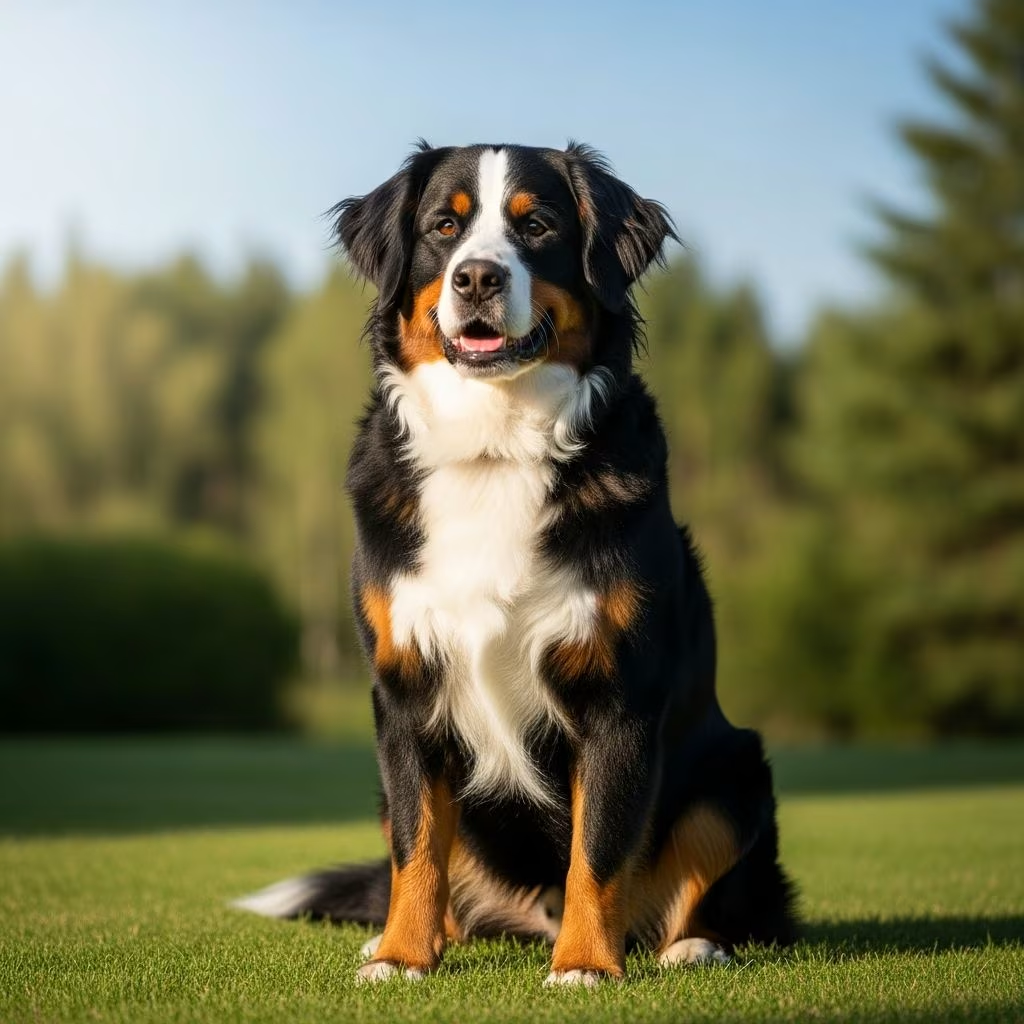
The Bernese Mountain Dog stands as one of the most recognizable and beloved large dog breeds originating from the Swiss Alps. These impressive canines combine striking physical presence with remarkably gentle personalities, earning them a special place in the hearts of families worldwide. Understanding this breed’s unique characteristics, needs, and temperament is essential for anyone considering welcoming one into their home.
Understanding the Heritage and Purpose
Bernese Mountain Dogs emerged from the agricultural regions of Switzerland, where they served multiple essential functions on Swiss farms. Unlike many dog breeds developed for a single specific purpose, these versatile working dogs performed diverse roles that made them invaluable to rural communities. They excelled at herding livestock with careful precision, guarding farmsteads with an imposing yet non-aggressive presence, and most famously, hauling heavily loaded carts through challenging alpine terrain.
This multifunctional heritage shaped both their physical structure and temperament. Their powerful build developed from decades of pulling weighted carts across mountainous landscapes, while their gentle disposition reflects generations of working closely alongside farmers and their families. This combination of strength and sweetness remains a defining characteristic of the breed today.
Physical Characteristics and Appearance
Bernese Mountain Dogs possess one of the most instantly recognizable appearances among dog breeds. Their distinctive tri-colored coat serves as their signature feature, combining deep jet black as the primary color with rich reddish-brown and white markings in carefully defined patterns. The white typically appears on their chest, facial markings, and the tail tip, while rust-colored accents highlight the areas above their eyes, along their muzzle, and down their legs.
The breed’s robust frame reflects their working heritage. Adults typically stand between 23 to 28 inches at the shoulder and weigh around 70 to 115 pounds, making them a genuine giant breed. Their muscular physique supports heavy lifting and endurance work, yet these dogs move with surprising grace and fluidity for their size. Strong, straight legs provide stability for long-distance walking and hiking, making them excellent companions for outdoor activities.
Perhaps equally important as their build is their luxurious double coat. The thick, silky fur provides more than aesthetic appeal—it serves a critical functional purpose by insulating them against cold weather conditions. This beautiful coat requires consistent maintenance through regular grooming to preserve its luster and prevent matting, making weekly brushing sessions an important part of Bernese Mountain Dog ownership.
Temperament and Personality Traits
Despite their imposing physical appearance, Bernese Mountain Dogs are renowned for their exceptionally gentle and affectionate nature. Their calm, easygoing disposition makes them ideal companions for families seeking a large dog with a sweet personality. These dogs genuinely thrive on interaction and seek to be involved in family activities, whether that means leisurely neighborhood walks, enthusiastic games of fetch, or simply lounging comfortably at home with their loved ones.
One of the most remarkable aspects of Bernese Mountain Dogs is their intuitive understanding of appropriate social behavior. They possess notable patience and tolerance, particularly with children, displaying an almost instinctive sense of how to interact gently with younger family members. However, their substantial size necessitates supervision during interactions with small children to ensure everyone’s safety and comfort.
Intelligence ranks among their most valuable traits. Bernese Mountain Dogs are eager to please and respond exceptionally well to positive reinforcement training methods. Their combination of quick learning ability and genuine desire to make their families happy creates a rewarding training experience for both dog and owner. They particularly enjoy the mental stimulation that comes from learning new commands and tricks, which helps channel their considerable intellect productively.
Key Behavioral Characteristics
- Calm and composed: These dogs maintain a peaceful, unflappable demeanor within the home environment
- Loyal and devoted: They form deep bonds with their families and consistently demonstrate unwavering loyalty
- Social by nature: When properly socialized, they typically get along well with other dogs, cats, and various family situations
- Vocal communicators: They tend to bark and alert their families to visitors or unusual occurrences
- Sensitive to emotions: Their feelings can be easily hurt, requiring a gentle approach to training and correction
- Independent thinkers: Despite their eagerness to please, they retain a degree of independence in their decision-making
Exercise Requirements and Activity Levels
Bernese Mountain Dogs require a carefully balanced approach to exercise. Despite their size and working heritage, they are not hyperactive dogs and seem perfectly content with moderate rather than intensive activity. These dogs benefit from one to two hours of daily walking and enjoy opportunities to explore natural environments. Their origins in cool alpine regions make them particularly suited to activity during moderate temperatures, though their thick coats require careful monitoring during hot weather to prevent overheating.
The key to maintaining Bernese Mountain Dog health and happiness involves providing adequate exercise paired with sufficient mental stimulation. Without appropriate activity levels, they may become prone to weight gain and associated health complications. However, their calm temperament means they are equally happy relaxing at home when their exercise needs have been met, making them adaptable to various living situations when their requirements are properly understood.
Training and Socialization Approaches
Beginning socialization early in a Bernese Mountain Dog’s life proves essential for developing a well-rounded, confident adult. Exposing puppies to diverse people, environments, and various social situations helps them become more adaptable and less prone to anxiety or shyness in unfamiliar settings. Fortunately, their naturally friendly and predisposed temperament makes socialization typically straightforward, though they may initially appear reserved with strangers until treated positively.
Training these intelligent dogs should emphasize positive reinforcement techniques rather than harsh corrections, given their sensitive nature. They respond enthusiastically to rewards and praise, making these approaches far more effective than punishment-based methods. Their eagerness to please means that owners willing to invest time in training will find Bernese Mountain Dogs highly capable of learning complex tasks and behaviors.
Health Considerations and Potential Issues
While generally a healthy breed, Bernese Mountain Dogs are susceptible to specific health concerns that potential owners should understand. Hip and elbow dysplasia represent common orthopedic issues in large breeds, developing when joints fail to form properly. Certain types of cancer, particularly histiocytic sarcoma, occur more frequently in this breed than in the general dog population. Bloat, a serious gastrointestinal emergency, can develop rapidly and requires immediate veterinary attention.
Additional health considerations include allergies, eye problems, and heart disease, which may manifest as these dogs age. Regular veterinary checkups, maintaining a healthy diet, and carefully managing exercise routines can help mitigate these risks and support long-term wellbeing. Their thick coats also require regular grooming not only for aesthetic purposes but to monitor skin health and identify potential issues early.
Nutritional Needs and Weight Management
Proper nutrition forms a cornerstone of maintaining Bernese Mountain Dog health. These dogs require adequate exercise combined with properly portioned meals to maintain a healthy weight and prevent obesity. Their calm, home-loving nature means they are content to settle into a relaxed lifestyle, which can lead to excessive weight gain if diet and activity are not carefully balanced.
Weight management deserves particular attention given the breed’s predisposition toward gaining excess pounds. Obesity places additional stress on their joints, exacerbates orthopedic issues like dysplasia, and compounds other health risks. Feeding high-quality dog food in appropriate portions, limiting treats, and ensuring consistent daily activity helps maintain optimal weight throughout their lifetime.
Living Environment Considerations
Bernese Mountain Dogs suit homes with space to accommodate their large size comfortably. They thrive best in homes where they can access a large garden and spend time in semi-rural or suburban settings. Their need for outdoor space and moderate activity makes apartment living challenging, though not impossible with dedicated owners committed to meeting their exercise requirements.
These home-loving dogs form strong attachments to their families and prefer environments where they can participate in household activities rather than being isolated. With appropriate training, they can be left alone for reasonable periods, though they are pack animals at heart and genuinely enjoy constant companionship. Their tendency toward some drool and their grooming needs should factor into home preparation before bringing one into your household.
Comparing Similar Breeds
| Breed | Size | Temperament | Coat Type | Exercise Needs |
|---|---|---|---|---|
| Bernese Mountain Dog | 70-115 lbs | Gentle, loyal, calm | Thick double coat | Moderate |
| Saint Bernard | 120-180 lbs | Gentle, friendly | Dense double coat | Moderate |
| Great Pyrenees | 100-160 lbs | Protective, independent | Thick white coat | Moderate |
| Newfoundland | 100-150 lbs | Gentle, devoted | Water-resistant coat | Moderate to high |
Is a Bernese Mountain Dog Right for Your Family?
Bernese Mountain Dogs make excellent family pets for households able to provide appropriate space, care, and attention. Their loving nature, patience with children, and protective instincts make them outstanding choices for families with active lifestyles who have room for a large dog. They excel as companions for both adult households and those with children, provided supervision accompanies interactions with very young children.
However, these dogs are not suitable for everyone. Prospective owners should realistically assess their ability to provide adequate exercise, commit to regular grooming, afford veterinary care for potential health issues, and devote time to training and socialization. Families living in apartments or homes without outdoor space will find meeting their needs challenging. Those unwilling to engage in weekly grooming sessions should reconsider this breed, as their beautiful coats demand consistent maintenance.
Frequently Asked Questions
What makes Bernese Mountain Dogs different from other large breeds?
Their distinctive tri-colored coat, Swiss Alpine heritage, and unique combination of strength with exceptional gentleness set them apart. Unlike purely guardian or hunting breeds, they developed as versatile farm dogs performing multiple functions, which shaped their balanced temperament.
How long do Bernese Mountain Dogs typically live?
This breed generally has a relatively shorter lifespan compared to smaller dog breeds, typically living 7 to 10 years, though some individuals live longer with excellent care and genetic fortune.
Do Bernese Mountain Dogs require professional grooming?
While professional grooming is not absolutely necessary, many owners find professional assistance valuable for managing their thick double coats. Regular home brushing—at least weekly—is essential for all owners to maintain coat health and prevent matting.
Are Bernese Mountain Dogs aggressive?
No, aggression is not characteristic of the breed. They are known for their gentle, sweet nature and generally friendly disposition toward people and other animals when properly socialized.
What is the best climate for Bernese Mountain Dogs?
Their Alpine heritage makes them naturally suited to cooler climates. They can struggle in hot weather due to their thick coats, requiring careful management, shade, and limited activity during high temperatures.
Can Bernese Mountain Dogs live in apartments?
While challenging, apartment living is possible if owners commit to daily exercise, mental stimulation, and understanding the breed’s need for space. Suburban or rural homes with yards better suit their needs.
Final Thoughts on Breed Suitability
Bernese Mountain Dogs represent a remarkable combination of physical grandeur and emotional gentleness that appeals to many dog lovers. Their intelligence, trainability, and affectionate nature make them wonderful companions for households able to meet their specific needs. The key to successful ownership involves honest assessment of your lifestyle, living space, and commitment level before bringing one of these magnificent dogs into your family. When matched with appropriate owners, Bernese Mountain Dogs become cherished family members whose loyalty and loving presence enrich lives for years to come.
References
- Bernese Mountain Dog Breed Guide: Must-Know Facts for Pet Parents — Figo Pet Insurance. 2024. https://figopetinsurance.com/blog/bernese-mountain-dog-breed-guide
- Bernese Mountain Dog Breed Information — Purina UK. 2024. https://www.purina.co.uk/find-a-pet/dog-breeds/bernese-mountain
- Bernese Mountain Dog – Characteristics and Care — AnimalWised. October 19, 2018. https://www.youtube.com/watch?v=ljNISJluEHA
- Bernese Mountain Dog Temperament and Health: 25 Years With the Breed — Dabbling and Decorating. 2024. https://www.dabblinganddecorating.com/love-and-heartache-with-a-bernese-mountain-dog/
- Bernese Mountain Dog — American Kennel Club. 2024. https://www.akc.org/dog-breeds/bernese-mountain-dog/



