

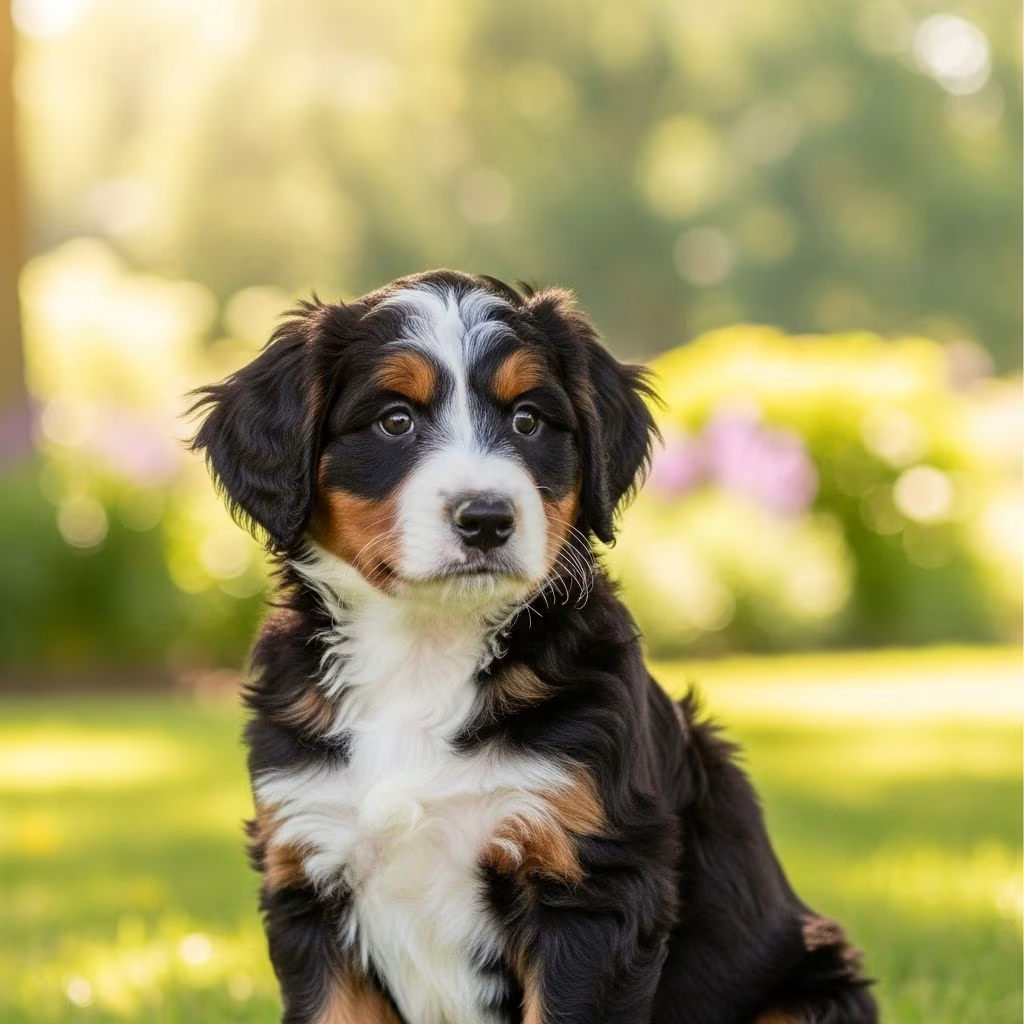
The Bernedoodle, a delightful cross between the sturdy Bernese Mountain Dog and the intelligent Poodle, has captured hearts worldwide with its blend of gentleness, playfulness, and low-shedding coat. This hybrid dog offers the best of both worlds: the affectionate loyalty of its Bernese parent and the clever, curly-coated traits of the Poodle, making it a top choice for families, active individuals, and even therapy work.
Origins and Development of the Bernedoodle
Bernedoodles emerged in the early 2000s as breeders sought to combine the Bernese Mountain Dog’s calm demeanor with the Poodle’s hypoallergenic qualities. First intentionally bred in the United States, this designer dog quickly gained popularity for its family-friendly nature and reduced shedding compared to purebred Berners. Unlike traditional breeds with centuries of history, Bernedoodles represent modern hybrid vigor, potentially benefiting from hybrid health advantages, though individual outcomes vary based on parent genetics.
Responsible breeding focuses on health-tested parents to minimize inherited issues, emphasizing the importance of choosing reputable sources over impulse adoptions. This crossbreed’s development aimed at creating a versatile companion suited for various lifestyles, from suburban homes to rural settings.
Physical Characteristics and Size Variations
Bernedoodles come in three primary sizes, influenced by the Poodle parent: miniature (10-24 inches tall, 10-25 lbs), medium (18-22 inches, 25-45 lbs), and standard (23-29 inches, 70-90 lbs). Their weight can range broadly from 10 to 90 pounds, depending on generation and lineage.
Coat types vary from curly and dense like a Poodle’s to wavy or even straighter textures inherited from the Berner side, often in colors like black, tri-color (black, white, rust), apricot, or chocolate. These coats are typically low-shedding and considered hypoallergenic, ideal for allergy sufferers, though not guaranteed. Eye-catching features include expressive dark eyes, floppy ears, and a sturdy yet elegant build that exudes teddy-bear charm.
| Size Category | Height | Weight | Typical Energy Level |
|---|---|---|---|
| Miniature | 10-24 inches | 10-25 lbs | Moderate |
| Medium | 18-22 inches | 25-45 lbs | Moderate to High |
| Standard | 23-29 inches | 70-90 lbs | High |
This table highlights how size impacts lifestyle fit; smaller varieties suit apartments, while standards thrive in homes with yards.
Temperament: The Heart of the Bernedoodle
Known for their affectionate, goofy, and loyal personalities, Bernedoodles form deep bonds with family members, often becoming ‘velcro dogs’ that crave constant companionship. They are playful and gentle, making them excellent with children—gentle enough for toddlers yet energetic for older kids’ adventures. Their sociability extends to other pets, provided early introductions occur.
While generally mellow from the Bernese influence, the Poodle side brings bursts of high energy, goofiness, and protectiveness. They bark sparingly, mainly to alert of strangers, positioning them as decent watchdogs without excessive noise. However, their friendly nature means they’re more likely to greet intruders with wags than aggression.
- Family-Oriented: Thrives in homes with frequent interaction; prone to anxiety if left alone long.
- Playful Goofball: Loves fetch, swimming, and hikes, blending calm lounging with active play.
- Social Butterfly: Gets along with kids, dogs, and cats when socialized early.
Training and Socialization Essentials
Bernedoodles inherit sharp intelligence from Poodles, making them quick learners, but a stubborn streak from Bernese parents requires patience and consistency. Positive reinforcement—treats, praise, and play—works best, yielding eager-to-please pups that excel in obedience, agility, and tricks. Start training early to curb jumping, chewing, or pulling, common puppy behaviors.
Socialization from 8-16 weeks is crucial to prevent skittishness or overprotectiveness. Expose them to diverse environments, people, and animals. Mental stimulation via puzzles and jobs (like backpack walks) prevents boredom-induced mischief. They shine as therapy dogs due to their calm, loving vibe.
Key Training Tips:
- Leash manners to handle their strength, especially in larger sizes.
- Impulse control: Teach ‘sit’ before greetings to avoid jumping.
- Crate training for housebreaking and alone-time adjustment.
- Consistent rules across family members to counter stubbornness.
Grooming and Daily Care Routine
Despite low shedding, Bernedoodles need regular grooming to prevent matting. Brush 3-5 times weekly with a slicker brush; bathe monthly with gentle shampoo. Professional grooming every 6-8 weeks keeps coats tidy. Trim nails bi-monthly, clean ears weekly to avoid infections, and brush teeth daily.
They drool minimally compared to Berners and stay relatively clean, but their love of water means post-swim rinses. Diet should be high-quality, portion-controlled to maintain ideal weight, with fresh water always available.
Exercise and Lifestyle Compatibility
Aim for 30-60 minutes of daily exercise: walks, fetch, swims, or hikes suit their adventurous spirit. Mental games like hide-and-seek or obedience sessions fulfill their smart minds. They’re adaptable but not couch potatoes—active families match best, while smaller ones fit apartments with park access.
Avoid long isolations; they prefer being involved in daily activities. In colder climates, their thick coat provides warmth; provide shade and water in heat.
Health Considerations and Lifespan
Bernedoodles live 12-18 years, with minis often reaching the upper end. Common concerns include hip dysplasia, elbow issues, eye problems (progressive retinal atrophy), and heart conditions from parent breeds. Reputable breeders screen parents via OFA or PennHIP.
Preventive care: Annual vet checks, vaccinations, flea/tick/heartworm prevention, and dental cleanings. Balanced diet and exercise mitigate obesity risks. Spay/neuter timing per vet advice.
Nutrition Guidelines for Optimal Health
Feed age-appropriate, breed-sized kibble rich in proteins (25-30%) for muscle maintenance. Puppies need 3-4 meals/day; adults 2 meals. Monitor treats to under 10% calories. Fresh, whole foods like blueberries or carrots add variety safely.
| Life Stage | Daily Calories (Approx.) | Meal Frequency |
|---|---|---|
| Puppy | 800-1200 (varies by size) | 3-4 |
| Adult | 1000-2000 | 2 |
| Senior | 800-1500 | 2 |
Choosing Your Bernedoodle: Adoption vs. Breeder
Seek breeders with health guarantees, parent meet-and-greets, and AKC/hybrid club affiliations. Rescues like Doodle-specific groups offer mixes needing homes. Prepare with puppy-proofing, supplies, and commitment. Cost: $2000-$5000 from breeders; adoption fees lower.
Frequently Asked Questions (FAQs)
Are Bernedoodles hypoallergenic?
Generally yes, due to Poodle genetics, but reactions vary; test exposure first.
Do Bernedoodles bark a lot?
No, they bark only when necessary, like alerting to danger.
Can Bernedoodles live in apartments?
Mini/medium sizes can with ample exercise; standards need more space.
How much exercise do they need?
30-60 minutes daily, plus mental stimulation.
Are they good with kids?
Yes, gentle and patient, but supervise young children.
Why Bernedoodles Make Exceptional Companions
With their blend of intelligence, affection, and adaptability, Bernedoodles enrich lives as loyal partners, playful pals, and gentle family members. Proper care ensures years of joy.
References
- Dog Academy: Bernedoodle Dog Breed Guide — Dog Academy. 2023. https://dogacademy.org/breeds/bernedoodle
- Designer Dog Breed Profile: Bernedoodle — MyWoof. 2023. https://mywoof.com/blogs/articles/designer-dog-breed-profile-bernedoodle
- Guide to Bernedoodles: Facts & Personality Traits — RAWZ Natural Pet Food. 2024. https://rawznaturalpetfood.com/bernedoodle-dog-breed/
- Bernedoodle Dog Breed Health and Care — PetMD. 2025-01-15. https://www.petmd.com/dog/breeds/bernedoodle
- Bernedoodle Dog Breed: An Informational Guide — Fox Creek Farm. 2023. https://goldendoodles.net/bernedoodle-dog-breed-an-informational-guide/
- Bernedoodle Dog Breed Facts & Information — Rover.com. 2024. https://www.rover.com/blog/breeds/bernedoodle/



