

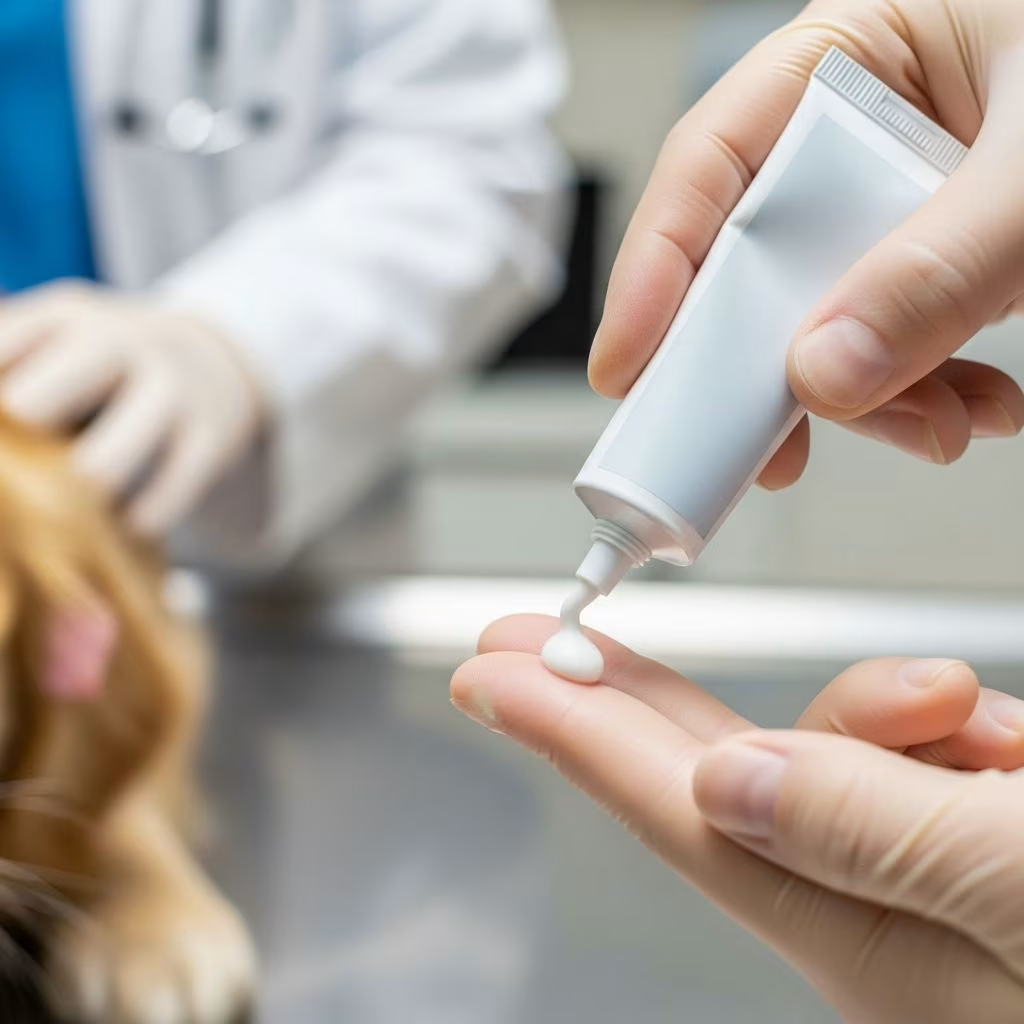
Benzoyl Peroxide Topical: Understanding This Effective Pet Skin Treatment
Benzoyl peroxide is an over-the-counter topical medication that has become a cornerstone in veterinary dermatology for treating various skin conditions in pets. This versatile antiseptic works by slowly releasing oxygen to combat bacterial infections while simultaneously offering keratolytic and antiseborrheic properties that make it invaluable for managing skin disorders in dogs and cats. Understanding how this medication works, its appropriate uses, and proper application techniques can help pet owners effectively manage their companion’s skin health.
What Is Benzoyl Peroxide?
Benzoyl peroxide is a topical antiseptic medication available without a prescription, making it an accessible treatment option for pet owners seeking solutions for skin problems. The medication operates through a unique mechanism of action that involves the gradual release of oxygen molecules directly into the skin. This oxygen release creates an environment hostile to bacteria, particularly Propionibacterium acnes and various Staphylococcus species that commonly colonize pet skin and hair follicles.
One of the significant advantages of benzoyl peroxide is that it is bactericidal, meaning it actively kills bacteria rather than simply inhibiting their growth. Additionally, drug resistance has not been documented with benzoyl peroxide use, making it a reliable long-term option even when used repeatedly over time.
How Benzoyl Peroxide Works
Understanding the mechanism of action helps explain why benzoyl peroxide is so effective for various skin conditions. The medication operates through multiple complementary pathways:
Deep Follicular Penetration
Benzoyl peroxide penetrates deep into hair follicles to flush out accumulated debris, dirt, excess oil, and dead skin cells. This deep-cleaning action is crucial because many bacterial infections in pets originate from clogged follicles where bacteria can proliferate undisturbed. By removing these obstructions, the medication helps restore normal skin function.
Oxygen Release and Antimicrobial Action
As the medication breaks down in the skin, it releases oxygen that creates an unfavorable environment for anaerobic and aerobic bacteria. This dual action against both types of bacterial species makes it particularly effective against the polymicrobial infections common in superficial pyoderma.
Keratolytic and Anti-inflammatory Effects
Benzoyl peroxide functions as a keratolytic agent, meaning it helps break down excess keratin and promotes the shedding of dead skin cells from the stratum corneum, the outermost skin layer. This property, combined with its anti-inflammatory effects, helps reduce redness, swelling, and irritation associated with skin conditions. The medication also acts as a degreasing agent, removing excess sebum that can contribute to skin problems.
Common Uses in Pets
Veterinarians recommend benzoyl peroxide for treating several skin conditions in both dogs and cats:
Superficial Pyoderma
Pyoderma, or bacterial skin infection, is one of the most common reasons veterinarians prescribe benzoyl peroxide. The medication effectively targets the bacteria responsible for these infections and is recommended by the World Association for Veterinary Dermatology as a proven antistaphylococcal agent suitable for treating superficial pyoderma. According to clinical guidelines, topical therapy using antibacterial agents like benzoyl peroxide can serve as the sole treatment for many cases of superficial pyoderma, regardless of whether the bacteria show multidrug resistance.
Seborrhea and Seborrheic Conditions
Seborrhea, characterized by excessive oil production or flaking skin, responds well to benzoyl peroxide treatment. The medication’s degreasing properties help normalize sebum production while its keratolytic action removes excessive scale, restoring skin to a healthier state.
Canine Acne
Pet acne develops when hair follicles become clogged with debris and bacteria proliferate in these blocked follicles. Benzoyl peroxide’s ability to unclog follicles and kill bacteria makes it an ideal treatment for this condition. The medication helps prevent the formation of acne lesions while treating existing ones.
Demodex Mange
Some cases of mange caused by Demodex mites respond to benzoyl peroxide treatment, particularly when combined with other therapeutic approaches. The medication helps manage secondary bacterial infections that often complicate mange infections.
Available Forms and Concentrations
Benzoyl peroxide comes in several formulations designed for different treatment approaches and preferences:
| Formulation Type | Strength | Application Frequency | Best For |
|---|---|---|---|
| Shampoo | 2-3% | 2-3 times weekly, minimum 10 minutes contact time | Generalized skin conditions, whole-body treatment |
| Gel | 2.5-5% | 1-2 times daily | Localized lesions, targeted treatment |
| Mousse/Spray | 2-3% | Daily use | Convenient maintenance therapy |
| Ointment | 2-5% | 1-2 times daily | Small localized areas, intensive treatment |
The 5% benzoyl peroxide gel formulation, such as Vedco Micro BP, represents a potent concentration that effectively hydrates and soothes while treating infections. Lower concentrations (2-3%) are commonly found in shampoos and mousse formulations suitable for maintenance therapy.
How to Use Benzoyl Peroxide
Application Instructions
Proper application technique maximizes the effectiveness of benzoyl peroxide treatment:
– Apply a thin layer of gel or ointment directly to affected areas once or twice daily as recommended by your veterinarian- For shampoo formulations, apply to wet skin, massage gently into affected areas, and allow at least 10 minutes of contact time before rinsing thoroughly- Massage gently into the skin to ensure thorough penetration- For whole-body application, work the product into the skin rather than simply wetting the coat- Allow the skin to dry completely after application
Treatment Duration
The length of treatment depends on the condition being treated and its severity. Most acute conditions show improvement within 7-10 days of consistent use, though complete resolution may require two to three weeks of therapy. For chronic conditions, your veterinarian may recommend long-term maintenance therapy, though continuous use for extended periods should be monitored for skin dryness and irritation.
Potential Side Effects and Precautions
Common Side Effects
While benzoyl peroxide is generally safe, it can cause skin irritation in some animals. The most frequently reported side effects include:
– Skin dryness and xerosis- Contact dermatitis or irritation- Temporary redness at application sites- Mild flaking or peeling- Bleaching of fur or hair (returning to normal color with time)
Bleaching Effect
One unique characteristic of benzoyl peroxide is its potential to bleach dark-colored fabrics and pet bedding. This occurs because the medication releases oxygen that can alter pigments in materials it contacts. Pet owners should take precautions when applying the product, including using old bedding, towels, or protective coverings to prevent staining of furniture and clothing.
Long-Term Use Considerations
Benzoyl peroxide is recommended for short-term use of a few weeks due to its drying effects on the skin. For longer treatment periods, veterinarians typically recommend using moisturizing conditioners or reducing application frequency to minimize dryness and irritation. Some pets may require treatment breaks to allow skin barrier recovery.
Important Safety Information
Contraindications
Benzoyl peroxide should not be used on:
– Pets with known sensitivity or allergy to benzoyl peroxide- Broken, abraded, or severely irritated skin (without veterinary approval)- Mucous membranes or areas near eyes- Pets with contact dermatitis or severe skin sensitivity
What to Avoid
– Do not allow contact with eyes or mucous membranes, as this can cause irritation- Avoid application to broken or open skin unless specifically directed by your veterinarian- Do not use on pets showing adverse reactions to the product- Do not apply to large areas of the body on first use without veterinary guidance
If Your Pet Ingests the Product
If your pet licks or ingests benzoyl peroxide, monitor them carefully for signs of discomfort or gastrointestinal upset. Small amounts from licking the application site are typically not concerning, but if your pet ingests large quantities of the product, contact your veterinarian or poison control immediately.
Comparing Benzoyl Peroxide to Other Topical Treatments
While benzoyl peroxide is highly effective, veterinarians may recommend other topical antiseptics depending on individual cases. Chlorhexidine (2-4%) is another commonly used topical antiseptic that has slightly greater antimicrobial activity than benzoyl peroxide in some studies. However, benzoyl peroxide offers unique advantages including deeper follicular penetration and keratolytic properties that chlorhexidine lacks. Other topical treatment options include ethyl lactate, acetic acid/boric acid combinations, povidone iodine, and sodium hypochlorite, each with specific advantages for particular conditions.
Frequently Asked Questions
Q: How long does it take to see results from benzoyl peroxide treatment?
A: Most pets begin showing improvement within a few days of consistent use, with significant improvement typically visible within 7-10 days. However, complete resolution of skin infections may require 2-3 weeks of therapy, depending on the severity of the condition.
Q: Can benzoyl peroxide be used on both dogs and cats?
A: Yes, benzoyl peroxide formulations are typically safe for both dogs and cats. However, cats may be more sensitive to the drying effects, so careful monitoring is essential. Always follow your veterinarian’s specific recommendations for your cat.
Q: Is benzoyl peroxide safe for puppies and kittens?
A: Benzoyl peroxide can generally be used on young animals, but consult with your veterinarian before applying to very young pets to ensure appropriateness and proper dosing.
Q: What should I do if my pet develops irritation from benzoyl peroxide?
A: Discontinue use and contact your veterinarian. They may recommend reducing application frequency, switching to a lower concentration, using a moisturizing conditioner after treatment, or exploring alternative topical therapies.
Q: Can benzoyl peroxide be used long-term?
A: Long-term continuous use is not recommended due to drying effects. However, intermittent or reduced-frequency use for maintenance therapy may be appropriate under veterinary supervision. Discuss long-term treatment plans with your veterinarian.
Q: Will benzoyl peroxide stain my pet’s bedding or furniture?
A: Yes, benzoyl peroxide can bleach dark fabrics. Use old bedding or protective coverings during treatment to prevent staining. The bleaching effect is temporary and occurs only on materials the product directly contacts.
Q: Can I use benzoyl peroxide without a veterinary prescription?
A: Benzoyl peroxide is available over-the-counter, but veterinary guidance is strongly recommended. Your veterinarian can diagnose the underlying skin condition, recommend the appropriate concentration and formulation, and monitor your pet’s response to treatment.
When to Consult Your Veterinarian
Contact your veterinarian if:
– Your pet’s skin condition does not improve after 7-10 days of treatment- Your pet develops severe irritation or adverse reactions- The condition worsens despite treatment- Your pet shows signs of systemic illness alongside skin problems- You are unsure about proper application technique- Your pet ingests a significant amount of benzoyl peroxide- You need guidance on long-term management of chronic skin conditions
Conclusion
Benzoyl peroxide represents an effective, accessible, and well-tolerated topical treatment option for various pet skin conditions. Its unique combination of antiseptic, keratolytic, and anti-inflammatory properties makes it particularly valuable for treating bacterial skin infections, seborrhea, acne, and follicular plugging in dogs and cats. By understanding how this medication works, following proper application techniques, monitoring for potential side effects, and maintaining open communication with your veterinarian, pet owners can effectively manage their companion’s skin health. Whether used as a sole treatment or as part of a comprehensive dermatological management plan, benzoyl peroxide remains a trusted tool in veterinary dermatology for promoting healthier, more comfortable skin in beloved pets.
References
- Oxidizing Agents as Antiseptics and Disinfectants for Use With Animals — Merck Veterinary Manual. Accessed 2025. https://www.merckvetmanual.com/pharmacology/antiseptics-and-disinfectants/oxidizing-agents-as-antiseptics-and-disinfectants-for-use-with-animals
- Vedco Micro BP Benzoyl Peroxide Gel 5% – Treat Pet Skin Infections — Hardy Paw. Accessed 2025. https://hardypaw.com/products/vedco-micro-bp-benzoyl-peroxide-gel-5-percent
- Topical Treatment of Canine Superficial Pyoderma — Today’s Veterinary Practice. Accessed 2025. https://todaysveterinarypractice.com/dermatology/topical-treatment-of-canine-superficial-pyoderma/
- Benzoyl Peroxide for Dogs: A Comprehensive Guide 2023 — SensoVet. Accessed 2025. https://sensovet.com/blogs/benzoyl-peroxide/benzoyl-peroxide-for-dogs-a-comprehensive-guide
- Topical Therapies in Veterinary Dermatology — DVM360. Accessed 2025. https://www.dvm360.com/view/topical-therapies-in-veterinary-dermatology



