

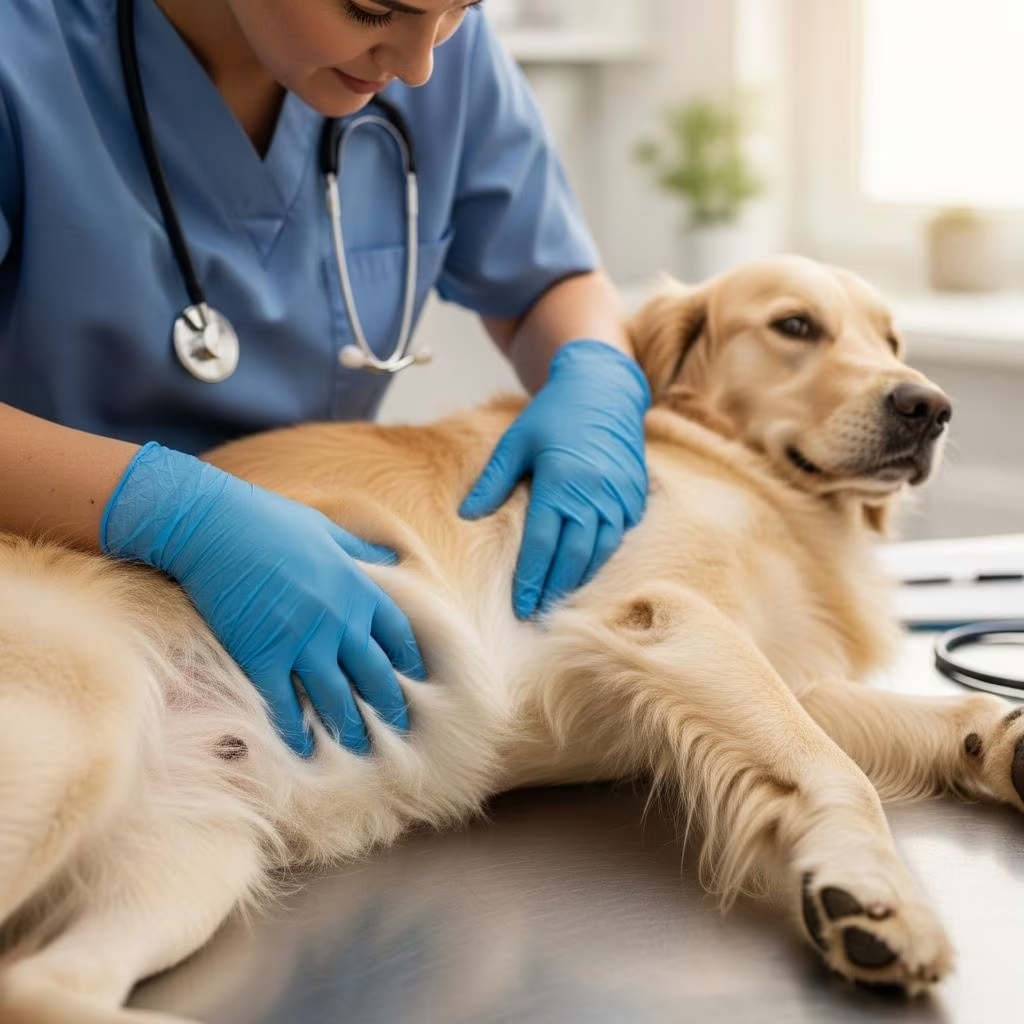
Benign Mammary Tumors in Dogs: Understanding Risk Factors and Prevention
Mammary tumors represent one of the most common health concerns affecting female dogs, with these growths capable of being either benign (non-cancerous) or malignant (cancerous). Understanding the distinction between these two forms is essential for pet owners, as they differ significantly in their diagnostic approaches, treatment protocols, management strategies, and long-term outcomes. Benign mammary tumors, while non-cancerous, still require prompt attention and professional veterinary evaluation to ensure appropriate care and prevent potential complications.
The development of mammary tumors in dogs is closely linked to reproductive status and hormonal exposure. Dogs that have been spayed prior to their first heat cycle (estrus) have only a 0.5% risk of developing mammary tumors during their lifetime. However, this risk increases dramatically after hormonal exposure. Dogs spayed between their first and second heat cycles face an 8% risk, while those spayed after their second heat cycle experience a substantially higher 26% risk of developing mammary tumors. This clear correlation between spaying timing and tumor development underscores the protective effect of early spaying in female dogs.
Genetic predisposition plays a significant role in mammary tumor development, with certain breeds appearing more frequently affected than others. Chihuahuas, Poodles, Dachshunds, Yorkshire Terriers, Cocker Spaniels, Brittany Spaniels, English Setters, Boxer Dogs, and Doberman Pinschers are among the breeds with higher incidence rates. While research in veterinary medicine continues to advance, scientists still have limited understanding of the specific genes and mutations responsible for mammary tumor development in canines. Interestingly, human medicine has identified a clear relationship between the BRCA gene (breast cancer gene) and breast cancer development, and ongoing research suggests there may be similar genetic links in dogs, though more studies are necessary to confirm these connections.
Understanding Mammary Tumor Characteristics
Female dogs possess four to five pairs of mammary glands distributed along their abdomen, and multiple tumors affecting more than one gland are exceptionally common. Mammary tumors occur in male dogs but remain uncommon, and when they do develop in males, they are almost always malignant. The caudal (rear) mammary glands are affected more frequently than the cranial (front) glands, making regular physical examinations of the entire mammary chain important for early detection.
A critical aspect of mammary tumor management is understanding that dogs can simultaneously have both benign and malignant tumors. Additionally, dogs with benign mammary tumors face an increased risk of developing malignant tumors in the future. Current veterinary evidence suggests that malignant tumors may develop from pre-existing benign tumors, emphasizing why complete surgical removal and thorough histopathological analysis of all detected tumors is crucial.
Diagnostic Procedures and Evaluation
Proper diagnosis of benign mammary tumors requires a comprehensive veterinary examination and multiple diagnostic tools. When your veterinarian detects a mammary mass, they will typically recommend either a biopsy (surgical excision of a tissue sample from the tumor) or complete removal of the entire tumor. The extracted tissue is then examined by a veterinary pathologist under microscopic analysis through a process called histopathology.
Histopathological examination serves multiple critical functions beyond simple diagnosis. This microscopic analysis not only confirms whether a tumor is benign or malignant but also provides valuable information about how the tumor is likely to behave, its growth potential, and the risk of recurrence. This information is essential for determining the appropriate treatment plan and establishing realistic expectations for your pet’s prognosis.
For cases where malignancy is suspected, further investigation becomes necessary before proceeding with surgical removal. Your veterinarian may recommend a comprehensive staging workup that includes:
- Chest X-rays to evaluate the lungs for potential metastatic spread
- Abdominal ultrasound to assess internal organs
- Fine needle aspiration (FNA) sampling of local lymph nodes associated with the mammary glands
- Blood work and urinalysis to evaluate overall health status
This thorough diagnostic approach ensures that any potential spread of cancerous cells is identified before treatment planning begins, allowing your veterinarian to recommend the most appropriate and effective treatment strategy.
Treatment Options for Benign Mammary Tumors
Surgery represents the gold standard and most effective treatment for dogs with benign mammary tumors. The surgical approach is carefully tailored based on the size, location, and extent of the tumors. Possible surgical techniques include lumpectomy (removal of just the tumor), simple mastectomy (removal of a single affected gland), regional mastectomy (removal of multiple related glands), or radical mastectomy (removal of an entire mammary chain), or combinations of these approaches depending on the clinical situation.
If a biopsy was not performed prior to surgery to confirm that the mass is benign, the surgical excision must be considerably larger than the visible mass to ensure that all affected tissue is removed. This approach significantly reduces the risk of leaving behind any abnormal cells that could develop into problems. All tissue removed during surgery should be submitted for histopathological analysis to definitively determine the nature of the tumor and establish whether any additional treatment is necessary.
An important consideration during mammary tumor surgery is the concurrent ovariohysterectomy (spay procedure). If your dog is intact (not spayed) at the time of mammary tumor surgery, veterinarians strongly recommend performing an ovariohysterectomy simultaneously. This dual procedure removes the ovaries and uterus, thereby eliminating the source of hormonal stimulation that can promote both tumor recurrence and the development of new mammary tumors in the future. The concurrent procedure is both practical and beneficial, as it requires only one anesthetic episode and recovery period while providing significant long-term protective benefits.
Post-Operative Care and Recovery
Following surgical removal of benign mammary tumors, proper post-operative care is essential for optimal healing and recovery. Your veterinarian will provide specific instructions regarding wound care, activity restrictions, and any necessary medications. Most dogs recover well from mammary tumor surgery, particularly when the tumors are confirmed to be benign through histopathology.
Activity should be restricted during the initial healing period, typically two to three weeks, to prevent complications such as seroma formation (fluid accumulation at the surgical site) or wound dehiscence (opening of the surgical incision). Pain management medications may be prescribed to keep your dog comfortable during recovery. Your veterinarian will schedule follow-up examinations to monitor the incision healing and address any concerns that may arise.
Prognosis and Long-Term Outlook
The prognosis for dogs with benign mammary tumors is excellent. Most dogs recover fully from surgery without complications and enjoy a normal lifespan. The key to maintaining this positive prognosis involves consistent monitoring and prompt attention to any new masses that may develop. Regular physical examinations of the mammary glands, ideally performed monthly by the pet owner and during routine veterinary visits, enable early detection of any potential new tumors.
It is important to remember that the presence of one benign tumor increases the likelihood of developing additional tumors, either benign or malignant, in the future. This reality emphasizes the importance of ongoing vigilance and communication with your veterinarian about any new lumps, bumps, or changes in the mammary glands.
Prevention and Risk Reduction Strategies
While not all mammary tumors can be prevented, certain measures can significantly reduce your dog’s risk of developing these growths. The most effective prevention strategy is early spaying before the first heat cycle. Dogs spayed at six months of age or younger have a dramatically reduced risk of 0.5% compared to intact females. For dogs not spayed early, spaying between heat cycles can still provide benefit, though the protective effect is less dramatic.
Maintaining a healthy weight through proper nutrition and regular exercise contributes to overall health and may help reduce various health risks. Prompt veterinary attention to any suspicious lumps or changes in the mammary tissue ensures early detection and intervention when problems do occur. Additionally, keeping detailed records of any lumps found during home examinations helps your veterinarian track changes over time and make informed decisions about when intervention is necessary.
Key Differences Between Benign and Malignant Mammary Tumors
Understanding the distinction between benign and malignant mammary tumors is essential for pet owners navigating this health concern. While benign tumors are non-cancerous and typically confined to a localized area, malignant tumors have the potential to spread to distant organs through metastasis. Approximately 50% of all canine mammary tumors are malignant, meaning that the other 50% are benign, highlighting why histopathological diagnosis is critical for determining appropriate treatment and establishing accurate prognosis.
Benign tumors generally grow slowly and do not spread to other parts of the body. They respond well to surgical removal and have an excellent prognosis when completely excised. Malignant tumors, by contrast, may require additional treatments such as chemotherapy or radiation therapy beyond surgery, depending on their grade, stage, and whether evidence of metastasis is present.
Frequently Asked Questions About Benign Mammary Tumors in Dogs
Q: How often should I examine my dog’s mammary glands for lumps?
A: It is recommended to perform a thorough mammary examination monthly at home, feeling along the entire length of each mammary chain. Additionally, your veterinarian should examine your dog’s mammary glands during routine wellness visits, typically annually or semi-annually depending on age and health status.
Q: If my dog has a benign tumor, will she develop more tumors in the future?
A: Dogs with benign tumors do have an increased risk of developing additional tumors in the future, whether benign or malignant. Regular monitoring and early intervention are important for managing this ongoing risk.
Q: Is spaying effective in preventing mammary tumors?
A: Yes, spaying is highly effective at preventing mammary tumors, particularly when performed before the first heat cycle. Dogs spayed before their first estrus have only a 0.5% lifetime risk of developing mammary tumors.
Q: What is the typical recovery time after mammary tumor surgery?
A: Most dogs recover within two to three weeks following mammary tumor surgery. Full healing of the incision typically occurs within this timeframe, though activity should remain restricted during this period to prevent complications.
Q: Can male dogs develop mammary tumors?
A: Yes, male dogs can develop mammary tumors, though it is uncommon. When mammary tumors do occur in male dogs, they are almost always malignant rather than benign.
Q: Will my dog need chemotherapy if she has a benign mammary tumor?
A: Chemotherapy is not typically recommended for benign mammary tumors. Surgery is usually the only treatment needed if the tumor is confirmed to be benign through histopathology and there is no evidence of spread.
Q: Should I have my intact dog spayed if she has a benign mammary tumor?
A: Yes, veterinarians strongly recommend concurrent ovariohysterectomy (spaying) when treating benign mammary tumors in intact females. This procedure removes the source of hormonal stimulation that can promote tumor recurrence and development of new tumors.
References
- Benign Mammary Tumors in Dogs — VCA Animal Hospitals. Accessed November 28, 2025. https://vcahospitals.com/know-your-pet/mammary-tumors-in-dogs-benign
- Mammary Cancer — Cornell University College of Veterinary Medicine, Riney Canine Health Center. Accessed November 28, 2025. https://www.vet.cornell.edu/departments-centers-and-institutes/riney-canine-health-center/canine-health-information/mammary-cancer
- Mammary Tumors in Dogs — Merck Veterinary Manual. Accessed November 28, 2025. https://www.merckvetmanual.com/reproductive-system/mammary-tumors-in-dogs/mammary-tumors-in-dogs
- Medical Oncology: Canine Mammary Tumors — North Carolina State University College of Veterinary Medicine. Accessed November 28, 2025. https://hospital.cvm.ncsu.edu/services/small-animals/cancer-oncology/oncology/canine-mammary-tumors/
- Mammary Tumors — American College of Veterinary Surgeons. Accessed November 28, 2025. https://www.acvs.org/small-animal/mammary-tumors/
- Mammary Cancer in Dogs and Cats: What Every Pet Owner Should Know — Morris Animal Foundation. Accessed November 28, 2025. https://www.morrisanimalfoundation.org/article/mammary-cancer-in-dogs-and-cats



