

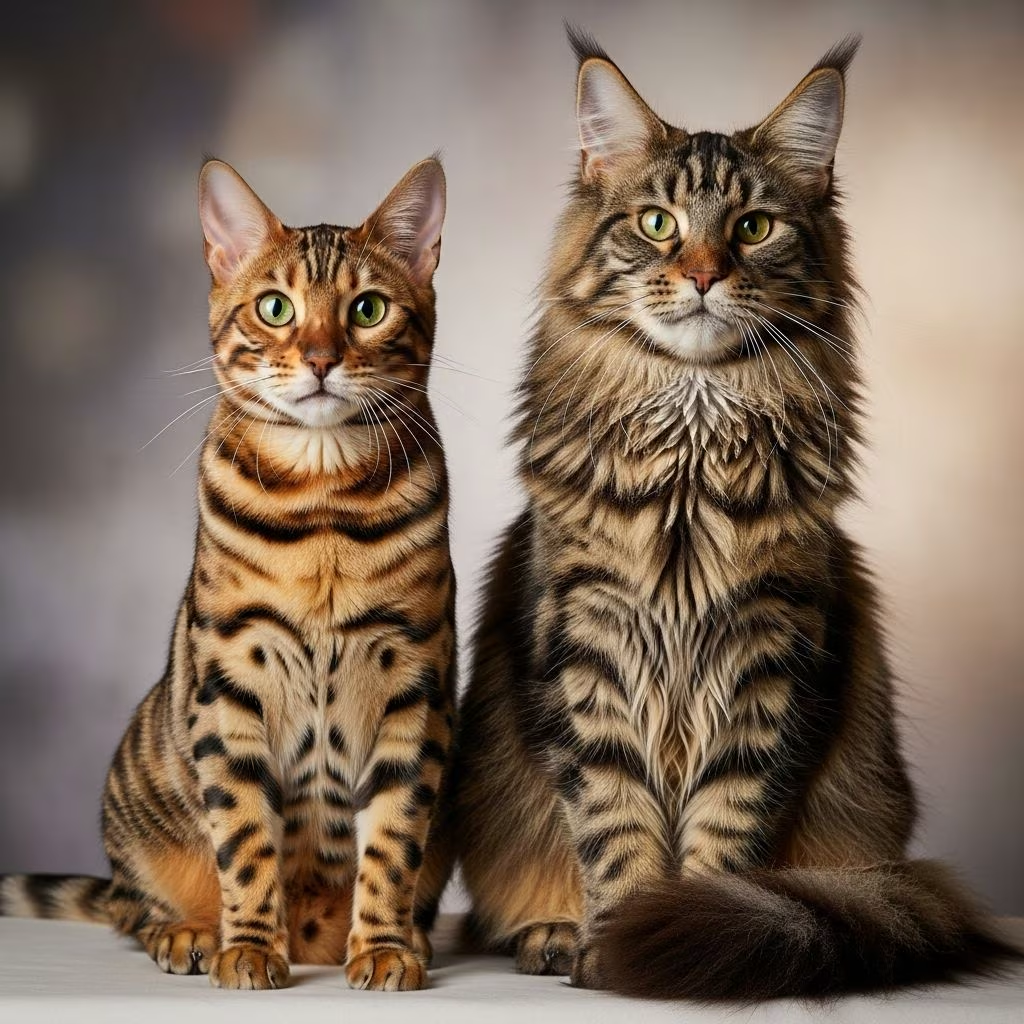
Choosing between a Bengal and a Maine Coon involves weighing their distinct traits, from physical builds to daily care demands. Bengals offer high-energy companionship with a wild look, while Maine Coons provide calm, affectionate presence in a massive frame. This guide breaks down their origins, appearances, behaviors, and suitability for various homes.
Origins and Historical Development
The Bengal breed emerged from crosses between domestic cats and the Asian leopard cat in the 1970s, aiming to capture exotic patterns in a pet-friendly package. Breeders focused on blending wild aesthetics with tame personalities, resulting in a cat that retains a spotted, marbled coat reminiscent of jungle felines.
Maine Coons, by contrast, trace roots to 19th-century New England, where they developed naturally as rugged farm cats. Legends link them to ships carrying longhaired cats from Europe or even Captain Coon, but their evolution suited harsh winters, producing large, hardy survivors prized for mousing.
Physical Characteristics and Size Variations
Bengals display a sleek, muscular physique optimized for agility. Males typically reach 10-15 pounds, females 8-12 pounds, with bodies stretching 15-20 inches tall at the shoulder. Their short, glossy coats feature bold spots or rosettes, accented by a contrasting colored belly and whisker pads.
Maine Coons dwarf many breeds as one of the largest domestics. Males often exceed 18 pounds, up to 25 in exceptional cases, with females around 12-15 pounds. They measure 35-40 inches in length including tail, boasting rectangular bodies, tufted ears, and bushy tails.
| Feature | Bengal | Maine Coon |
|---|---|---|
| Average Weight (Males) | 10-15 lbs | 13-18+ lbs |
| Average Weight (Females) | 8-12 lbs | 8-15 lbs |
| Body Type | Lean, athletic | Long, sturdy, rectangular |
| Coat Length | Short, sleek | Medium-long, shaggy |
| Distinct Markings | Spots/rosettes | Tufted ears, bib |
Temperament and Behavioral Profiles
Bengals thrive on action, exhibiting dog-like loyalty mixed with feline independence. They demand engagement through tricks, puzzles, and exploration, often chirping or trilling to communicate needs. Their intelligence shines in problem-solving, like unlatching doors, but requires owners committed to stimulation.
Maine Coons embody “gentle giants,” offering patient, sociable vibes. They follow families without clinginess, excelling at reading emotions for comforting cuddles. Playful yet relaxed, they enjoy fetch or wand toys but adapt to quieter routines, making them ideal for multi-pet homes.
- Bengal strengths: Highly trainable, adventurous, interactive
- Bengal challenges: Vocal, high prey drive, separation anxiety prone
- Maine Coon strengths: Tolerant, affectionate, adaptable
- Maine Coon challenges: Can be overweight if inactive
Daily Care and Grooming Requirements
Bengals suit low-maintenance lifestyles with their short coats needing weekly brushing. They shed minimally, self-groom efficiently, and rarely mat, freeing time for play over fur control.
Maine Coons demand dedication due to thick, water-resistant fur. Daily combing prevents mats around the ruff and hindquarters, especially during biannual shedding peaks. Their coat traps debris, so baths or professional grooming help seasonally.
Exercise, Play, and Activity Demands
Bengals require vigorous outlets like climbing towers, laser chasers, and training sessions to channel boundless energy. Without ample activity, they may grow destructive or overly vocal. Aim for 30-60 minutes daily of intense interaction.
Maine Coons prefer moderate, leisurely play matching family paces. They relish gentle pursuits like batting balls or perching high, balancing activity with lounging. Interactive toys suffice without exhausting owners.
Health Considerations and Longevity
Bengals generally live 12-16 years, prone to hypertrophic cardiomyopathy (HCM) and progressive retinal atrophy (PRA). Regular vet checks and genetic screening from reputable breeders mitigate risks. Their athletic build resists obesity if exercised.
Maine Coons average 12-15 years, facing hip dysplasia, spinal muscular atrophy (SMA), and HCM. Their size contributes to joint issues, so weight management and joint supplements prove essential. Early spaying/neutering aids health.
| Health Aspect | Bengal | Maine Coon |
|---|---|---|
| Common Conditions | HCM, PRA | HCM, hip dysplasia, SMA |
| Lifespan | 12-16 years | 12-15 years |
| Weight Management | Easy with activity | Critical due to size |
Suitability for Families, Kids, and Other Pets
Bengals energize active homes with kids who match their vigor, bonding tightly through play. They coexist with dogs if socialized early but chase small animals due to instincts. Not ideal for constant solitude.
Maine Coons shine in diverse families, patiently enduring toddler handling. Their size deters injury, and sociable natures foster harmony with pets and seniors. Apartment-dwellers appreciate their climate adaptability.
Nutrition, Feeding, and Diet Tips
Bengals metabolize quickly, benefiting from high-protein, grain-free kibble supporting lean muscle. Portion control prevents overeating during play lulls; feed 2-3 meals daily.
Maine Coons need calorie-dense, joint-supportive formulas given their mass. Split meals curb obesity, supplementing with omega-3s for coat and heart health. Wet food aids hydration.
Training Potential and Mental Enrichment
Bengals excel in obedience, mastering fetch, leash walks, and agility. Puzzle feeders and clicker training harness curiosity, reducing mischief.
Maine Coons respond to positive reinforcement for basics like litter use. They favor emotional bonds over complex commands, thriving on affection-based enrichment.
Space, Environment, and Living Arrangements
Bengals demand vertical space—catios, shelves, trees—for leaping. They tolerate apartments with outdoor access but chafe in confinement.
Maine Coons adapt broadly, from farms to condos, prizing cozy spots. Their hardiness handles cold, though drafts suit their fur.
Cost of Ownership and Initial Investments
Bengal kittens from ethical breeders cost $1,500-$3,000, plus gear for activity. Annual expenses: $800-$1,200 (food, vet, toys).
Maine Coons range $1,000-$2,500, with grooming tools adding up. Yearly: $1,000-$1,500, factoring premium food and checkups.
Pros and Cons: Side-by-Side Evaluation
- Bengal Pros: Stunning looks, intelligent, low-shed
- Bengal Cons: Demanding exercise, vocal, not solo-friendly
- Maine Coon Pros: Loving, family-oriented, versatile
- Maine Coon Cons: High grooming, potential health costs
Choosing Your Ideal Companion
Opt for Bengals if craving adventure and daily engagement; they reward active owners with thrilling bonds. Select Maine Coons for serene loyalty and easygoing vibes suiting varied households. Both demand responsible breeding for health.
Frequently Asked Questions
Which breed is better for apartments?
Maine Coons adapt well despite size, while Bengals need space for antics.
Do they get along with dogs?
Both can, with proper intros; Bengals match high-energy dogs best.
How much do they shed?
Bengals minimally; Maine Coons heavily seasonally.
Are they good with kids?
Maine Coons excel; Bengals suit older, active children.
What’s their water affinity?
Both enjoy baths unusually for cats.
References
- Bengal vs MaineCoon Cat What’s the Difference — Majestic Meows. 2023. https://www.majesticmeows.co.uk/bengal-vs-mainecoon-cat-what-s-the-difference/
- Bengal Cat vs Maine Coon Ultimate Feline Showdown — Purebred Kitties. 2024. https://purebredkitties.com/blogs/purebred-cats-care/bengal-cat-vs-maine-coon
- Bengal Cat vs. Maine Coon: Main Differences (With Pictures) — Catster. 2024-01-15. https://www.catster.com/cat-breeds/bengal-cat-vs-maine-coon/
- Maine Coon or Bengal? — Maine Coons Bengals of ThenC. 2023. https://www.mainecoonsbengalsofthenc.com/post/maine-coon-or-bengal



