

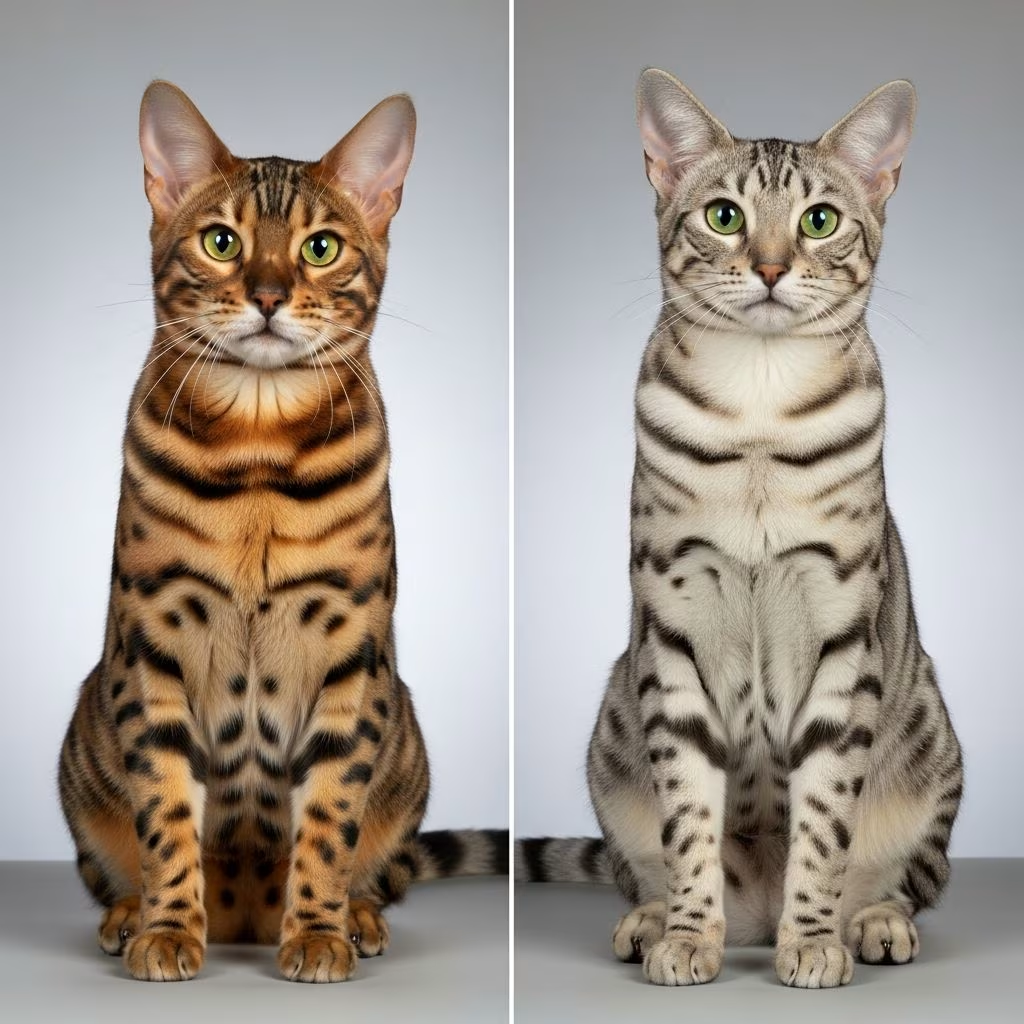
When searching for an unusual and visually striking cat, prospective owners often find themselves comparing two exceptional breeds: the Bengal and the Egyptian Mau. Both cats possess distinctive spotted or patterned coats, athletic builds, and vibrant personalities that set them apart from standard domestic felines. However, despite their superficial similarities, these two breeds have evolved along different paths and possess unique characteristics that make them suitable for different types of households.
Understanding the distinctions between these two breeds is crucial for anyone considering adding one to their family. This comprehensive guide examines their physical attributes, behavioral traits, health considerations, and care requirements to help you determine which breed aligns best with your lifestyle and preferences.
The Physical Profile: How These Breeds Stand Apart
Size and Build Characteristics
The Bengal cat presents a more substantial and muscular physique compared to its Egyptian Mau counterpart. Bengals typically weigh between 8 to 15 pounds and stand 9 to 10 inches tall, with a robust frame that reflects their partial ancestry from the Asian Leopard Cat. Their bodies are constructed for power and agility, featuring well-developed muscles throughout their frame.
The Egyptian Mau, by contrast, maintains a more delicate and refined appearance despite its considerable strength. This breed weighs significantly less, ranging from 6 to 14 pounds, and stands approximately 8 to 10 inches tall. The Mau’s distinctive characteristic is how its hind legs appear slightly longer than the front legs, creating an optical illusion of standing perpetually on tiptoes.
Facial Features and Head Structure
Bengal cats display a broad head with a modified wedge shape that is longer than it is wide, featuring rounded contours. Their ears are medium to small in size, positioned toward the sides of the head rather than at the crown. The eyes are notably large and nearly round, conveying an alert and intelligent expression. A long, muscular neck connects the head gracefully to the body.
The Egyptian Mau possesses a slightly rounded wedge-shaped head topped with medium to large ears. What truly distinguishes the Mau’s face, however, are its remarkable gooseberry-green eyes, which represent perhaps the most distinctive feature of the breed. Additionally, the Mau exhibits natural facial markings that resemble the ancient Egyptian eye makeup known as kohl, or mascara-like stripes.
Coat Patterns and Coloration
The Bengal cat showcases coat patterns that can be either spotted or marbled, with spots appearing randomly placed across the body or swirling patterns reminiscent of wild ocelots. Available colors include golden brown, silver, charcoal, and snow variations, each with high-contrast markings. Bengals typically feature white bellies and chins, with their coats displaying a distinctive glowing quality.
The Egyptian Mau is recognized as the only naturally spotted domestic cat breed, featuring a unique spotted pattern across its body combined with stripes and bands on its legs and tail. The Mau’s coat comes in silver, bronze, or smoke colors, with the smoke variety featuring pale silver fur tipped with black. This combination of spots and facial markings creates an unmistakably ancient and mystical appearance.
Personality and Behavioral Differences
Activity Level and Playfulness
Both breeds exhibit exceptional energy levels and require substantial daily stimulation. The Bengal is particularly renowned for its high intelligence and constant activity, earning recognition as one of the most mentally and physically demanding domestic cat breeds. These cats engage enthusiastically in games, including fetch, and demonstrate remarkable aptitude for learning tricks. Their nimble paws function almost like hands, and owners often joke that Bengals would dominate if they possessed opposable thumbs.
The Egyptian Mau matches the Bengal’s need for play and exercise, though expressing it through slightly different channels. Maus demonstrate their happiness through vocalizations called chortling, tail swishing, and kneading with their front paws. Both breeds become bored easily and are considered high-maintenance in terms of enrichment needs, possessing a tendency toward vocalization and frequent communication.
Social Temperament and Family Bonds
The Bengal cat exhibits remarkable fondness for its human family members, often following them throughout the home like a devoted companion. Despite their wild appearance suggesting an untamed nature, Bengals show little sign of their Asian Leopard Cat ancestry in their behavior toward humans. These cats enjoy social interaction and thrive in environments where they receive consistent attention and engagement. Bengals are notably sociable and typically enjoy the company of other animals, including dogs.
The Egyptian Mau, while equally loving toward its family, takes a more reserved approach to social interactions. Maus tend to be somewhat wary of strangers and can experience stress during household changes or unexpected visits. This breed is often described as a one-person cat, showing intense devotion to primary caregivers while maintaining a degree of independence from others in the household. However, when the Mau does bond with family members, that attachment proves fiercely loyal and deep.
Unique Behavioral Traits
Both breeds share an unusual affinity for water that distinguishes them from most felines. You may observe either breed intently watching dripping faucets or even attempting to play in water bowls and fish tanks. This behavior suggests these cats maintain stronger connections to water-based hunting instincts than typical domestic cats.
Regarding hunting prowess, both breeds demonstrate exceptional skill. The Egyptian Mau particularly enjoys showcasing its hunting abilities by chasing and retrieving tossed toys or pouncing on moving lures. Owners of either breed must exercise caution with small pets, especially fish and rodents, as both cats possess strong predatory instincts.
Health Considerations and Genetic Concerns
Bengal-Specific Health Issues
Bengals can develop several inherited health conditions that prospective owners should understand. These include progressive retinal atrophy, an eye disease that can lead to vision loss. Additionally, Bengals may experience hypertrophic cardiomyopathy, a form of heart disease. Joint problems such as patellar luxation and hip dysplasia can occur, potentially affecting mobility and quality of life. Some Bengals also carry the gene for pyruvate kinase deficiency, which causes anemia.
Egyptian Mau Health Vulnerabilities
The Egyptian Mau faces its own set of health challenges. Pyruvate kinase deficiency, leading to anemia, represents a significant concern in some lines. A neurological condition known as leukodystrophy has been documented in the breed. Additionally, some Maus develop umbilical hernias, particularly in certain breeding lines. The breed’s more delicate frame may also make them more susceptible to injury compared to sturdier breeds.
Preventative Care and Breeder Selection
Prospective owners should discuss health screening and genetic testing with breeders before acquiring either breed. Responsible breeders can provide documentation of health clearances for both parents, helping reduce the likelihood of inherited conditions. Regular veterinary checkups become especially important for these pedigree breeds, allowing early detection and management of potential health issues.
Grooming Requirements and Maintenance
Both breeds feature short coats requiring relatively minimal grooming compared to long-haired cats. The Bengal has moderate grooming needs, benefiting from regular brushing to maintain coat health and manage shedding. The Egyptian Mau’s short fur proves slightly easier to maintain, with low grooming demands. Neither breed requires frequent bathing, though their affinity for water might make the occasional bath less stressful than with typical cats.
Exercise and Enrichment Needs
Both Bengals and Egyptian Maus require a minimum of 30 minutes of daily exercise. These cats thrive with interactive toys, puzzle feeders, and climbing structures. Many owners find success with cat trees, laser toys, and fishing pole-style toys that mimic the hunting behaviors these breeds naturally perform. Some owners even train their Bengals to walk on leashes, providing additional outdoor enrichment opportunities.
Comparative Overview Table
| Characteristic | Bengal Cat | Egyptian Mau |
|---|---|---|
| Weight Range | 8-15 pounds | 6-14 pounds |
| Height | 9-10 inches | 8-10 inches |
| Lifespan | 12-16 years | 12-15 years |
| Coat Type | Spotted or marbled | Naturally spotted |
| Coat Colors | Golden, silver, charcoal, snow | Silver, bronze, smoke |
| Eye Color | Gold, green, blue | Gooseberry green |
| Temperament | Outgoing, sociable | Reserved, wary of strangers |
| Grooming Needs | Moderate | Low |
| Exercise Requirements | 30+ minutes daily | 30+ minutes daily |
Making Your Decision: Which Breed Is Right for You?
Choose a Bengal If You:
- Enjoy an interactive, attention-demanding companion that follows you throughout your home
- Have time to engage in frequent play sessions and mental stimulation activities
- Appreciate a cat that bonds equally with all family members and guests
- Prefer a more robust, larger-framed cat
- Are interested in training your cat to perform tricks or walk on a leash
- Want a cat that enjoys socialization with other pets, including dogs
Choose an Egyptian Mau If You:
- Prefer a more independent cat that maintains strong bonds with select family members
- Appreciate a cat that exhibits reserved behavior toward strangers and changes
- Want a slightly smaller, more delicate-framed companion
- Value minimal grooming requirements
- Have a stable household with minimal disruptions or visitors
- Appreciate the distinctive appearance of naturally spotted coats and facial markings
Frequently Asked Questions
Are Bengals and Egyptian Maus related breeds?
While both breeds share spotted coat patterns, they have distinct origins. However, some sources indicate that Bengals were created by breeding the Asian Leopard Cat with domestic cats, and the Egyptian Mau was incorporated into some Bengal breeding lines. This complex ancestry explains some behavioral and physical similarities between the breeds.
Which breed is better for families with children?
Both breeds are family-friendly. However, Bengals’ more outgoing and adaptable nature may make them better suited to active families with multiple children. Egyptian Maus may thrive better in calmer households where they can bond intensely with specific family members.
Can either breed live outdoors?
Both breeds require secure, supervised outdoor spaces rather than free roaming. Their strong hunting instincts and value as pedigree cats make them vulnerable to theft or predation.
How much do these breeds cost?
Both Bengals and Egyptian Maus are expensive pedigree breeds, typically ranging from $1,000 to $3,000 or more from reputable breeders. This reflects their rarity and the ethical breeding practices necessary to maintain breed health.
Do these cats require special diets?
While not requiring specially formulated diets, both breeds benefit from high-quality protein-rich foods that support their active lifestyles and muscular builds. Consultation with a veterinarian ensures optimal nutrition for individual cats.
Conclusion: Two Remarkable Breeds, Different Needs
The Bengal and Egyptian Mau both offer distinctive beauty, remarkable intelligence, and engaging personalities that captivate cat enthusiasts worldwide. While they share enthusiasm for play, athletic ability, and water-loving tendencies, their differences in sociability, size, and temperament make them suitable for different households. The Bengal excels as a highly interactive family companion that craves constant engagement and enjoys being the center of attention. The Egyptian Mau, conversely, offers devoted companionship to a select group while maintaining an air of mystery and independence.
By carefully evaluating your lifestyle, household composition, and preferences for feline interaction, you can determine which of these extraordinary breeds will thrive in your home. Both options promise years of enrichment, entertainment, and unique companionship that standard domestic cats rarely provide.
References
- Bengal Cat vs. Egyptian Mau Cat Comparison — Bengal Cat VS. Egyptian Mau Cat. 2024. Retrieved from https://www.youtube.com/watch?v=J-qVqGXsY9Y
- Egyptian Mau vs Bengal Cat — The Happy Cat Site. Retrieved from https://www.thehappycatsite.com/egyptian-mau-vs-bengal/
- Bengal vs. Egyptian Mau: Differences Explained — Hepper. Retrieved from https://articles.hepper.com/bengal-vs-egyptian-mau/



