

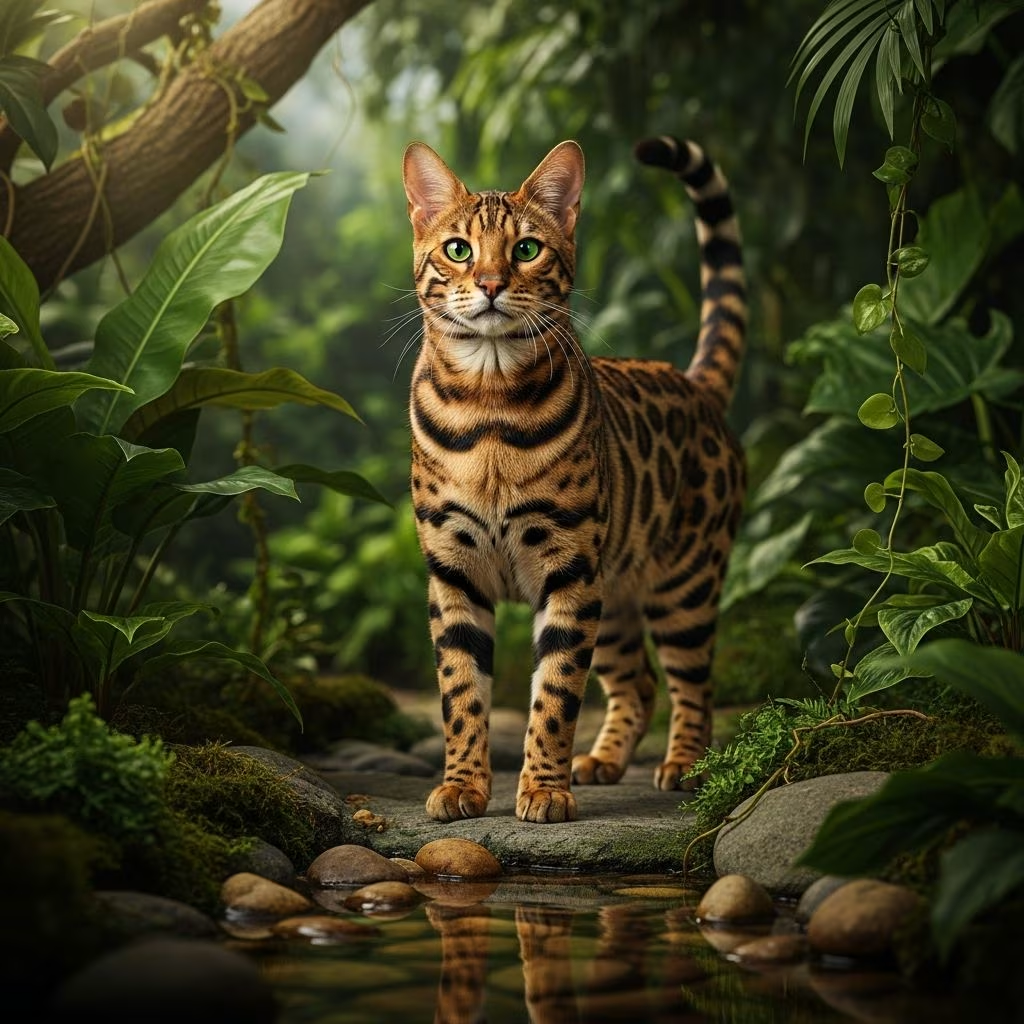
Blending the wild allure of two iconic hybrid breeds, the Bengal Savannah mix creates a captivating feline with striking patterns, boundless energy, and dog-like loyalty. These cats inherit the best from their Bengal and Savannah parents, offering owners an adventurous pet experience unlike traditional domestic cats.
Origins and Development of the Hybrid
The Bengal Savannah hybrid emerged in the late 20th century as breeders sought to combine the glamorous coats and spirited nature of Bengals with the tall, elegant stature of Savannahs. Bengals trace their roots to crosses between domestic cats and the Asian leopard cat, resulting in their signature marbled or spotted patterns. Savannahs, meanwhile, stem from pairings of domestic cats and the African serval, producing long-legged cats with oversized ears and bold spots.
This intentional crossbreeding aims to produce kittens that are roughly 50% Bengal and 50% Savannah, though ratios can vary based on parentage, sometimes leaning 75/25 toward one breed. Developed primarily in the 1990s, these mixes remain relatively new and not yet fully standardized by major cat registries, making each litter a unique blend of traits.
Physical Appearance and Size Variations
Bengal Savannah mixes stand out with their athletic builds, often measuring 10 to 18 inches tall at the shoulder and weighing 12 to 17 pounds on average. Males tend to be larger, echoing the serval influence in Savannahs, while females remain sleek and agile. Their coats feature black, brown, silver, or reddish hues adorned with rosettes, spots, or marbled designs that shimmer in the light.
| Trait | Range | Notes |
|---|---|---|
| Height | 10–18 inches | Taller in F1 generations closer to serval ancestry |
| Weight | 12–17 lbs | Males heavier; influenced by parent ratios |
| Lifespan | 7–15 years | Proper care extends toward upper end |
| Coat Patterns | Spotted, rosetted, marbled | Brown, black, silver bases common |
These cats often display large ears, long necks, and muscular legs, giving them a miniature wild cat silhouette. Coat length is short and plush, requiring minimal grooming but highlighting their exotic heritage.
Parent Breeds: Understanding the Genetics
The Bengal Influence
Bengals, weighing 8 to 17 pounds with a 10- to 16-year lifespan, bring vocal personalities and water-loving tendencies to the mix. Their Asian leopard cat ancestry imparts high intelligence, trainability, and a chatty demeanor, making them outgoing explorers.
The Savannah Contribution
Savannahs range from 12 to 25 pounds and live 12 to 20 years, inheriting the serval’s lean frame, spotted coat, and dog-like behaviors such as leash walking and following owners room-to-room. They are skittish yet loyal, with strong jumping abilities and prey drives.
When crossed, these traits merge: Bengals add boldness and playfulness, while Savannahs contribute size and athleticism. Later generations (F3+) show more domestic stability, reducing wilder impulses.
Temperament and Behavioral Traits
Expect a high-octane companion: intelligent, active, talkative, and eager to learn tricks like fetch or leash training. These hybrids thrive on interaction, often shadowing owners and demanding play sessions. Their confidence shines in new environments, but early socialization curbs shyness.
- Energetic Playfulness: Hours of zooming, climbing, and pouncing daily.
- Vocal Expression: Bengals contribute meows and chirps; mixes are notably noisy.
- Trainability: Respond well to clicker training and commands.
- Affectionate Bonds: Loyal to family, forming deep attachments.
However, their wild roots can lead to growling during play, furniture scratching, or high prey drives. Mental stimulation via puzzle toys prevents boredom-induced mischief.
Are They Suitable for Families?
Yes, for active households. These cats adore children, engaging in games and tolerating roughhousing if socialized young. Supervise interactions due to their size and vigor to avoid scratches or knocks.
They mesh with other cats and tolerant dogs but may chase smaller pets like rodents or birds. Single owners or couples appreciate their entertaining antics, but sedentary homes may struggle with their needs.
Health Considerations and Lifespan
With lifespans of 7 to 15 years, hybrids face risks from parent breeds: hypertrophic cardiomyopathy (HCM) in Bengals and pyruvate kinase deficiency in Savannahs. Regular vet checkups, including cardiac ultrasounds, are essential. Their active lifestyle bolsters heart health, but obesity from overfeeding shortens lives.
- Provide a raw or high-protein diet mimicking wild ancestors.
- Screen for genetic issues via breeder health testing.
- Watch for dental problems common in large breeds.
Care Essentials for Thriving Hybrids
Exercise and Enrichment
Daily sessions of 30–60 minutes: harness walks, interactive wands, or cat wheels. Vertical spaces like tall cat trees satisfy climbing urges.
Grooming Routine
Weekly brushing removes loose fur; baths are rare but enjoyed by water-loving individuals. Nail trims biweekly prevent destructive scratching.
Dietary Needs
High-quality, grain-free kibble or raw diets with 40%+ protein support muscle maintenance. Portion control counters large appetites; fresh water fountains appeal to their playful side.
Training Tips for Success
Leverage their smarts: Use positive reinforcement for litter habits, leash etiquette, and recall. Start young to channel energy positively. Many learn to high-five or retrieve toys, rivaling dogs.
Unique Quirks of Bengal Savannah Mixes
- Water Enthusiasts: Bengals pass on splashing in baths or chasing faucets.
- Dog-Like Devotion: Savannah traits mean shadowing owners and greeting at doors.
- Leash Adventures: Excel outdoors on harnesses, loving hikes.
- Sibling Play: Pairs bond tightly, wrestling endlessly.
Bringing Home a Bengal Savannah Mix
Seek reputable breeders providing health guarantees, pedigrees, and socialization records. Avoid impulse buys; prepare for commitment. Adoption from rescues is rare but growing for later generations.
Pros and Cons Overview
| Pros | Cons |
|---|---|
| Stunning, unique appearance | High energy demands time |
| Highly intelligent and trainable | Potential wild behaviors like spraying |
| Loving with family and kids | Strong prey drive |
| Low grooming needs | May be vocal or destructive if bored |
| Long lifespan with care | Costly to acquire and maintain |
Frequently Asked Questions (FAQs)
Can Bengal Savannah mixes be kept indoors only?
Yes, with ample enrichment like window perches and toys, but they crave adventure—leash training expands their world safely.
Are they hypoallergenic?
No, short coats shed moderately; regular brushing helps allergy sufferers.
How much do they cost?
$1,500–$5,000+, varying by generation and breeder reputation.
Do they get along with dogs?
Often yes, especially confident breeds; introduce gradually.
What’s the best food for them?
High-protein, raw-inspired diets; consult vets for tailored plans.
Final Thoughts on Owning a Hybrid
Bengal Savannah mixes transform homes into playgrounds of joy, demanding yet rewarding with their charisma and companionship. Ideal for dedicated owners ready for daily adventures, these cats bridge wild elegance and domestic bliss.
References
- Hybrid Cats | Savannah + Bengal breeds — The Suburban Adventuress. 2015-12. https://thesuburbanadventuress.com/2015/12/hybrid-cats-savannah-bengal-breeds/
- Bengal Savannah Cat Mix: Care Guide, Pictures, Info & More — Hepper. N/A. https://articles.hepper.com/bengal-savannah-cat-mix/
- Wild Cats at Home: A Guide to Understanding and Caring for Hybrid Cat Breeds Like Bengal and Savannah — Vital Essentials. N/A. https://www.vitalessentials.com/raw-guide/wild-cats-at-home-a-guide-to-understanding-and-caring-for-hybrid-cat-breeds-like-bengal-and-savannah—pros-and-cons
- Savannah cat — Wikipedia. N/A. https://en.wikipedia.org/wiki/Savannah_cat



