

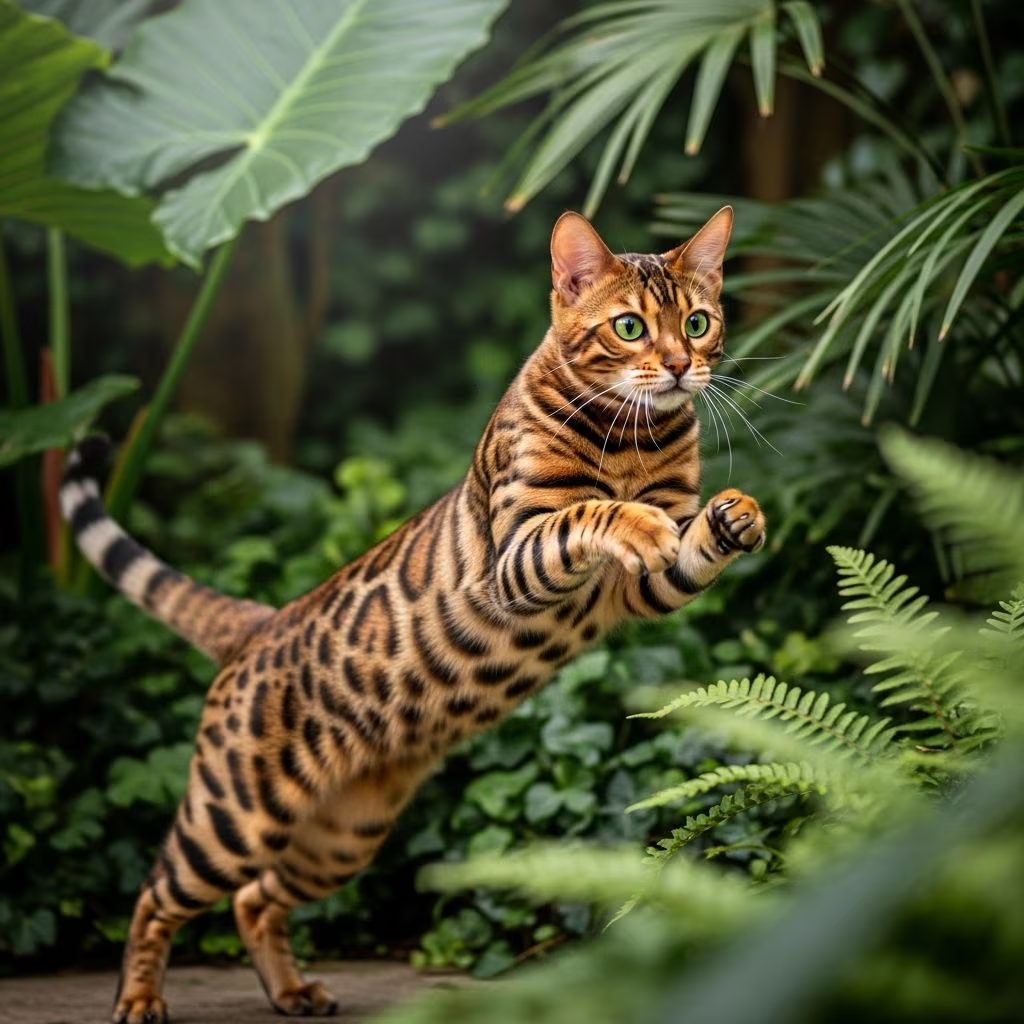
The Bengal cat stands out as one of the most captivating domestic breeds, blending the exotic allure of wild felines with the companionship of a house pet. Originating from a deliberate cross between domestic cats and the Asian leopard cat, Bengals bring a touch of the jungle into modern homes through their vivid markings, boundless energy, and sharp intellect.1 These cats are not just visually striking but also highly interactive, making them ideal for owners who crave an engaging pet experience.
Origins and Development of the Bengal Breed
The story of the Bengal cat begins in the 1960s when American breeder Jean Mill crossed a domestic cat with an Asian leopard cat (Prionailurus bengalensis), aiming to create a pet with the wild cat’s beauty but a gentle temperament.1 Early hybrids, known as Foundation 1 or F1 Bengals, closely resembled their wild ancestors in size and appearance but were often too feral for typical homes. Through selective breeding over generations—typically reaching pet quality at F4 or later—the breed evolved into the affectionate, domestic-friendly cats we know today.7
By the 1980s, Bengals gained recognition from cat fancies worldwide. The Governing Council of the Cat Fancy (GCCF) classifies them in Section 4 – Foreign – Group 3, noting their rise to popularity due to their muscular build and distinctive coats.3 Today, they rank among the top short-haired breeds, celebrated for retaining wild aesthetics without the untamed behavior.
Striking Physical Features
Bengals boast a physique that echoes their wild heritage. They have a medium to large frame, with males weighing 9-15 pounds and females 8-12 pounds, supported by a long, sleek, muscular body.46 Their hind legs are longer than the front, giving a higher rear end and enabling leaps up to three times their height.
The head is broad yet slightly longer than wide, featuring high cheekbones, a large nose with a puffed leather, and prominent whisker pads. Eyes are large and oval, slanted slightly, in shades of gold, green, hazel, or blue for snow variants.3 Ears are medium-sized with broad bases, and the tail is thick and medium-length.
| Feature | Description |
|---|---|
| Body Type | Muscular, athletic; hindquarters higher than shoulders |
| Coat Patterns | Spotted/rosetted, marbled, snow (colorpoint) |
| Size | Males: 9-15 lbs; Females: 8-12 lbs |
| Eyes | Gold, green, hazel; blue in snow Bengals |
The Iconic Coat Patterns
What truly sets Bengals apart is their coat. Unlike any other domestic breed, they display **rosette** patterns—delicate, leaf-shaped spots reminiscent of leopards, jaguars, and ocelots.1 Background colors include brown, black, snow (white/light with colorpoint), silver, and charcoal. Marbled coats feature swirling patterns, while spotted ones show clear, horizontal stripes or rosettes. The short, dense fur feels plush and luxurious, almost pelt-like, with minimal shedding.3
Personality and Behavior Traits
Bengals are far from typical lap cats; their temperament fuses curiosity, loyalty, and playfulness. Highly **intelligent**, they excel at learning tricks, responding to commands, and even leash walking—rarer skills among felines.14 Owners report Bengals opening doors, flipping switches, and solving puzzles with dexterous, hand-like paws.
These cats retain a **kitten-like energy** well into adulthood, demanding daily play to channel their athleticism. They love climbing to lofty perches, exploring tunnels, and using exercise wheels.3 Vocal and communicative, Bengals chirp, trill, and meow to engage their humans, forming strong bonds while remaining confident with strangers.5
- Active Explorer: Needs vertical space like cat trees and shelves.
- Social Butterfly: Thrives in family settings but may clash with other cats if territorial.2
- Water Enthusiast: Many enjoy splashing in baths or sinks, defying cat stereotypes.4
Training and Mental Stimulation
Harnessing a Bengal’s smarts requires proactive training. Start early with positive reinforcement for tricks like fetch, high-fives, or leash etiquette.4 Interactive toys, puzzle feeders, and agility courses prevent boredom-induced mischief. Their confidence makes them bold, but consistency curbs stubborn streaks.
Socialization from kittenhood ensures they greet guests warmly and adapt to multi-pet homes—though introductions to other cats should be gradual due to potential territoriality.2
Essential Care and Grooming Needs
Bengals need **high-activity environments**. Provide scratching posts, climbing gyms, and secure outdoor enclosures (never free-roam due to escape artistry and risks).1 Diet should be protein-rich to fuel their muscles; portion control combats obesity in less active adults.
Grooming is simple: weekly brushing enhances coat gloss, and occasional baths suit their water affinity. Check ears, teeth, and nails regularly. They produce fewer allergens, aiding mild allergy sufferers, though not fully hypoallergenic.4
Health Considerations for Bengal Owners
Bengals enjoy a lifespan of 12-16 years with proper care.3 Common concerns include:
- Hypertrophic Cardiomyopathy (HCM): Heart condition; screen via echo from reputable breeders.
- Progressive Retinal Atrophy (PRA): Genetic blindness; DNA tests available.
- Patellar Luxation: Knee issues in some lines.
Choose breeders who health-test for these, prioritizing F4+ generations for stable temperaments.7 Annual vet visits, vaccinations, and parasite prevention are crucial.
Ideal Homes and Lifestyle Fit
Bengals suit active singles, families, or couples without small children (their energy can overwhelm toddlers). They bond deeply with owners but demand time—ideal for remote workers or interactive households.5 Apartments work with ample enrichment; rural homes offer exploration space.
Multi-cat homes require careful matching; Bengals prefer dog-like companions over felines.2 Commitment to exercise yields a loyal, entertaining partner.
Frequently Asked Questions (FAQs)
Are Bengal cats good for first-time owners?
Not typically; their demands suit experienced owners prepared for high energy and stimulation.
Do Bengals get along with dogs?
Often yes, especially confident breeds; early socialization helps.
How much exercise do Bengal cats need?
30-60 minutes daily of play, plus free access to climbers.
Can Bengal cats go outside?
Prefer supervised enclosures; they’re escape-prone and prey targets.
What’s the price of a Bengal kitten?
$1,000-$5,000+ from ethical breeders, varying by generation and lineage.
In summary, Bengal cats offer an unmatched blend of beauty, brains, and vigor. Their wild-inspired looks and dog-like devotion make them extraordinary pets for the right home, promising years of adventure and affection.
References
- Bengal Cat – Breed Facts & Characteristics — Royal Canin. Accessed 2026. https://www.royalcanin.com/mt/cats/breeds/bengal
- Breed Profile: Bengal Cat — Elanco Your Pet and You. Accessed 2026. https://yourpetandyou.elanco.com/us/new-pets/cat-breed-profile-bengal-cat
- Bengal Breed Characteristics — Governing Council of the Cat Fancy. Accessed 2026. https://www.gccfcats.org/getting-a-cat/choosing/cat-breeds/bengal/
- Bengal Cat Personality: Unveiling Traits and Care Tips — Basepaws. Accessed 2026. https://basepaws.com/blog/captivating-charisma-delving-deeper-into-the-bengal-cat-personality
- Bengal Cat Personality Traits — Laura Leibengals. Accessed 2026. https://www.lauraleibengals.com/bengal-cat-personality
- Bengal Cat – Characteristics and Character — YouTube (Video Transcript). Accessed 2026. https://www.youtube.com/watch?v=FVGhzxzx88M
- Bengal Kitten Personality — Belle Ami Bengals. Accessed 2026. https://www.belleamibengals.com/bengal-cat-kitten-personality



