

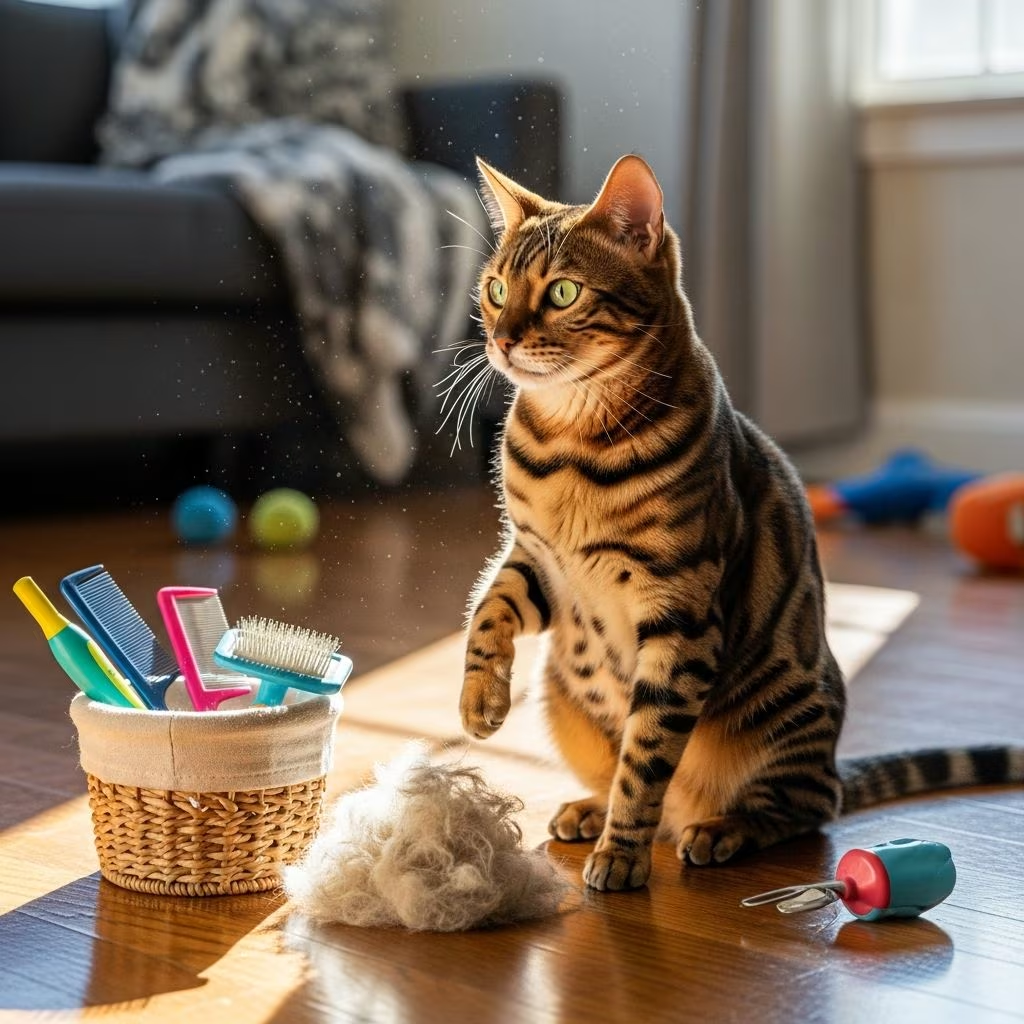
Bengal cats possess a distinctive short, glossy coat inherited from their Asian leopard cat ancestry, resulting in significantly reduced shedding compared to typical domestic breeds. This trait makes them appealing for owners seeking low-fur pets while enjoying their wild appearance and energetic nature.
The Unique Coat Structure of Bengal Cats
The Bengal’s fur is characterized by its brevity and density, featuring a single layer without the thick undercoat common in many cats. This single-coat design traps loose hairs effectively, preventing widespread dispersal around the home. Owners report that a Bengal can lounge on furniture for extended periods with barely noticeable hair accumulation, unlike standard shorthairs that leave visible traces quickly.
This coat mimics the wild leopard’s pattern with marbled or spotted designs, enhanced by a glittered effect where individual hairs reflect light. The texture remains soft yet resilient, contributing to self-maintenance properties. Seasonal shedding occurs minimally in spring and fall, but overall volume stays low due to this specialized fur architecture.
Comparing Bengal Shedding to Other Breeds
Bengals stand out among low-shedders. Here’s a comparison:
| Breed | Shedding Level | Coat Type | Grooming Frequency |
|---|---|---|---|
| Bengal | Minimal | Short, dense single coat | Weekly brush |
| Domestic Shorthair | Moderate | Short with undercoat | Daily during seasons |
| Maine Coon | Heavy | Long, double coat | Daily |
| Sphynx | None | Hairless | Skin wipes weekly |
| Devon Rex | Low | Wavy, short | Occasional |
Bengals require far less cleanup than double-coated giants like Maine Coons, positioning them ideally between hairless options and traditional shedders.
Factors Influencing Shedding in Bengals
Several elements can affect shedding levels:
- Seasonal Cycles: Minor increases align with temperature shifts, preparing for growth.
- Health Status: Nutritional gaps or illnesses prompt excess loss; balanced diets mitigate this.
- Environmental Stress: Routine changes, new pets, or moves may trigger temporary upticks.
- Age and Genetics: Kittens shed more initially; purebred lines emphasize low-shed traits.
Monitoring these helps owners anticipate and address variations promptly.
Effective Grooming Routines for Bengal Coats
Regular maintenance enhances coat health and curbs shedding further. Use soft-bristled brushes to gently remove loose strands and spread natural oils, avoiding metal tools that irritate sensitive skin. Weekly sessions suffice, often enjoyed by Bengals as bonding time.
Occasional baths with mild, cat-specific shampoos clear embedded dirt without stripping oils. Focus on paws and tail base where debris accumulates. Self-grooming prowess means Bengals stay odor-free, with rough tongues efficiently cleaning.
Incorporate tools like de-shedding gloves for massages that double as fur collection. Post-grooming, vacuum surroundings to maintain tidiness.
Nutritional Strategies to Support Coat Health
Diet profoundly impacts fur quality. Prioritize high-protein formulas listing real meats first, avoiding fillers. Raw or fresh options with chicken, turkey, or fish provide omega-3s crucial for skin hydration and reduced shedding.
- Omega-3 Supplements: Liquid forms like fish oil halt excessive episodes rapidly.
- Varied Proteins: Rotate sources for complete amino acids.
- Hydration: Fresh water encourages moist skin, minimizing dry flakes.
Consult vets for tailored plans, especially during shedding spikes. Quality nutrition yields glossier coats and less home fur.
Handling Excessive Shedding Episodes
Though rare, Bengals may shed more due to stress or diet shifts. Strategies include:
| Issue | Solution | Expected Outcome |
|---|---|---|
| Stress/Anxiety | Enrich environment with toys, perches | Normalized shedding in days |
| Poor Nutrition | Switch to omega-rich food | Reduced loss within weeks |
| Seasonal Peak | Increase brushing frequency | Cleaner home immediately |
| Health Concern | Vet check for allergies/parasites | Targeted treatment |
Address promptly to prevent matting or discomfort.
Allergy Considerations with Bengal Cats
Low shedding appeals to allergy sufferers, as less dander circulates. Bengals produce fewer allergens than heavy shedders, though no breed is fully hypoallergenic. Regular grooming traps allergens before spread. Test exposure gradually if sensitive.
Daily Home Management for Minimal Fur
Prevent fur buildup with:
- Weekly furniture vacuums using pet-specific attachments.
- Washable throws on high-traffic spots.
- Lint rollers for quick cleanups.
- Air purifiers targeting pet dander.
These habits keep spaces pristine despite any minor shedding.
Bengal Personality and Lifestyle Fit
Bengals’ low-shed coats complement their high-energy demands. Active climbers and swimmers, they thrive in interactive homes. Their grooming independence frees time for play, strengthening bonds.
Common Myths About Bengal Shedding
- Myth: Bengals never shed. Reality: Minimal, not zero.
- Myth: No grooming needed. Reality: Light brushing benefits health.
- Myth: All Bengals equal. Reality: Variations by line; select low-shed breeders.
Frequently Asked Questions (FAQs)
Do Bengal cats shed at all?
Yes, but minimally due to their single-layer coat, far less than average cats.
How often should I brush my Bengal?
Once weekly with a soft brush; more during seasonal changes.
Can diet reduce Bengal shedding?
Absolutely—omega-3s and quality proteins promote healthier coats.
Are Bengals good for allergy sufferers?
Their low shedding helps, but individual reactions vary.
What if my Bengal sheds excessively?
Check for stress, diet, or health issues; supplements often resolve it.
Long-Term Coat Maintenance Tips
Annual vet dermatology checks ensure no underlying issues. Track shedding patterns in a journal to spot triggers early. Invest in quality bedding that repels fur. With consistent care, Bengals maintain their stunning, low-maintenance allure for years.
References
- Bengal Cat FAQ — Bengal Cats Toronto. Accessed 2026. https://www.bengalcatstoronto.com/bengalcatfaq.html
- Does A Bengal Cat Shed? The Surprising Truth About Bengal Cats — Nova Coast Bengals. Accessed 2026. https://novacoastbengals.ca/do-bengal-cats-shed/
- Shedding Light on Cat Shedding: From Non-Shed Breeds to Care Tips — Aumuca. 2024. https://www.aumuca.com/it/blogs/all/shedding-light-on-cat-shedding-from-non-shedding-breeds-to-care-tips
- Do Bengal Cats Shed? Managing Cat Hair in Your Home — Cats Luv Us. 2024-05-21. https://shop.catsluvus.com/2024/05/21/do-bengal-cats-shed-managing-cat-hair-in-your-home/
- Myth busting: Do Bengal cats shed? – YouTube — YouTube Video. Accessed 2026. https://www.youtube.com/watch?v=2xLckC_h_-A
- Unraveling the Mystery of Why Bengal Cats Have Minimal Shedding — Pouncing Paws Bengals. Accessed 2026. https://pouncingpawsbengals.com/our-blog/f/unraveling-the-mystery-of-why-bengal-cats-have-minimal-shedding



