

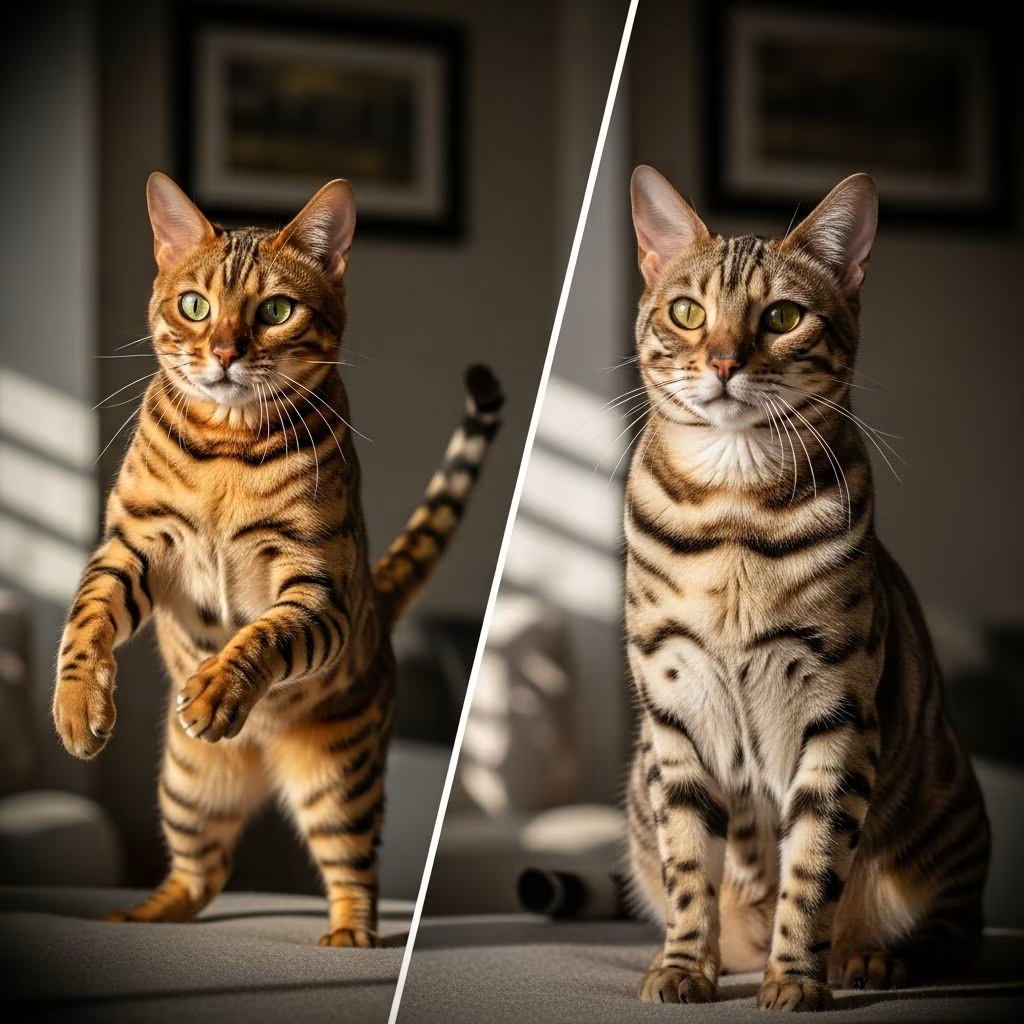
The Bengal cat breed captivates with its wild-inspired looks and dynamic personality, blending Asian leopard cat ancestry with domestic charm. When choosing between males and females, differences emerge in physique, behavior, and care requirements, influencing the best match for your home.
Origins and Distinctive Features of Bengals
Bengals originated from crosses between domestic cats and the Asian leopard cat, resulting in a breed boasting athletic builds and striking coats. Their muscular frames support high-energy pursuits like leaping over three times their height, while short, plush fur displays rosettes, marbling, or spots in shades from ivory to deep brown. This hybrid heritage yields cats that retain jungle-like agility without full wild traits.
Males typically reach larger sizes, weighing 10-15 pounds and measuring longer, whereas females average 8-12 pounds with more compact forms. Both genders feature large, oval eyes in gold, green, or hazel tones, broad heads, and thick tails, but males’ greater mass enhances their imposing presence.
Physical Attributes: Comparing Genders
Male Bengals exhibit pronounced muscularity, with broader shoulders, deeper chests, and longer hind legs that elevate their hindquarters above the shoulders. This structure aids explosive jumps and climbs, making them appear more formidable. Females, while equally athletic, possess sleeker, refined builds suited to graceful movements.
| Trait | Male Bengals | Female Bengals |
|---|---|---|
| Weight | 10-15 lbs | 8-12 lbs |
| Length | Larger frame | More compact |
| Build | Bulky, muscular | Sleek, agile |
| Height at Shoulder | Higher hind end | Balanced proportions |
Coat patterns remain consistent across genders, featuring glittered, pelt-like fur with vivid contrasts. However, males’ bigger bodies accentuate bold rosettes, potentially making their patterns pop more dramatically.
Temperament Breakdown by Gender
Bengals shine in intelligence and playfulness, often learning tricks, opening doors, or fetching like dogs. Males tend toward bolder, more territorial vibes, strutting confidently and demanding interaction, which suits active households but may overwhelm quieter settings. Females often display nurturing, slightly reserved traits, bonding deeply yet independently.
- Males: Outgoing explorers who chirp, trill, and engage vocally; thrive on challenges like puzzle toys.
- Females: Loyal companions with inquisitive streaks; prefer routine play but adapt well to family life.
Both love water, heights, and leashes, but unneutered males might roam or mark territory, while females could grow feisty during heat cycles.
Health and Wellness Considerations
Bengals generally live 12-16 years with proper care, but gender influences certain risks. Males face higher urinary issues due to anatomy, especially if overweight, while females risk mammary tumors if not spayed early. Both benefit from hybrid vigor, resisting many domestic ailments, though hypertrophic cardiomyopathy screening is vital.
Nutrition demands high-protein diets mirroring their active lifestyles; males’ larger appetites require portion control to prevent obesity. Regular vet checks catch breed-specific issues like patellar luxation early.
Spaying, Neutering, and Behavioral Impacts
Neutering males around 4-6 months curbs aggression, spraying, and roaming, channeling energy into play. Spaying females prevents heat-related yowling and cancers, stabilizing moods. Post-procedure, both genders mellow slightly but retain vibrancy—males become cuddlier, females less aloof.
Altered Bengals integrate better multi-pet homes, reducing territorial spats. Interactive toys and climbing gyms post-surgery maintain fitness.
Daily Care Routines Tailored to Gender
Grooming Essentials
Their self-cleaning coats need weekly brushing to distribute oils and reduce shedding. Males’ denser fur might trap more litter, warranting paw checks; females’ finer coats gleam with minimal effort. Nail trims biweekly prevent scratches during exuberant play.
Exercise and Enrichment Strategies
Males demand extensive outlets—cat wheels, wand toys, training sessions—to avert destructiveness. Females enjoy similar but shorter bursts, favoring perch rotations. Both flourish with windows for bird-watching and harness walks.
Nutrition and Feeding Plans
- Males: 300-400 calories daily, split meals to manage weight.
- Females: 250-350 calories, with kitten food during pregnancy if breeding.
Fresh water fountains appeal to their water affinity.
Household Fit: Matching Bengals to Lifestyles
Males suit spacious homes with patient owners, excelling as solo stars or with dogs. Females adapt to apartments, mingling amiably with kids or seniors. Consider allergies—low-shedding coats help—and noise tolerance for their chatty nature.
Training Achievements Across Genders
Bengals’ smarts enable leash training, high-fives, and voice commands. Males’ bravado aids bold feats; females’ focus shines in precision tasks. Positive reinforcement with treats yields quick results.
Frequently Asked Questions
Are male Bengals more aggressive than females?
Not inherently, but intact males may show dominance; neutering equalizes temperaments.
Do female Bengals make better family pets?
They often bond gently with children, though both thrive with supervision.
How big do male Bengals get compared to females?
Males up to 15 lbs and 14 inches tall; females max 12 lbs.
Can Bengals live with other cats?
Yes, especially if introduced young; females may tolerate better initially.
What’s the lifespan difference by gender?
Similar at 12-16 years; spaying/neutering extends healthspan.
Choosing Your Ideal Bengal Companion
Evaluate space, activity levels, and experience—males for adventure seekers, females for balanced homes. Reputable breeders prioritize health testing, ensuring vibrant kittens. Bengals reward dedication with lifelong loyalty and spectacle.
References
- Powerful, Playful, Polished: The Domestic Bengal — Los Angeles Times. 2023-10-15. https://www.latimes.com/companion-animals/cats/breeds/story/domestic-bengal-cat-breed-guide
- Bengal Cat – Breed Facts & Characteristics — Royal Canin. 2024-05-20. https://www.royalcanin.com/mt/cats/breeds/bengal
- Breed Profile: Bengal Cat — Your Pet and You (Elanco). 2023-08-12. https://yourpetandyou.elanco.com/us/new-pets/cat-breed-profile-bengal-cat
- Bengal — The Governing Council of the Cat Fancy. 2024-02-28. https://www.gccfcats.org/getting-a-cat/choosing/cat-breeds/bengal/
- Captivating Charisma: Delving Deeper into the Bengal Cat Personality — Basepaws. 2023-11-10. https://basepaws.com/blog/captivating-charisma-delving-deeper-into-the-bengal-cat-personality
- Bengal Cat Personality Traits: Understanding Their Unique Behavior — Laura Leibengals. 2024-01-05. https://www.lauraleibengals.com/bengal-cat-personality
- Bengal Cat – Characteristics and Character — YouTube (Video Transcript). 2022-07-18. https://www.youtube.com/watch?v=FVGhzxzx88M



