

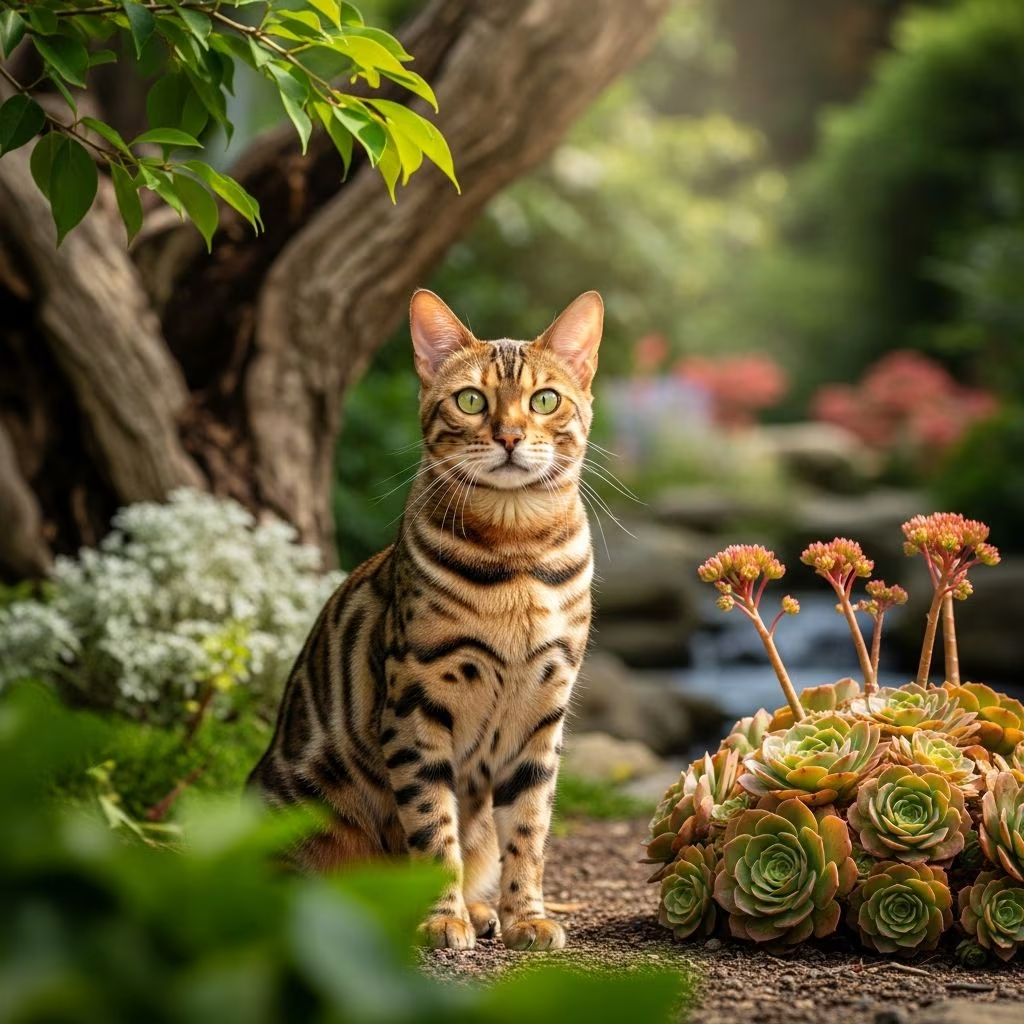
Bengal cats have captured the hearts of feline enthusiasts worldwide with their striking appearance and dynamic personalities. However, potential and current owners often wonder: how long will their Bengal companion remain by their side? The answer involves understanding multiple interconnected factors that influence these remarkable animals’ lifespans.
The Typical Lifespan Range for Bengal Cats
Bengal cats typically live between 12 and 16 years, though some individuals have been documented living into their late teens and early twenties. This lifespan is comparable to other domestic cat breeds, but individual Bengals can exceed these averages with attentive ownership and appropriate care. The variation in lifespan stems from a combination of genetic predisposition, environmental factors, and the quality of health management throughout their lives.
Understanding this baseline helps owners set realistic expectations and plan for the long-term commitment that Bengal ownership entails. While some anecdotal reports suggest exceptional cases of Bengals reaching their mid-thirties, reliable documentation of such extreme longevity remains limited.
How Nutritional Choices Impact Bengal Longevity
Nutrition stands as one of the most influential determinants of Bengal cat lifespan. These energetic felines require diets substantially higher in protein compared to many other cat breeds, reflecting their elevated metabolic demands and active nature. A Bengal’s food choices during every life stage—from kittenhood through their senior years—can either support robust health or contribute to premature decline.
Bengal cats possess unique nutritional requirements that owners must carefully consider. Their diet should incorporate high-quality protein sources to sustain their muscular physique and support their characteristic high energy levels. Additionally, adequate hydration proves critical, as proper water intake helps preserve kidney function, a cornerstone of feline longevity.
Common dietary missteps can create significant health consequences. Bengals may develop gastrointestinal and coat allergies in response to certain foods, such as raw fish or onions. These allergic reactions can severely compromise their immune system when dietary mistakes become habitual, potentially shortening their lifespan considerably.
For aging Bengals, nutritional adjustments become even more critical. Senior Bengals benefit from specific nutrients designed to support immune function, maintain healthy weight, and prevent chronic diseases. Essential fatty acids like omega-3s promote heart health and reduce inflammation, while antioxidants such as vitamins C and E help prevent cancer and slow age-related disease progression.
The Role of Genetics and Selective Breeding Practices
Genetics profoundly shape a Bengal cat’s predisposition to longevity and health challenges. The selection and breeding practices employed by breeders significantly influence whether a Bengal will experience genetic disorders that potentially reduce lifespan. Understanding a Bengal’s family lineage helps owners recognize potential health vulnerabilities and take preventative measures early in the cat’s life.
Bengal cats occupy a unique genetic position as a hybrid breed, resulting from crosses between Asian Leopard Cats and domestic cats. This hybrid status can actually provide genetic advantages when breeding is conducted properly, as the genetic mixing increases diversity and reduces some hereditary problems common in purebred animals. However, poorly managed breeding operations can absolutely shorten a Bengal’s life by concentrating genetic weaknesses.
Prospective Bengal owners should prioritize sourcing their cats from reputable breeders who conduct health screening and genetic testing. A responsible breeder can provide documentation of parents’ health histories and explain their breeding philosophy, offering confidence that the kitten comes from a line selected for longevity and wellness.
Genetic Health Conditions Affecting Bengal Lifespan
Despite being generally robust animals, Bengal cats inherit susceptibility to specific genetic conditions that can impact their lifespan if left unmanaged. These health challenges require awareness and proactive veterinary monitoring:
- Hypertrophic Cardiomyopathy (HCM): A genetic heart disease where the heart muscle thickens abnormally. Routine heart screenings can detect this condition early, allowing for proper management and potentially extending the cat’s life.
- Progressive Retinal Atrophy: A genetic condition affecting vision that gradually leads to blindness.
- Hip Dysplasia: A developmental orthopedic condition affecting the hip joint.
- Patellar Luxation: A condition where the kneecap dislocates from its normal position.
- Pyruvate Kinase Deficiency: An inherited metabolic disorder affecting red blood cell function.
- Distal Neuropathy: A nerve condition affecting the extremities.
- Flat-Chested Kitten Syndrome: A structural condition affecting chest development.
- Anaesthetic Allergy: A genetic sensitivity to certain anesthetic agents.
Early detection through regular veterinary check-ups dramatically improves outcomes for these conditions. A Bengal owner who remains vigilant about their cat’s health and maintains consistent veterinary relationships can often manage these issues effectively, minimizing their impact on lifespan.
Environmental Conditions and Living Space Requirements
The physical environment in which a Bengal lives substantially affects their health trajectory and longevity. These cats thrive in conducive living conditions that support their natural behaviors and mental well-being. Conversely, negligence and exposure to harsh environmental conditions compromises their overall health and shortens their lifespan.
Bengal cats require considerably more space and stimulation than many other domestic breeds. Tight living conditions directly impact their longevity, as these energetic animals need adequate play spaces and room for their natural physical activities. Environmental enrichment should include interactive play with puzzle toys, ping pong balls, cat trees, and climbing structures. Boxes, coffee sacks, and cat scratchers provide additional outlets for their natural instincts.
Environmental stress significantly influences Bengal health. Behavioral problems, depression, and stress often develop when Bengals lack sufficient exercise and owner attention. Preventing these psychological challenges through consistent engagement directly supports longevity by reducing stress-related illness and immune suppression.
Safe outdoor or controlled outdoor experiences can benefit Bengals psychologically and physically, provided such exposure eliminates predators and environmental hazards. Some owners successfully provide secure outdoor enclosures or leash training that allows their Bengals to experience natural stimuli while remaining protected.
Life Stages and Age-Related Care Considerations
Bengal cats progress through distinct life stages, each with particular health priorities and care requirements:
| Life Stage | Age Range | Key Characteristics | Care Focus |
|---|---|---|---|
| Prime Adult | 3–6 years | Fully developed body; peak physical capability; high energy levels | Sustained exercise; consistent nutrition; preventative care |
| Mature Adult | 7–10 years | Body slows slightly; weight gain tendency; energy still elevated | Weight monitoring; joint health support; regular check-ups |
| Senior | 10–14 years | Visible aging; medical issues emerging; still active but less intense | Routine veterinary visits; nutrition adjustment; comfort measures |
| Geriatric | 15+ years | Increased sleeping; chronic condition management; significant slowdown | Close health monitoring; symptom management; quality-of-life focus |
Each life stage demands specific attention. Senior Bengals require particular vigilance regarding medical issues that increasingly manifest. The geriatric phase necessitates watching carefully for sudden changes in behavior or health status.
Preventative Healthcare and Veterinary Management
Routine veterinary care forms the foundation of Bengal longevity. Regular check-ups enable early detection of health issues before they become severe, dramatically improving treatment outcomes and extending lifespan. This preventative approach proves especially valuable for managing the genetic predispositions common in Bengal cats.
Beyond annual examinations, Bengal owners should establish relationships with veterinarians familiar with breed-specific health concerns. Dental health, obesity management, and diabetes prevention warrant particular attention, as these issues commonly affect aging Bengals. Professional dental cleaning and home dental care can prevent serious infections that compromise overall health.
Grooming practices also support longevity. Cleaning ears and trimming nails prevent infections and injuries that might otherwise develop into serious complications. These routine maintenance tasks, though simple, contribute meaningfully to a Bengal’s overall health trajectory.
Weight Management in Aging Bengal Cats
Weight gain represents a common challenge in aging Bengal cats, with significant implications for longevity. A high-quality protein diet with limited carbohydrates helps maintain muscle mass while stimulating metabolism, critical for preventing obesity in senior Bengals.
Obesity in cats creates cascading health problems: increased strain on joints and bones, elevated risk of diabetes, respiratory compromise, and cardiovascular stress. Each of these complications can substantially reduce remaining lifespan. Maintaining appropriate weight through careful nutrition and consistent exercise—adapted to the cat’s age and ability level—becomes increasingly important as Bengals age.
Frequently Asked Questions About Bengal Cat Lifespan
What factors most significantly impact Bengal cat lifespan?
Nutrition, genetics, environment, and veterinary care represent the most significant factors. Of these, nutrition consistently emerges as the single largest controllable variable that owners can influence to extend their Bengal’s life.
Can Bengal cats live past 20 years?
Yes, some Bengals have been documented living into their early twenties or beyond, though this requires excellent health care, proper nutrition, and favorable genetics. Such longevity represents the upper range rather than the norm.
How does Bengal cat lifespan compare to other domestic cats?
Bengal cat lifespan does not differ significantly from average indoor cat lifespan of 12–18 years. Both depend heavily on similar factors including diet, environment, and veterinary care.
What health screening should responsible breeders perform?
Reputable breeders should conduct testing for genetic conditions, particularly HCM and eye conditions like Progressive Retinal Atrophy. They should provide documentation of parent health histories and test results.
Are Bengal cats healthier than other breeds?
Bengal cats are generally a healthy and robust breed, but they carry breed-specific genetic predispositions that require awareness and monitoring. Proper care can mitigate many hereditary risks.
Maximizing Your Bengal’s Healthy Years
Extending a Bengal cat’s lifespan requires sustained commitment across multiple dimensions of care. Owners should implement these evidence-based strategies:
- Provide high-quality, protein-rich nutrition tailored to the cat’s life stage
- Ensure consistent access to fresh water and monitor hydration
- Maintain a physically and mentally stimulating environment with adequate space and enrichment
- Schedule regular veterinary check-ups, increasing frequency as the cat ages
- Monitor weight and adjust diet and exercise to prevent obesity
- Support dental health through professional care and home maintenance
- Source kittens from reputable breeders with documented health screening
- Watch for behavioral changes or symptoms and address them promptly
Bengal cat ownership represents a long-term commitment spanning potentially 15–20+ years. Understanding the factors influencing their lifespan and proactively managing health throughout their lives allows owners to maximize the years they share with these remarkable companions. By prioritizing nutrition, environment, genetics, and preventative healthcare, Bengal owners can help their cats thrive at every life stage and achieve their full longevity potential.
References
- The Longevity of Bengal Cats and Understanding Their Lifespan — Bengal Cat 4 You. https://www.bengalcat4you.com/the-longevity-of-bengal-cats.html
- Bengal Cat 101 – The “Designer Cat” Personality, Traits and Behavior — Outdoor Bengal. https://www.outdoorbengal.com/blogs/bengal-cats/bengal-cat-101
- A Compact Guide to Bengal Cats’ Health Issues — Untamed. https://untamed.com/blogs/cat-breeds/bengal-cats-health-issues
- How Long Do Bengal Cats Live For? — Blind Bengal. https://blindbengal.com/long-bengal-cats-live/
- How Long Do Bengal Cats Live? Vet-Reviewed Average Lifespan — Catster. https://www.catster.com/cat-health-care/how-long-do-bengal-cats-live/
- Bengal Cat Breed Health and Care — PetMD. https://www.petmd.com/cat/breeds/bengal
- Bengal Cat Lifespan: How Long They Live & Ways to Extend It — Pure Bred Kitties. https://purebredkitties.com/blogs/bengal-cat/bengal-cat-lifespan



