

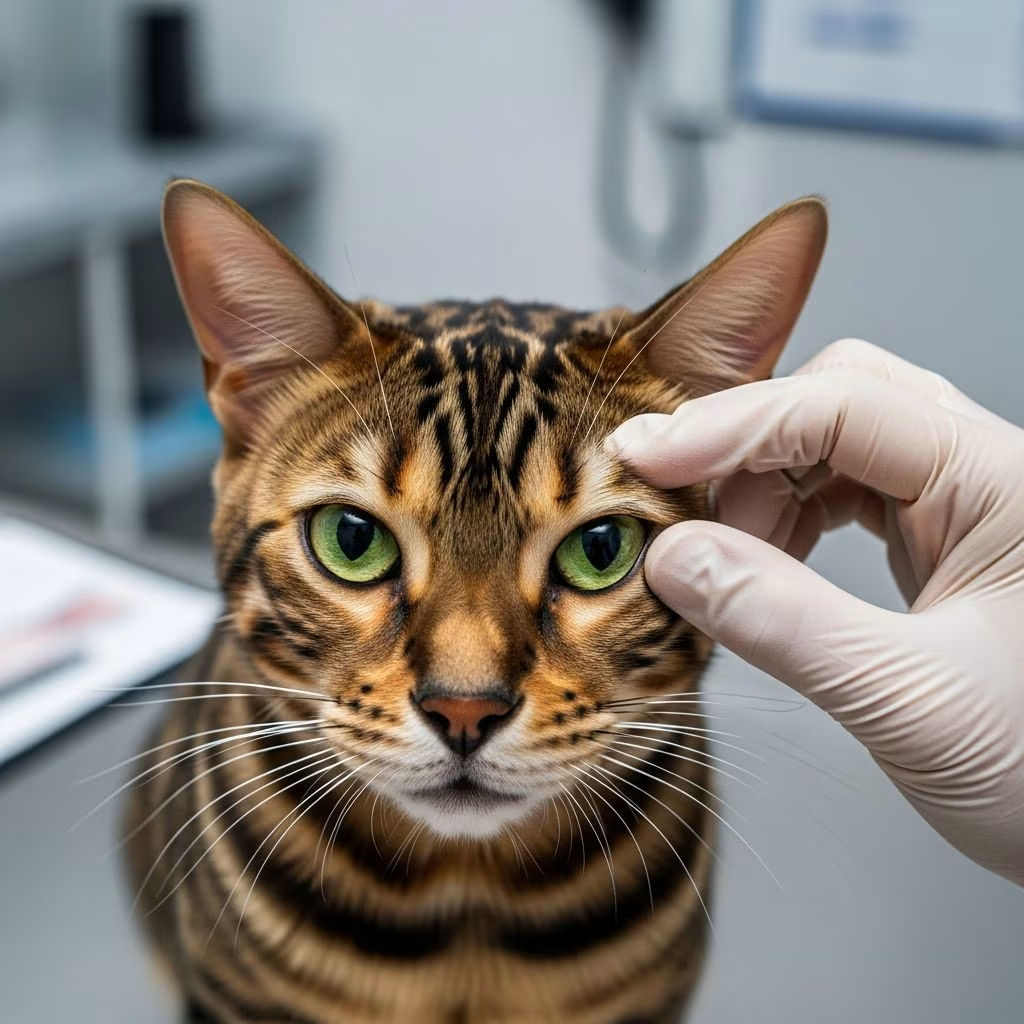
Bengal cats, known for their striking leopard-like coats and playful energy, face several breed-specific health vulnerabilities. Understanding these risks enables owners to take proactive measures for a healthier life.
Understanding Genetic Predispositions in Bengals
Bengals inherit certain conditions from their wild Asian leopard cat ancestry, making genetic screening essential for breeders and owners. Regular veterinary check-ups can detect issues early, improving outcomes.
- Importance of pedigree review: Choose breeders who perform DNA tests for known mutations.
- Early screening benefits: Annual exams catch subtle signs before symptoms worsen.
Cardiac Concerns: Hypertrophic Cardiomyopathy
Hypertrophic cardiomyopathy (HCM) tops the list of Bengal health threats, where heart walls thicken, impairing blood flow and risking failure or clots. Males often show signs between ages 5-7, with symptoms like lethargy, rapid breathing, or collapse.
| Symptom | Potential Sign |
|---|---|
| Shortness of breath | Labored breathing at rest |
| Weak pulse | Difficulty detecting heartbeat |
| Limb paralysis | Sudden immobility from clots |
Diagnosis involves echocardiography; management includes medications to control rhythm and thin blood. Lifelong monitoring is key, as early intervention extends life expectancy.
Vision Impairment: Progressive Retinal Atrophy
Progressive retinal atrophy (PRA) gradually destroys retinal cells, leading to night blindness and eventual total vision loss starting around age 2. Genetic testing prevents breeding affected lines.
Owners notice cats bumping into objects or hesitating in dim light. No cure exists, but environmental adaptations like consistent furniture placement help blind Bengals navigate confidently.
Joint and Mobility Challenges: Luxating Patella
Luxating patella occurs when the kneecap dislocates, causing limping or skipping steps. Trauma or genetics contribute, affecting Bengals’ athletic prowess.
- Mild cases: Managed with weight control and joint supplements.
- Severe instances: Require surgical correction for stability.
Physical therapy strengthens surrounding muscles, preventing recurrence.
Urinary and Bladder Disorders
Bengals suffer frequent urinary tract infections, bladder stones, and feline inflammatory cystitis (FIC), often from stress or diet. Symptoms include straining, blood in urine, or accidents outside the box.
Prevention focuses on hydration: encourage water fountains and wet food. Low-mineral diets reduce stone formation. Stress reduction via enrichment toys curbs FIC flare-ups.
Digestive Sensitivities and Stomach Issues
Sensitive stomachs plague Bengals, leading to gastritis, pancreatitis, or irritable bowel disease. Causes range from dietary indiscretion to foreign object ingestion due to curiosity.
Signs like vomiting, diarrhea, or appetite loss demand prompt vet attention. Feed high-quality, grain-free proteins; transition foods slowly. Probiotics support gut flora balance.
Kidney-Related Conditions
Polycystic kidney disease forms cysts that impair function over time, while chronic renal failure affects seniors via toxins buildup. Monitor water intake and urine output; blood tests track kidney values.
Hydration therapy and renal diets slow progression. Genetic screening avoids passing cysts to kittens.
Neurological Disorders: Distal Neuropathy
Distal neuropathy damages nerves, causing weakness or paralysis in hind legs. Young Bengals may show plantigrade stance (walking on hocks). Supportive care includes ramps and soft bedding; some cases stabilize.
Infectious Risks: FIP and Parasites
Feline infectious peritonitis (FIP) strikes Bengals more due to immune factors, mutating from coronavirus into fatal fluid accumulation or organ damage. No cure, but antivirals show promise in trials.
Coccidiosis causes kitten diarrhea and dehydration; dewormers treat it. Vaccinations and hygiene prevent spread.
Allergies and Skin Conditions
Allergens trigger itching, hair loss, or ear infections. Common culprits: fleas, foods, pollen. Hypoallergenic diets and flea preventives alleviate symptoms.
Preventive Strategies for Optimal Bengal Health
Proactive care minimizes risks:
- Annual vet exams with heart and eye ultrasounds.
- Balanced nutrition tailored to Bengals’ high-protein needs.
- Environmental enrichment to reduce stress-induced issues.
- Genetic testing for breeding stock.
- Weight management for joint health.
Emergency Signs Requiring Immediate Care
Act fast on collapse, bloody urine, breathing distress, or refusal to eat. Bengals’ activity masks issues; delays worsen outcomes.
Lifespan and Wellness Expectations
Healthy Bengals live 12-16 years. Diligent care counters genetics, ensuring vibrant companionship.
Frequently Asked Questions
Are Bengal cats prone to heart disease?
Yes, HCM is common; screen annually.
How can I prevent urinary problems in my Bengal?
Promote hydration, use prescription diets, clean litter daily.
What causes PRA in Bengals?
Genetic retinal degeneration; test parents.
Do Bengals need special diets?
High-protein, low-carb to suit activity and sensitivities.
Is FIP curable in Bengal cats?
Treatments are experimental; prevention via hygiene.
References
- Common Health Issues that Affect Bengal Cats and How to Prevent & Treat Them — Purebred Kitties. 2023. https://purebredkitties.com/blogs/bengal-cat/common-health-issues-that-affect-bengal-cats-and-how-to-prevent-treat-them
- Bengal Cat Health Issues — Bengal Cats Toronto. 2023. https://www.bengalcatstoronto.com/bengalcathealthissues.html
- Bengal Cat: Health Issues & Care Tips — Sploot Vets. 2024. https://www.splootvets.com/post/bengal-cat-health-issues-care-tips
- Bengal Cat Breed Health and Care — PetMD. 2025-02-01. https://www.petmd.com/cat/breeds/bengal
- Bengal Cat Health Problems: 9 Common Issues — Catster. 2024. https://www.catster.com/cat-health-care/bengal-cat-health-problems/
- Bengal Cat Health & Disease Prevention — Wild n Sweet Bengals. 2023. https://wildnsweetbengals.com/en/bengal-cat-information/health/
- Bengal – Highly intelligent, energetic cats — PDSA. 2024. https://www.pdsa.org.uk/pet-help-and-advice/looking-after-your-pet/kittens-cats/bengal



