

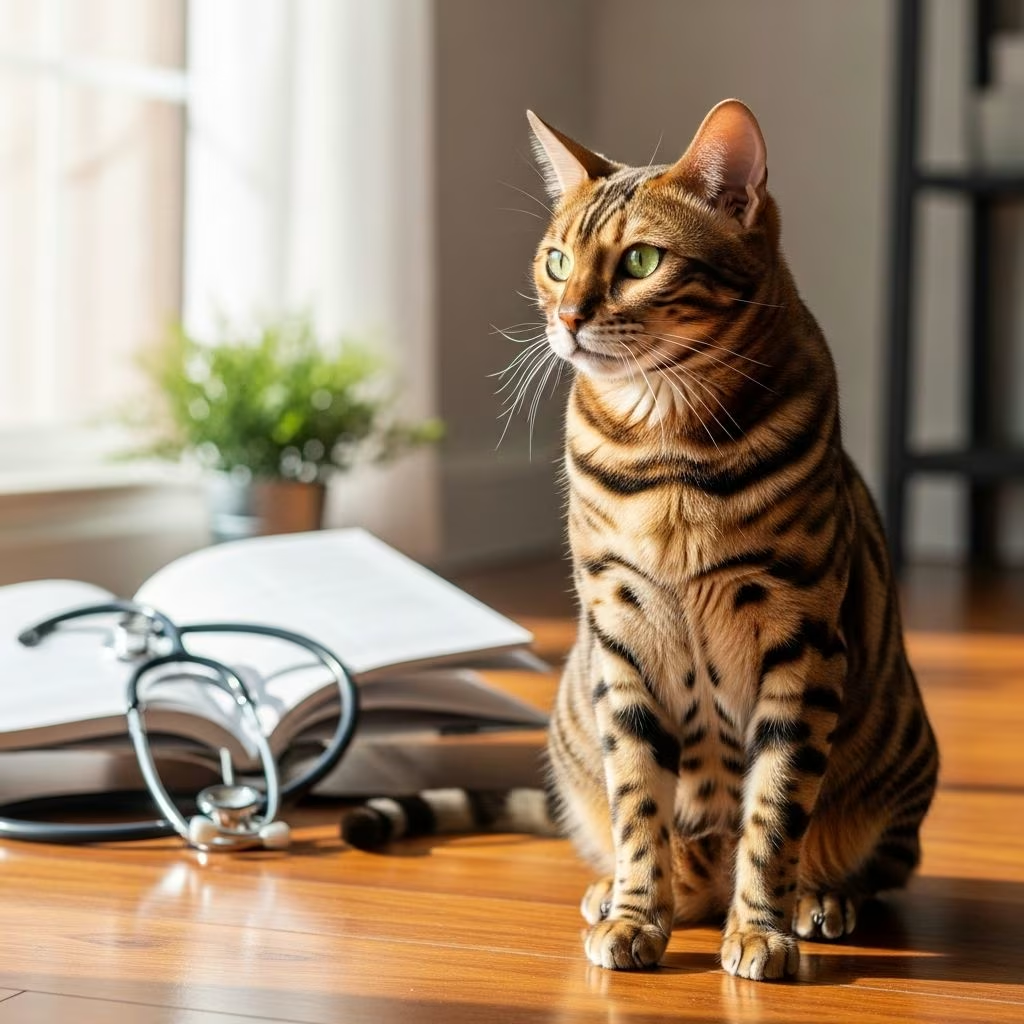
Bengal cats are known for their striking appearance and energetic personalities, making them beloved companions for many households. However, like all cat breeds, Bengals inherit certain health predispositions that responsible owners should understand. While Bengals generally live between 12 and 18 years with proper care, awareness of potential health conditions allows cat parents to take proactive measures for early detection and management.
The Bengal Breed’s Overall Health Profile
Despite their wild ancestry, Bengal cats are relatively robust animals when bred responsibly. Their hybrid background combining Asian Leopard Cats with domestic breeds has resulted in a breed that typically enjoys good health outcomes. However, the selective breeding process that produces their distinctive appearance has also concentrated certain genetic vulnerabilities within the population. Understanding these vulnerabilities is essential for anyone considering Bengal cat ownership.
The average lifespan of a well-cared-for Bengal ranges from 12 to 18 years, with many individuals living well into their senior years when provided with appropriate nutrition, veterinary care, and environmental enrichment. Extending a Bengal’s lifespan depends significantly on the owner’s commitment to regular health screenings, proper diet, and preventive healthcare measures.
Vision-Related Genetic Conditions
One of the most significant health concerns in Bengal cats involves their eyes. Multiple inherited vision disorders affect the breed at higher rates than general feline populations, making regular ophthalmologic evaluations crucial for Bengal owners.
Progressive Retinal Atrophy and Vision Loss
Progressive retinal atrophy (PRA) represents one of the primary inherited eye conditions affecting Bengal cats. This degenerative disease affects the photoreceptor cells (rods and cones) in the retina that enable vision in varying light conditions. The condition typically emerges around 18 months of age, though manifestation can vary between individuals. Unlike some conditions with clear early symptoms, PRA progresses silently in many cases, with owners first noticing behavioral changes such as reluctance to navigate in dim lighting or increased nighttime disorientation.
The disease follows a progressive course, ultimately resulting in complete blindness if left untreated. While no cure exists once diagnosis is confirmed, nutritional support with antioxidant-rich foods may help slow the condition’s advancement. Environmental modifications such as maintaining consistent lighting and keeping furniture arrangements stable allow affected Bengals to adapt and maintain quality of life despite vision loss.
Cataracts and Additional Ocular Disorders
Beyond PRA, Bengal cats can develop cataracts—clouding of the eye lens that impairs vision. Early-stage cataracts may respond well to medical intervention, but delayed treatment risks progression to blindness and secondary glaucoma development. Entropion, another hereditary eye condition more prevalent in Bengals, involves the eyelid rolling inward, causing corneal irritation and pain. This condition requires immediate veterinary intervention to prevent permanent damage.
Regular eye examinations by veterinarians experienced with genetic feline conditions enable early detection and intervention. Responsible Bengal breeders screen breeding pairs for these conditions using specialized ophthalmologic testing, reducing the incidence in subsequent generations.
Cardiac Disease in Bengal Cats
Heart disease represents one of the most serious health challenges facing Bengal cats, with hypertrophic cardiomyopathy (HCM) being the most prevalent form. This inherited cardiac condition causes thickening of the heart muscle walls, forcing the heart to work harder to pump blood efficiently throughout the body.
Hypertrophic Cardiomyopathy: Symptoms and Progression
HCM in Bengal cats often develops insidiously without obvious symptoms until advanced stages. Affected cats may demonstrate lethargy, unusual panting during normal activities, loss of appetite, or generalized weakness. Behavioral changes such as sleeping more than usual can indicate cardiac compromise, prompting the need for veterinary evaluation. In severe cases, blood clots may form within the heart chambers, potentially causing sudden hind limb paralysis and acute pain.
The disease’s most serious complication is congestive heart failure, where the weakened heart cannot adequately circulate blood, leading to fluid accumulation in the lungs and body tissues. This represents a life-threatening emergency requiring immediate medical intervention. Obesity significantly accelerates HCM progression and worsens outcomes, making weight management essential for cardiac health.
Early Detection and Management Strategies
Early diagnosis substantially improves quality of life and survival rates in Bengals with HCM. Responsible breeders conduct genetic testing of breeding pairs, though testing cannot detect all HCM variants. This makes routine wellness examinations with veterinarians crucial, as they can detect cardiac abnormalities through physical examination and diagnostic imaging. Cats diagnosed with HCM benefit from medications that reduce cardiac strain, improve contractility, and prevent clot formation.
Joint and Skeletal Health Concerns
Bengal cats, despite their agility and athletic nature, face inherited joint problems that can compromise mobility and cause chronic pain throughout their lives.
Hip Dysplasia in Bengals
Hip dysplasia, a malformation of the hip joint ball-and-socket structure, causes joint instability and premature cartilage degradation. Young Bengal kittens affected by hip dysplasia may show no obvious symptoms initially, but gradually begin exhibiting behaviors characteristic of much older cats. Severely affected individuals may develop lameness by six months of age, significantly impacting their quality of life. The condition typically progresses to osteoarthritis, causing chronic pain and mobility restrictions.
Responsible breeding programs screen parent cats using radiographic evaluation and specialized scoring systems to identify carriers and affected individuals. While no cure exists, early detection allows implementation of management strategies including controlled exercise, weight maintenance, and pharmaceutical pain management.
Patellar Luxation and Knee Problems
Patellar luxation, commonly called slipping kneecaps, occurs when the kneecap (patella) dislocates from its normal position in the groove of the femur. This condition can be either inherited or result from traumatic injury. Bengals with luxating patellas may experience intermittent lameness, reluctance to bear weight on affected limbs, or skip-hopping gait patterns. The condition’s severity ranges from mild intermittent slipping with no functional impact to severe permanent dislocation causing continuous pain and immobility.
Early detection through physical examination and orthopedic evaluation enables appropriate management decisions. Mild cases may respond to conservative management with weight control and activity modification, while severe cases require surgical correction to restore proper limb function and prevent secondary arthritis.
Metabolic and Enzymatic Disorders
Bengal cats inherit specific metabolic conditions affecting red blood cell function and oxygen transport throughout the body.
Pyruvate Kinase Deficiency
Pyruvate kinase deficiency (PKD) is an inherited disease affecting an essential enzyme required for red blood cell survival and function. Without adequate pyruvate kinase activity, red blood cells deteriorate much faster than the body can replace them, resulting in hemolytic anemia. In most affected Bengals, the anemia develops gradually and remains relatively mild, allowing the body’s compensatory mechanisms to function adequately with minimal noticeable symptoms. However, some cats experience acute, severe red blood cell loss requiring emergency transfusion and intensive care.
Genetic testing can identify carriers and affected cats before symptoms develop, enabling informed breeding decisions. While no cure exists, management focuses on monitoring blood parameters and providing supportive care during periods of increased hemolysis.
Digestive System Challenges
Bengal cats demonstrate heightened susceptibility to gastrointestinal problems stemming from multiple sources including genetic predispositions, dietary sensitivities, and behavioral factors.
Food Allergies and Sensitivities
When a Bengal cat’s immune system misidentifies food ingredients as harmful invaders, it triggers an allergic cascade producing skin and gastrointestinal symptoms. Allergic reactions may manifest as excessive licking and scratching, particularly around the head and neck regions, potentially progressing to hair loss, raw skin patches, and open wounds if unaddressed. Gastrointestinal manifestations include vomiting, diarrhea, and excessive flatulence. Identifying the specific offending ingredient through elimination diets or allergy testing allows selection of better-tolerated food options.
Intestinal Lymphoma and Cancer Predisposition
Bengal cats experience elevated cancer risk compared to other breeds, with lymphoma being particularly prevalent. Intestinal lymphoma, affecting the gastrointestinal tract’s lymphatic tissue, manifests through chronic vomiting, diarrhea, weight loss despite adequate food intake, and abdominal enlargement. Treatment typically involves chemotherapy protocols that can extend survival and improve quality of life significantly when initiated early.
Inflammatory Bowel Disease and Chronic GI Upset
Bengal cats show increased prevalence of irritable bowel disease and gastrointestinal inflammation. Their naturally inquisitive temperament sometimes leads them to consume inappropriate items such as houseplants or foreign objects, triggering acute digestive distress. Any persistent changes in appetite, vomiting frequency, or stool consistency warrant veterinary investigation to rule out serious underlying conditions and establish appropriate dietary management.
Weight Management and Metabolic Health
Obesity has become increasingly prevalent in Bengal cats, particularly in indoor-only populations. Excess weight significantly compounds many inherited health conditions and creates additional disease risks.
Consequences of Excess Weight
Overweight Bengals face elevated risk for multiple serious conditions including arthritis, herniated intervertebral discs, diabetes mellitus, fatty liver disease, and cardiorespiratory complications. The relationship between obesity and disease operates bidirectionally—obesity-related lethargy reduces physical activity, further promoting weight gain. Diabetes develops when excess fat impairs insulin function, requiring lifelong management and monitoring.
Weight Management Strategies
Maintaining optimal body weight requires providing high-quality, protein-rich diets in appropriate portions and ensuring adequate daily physical activity. Indoor Bengals especially need enrichment strategies promoting movement such as climbing structures, interactive toys, and play sessions. Regular weigh-ins during veterinary visits help identify weight trends early, enabling dietary adjustments before obesity-related complications develop. Male Bengals, along with older and less active individuals, require particular attention to weight management.
Additional Health Considerations
Stress-Related Conditions
Bengal cats’ heightened environmental sensitivity and intelligence create vulnerability to stress-related bladder disease (feline idiopathic cystitis). This painful condition causes frequent urination, straining during elimination, and inappropriate urination outside the litter box. Providing adequate environmental enrichment, maintaining consistent routines, and utilizing stress-reduction techniques help prevent this condition.
Dental Disease Prevalence
Like all cat breeds, Bengals face increasing risk for dental disease including gingivitis, periodontitis, and tooth resorption. Preventive dental care through regular brushing and professional cleanings performed by veterinarians maintains oral health and prevents tooth loss.
Infectious Disease Susceptibility
Certain Bengal cats appear more susceptible to feline infectious peritonitis (FIP) due to genetic factors affecting immune response. This serious viral disease caused by feline coronavirus can lead to life-threatening complications. Similarly, Feline Leukemia Virus (FeLV) and Feline Immunodeficiency Virus (FIV) require prevention through vaccination and careful lifestyle management.
Practical Health Maintenance Recommendations
| Health Management Strategy | Purpose | Frequency |
|---|---|---|
| Veterinary wellness examinations | Early disease detection and preventive care planning | Annually for adults; twice yearly for seniors (7+ years) |
| Genetic screening of breeding pairs | Reduce inherited disease transmission | Before breeding (responsible breeders only) |
| Cardiac ultrasound evaluation | Early HCM detection | At diagnosis risk and annually if predisposed |
| Ophthalmologic examinations | Monitor vision health and detect retinal disease | Annually starting at 18 months age |
| High-quality diet provision | Support overall health and prevent diet-related disease | Daily feeding with appropriate nutrition |
| Weight monitoring | Prevent obesity-related complications | Monthly home checks; quarterly veterinary assessment |
| Dental care | Maintain oral health and prevent systemic disease | Daily brushing; professional cleanings as recommended |
| Environmental enrichment | Reduce stress and maintain physical activity | Daily interaction and play engagement |
Choosing a Responsible Bengal Breeder
Bengal cat health outcomes depend significantly on breeding practices. Responsible breeders conduct genetic testing of parent cats before breeding, maintain detailed health records, and are transparent about hereditary conditions within their lines. They screen for HCM, PRA, hip dysplasia, and other known genetic conditions using recognized testing protocols. Prospective Bengal owners should request health clearance documentation and inquire about the breeder’s approach to genetic disease management.
Conclusion: Proactive Health Management for Bengals
Bengal cats, despite their genetic predispositions toward certain health conditions, can live long, healthy, and fulfilling lives with informed ownership and proactive healthcare. Understanding potential inherited conditions enables early recognition of symptoms and timely intervention. Regular veterinary care, appropriate nutrition, weight management, and environmental enrichment form the foundation of optimal Bengali health. By selecting cats from responsible breeders who prioritize genetic health screening and maintaining vigilant health monitoring throughout a Bengal’s life, owners maximize the probability of enjoying many wonderful years with their distinctive feline companions.
References
- Bengal Cat Breed Health and Care — PetMD. 2024. https://www.petmd.com/cat/breeds/bengal
- Bengal Cats: What to Know — WebMD Pets. 2024. https://www.webmd.com/pets/cats/what-to-know-about-bengal-cats
- A Compact Guide to Bengal Cats’ Health Issues — Untamed. 2024. https://untamed.com/blogs/cat-breeds/bengal-cats-health-issues
- Bengal Cat: Health Issues & Care Tips — Sloop Vets. 2024. https://www.splootvets.com/post/bengal-cat-health-issues-care-tips
- Bengal Cat Guide: Complete Breed & Care Information — Chastein Veterinary Services. 2024. https://www.chastainvets.info/services/cats/breeds/bengals



