

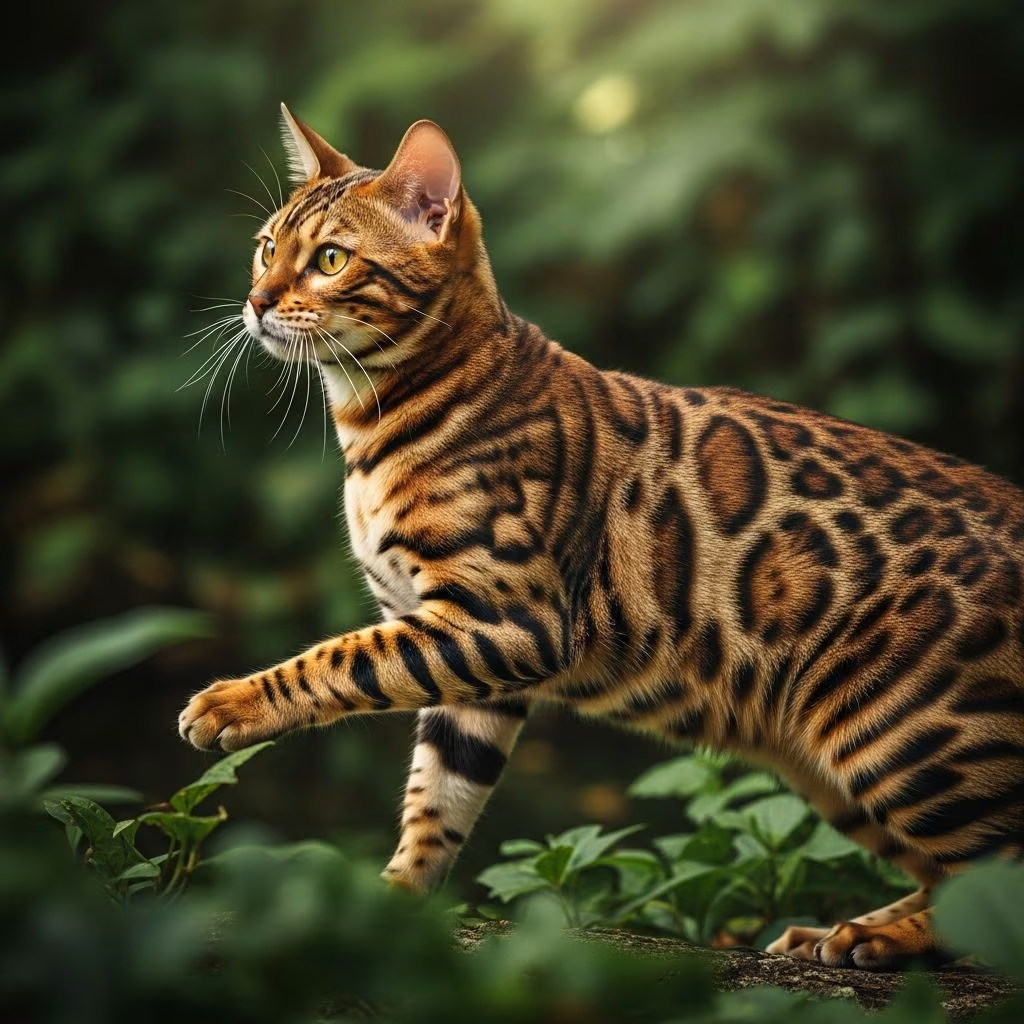
Bengal cats have captured the hearts of feline enthusiasts worldwide with their striking, wild appearance and captivating personalities. These charismatic companions blend the exotic looks of their Asian leopard cat ancestors with the temperament of a domestic housepet. Whether you’re considering welcoming a Bengal into your home or simply curious about this remarkable breed, this comprehensive guide covers everything you need to know about Bengal cats.
Bengal Cat Origins and History
The Bengal cat breed represents one of the most fascinating examples of selective breeding in the domestic cat world. These cats were developed by crossing domestic cats with the Asian leopard cat, a small wild feline native to Asia. The goal was to create a cat with the visual appeal of a miniature leopard while maintaining the gentle, affectionate temperament of a domestic companion. Since their development, Bengals have risen rapidly in popularity, with major cat associations recognizing them as an distinct and valuable breed. Today, Bengals rank among the most sought-after cat breeds globally.
Physical Characteristics and Appearance
Size and Body Structure
Bengal cats are medium to large-sized felines with impressively athletic builds. Females typically weigh between 6 and 12 pounds, while males tend to be larger, ranging from 9 to 15 pounds. Bengals reach their full adult size by approximately 2 years of age, so you can expect a kitten phase that lasts longer than some other domestic breeds. Their bodies are sleek and muscular, reflecting their high activity levels and natural athleticism.
One of the most distinctive physical features is their distinctive “prowl-like” walk, which results from their back legs being slightly longer than their front legs. This unique gait gives them an unmistakable appearance reminiscent of their wild ancestors. Their body structure includes a wedge-shaped head, almond-shaped eyes, a wide nose, a strong chin, and rounded-tipped ears that complete their exotic appearance.
Coat Pattern and Texture
The Bengal cat’s coat is perhaps its most striking feature and what sets it apart from all other domestic cat breeds. The coat displays one of two distinctive patterns: spotted or marbled markings. The spotted pattern features large rosettes that resemble those of leopards or jaguars, while the marbled pattern creates swirling, cloud-like designs across the fur. Bengals come in approximately 13 different color variations, including brown tabby, seal lynx point, and various other stunning hues.
Beyond its visual appeal, the Bengal’s coat offers a surprisingly luxurious texture. While it appears wild and dense like that of a wildcat, it feels remarkably soft to the touch, providing the best of both worlds. The coat is typically short to medium in length and has a silky feel that many owners find irresistible. Some long-haired varieties exist and are sometimes called Cashmere Bengals, though they are not universally recognized as an official breed standard.
An exciting feature some Bengals possess is a “glitter” effect on their coat, which creates an iridescent shimmer that makes their fur appear to sparkle in light. This stunning characteristic, inherited from their Asian leopard cat ancestry, further enhances their wild appearance.
Bengal Cat Personality and Temperament
Social and Affectionate Nature
Despite their wild appearance, Bengal cats are remarkably affectionate and deeply social animals. They form strong bonds with their human families and genuinely enjoy being in the company of their people. Bengals are confident members of any household and thrive when they have regular interaction with family members or other pets. Unlike some cat breeds that are content with independence, Bengals prefer constant companionship and can struggle with separation anxiety if left alone for extended periods.
Energy Levels and Activity
Bengal cats are among the most energetic and athletic cat breeds available. They love to chase, climb, play, train, and investigate their surroundings with relentless enthusiasm. Unlike many cats that entertain themselves independently, Bengals are highly social and prefer activities that involve their owners or other animals. They enjoy learning tricks, playing fetch, and engaging in interactive games that challenge both their bodies and minds.
These cats require ample vertical space for jumping and climbing, as they naturally seek high vantage points to survey their environment. Many Bengal owners find that their cats love to perch on high shelves, cat trees, and the tops of refrigerators. Bengals also display an unusual fondness for water and may play in water bowls or enjoy water play activities that most other cats would avoid.
Intelligence and Trainability
Bengals are exceptionally intelligent and alert cats that are quick learners. They watch and learn from people around them, sometimes developing the ability to open doors and cabinets. This intelligence can be channeled productively through training, as experienced cat owners can teach Bengals basic obedience commands and tricks. Puzzle feeders and treat-dispensing toys are excellent tools for satisfying their predatory instincts and keeping their brilliant minds engaged.
Communication and Vocalizations
Bengal cats have unique and varied vocalizations that set them apart from other breeds. They trill and chirp when they see birds or other stimulating sights outside, and they can make numerous unique sounds that many owners find entertaining and charming. However, some Bengals can be quite vocal, which may be challenging for owners seeking quieter companions. Excessive vocalization typically indicates unmet energy or mental stimulation needs rather than behavioral problems.
Health and Lifespan
Expected Lifespan
Bengal cats generally enjoy a healthy lifespan of 12 to 16 years when provided with proper care, good nutrition, and appropriate living conditions. Their lifespan depends on various factors including genetics, environment, diet quality, and veterinary care. Bengals shaped naturally by the breeding process tend to maintain good physical structure and movement without the health issues sometimes associated with heavily modified cat breeds.
Health Considerations
Bengal cats are generally a hardy, healthy breed with fewer genetic health issues than many other domestic cat breeds. Their high activity levels help them maintain lean, athletic physiques, making obesity-related health problems rare in the breed. However, potential Bengal owners should be aware of Bengal Polyneuropathy, a condition affecting some individuals in the breed where nerve sheaths, particularly in the legs and sometimes the tail, gradually lose their protective covering.
Responsible Bengal breeders conduct genetic testing of breeding cats up to 8 years of age to help minimize the occurrence of hereditary health conditions. When selecting a Bengal kitten, prospective owners should ask their breeders about health testing and genetic diversity in their breeding programs. Additionally, the breed’s genetic diversity contributes to overall good health outcomes across the Bengal population.
Grooming and Coat Care
Bengal cats require moderate grooming maintenance due to their short to medium-length coats. They shed a moderate amount, less than some heavy-shedding breeds but more than truly low-shedding varieties. Regular brushing, typically one to three times per week, helps remove loose fur and keeps their coat in optimal condition.
The grooming process also provides valuable bonding time with your Bengal and allows you to monitor their skin and overall health. Most Bengals enjoy the attention during grooming sessions, though their high energy levels mean they may only tolerate brief grooming periods before wanting to resume playtime.
Nutritional Needs and Feeding
Bengal cats have high metabolic rates that match their active lifestyles. Their significant energy expenditure helps them burn off calories efficiently and maintain healthy weights throughout their lives. Feeding a high-quality, protein-rich diet appropriate for active felines supports their nutritional requirements.
Many veterinarians recommend discussing breed-specific nutrition with your veterinarian, as Bengal cats may benefit from specialized formulations designed for their particular needs and activity levels. While treats are enjoyable for cats, they should not exceed 10 percent of daily caloric intake, as they are not nutritionally complete like complete and balanced commercial diets.
Puzzle feeders and treat-dispensing toys serve dual purposes for Bengal cats: they provide mental stimulation while satisfying the breed’s hunting instincts. These enrichment feeding methods can help prevent boredom and destructive behaviors while keeping meal times engaging and fun.
Cost and Availability
Bengal cats rank among the most expensive domestic cat breeds. Show-quality Bengals typically cost around $2,000 or more, reflecting their popularity, unique appearance, and the careful breeding programs required to maintain breed standards. Companion-quality Bengals may be available at somewhat lower price points, but they remain significantly more expensive than average domestic cats.
The Bengal’s rising popularity means they are becoming more widely available through reputable breeders, though availability varies by region. More than 60,000 Bengals are registered with TICA, and the breed ranks first in TICA popularity, far ahead of the second-place Ragdoll breed. Prospective owners should carefully research breeders and avoid supporting irresponsible breeding practices.
Unique Bengal Cat Traits and Behaviors
Beyond their standard characteristics, Bengal cats exhibit numerous entertaining and unusual behaviors. They love to fetch like dogs, enjoy walking on leashes, and are notoriously curious about water activities. Bengals are also famous for being “cat burglars” that steal and hide shiny household objects, entertaining their owners with their mischievous antics.
Some Bengals make growling sounds when eating, a trait that can surprise unprepared owners but is simply part of their unique personality and not typically indicative of aggression. Understanding and accepting these quirky behaviors is part of Bengal cat ownership.
Hypoallergenic Qualities
Bengal cats are considered a unique hypoallergenic option for people with allergies. They shed less than many other cat breeds, which helps reduce allergen accumulation in homes. Additionally, the glitter effect on many Bengal coats creates a slicker surface that does not trap allergens as readily as other coat types, potentially making them more suitable for allergy sufferers. However, no cat breed is completely hypoallergenic, and individual reactions vary significantly.
Legal Restrictions and Regulations
Potential Bengal owners should be aware that some cities and municipalities have regulations or outright bans against Bengal cat ownership. Before committing to a Bengal, verify local regulations and restrictions to ensure you can legally own one in your area. These regulations sometimes exist due to concerns about the breed’s wild heritage, though Bengals are domesticated animals.
Frequently Asked Questions
Q: Are Bengal cats good for first-time cat owners?
A: Bengals are best suited for experienced cat owners who can handle their high energy levels and demanding personalities. Their need for constant interaction, mental stimulation, and physical activity makes them challenging for novice pet owners.
Q: Can Bengal cats live with other pets?
A: Yes, Bengals can live with other cats and pets when properly socialized. They actually prefer having another energetic companion to play with, as this helps meet their social and activity needs.
Q: Do Bengal cats need special living arrangements?
A: Bengals require ample vertical space, climbing structures, and interactive toys. A home with multiple levels, cat trees, and puzzle feeders helps meet their environmental enrichment needs.
Q: How much exercise do Bengal cats need?
A: Bengals need several hours of active play and interaction daily. Interactive play sessions, training, and enrichment activities should be scheduled throughout the day to prevent boredom and behavioral issues.
Q: What makes Bengal cats different from other cat breeds?
A: Bengals combine exotic wild appearance with domestic temperament, display exceptional intelligence and trainability, are highly active and energetic, and possess unique vocalizations and behaviors that set them apart from conventional cat breeds.
Q: Are Bengals prone to any specific health problems?
A: While generally healthy, Bengals may be susceptible to Bengal Polyneuropathy. Responsible breeders conduct genetic testing to minimize health issues in their breeding programs.
References
- Bengal Cats: What to Know — WebMD. Accessed 2025-11-27. https://www.webmd.com/pets/cats/what-to-know-about-bengal-cats
- Bengal Cat Breed Information — VCA Animal Hospitals. Accessed 2025-11-27. https://vcahospitals.com/know-your-pet/cat-breeds/bengal
- 10 Big Cat Breeds — PetMD. Accessed 2025-11-27. https://www.petmd.com/cat/general-health/big-cat-breeds
- Pros and Cons of a Bengal Cat — The Cat Butler (Quality Bengal Kittens). Accessed 2025-11-27. https://www.youtube.com/watch?v=JyvdpyGU2Qc
- 12 ‘Hypoallergenic’ Cats for People With Allergies — PetMD. Accessed 2025-11-27. https://www.petmd.com/cat/general-health/hypoallergenic-cat-breeds



