

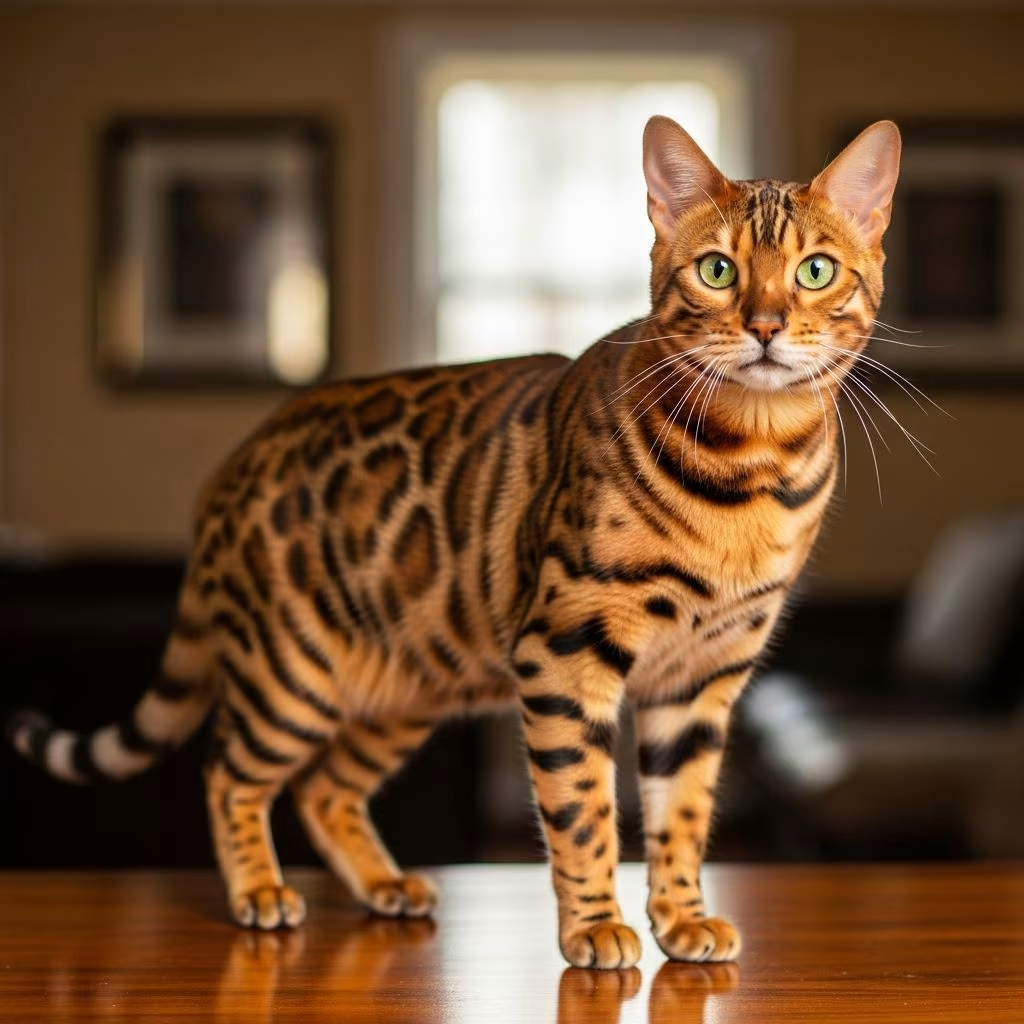
The Bengal cat stands out as a captivating hybrid breed, blending the striking visuals of wild felines with the companionship of household pets. Developed through selective breeding, these cats feature bold patterns and an energetic demeanor that make them a favorite among enthusiasts seeking something beyond the ordinary domestic cat.
Origins and Development of the Bengal Breed
The journey of the Bengal cat began in the United States during the early 1960s, driven by a passion to merge exotic aesthetics with pet-friendly qualities. Jean Mill, a geneticist with a background in feline breeding, initiated the process by mating a domestic cat with an Asian leopard cat, a small wild species native to Asia known for its spotted coat.
This first cross produced kittens with distinctive markings, but early generations retained much of the wildcat’s elusive nature. Mill’s work built on earlier experiments, including those by Dr. Willard Centerwall, who studied hybrid immunity for medical research. By incorporating breeds like the Egyptian Mau, Burmese, and American Shorthair, breeders refined the temperament over decades.
Challenges arose with sterility in early male hybrids, limiting progress until later generations stabilized. The International Cat Association recognized Bengals as an experimental breed in the 1980s, granting full championship status in 1991. Today, Bengals must be at least four generations removed from wild ancestry, carrying roughly 6% wild genetics while fully embodying domestic life.
Distinctive Physical Features
Bengals possess a medium-to-large, muscular build that exudes athleticism, with males often weighing 10-15 pounds and females slightly lighter. Their bodies are long and lean, supporting exceptional agility for jumping high and far.
The coat is the breed’s hallmark: short, thick, and plush with a glittery sheen that catches light dramatically. Patterns include vivid spots, rosettes, marbling, or arrowheads in shades of brown, snow, silver, or charcoal. Unlike typical tabby markings, Bengal spots are randomly placed, mimicking wild leopards.
| Pattern Type | Description | Common Colors |
|---|---|---|
| Spotted | Distinct circular or oval spots | Brown, snow |
| Marbled | Swirling, marble-like streaks | Silver, charcoal |
| Rosetted | Spots with darker centers | Brown, blue |
Head shape is broad with large, expressive almond-shaped eyes in green, gold, or blue, set on high cheekbones. Ears are medium-sized with rounded tips, and tails are thick and tapered.
Temperament and Behavioral Traits
Bengals are renowned for their bold, affectionate, and highly intelligent personalities. Far from aloof, they form strong bonds with owners, often following them room-to-room and craving interactive play.
- High Energy: These cats demand daily stimulation, excelling in puzzle toys, fetch, and even leash walks.
- Social Butterflies: Friendly with children, dogs, and other cats when properly socialized.
- Vocal and Unique: Instead of standard meows, they produce chirps, trills, and raspy barks.
- Curious Explorers: Love water play, climbing, and investigating, sometimes mastering tricks like door-opening.
Early generations (F1-F2) may show more independence or intensity, but modern Bengals are domesticated pets with kitten-like zest into adulthood.
Health Considerations and Lifespan
Bengals generally enjoy robust health, with a lifespan of 12-16 years. Their hybrid roots confer some natural resistance to feline leukemia, though vigilance is key.
Common concerns include:
- Hypertrophic Cardiomyopathy (HCM): Heart condition; regular ultrasounds recommended.
- Progressive Retinal Atrophy (PRA): Genetic eye disease; screening via DNA tests.
- Patellar Luxation: Knee joint issues in some lines.
Choose breeders who perform genetic testing through organizations like the Cat Fanciers’ Association. A balanced diet and exercise help prevent obesity.
Grooming and Daily Maintenance
Low-maintenance coats require weekly brushing to distribute oils and reduce shedding. Bengals self-groom efficiently but appreciate baths, often enjoying water.
Nail trims every 10-14 days, ear cleaning monthly, and dental care via brushing or additives prevent issues. Their active lifestyle keeps them fit, but provide scratching posts to protect furniture.
Nutrition and Feeding Guidelines
High-protein diets mimic their carnivorous heritage. Opt for quality kibble or wet food with real meat, avoiding fillers. Feed 1/4 to 1/2 cup dry food daily for adults, split into meals.
- Kittens: Frequent small meals for growth.
- Adults: Measured portions to maintain lean muscle.
- Seniors: Senior formulas for joint health.
Fresh water is essential; many Bengals prefer fountains. Monitor for allergies or sensitivities.
Ideal Living Environments
Bengals thrive in spacious homes with vertical spaces like cat trees and shelves. Apartments work if enriched with toys and playtime; they dislike isolation.
Supervised outdoor access via enclosures or harnesses satisfies curiosity safely. Families, singles, or multi-pet homes suit them well, provided introductions are gradual.
Training and Enrichment Strategies
Intelligence makes Bengals highly trainable. Use positive reinforcement for litter training, tricks, and commands. Clicker training excels for complex behaviors like high-fives.
Rotate toys, introduce foraging puzzles, and schedule play sessions to curb boredom-induced mischief like counter-surfing.
Bringing a Bengal into Your Home
Adopt from reputable breeders registered with TICA or CFA, prioritizing health clearances. Kittens should be handled from birth for sociability. Prepare with sturdy litter boxes, tall perches, and secure windows.
Budget for initial costs ($1,500-$3,000) plus ongoing expenses. Spay/neuter at appropriate ages to promote health.
Frequently Asked Questions
Are Bengal cats good for first-time owners?
They suit committed owners ready for high energy; not ideal for sedentary lifestyles.
Do Bengals get along with dogs?
Yes, often forming playful bonds with proper introductions.
How much exercise do Bengals need?
30-60 minutes daily of interactive play.
Can Bengals be left alone all day?
Prefer company; separation anxiety possible without enrichment.
Are Bengal cats hypoallergenic?
No, but low-shedding coats minimize allergens.
Conclusion: Embracing the Bengal Lifestyle
Owning a Bengal means welcoming adventure, loyalty, and visual splendor into your life. With proper care, these hybrids deliver decades of joy as devoted family members.
References
- Bengal Cat Breed: A Complete Guide — PrettyLitter. 2023. https://www.prettylitter.com/blog/bengal-cat-breed-a-complete-guide
- Bengal Cat Breed: History, Personality, Appearance, Health & Care — Heads Up For Tails. 2024. https://headsupfortails.com/blogs/cats/bengal-cat-breed
- Bengal History — Royal Bengal Cattery. 2023. https://royalbengalcattery.com/about-bengals/bengal-history.html
- Bengal — Governing Council of the Cat Fancy. 2025. https://www.gccfcats.org/getting-a-cat/choosing/cat-breeds/bengal/
- What is the Origin of the Bengal Breed — The Bengal Cats. 2024. https://www.thebengalcats.com/pages/what-is-the-origin-of-the-bengal-breed
- Bengal Cat — Cat Fanciers’ Association. 2025. https://cfa.org/breed/bengal/



