

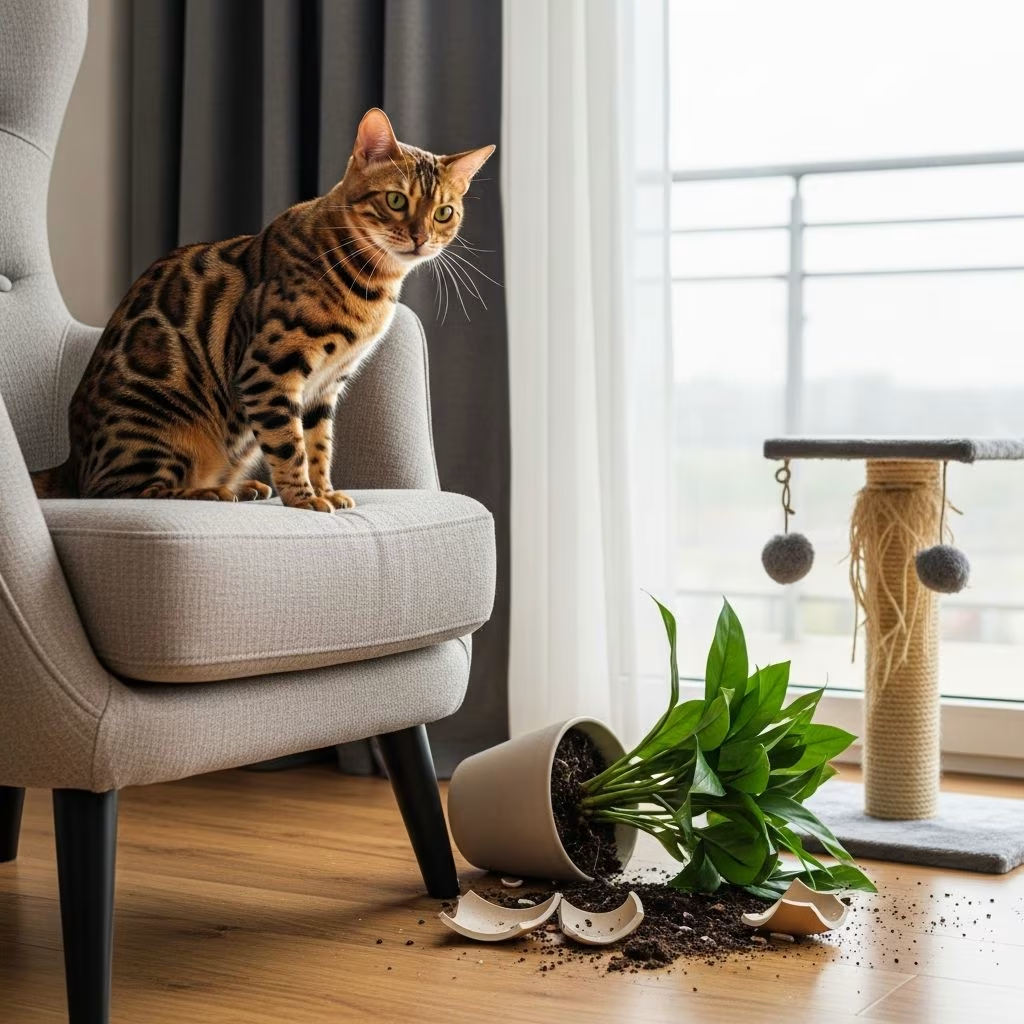
Bengal cats are renowned for their striking appearance and vibrant personalities, but their unique temperament comes with distinct behavioral challenges that differ significantly from conventional domestic cats. These intelligent and energetic felines require a nuanced approach to care and training that acknowledges their specialized needs. Understanding the root causes behind problematic behaviors is essential for creating a harmonious household with a Bengal cat.
The Foundation of Bengal Cat Behavior: Nature vs. Nurture
Bengal cats inherit their high-energy disposition from their ancestral lineage, which includes the Asian Leopard Cat. This genetic heritage results in cats that are inherently more active, intelligent, and emotionally demanding than traditional domestic breeds. However, it’s important to recognize that while their ancestry contributes to their baseline temperament, environmental factors and proper care play equally crucial roles in determining whether a Bengal develops problematic behaviors.
The key to successful Bengal ownership lies in recognizing that many behavioral issues are not inherent character flaws but rather communication attempts. When a Bengal exhibits unwanted behavior, the cat is often expressing unmet physical or emotional needs. By identifying and addressing these underlying causes, owners can transform challenging situations into opportunities for deeper bonding and enrichment.
Destructive Tendencies: Boredom as the Primary Culprit
Destructiveness ranks among the most frequently reported behavioral concerns in Bengal cats. These cats possess remarkable intelligence combined with boundless energy, creating a powerful drive to explore, manipulate, and investigate their environment. When this natural curiosity goes unsatisfied, Bengals channel their abilities into destructive outlets that frustrate their owners.
Common destructive behaviors include:
- Scratching or shredding furniture and upholstery
- Knocking over decorative objects and household items
- Chewing on shoes, cushions, and fabric materials
- Opening and ransacking drawers and cabinets
- Dismantling toys and household equipment
The destructive behavior pattern typically emerges when Bengal cats lack sufficient mental and physical stimulation throughout the day. Unlike many other cat breeds that contentedly nap for extended periods, Bengals become restless and anxious when left without engagement or activity options.
Addressing Destructive Behavior Through Environmental Enrichment
Effective management of destructive tendencies requires a multi-faceted approach centered on providing appropriate outlets for energy and curiosity:
- Interactive play sessions: Engage your Bengal in active play for at least 20-30 minutes daily using toys that simulate hunting behavior
- Vertical spaces: Install cat trees, wall-mounted shelves, and climbing structures to provide climbing and perching opportunities
- Puzzle feeders: Use food-dispensing toys to combine feeding time with mental stimulation
- Rotating toy selection: Periodically introduce new toys to maintain novelty and interest
- Harness training: Teach your Bengal to walk on a harness for outdoor exploration in a controlled manner
- Cat wheels: Provide specialized exercise equipment designed for high-energy cats
Aggression and Excessive Mouthing: Communication Through Intensity
Bengal cats can display aggressive behaviors that surprise owners unfamiliar with the breed’s communication style. These behaviors range from mild mouthing and nibbling to more forceful biting and physical aggression. Understanding the distinction between playful interaction and genuine aggression is crucial for appropriate response.
Bengals often express affection through gentle mouthing and nibbling, similar to how they would interact with littermates during kittenhood. However, when frustrated, bored, or overstimulated, this behavior can intensify into more aggressive manifestations. Aggression in Bengals typically signals that the cat’s emotional or physical needs require immediate attention.
Identifying the Triggers Behind Aggressive Responses
Common triggers for aggressive behavior in Bengals include:
- Insufficient playtime or physical exercise
- Hunger or thirst
- Dirty litter box conditions
- Lack of mental stimulation and cognitive engagement
- Overstimulation from petting or handling
- Territorial disputes with other pets
- Changes in routine or environment
When aggression emerges, the first step involves investigating whether the cat’s basic needs have been met. Has the Bengal had adequate playtime? Is the litter box clean? Has feeding time been delayed? Addressing these fundamental requirements often resolves aggressive episodes without requiring behavioral modification techniques.
Litter Box Avoidance: A Complex Behavioral Indicator
Inappropriate elimination represents one of the most frustrating behavioral challenges Bengal owners face. Unlike many cat breeds that may occasionally have litter box issues, Bengals seem particularly prone to using their environment as an alternative toilet when dissatisfied with their designated bathroom facilities.
This behavior warrants immediate investigation, as it can indicate either behavioral issues or underlying health problems. Dismissing the problem or attempting to punish the behavior without addressing root causes typically exacerbates the situation.
Investigating the Causes of Litter Box Rejection
| Potential Cause Category | Specific Issues | Recommended Solutions |
|---|---|---|
| Litter Box Cleanliness | Infrequent cleaning, odor accumulation | Increase scooping frequency to daily; consider multiple litter boxes |
| Litter Preferences | Type, texture, or depth inconsistent with cat’s preferences | Experiment with different litter types; maintain consistent depth |
| Box Location Issues | Insufficient number of boxes, poor placement | Provide multiple boxes throughout home; avoid high-traffic areas |
| Territorial Behavior | Bengal marking territory or asserting dominance | Neutering/spaying; pheromone products; multiple boxes |
| Health Concerns | Urinary tract infections, kidney disease, diabetes, bladder stones | Veterinary examination and diagnosis; appropriate medical treatment |
| Environmental Stress | New pets, household changes, anxiety | Gradual introductions; maintain routine; stress-reducing supplements |
Because Bengals are more territorial than many other cat breeds, they may require multiple litter boxes distributed throughout the home rather than the single-box setup that works for less demanding breeds. A general guideline suggests providing one litter box per cat plus one additional box, placed in separate locations.
Vocalization: The Talkative Bengal
Bengal cats are notoriously vocal, producing a wider range of sounds than many other feline breeds. Their communication extends beyond basic meowing to include chirps, trills, and complex vocalizations that reflect their high intelligence and emotional expressiveness.
This constant communication can surprise prospective Bengal owners who expect the relatively quiet nature associated with traditional domestic cats. Rather than meowing only when they have specific needs, Bengals appear to have commentary on daily activities and a general desire to engage in conversation with their human companions.
Excessive vocalization, particularly during nighttime hours, often indicates inadequate physical or mental stimulation during daylight hours. When Bengals lack sufficient outlets for their energy and intelligence, they become restless and communicate this frustration through increased vocalization.
Separation Anxiety and Isolation Stress
Bengal cats are notably prone to separation anxiety and struggle with prolonged periods of solitude more than typical cat breeds. While most cats are independent creatures comfortable with alone time, Bengals tend to form strong attachments to their human caregivers and experience genuine distress when separated.
This behavioral trait creates a particular challenge for working owners or those with lifestyle demands requiring extended periods away from home. Bengals with unmanaged separation anxiety may develop depressive symptoms, become destructive, or exhibit stress-related behaviors including elimination problems.
Managing Separation Anxiety in Bengal Cats
Practical strategies for reducing separation distress:
- Gradual acclimation: Systematically increase alone-time duration over weeks to help your Bengal adjust
- Companion animals: Consider adding another Bengal or similarly energetic cat to provide social interaction and engagement
- Environmental enrichment: Leave interactive toys, puzzle feeders, and window perches to maintain engagement during absence
- Predictable routine: Establish consistent departure and arrival times to reduce anxiety triggers
- Pheromone products: Use synthetic calming pheromones to create a soothing environment
- Professional pet sitting: Arrange mid-day visits from trusted caregivers to provide social interaction and activity breaks
Depression and Mood Disturbances in Bengal Cats
Bengal cats are susceptible to depression and mood changes triggered by various life circumstances. Unlike some breeds that remain relatively emotionally stable despite environmental changes, Bengals experience significant emotional responses to alterations in their daily lives or social circumstances.
Primary Contributors to Depressive Symptoms
Loneliness: Bengals form stronger bonds with their human families than many cat breeds, making them more vulnerable to emotional distress when relationships are strained or when they spend excessive time alone.
Routine disruptions: These cats thrive with consistent feeding schedules, playtime routines, and sleeping patterns. Abrupt changes to established routines can trigger depressive responses. When modifications to routine become necessary, gradual transitions over several weeks produce better outcomes than sudden changes.
Environmental upheaval: Moving to a new residence, introducing new household members or pets, or significant changes in the home environment can overwhelm Bengal cats emotionally, leading to depressive withdrawal or behavioral changes.
Depression in Bengals often manifests as excessive sleeping, loss of interest in play and activities, appetite changes, or withdrawn behavior. Because depressive states frequently escalate into aggression and other behavioral problems, addressing mood disturbances promptly is essential for overall wellbeing and household harmony.
Nutritional Influences on Behavior and Health
The connection between diet and behavior extends beyond simple caloric intake to encompass nutrient balance and digestive health. Bengal cats require carefully formulated nutrition to maintain stable energy levels and prevent health conditions that manifest as behavioral problems.
As obligate carnivores, Bengal cats have specific dietary requirements that differ from omnivorous species. Diets excessively high in carbohydrates can create digestive disturbances and nutritional imbalances that affect both physical health and behavioral stability. Felines lack the enzymatic capacity to efficiently process carbohydrates, making high-carb diets particularly problematic for this species.
Health Conditions Triggered or Exacerbated by Poor Nutrition
Kidney and urinary tract disease: Inappropriate elimination behaviors and aggression can indicate serious urinary or kidney problems rather than pure behavioral issues. Dietary factors significantly influence kidney health and urinary function, making nutrition a critical consideration in preventing these conditions.
Obesity and weight management: While Bengals’ natural activity levels generally help maintain healthy weight, excessive carbohydrate consumption can lead to weight gain and associated health complications. Overweight Bengals experience reduced mobility, decreased exercise capacity, and exacerbated behavioral problems stemming from physical discomfort.
Skin and coat conditions: Nutritional deficiencies can manifest as skin problems, coat deterioration, and itching that influences behavior and mood. A well-balanced diet rich in appropriate proteins and essential fatty acids supports skin health and overall physical wellbeing.
When to Seek Veterinary Intervention
Behavioral issues in Bengal cats frequently have medical underpinnings that require professional veterinary assessment. Before implementing behavioral modification strategies or becoming frustrated with persistent problems, ensure that underlying health conditions have been ruled out through comprehensive veterinary evaluation.
Any sudden changes in behavior, development of new behavioral patterns, or persistent behavioral issues warrant veterinary attention. Medical conditions including diabetes, thyroid disease, pain-related conditions, and various infections can all manifest as behavioral changes requiring medical rather than purely behavioral intervention.
Practical Implementation: Creating a Behavior-Friendly Environment
Successfully managing Bengal cat behavior requires a holistic approach addressing physical, environmental, emotional, and medical factors simultaneously. Rather than viewing behavioral problems as character flaws or disciplinary failures, reframe them as opportunities to better understand and meet your Bengal’s specialized needs.
The investment in understanding your Bengal cat’s behavioral patterns and implementing appropriate environmental modifications yields substantial rewards in the form of a more relaxed, content, and well-adjusted companion. With proper enrichment, consistent routines, appropriate nutrition, and genuine attention to their emotional and physical requirements, Bengal cats can transition from challenging household members to extraordinary feline companions.
References
- Bengal cat behaviour problems and solutions — Untamed. 2024. https://untamed.com/blogs/cat-breeds/bengal-cat-behavior
- Bengal Cat Behavior: Are They Prone to Unwanted Behavior Issues? — The Bengal Connection. 2024. https://thebengalconnection.com/articles/featured/bengal-cat-behavior/
- Are Bengals the Most Troublesome Cats? 10 Common Complaints About Them — A-Z Animals. 2024. https://a-z-animals.com/blog/are-bengals-the-most-troublesome-cats-common-complaints-about-them/



