

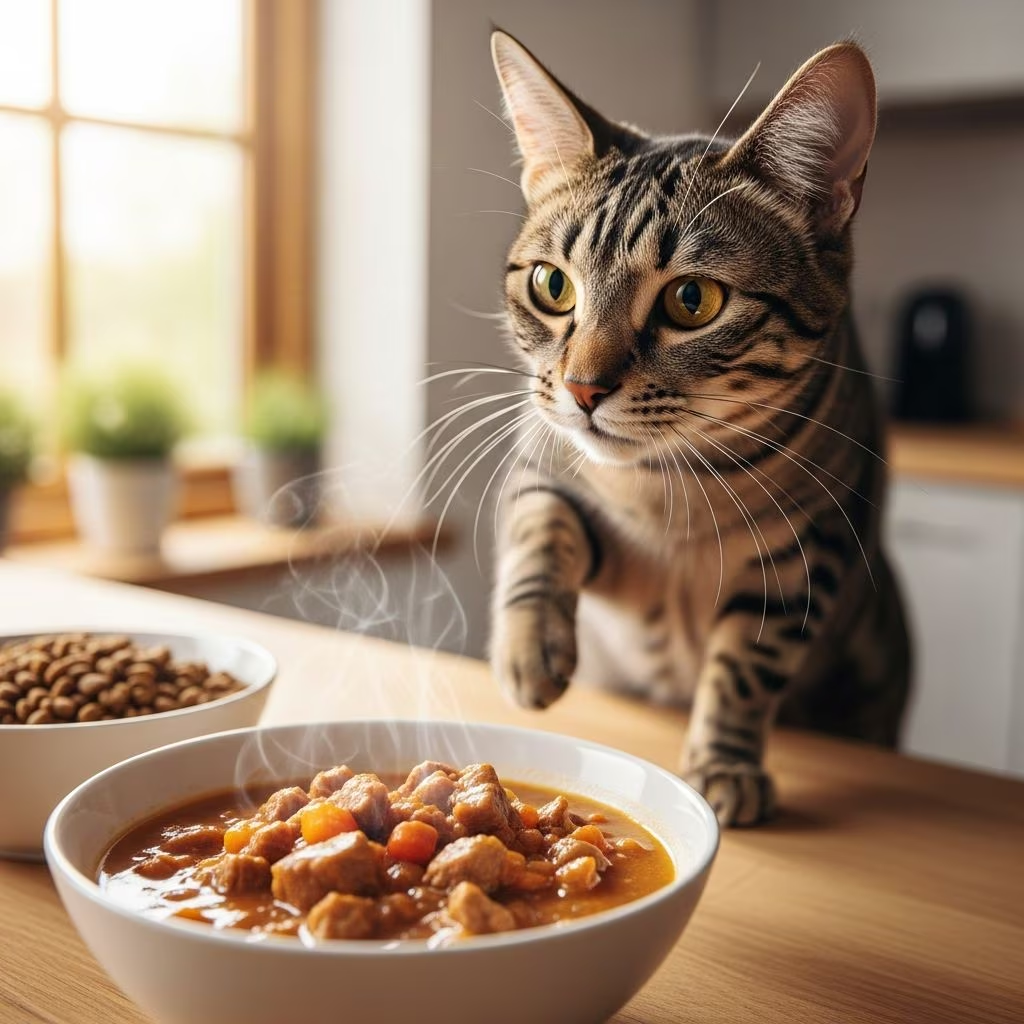
Do Cats Need Wet Food? 5 Benefits of Wet Cat Food
As a cat owner, you may wonder whether wet food is necessary for your feline companion or if dry kibble alone is sufficient. While cats can survive on dry food, incorporating wet food into their diet offers numerous health benefits that can significantly improve their quality of life. Understanding these advantages can help you make informed decisions about your cat’s nutrition and overall wellness.
1. High Moisture Content
One of the most significant benefits of wet cat food is its exceptionally high moisture content. Cats evolved from desert-dwelling wild cats that obtained most of their water intake from the prey they hunted in nature. This evolutionary background has left modern house cats with a naturally low thirst drive, meaning they often don’t drink enough water on their own to maintain optimal hydration.
Wet cat food typically contains approximately seven times more moisture than dry kibble, with moisture levels ranging from 70 to 90 percent. This substantial difference in hydration makes wet food an excellent way to ensure your cat receives adequate water intake throughout the day. According to veterinary experts, proper hydration is essential for maintaining long-term kidney and urinary tract health.
Water plays a critical role in your cat’s body by helping the kidneys filter impurities and waste products effectively. When a cat doesn’t consume sufficient water, the concentration of minerals in their urine increases, which can lead to serious health complications. Dehydration can result in bacterial infections and the development of crystals or stones in the urinary tract. If left untreated, these conditions can become life-threatening for your feline companion.
Additionally, adequate water consumption supports healthy digestion by keeping things moving smoothly through the digestive tract, helping to prevent constipation and other digestive issues. Male cats, in particular, benefit significantly from increased moisture intake due to their higher predisposition to urinary tract diseases.
2. Rich in Protein, Low in Carbohydrates
Cats are obligate carnivores, meaning their bodies are biologically designed to thrive on a diet high in protein and low in carbohydrates. This macronutrient profile mirrors the composition of the natural prey animals that wild cats consume in their native habitats. Unlike dogs, which are omnivores and can derive nutrition from various plant-based sources, cats require the amino acids and nutrients found primarily in animal proteins.
Wet cat food typically contains a higher proportion of quality protein and significantly fewer carbohydrates compared to dry kibble. This nutritional composition is more aligned with your cat’s evolutionary dietary needs. The high protein content supports the maintenance of lean body mass, which is crucial for strong muscles and overall physical function throughout your cat’s life.
This protein-rich, low-carbohydrate combination is particularly beneficial for cats that struggle with diabetes mellitus. High-carbohydrate diets can contribute to weight gain and metabolic dysfunction, increasing diabetes risk. By feeding your cat wet food with appropriate macronutrient ratios, you can help manage blood sugar levels and reduce the likelihood of developing this chronic condition.
3. Weight Management
Maintaining a healthy weight is one of the most important factors in ensuring your cat lives a long, healthy, and active life. Excessive weight in cats can contribute to numerous serious health conditions including arthritis, heart disease, elevated blood pressure, respiratory problems, and diabetes. Despite these risks, obesity remains a common problem among domestic cats, particularly those fed exclusively dry food diets.
Wet cat food is generally lower in calories compared to dry kibble, making it an effective tool for weight management. Because wet food contains significantly higher water content, your cat will feel fuller and more satisfied after consuming a smaller portion. This increased satiety helps prevent overeating and supports healthy caloric intake.
Research from the Waltham Centre for Pet Nutrition has demonstrated that when cats are fed high-moisture diets, they consume less total food, achieve and maintain healthier weights, and increase their activity levels compared to cats fed exclusively dry food. Some studies have shown that simply adding water to dry food, diluting its energy density, can increase voluntary activity and help cats maintain healthy body weight after caloric restriction.
4. Easier To Chew and Digest
The soft texture and high moisture content of wet food make it significantly easier for cats to chew and digest compared to hard, dry kibble. This benefit is particularly valuable for several categories of cats that may struggle with dry food. Kittens, whose baby teeth are still developing and not yet fully strong, find wet food much easier to consume and process.
Senior cats with worn or damaged teeth, or those experiencing age-related dental decline, greatly benefit from the softness of wet food. Cats suffering from dental disease or other oral health issues may experience pain or difficulty when trying to chew hard kibble, potentially leading to decreased food intake and malnutrition. Wet food eliminates these challenges while still providing complete nutrition.
Cats with sensitive stomachs or digestive sensitivities also benefit from wet food’s superior digestibility. The high moisture content allows the food to move more efficiently through the digestive tract, reducing the likelihood of vomiting or regurgitation. Additionally, wet food is highly digestible, meaning your cat’s body can absorb and utilize more of the nutrients present in each meal.
5. Enhanced Palatability
When given the choice, cats overwhelmingly prefer wet food over dry kibble due to its superior taste, aroma, and texture. The strong, appealing scent of wet food naturally entices cats and stimulates their appetite. This enhanced palatability is particularly beneficial for finicky eaters or cats with a reduced sense of smell due to age or health conditions.
Wet cat food comes in a diverse range of flavors and textures, allowing you to provide variety and prevent mealtime boredom. This variety can be especially helpful for cats that tend to lose interest in the same food over time. By rotating between different wet food options, you can maintain your cat’s enthusiasm for meals and encourage a healthy appetite.
The preference cats show for wet food often means they receive better nutrition because they’re more likely to eat the complete portion offered. This ensures your cat gets all the essential nutrients their body requires to maintain optimal health and vitality.
Special Considerations for Different Life Stages
Wet Food for Kittens
While kittens don’t strictly need wet food as long as they’re eating nutritionally balanced dry food and consuming adequate water, wet food offers substantial advantages for young cats. The easier digestibility and softer texture support healthy growth and development. Additionally, wet food helps establish good hydration habits early in life, which can benefit kidney health throughout adulthood.
Wet Food for Senior Cats
Senior cats benefit tremendously from wet food due to increased ease of consumption, improved hydration, and enhanced nutrient absorption. Wet food helps maintain lean body mass through adulthood and into a cat’s senior years, supporting mobility and reducing age-related muscle loss. The high protein content of quality wet food helps preserve muscle tissue that typically declines with age.
Wet Food for Cats with Health Conditions
Cats with specific health conditions, such as kidney disease, diabetes, or urinary tract issues, often benefit significantly from wet food. For cats with kidney disease, specialized renal support wet foods are typically formulated with lower phosphorus and protein levels to reduce the workload on failing kidneys while maintaining adequate hydration. The moisture content helps prevent the concentrated urine that can exacerbate urinary issues.
Nutritional Completeness of Wet Cat Food
Quality wet cat food provides complete and balanced nutrition, containing all the same essential nutrients as premium dry food options. These nutrients include:
- Iron: Supports healthy blood production and tissue function
- Zinc: Helps support immune system development and maintains skin, eyes, and bone health
- Biotin: Regulates energy release from food and promotes skin integrity and health
- Vitamins and minerals: Support overall metabolic function and systemic health
- High-quality proteins: Provide essential amino acids for muscle maintenance and repair
Wet Food and Eating Enjoyment
Many cat owners find that incorporating wet food into their cat’s diet increases overall eating enjoyment and mealtime satisfaction. Cats that are offered a combination of wet and dry foods often show greater enthusiasm for meals compared to those fed only kibble. Wet food can be used as a topper on dry food to make meals more enticing while combining the benefits of both food types.
This mixed feeding approach allows cats to satisfy their instinctive feeding behaviors while receiving optimal nutrition. The variety in protein sources and textures available in wet food formulations helps stimulate natural hunting and eating instincts, creating more engaging mealtimes for your feline companion.
Cost and Convenience Considerations
While wet food offers significant health benefits, dry food does provide certain practical advantages. Dry kibble is generally more cost-effective and offers greater convenience for busy cat owners. Many cats also prefer eating multiple small meals throughout the day, and dry food remains accessible in a bowl longer than wet food.
Rather than viewing wet and dry food as mutually exclusive options, many veterinarians recommend a mixed feeding approach that combines the benefits of both. This allows you to provide your cat with improved hydration and nutrition from wet food while maintaining some of the convenience and cost-effectiveness of dry kibble.
Frequently Asked Questions
Q: Do all cats need wet food?
A: No, all cats don’t strictly need wet food if they’re eating nutritionally balanced dry food and drinking adequate water. However, incorporating wet food into your cat’s diet provides significant health benefits and is especially beneficial for cats with low thirst drives, senior cats, kittens, and cats with dental or digestive issues.
Q: How much wet food should I feed my cat daily?
A: The appropriate amount depends on your cat’s age, weight, activity level, and overall health. Consult with your veterinarian to determine the right portion sizes for your individual cat’s nutritional needs.
Q: Can I mix wet and dry food together?
A: Yes, mixing wet and dry food is an excellent approach that combines the hydration and nutritional benefits of wet food with the convenience of dry kibble. Many cats actually prefer this combination.
Q: Is wet food better for cats with urinary problems?
A: Yes, wet food is particularly beneficial for cats with urinary tract issues. The increased moisture content increases urine production and dilutes the urine, reducing the formation of mineral crystals and stones that can cause urinary problems.
Q: How long does opened wet cat food last?
A: Once opened, wet cat food should be refrigerated and typically used within 24 to 48 hours. Always follow the manufacturer’s recommendations for food storage and safety.
Q: Will wet food help my overweight cat lose weight?
A: Wet food can support weight management because it’s lower in calories and higher in moisture content, helping cats feel fuller while consuming fewer calories. Combined with appropriate portion control and exercise, wet food can be an effective tool in weight loss programs.
References
- Wet Food Diet Promotes Recovery from Surgery of Castration and Control of Body Weight in Adult Young Cats — National Center for Biotechnology Information (NCBI). 2023. https://pmc.ncbi.nlm.nih.gov/articles/PMC9997781/
- Do Cats Need Wet Food? 5 Benefits of Wet Cat Food — Chewy. 2024. https://www.chewy.com/education/cat/food-and-nutrition/the-benefits-of-a-wet-food-diet-for-your-cat
- Do Cats Need Wet Food? Benefits of Including it in Their Diets — Purina. 2024. https://www.purina.com/articles/cat/feeding/guides/do-cats-need-wet-food
- The Benefits of Feeding Your Cat Wet Food — Cat Canton Rescue. 2024. https://catcantonrescue.org/new/wp-content/uploads/benefits_of_wet_food.pdf
- Do Cats Need Wet Food? A Vet Explains Pros & Cons — Whisker. 2024. https://www.whisker.com/blog/do-cats-need-wet-food
- Wet vs. Dry Cat Food, or Both? — PetMD. 2024. https://www.petmd.com/cat/nutrition/wet-cat-food-vs-dry-cat-food-which-better



