

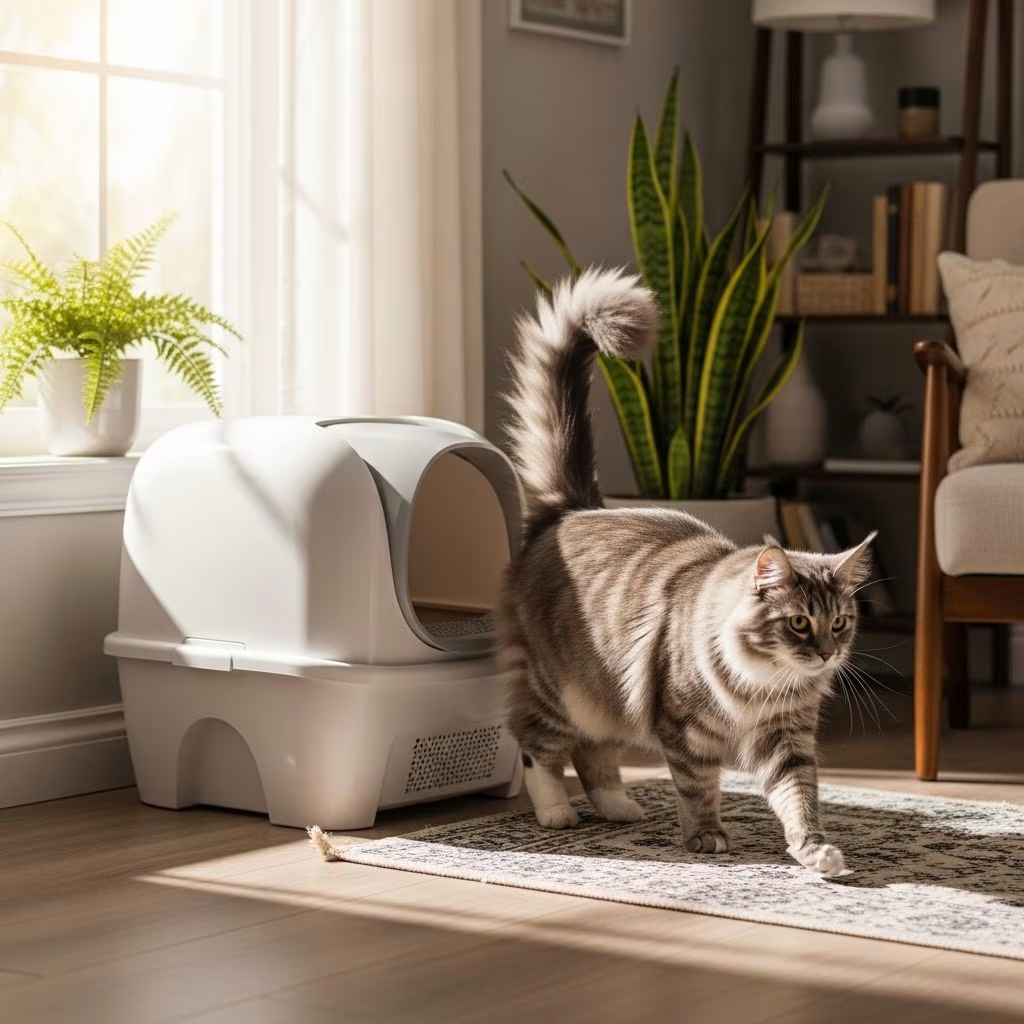
The Advantages of a Self-Cleaning Litter Box
Cat ownership comes with many rewarding moments, but managing a litter box is rarely one of them. Traditional litter boxes require daily scooping, a tedious chore that most pet owners would prefer to avoid. Self-cleaning litter boxes have revolutionized cat care by automating this unpleasant task, offering numerous benefits for both cats and their owners. These innovative devices detect when your cat has used the box and automatically remove waste into a sealed compartment, drastically reducing the time and effort required to maintain a clean litter box. Whether you’re a busy professional, a multi-cat household owner, or simply someone looking to improve your home environment, a self-cleaning litter box may be the solution you’ve been searching for.
Understanding Self-Cleaning Litter Boxes
Self-cleaning litter boxes use advanced technology to maintain cleanliness without manual intervention. Most models feature a rake or sifting system that activates shortly after your cat exits the box. The system detects motion and weight sensors to identify when the box has been used, then automatically rakes soiled litter and waste into a separate, sealed compartment designed to neutralize odors. This sealed waste receptacle keeps odors contained until you’re ready to empty it—a task that typically only needs to be done weekly or bi-weekly, depending on your household size. Modern automatic litter boxes are designed with both feline comfort and owner convenience in mind, incorporating safety features that prevent the cleaning cycle from activating while your cat is still in the box.
Spend Less Time Scooping
One of the most obvious and immediate benefits of investing in a self-cleaning litter box is the dramatic reduction in time spent on litter box maintenance. An obvious benefit of the automatic cat litter box is that you can go for weeks without even looking at a cat litter scooper and still have a happy cat. With traditional litter boxes, daily scooping is a non-negotiable part of cat ownership—a chore that consumes valuable time and energy.
By automating the scooping process, self-cleaning litter boxes free up hours each month that you can dedicate to more enjoyable activities. Instead of spending time dealing with soiled litter, you simply empty the waste compartment periodically and replace the litter tray liner when necessary. For busy professionals, parents, and anyone with a demanding schedule, this convenience factor alone makes self-cleaning litter boxes a worthwhile investment. The time savings multiply in multi-cat households, where managing multiple traditional litter boxes can become an overwhelming responsibility.
How Much Time Can You Save?
Consider the typical routine of a cat owner with traditional litter boxes: spending 10-15 minutes daily scooping, which translates to roughly 60-90 minutes per week. Over a year, that’s approximately 50-78 hours spent on a task most people find unpleasant. With a self-cleaning litter box, you might only need to empty the waste drawer once weekly for a single cat, or twice weekly for multiple cats, taking just a few minutes. This represents a time savings of 40-70 hours annually—time that can be spent with your cat, family, or pursuing hobbies.
Effective Odor Control
Cat litter box odors are one of the most common complaints among cat owners and a major factor that impacts the home environment. Another advantage of the automatic litter box is its exceptional ability to control odors. Self-cleaning litter boxes tackle this problem through multiple mechanisms working in concert to keep your home smelling fresh.
Self-cleaning litter boxes typically will clean up after your cat right away, sealing any waste in a separate, odor-neutralizing receptacle. The rapid removal of waste is crucial because odors intensify as waste sits and decomposes. By removing clumps and solid waste within minutes of use, self-cleaning boxes prevent the buildup of ammonia and hydrogen sulfide—the primary culprits behind unpleasant litter box smells. Additionally, many models feature carbon filters and sealed compartments that further neutralize odors, ensuring that even when the waste drawer is full, odors remain contained. You’ll still want to make sure to empty the waste receptacle regularly to keep odors to a minimum, but the frequency is far less than traditional daily scooping.
Multi-Layered Odor Control Systems
Modern self-cleaning litter boxes employ multiple strategies to combat odors effectively:
- Rapid waste removal: Waste is whisked away within minutes, preventing odor accumulation
- Sealed compartments: Waste is stored in completely sealed drawers that prevent airborne odor particles from escaping
- Carbon filtration: Many models include activated carbon filters that chemically neutralize remaining odors
- Covered designs: Semi-enclosed or covered litter bed configurations provide an additional barrier against odor spread
- Litter compatibility: These boxes work well with odor-neutralizing litters for enhanced freshness
Health Benefits for Your Cat
Beyond convenience and odor control, self-cleaning litter boxes provide significant health benefits for your feline companion. A dirty litter box can discourage cats from using it, leading to harmful behaviors such as holding in their urine. This can increase the risk of urinary tract infections (UTIs) and other related health issues. Cats are naturally clean animals and can become stressed or anxious when their litter box is not up to their standards.
Self-cleaning litter boxes contribute to improved hygiene by eliminating waste quickly and sealing it away, which reduces odors and the potential for bacterial growth. This promotes a sense of security and reduces stress for your cat, which is essential for their overall health. Studies have shown that cats are less likely to develop UTIs when they have access to a consistently clean litter box, as they are more inclined to use it regularly without discomfort or aversion due to unpleasant odors or waste accumulation.
Behavioral Benefits
Cats are territorial and may avoid a soiled litter box, leading to inappropriate elimination behaviors. Self-cleaning litter boxes automatically scoop waste after each use, ensuring that the litter box remains clean and odor-free at all times. This consistency means your cat is more likely to use the box reliably, reducing accidents outside the litter box and associated behavioral problems. A clean litter box also supports better stress management, as cats experience less anxiety about using a bathroom facility they find unpleasant.
Advantages for Multi-Cat Households
Households with multiple cats face unique challenges when it comes to litter box management. Traditional boxes quickly become soiled with multiple users, requiring frequent scooping and often necessitating multiple boxes to prevent territorial disputes. Self-cleaning litter boxes excel in multi-cat environments by maintaining consistent cleanliness that satisfies even the pickiest feline users.
In multi-cat households, cats may be more selective about using a litter box that is not pristine. By providing a consistently clean environment, self-cleaning boxes encourage all cats to use the same box without hesitation, promoting better litter box habits and reducing territorial disputes over preferred bathroom spots. The predictability of having a tidy litter box can alleviate anxiety in multi-cat households, where some cats may refuse to use a box that has been soiled by others. This often eliminates the need for multiple litter boxes, saving space and reducing overall maintenance requirements.
Reduced Territorial Issues
One of the most significant advantages of self-cleaning boxes in multi-cat homes is the reduction in territorial conflicts. When litter boxes remain pristine between uses, dominant cats are less likely to prevent subordinate cats from accessing the box, resulting in fewer inappropriate elimination incidents throughout the home.
Enhanced Hygiene and Cleanliness
Self-cleaning litter boxes significantly improve overall hygiene in your home. With a self-cleaning litter box, you minimize contact with cat feces and urine, reducing exposure to germs and drastically cutting down on odors. This benefit extends beyond just the litter box area—cleaner litter also means cleaner cat paws for a cleaner home.
The automatic cleaning process ensures that waste is removed consistently, reducing the risk of bacteria growth and maintaining a cleaner, healthier environment for both you and your cat. This consistent cleanliness is especially beneficial for households with multiple cats. Additionally, by reducing your direct contact with waste, you minimize your exposure to harmful bacteria and parasites, contributing to better overall household health. Your home will naturally smell fresher, and you’ll notice fewer litter box-related odors permeating different areas of your house.
Cost Efficiency and Long-Term Savings
While the initial investment in a self-cleaning litter box may be higher than that of a traditional box, the long-term savings can be substantial. Several factors contribute to these financial advantages over time. First, self-cleaning boxes use litter more efficiently. With self-cleaning litter boxes’ patented litter-sifting technology, only the clumps are removed and you don’t have to throw out the clean litter with the used litter, resulting in up to 50% litter saved and reducing waste. This efficiency means you purchase litter less frequently, directly reducing your ongoing expenses.
Second, you’ll require fewer litter boxes overall, particularly in multi-cat households. Instead of the traditional rule of providing one box per cat plus one extra, many households find they can consolidate to just one or two self-cleaning boxes. This reduces your initial purchase costs and eliminates the need to purchase replacement boxes frequently. Third, reduced litter consumption means less frequent purchases of cleaning supplies and less overall waste disposal, contributing to lower costs.
Cost Breakdown Comparison
| Expense Category | Traditional Box | Self-Cleaning Box |
|---|---|---|
| Annual Litter Cost | $300-500 | $150-250 |
| Replacement Boxes | $50-150/year | Minimal |
| Cleaning Supplies | $50-100/year | $20-40/year |
| Total Annual Cost | $400-750 | $200-350 |
Environmental Considerations
Self-cleaning litter boxes can also be more environmentally friendly than traditional options. By reducing litter consumption by up to 50%, these boxes significantly decrease the amount of waste sent to landfills. Many self-cleaning litter boxes are compatible with biodegradable or eco-friendly litters, further reducing your ecological footprint. By opting for a self-cleaning system, pet owners can make a more sustainable choice while still ensuring the comfort and health of their pets. This makes self-cleaning boxes an excellent option for environmentally conscious cat owners who want to minimize their household’s environmental impact.
Additional Advantages
Reduced Unpleasant Interactions with Waste
Dealing with cat waste is an unpleasant task and one of the least favorite aspects of cat ownership. An automatic litter box minimizes your direct interaction with waste, keeping the process as hands-off as possible. With self-cleaning boxes, waste is compartmentalized and can be disposed of quickly and easily, making the process as sanitary as it is straightforward. This psychological benefit shouldn’t be underestimated—many people find the reduced contact with waste makes them more motivated to maintain the litter box properly.
Peace of Mind When Traveling
Self-cleaning litter boxes provide peace of mind when you need to leave your cat at home briefly. Since you only need to empty the waste drawer every 7-10 days for a single-cat household and about twice per week for a multiple-cat household, you can depart on a short business or personal trip and not worry about your cat’s litter box situation. This reduces stress for both you and your cat, knowing that the litter box will remain clean even without daily intervention.
Frequently Asked Questions
Q: How often do I need to empty a self-cleaning litter box?
A: For single-cat households, most self-cleaning boxes need emptying once weekly. For multi-cat households, emptying twice per week is typically recommended. The exact frequency depends on the box model and number of cats using it.
Q: Do self-cleaning litter boxes work with all types of litter?
A: Most self-cleaning boxes are designed to work with clumping litter specifically. Some models are compatible with biodegradable or eco-friendly litters, but it’s important to check your specific box’s requirements, as non-clumping litter or certain specialty litters may not work properly with the raking mechanism.
Q: Are there safety concerns with automatic litter boxes?
A: Modern self-cleaning litter boxes include safety features like motion and weight sensors that stop the cleaning cycle if a cat enters the box. These devices have been specifically designed with feline safety in mind, though it’s always wise to supervise your cat during the first few uses to ensure they’re comfortable.
Q: Can older cats or kittens use self-cleaning litter boxes?
A: Most adult cats adapt well to self-cleaning boxes. Kittens may need time to adjust to the automatic cleaning process, and senior cats should be monitored to ensure they can comfortably access the box. Some older models may be too large or require more mobility than suitable for very young kittens or severely mobility-impaired senior cats.
Q: How much do self-cleaning litter boxes cost?
A: Self-cleaning litter boxes typically range from $300 to $500 for quality models, depending on features and brand. While this is a higher upfront investment than traditional boxes, the long-term savings in litter and supplies, combined with time savings, often justify the expense within one to two years.
Q: What happens if the power goes out?
A: Most self-cleaning litter boxes continue to function manually during power outages. You can typically scoop the box manually using the cleaning mechanism or temporarily use the box like a traditional litter box until power is restored.
Conclusion
Self-cleaning litter boxes represent a significant advancement in cat care technology, offering substantial benefits for both cats and their owners. From reducing the time spent on an unpleasant chore to providing improved odor control and enhanced hygiene, these automatic systems are transforming the way people manage cat litter boxes. The health advantages for your cat—including reduced stress, lower UTI risk, and better litter box habits—combine with the convenience and cost savings to make self-cleaning boxes an investment worth considering. Whether you’re managing a single cat or a multi-cat household, whether you’re busy or simply want to improve your home environment, a self-cleaning litter box can provide the solution that works for your situation.
References
- The Benefits of Self-Cleaning Litter Boxes — Meowant. 2024. https://meowant.com/blogs/buying-guide/the-benefits-of-self-cleaning-litter-boxes
- The Benefits of a Self-Cleaning Litter Box — Chewy. 2024. https://www.chewy.com/education/cat/general/the-advantages-of-a-self-cleaning-litter-box
- 8 Benefits of Switching to an Automatic Litter Box — The Refined Feline. 2024. https://www.therefinedfeline.com/8-reasons-why-you-should-switch-to-an-automatic-litter-box/
- Automatic Cat Litter Boxes: How They Work, Pros & Cost — Lady n Pet. 2024. https://ladynpet.com/us/how-do-automatic-cat-litter-boxes-work/
- Automatic Litter Boxes – Are They Worth It? 14 Factors to Consider — Litter Robot. 2024. https://www.litter-robot.com/blog/11-reasons-why-this-litter-box-will-change-your-life/



