

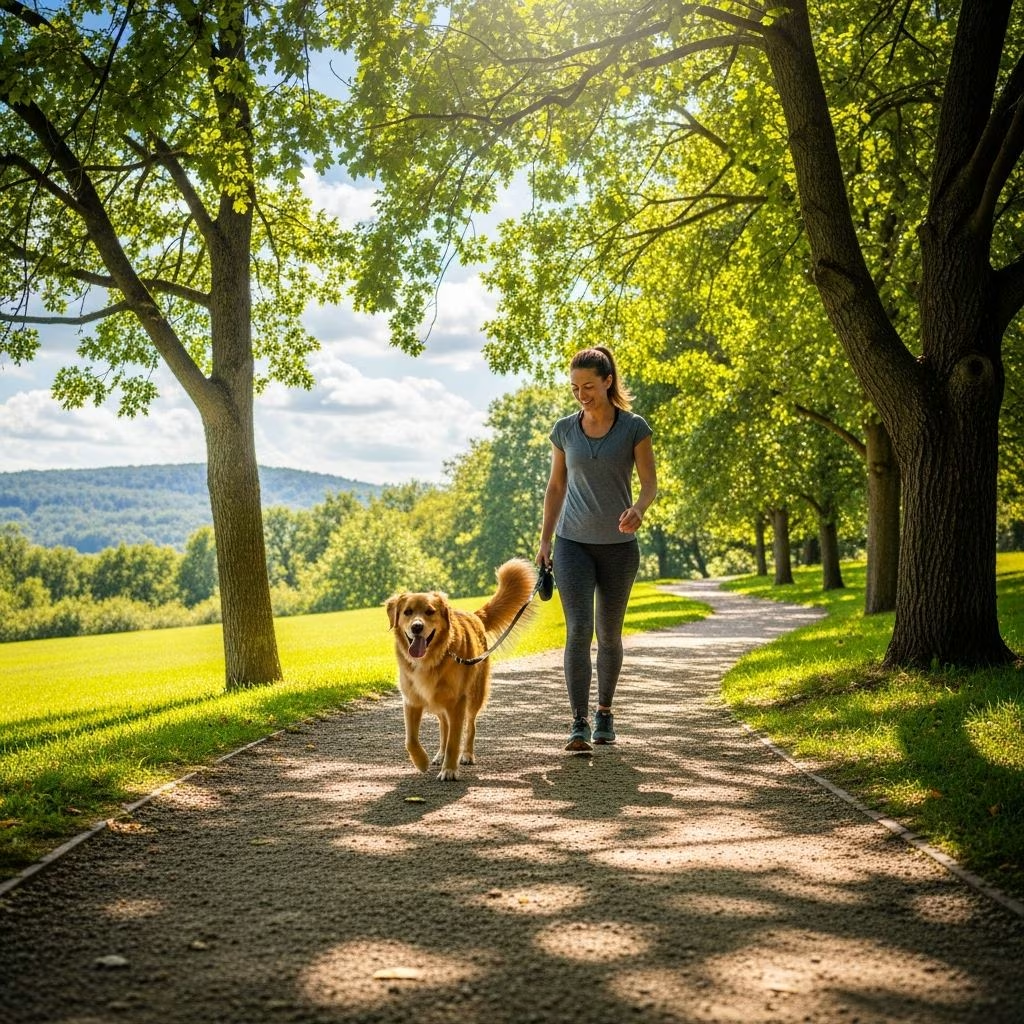
The Benefits of Walking Your Dog
Walking your dog is more than just a daily routine—it’s one of the most beneficial activities you can do for both your pet and yourself. Whether you have a high-energy breed that requires extensive exercise or a senior dog enjoying leisurely strolls, regular dog walking offers profound advantages that extend far beyond simple outdoor recreation. From physical health improvements to mental wellness and strengthened bonds with your furry companion, dog walking is a simple yet powerful activity that should be a cornerstone of responsible pet ownership.
Physical Health Benefits for Your Dog
Maintaining a Healthy Weight
One of the most significant benefits of regular dog walking is maintaining your pet’s optimal weight. Overweight dogs face numerous health complications, including joint problems, diabetes, heart disease, and reduced lifespan. Regular walks help burn calories and maintain lean muscle mass, keeping your dog at a healthy weight. Dogs that receive adequate exercise are far less likely to develop obesity-related conditions. A consistent walking routine, tailored to your dog’s age and breed, ensures your pet stays fit and active throughout their life.
Strengthening Cardiovascular Health
Daily walks strengthen your dog’s heart and improve overall cardiovascular function. Regular aerobic activity helps maintain healthy blood pressure, improves circulation, and reduces the risk of heart disease in dogs. Walking also supports respiratory health by keeping your dog’s lungs strong and efficient. These cardiovascular benefits are especially important for senior dogs, as consistent, moderate exercise helps maintain heart function and can extend quality years to your pet’s life.
Supporting Joint and Bone Health
Regular, moderate exercise is crucial for maintaining strong bones and healthy joints in dogs. Walking helps build and maintain muscle strength around joints, reducing stress on the skeletal system. For puppies, appropriate walking supports proper development of bones and joints. For senior dogs, consistent movement helps prevent stiffness and maintains mobility. However, it’s important to tailor walking intensity to your dog’s age and any existing joint conditions to prevent injury and strain.
Improved Digestive Function
Physical activity from regular walking promotes healthy digestion and bowel movements in dogs. Exercise stimulates the gastrointestinal system, helping prevent constipation and promoting regular, healthy elimination. Dogs that receive adequate daily exercise often have fewer digestive issues and maintain better overall gut health. Additionally, walking provides frequent opportunities for your dog to relieve themselves at appropriate times and locations.
Mental and Behavioral Benefits
Mental Stimulation and Cognitive Health
Walking exposes your dog to new sights, sounds, and smells, providing essential mental stimulation. Dogs are naturally curious animals, and the varied environment during walks keeps their minds engaged and active. This cognitive stimulation is particularly important for preventing boredom and the behavioral problems that often accompany it. Mental exercise during walks can be just as tiring as physical exercise, which is why dogs often rest peacefully after an engaging walk.
Reducing Behavioral Problems
Many common behavioral issues in dogs stem from insufficient exercise and mental stimulation. Dogs that don’t receive adequate daily walks may develop destructive behaviors like excessive chewing, digging, or furniture damage. Excessive barking, jumping on people, and other unwanted behaviors often decrease significantly with regular walking routines. By providing appropriate outlets for your dog’s energy and natural instincts, walking helps create a well-balanced, better-behaved companion. A tired dog is typically a well-mannered dog.
Building Confidence and Reducing Anxiety
Regular walks help socialize dogs and build their confidence in various environments. Exposure to different people, other dogs, and novel situations during walks desensitizes anxious dogs and helps them feel more secure. Dogs that receive consistent walking routines often display reduced separation anxiety and greater overall emotional stability. The predictability of a daily walking schedule also provides dogs with a sense of security and routine, which is psychologically beneficial for their wellbeing.
Physical Health Benefits for Humans
Increased Physical Activity
Dog walking is a practical way to incorporate regular physical activity into your daily routine. Research shows that dog owners who walk their dogs regularly achieve recommended levels of physical activity more consistently than non-dog owners. On average, dog owners engage in approximately 329 minutes per week of physical activity compared to 277 minutes for non-dog owners. Walking your dog for at least 30 minutes daily helps you meet the recommended 150 minutes of moderate-intensity exercise per week, significantly reducing your risk of chronic diseases.
Weight Management
Regular dog walking burns calories and helps maintain a healthy weight. Studies demonstrate that adults who regularly walk their dogs are significantly less likely to be obese than their non-dog-owning neighbors. The consistent physical activity from daily walks, combined with the behavioral accountability that pet ownership provides, contributes to better weight management outcomes. Dog owners who maintain regular walking routines also report healthier diets and better blood sugar control, which further supports overall cardiovascular health.
Cardiovascular and Disease Prevention Benefits
Walking for 30 minutes daily reduces the risk of coronary heart disease, osteoporosis, colon and breast cancer, and Type 2 diabetes. Dog walking is associated with lower blood pressure, reduced triglyceride and cholesterol levels, and improved overall heart health. Pet owners make 15% fewer annual visits to the doctor than non-pet owners, and people who continuously own a pet are healthier than those who cease pet ownership or never had one. Regular dog walking has even been associated with greater likelihood of surviving a heart attack.
Improved Mobility in Older Adults
Research demonstrates that regular dog walking—defined as at least four times per week—is associated with significantly improved mobility in older adults. Participants who walked their dogs regularly completed the Timed-Up-and-Go (TUG) test approximately 1.4 seconds faster on average (10.3 seconds versus 11.7 seconds) compared to non-dog walkers, indicating better balance and mobility. Regular dog walkers were 40% less likely to experience unexplained falls and 20% less likely to report fear of falling, a known factor in mobility avoidance and diminished quality of life.
Mental Health and Emotional Wellbeing
Stress Reduction and Relaxation
Dog walking serves as an effective stress reliever and relaxation activity. Research indicates that owners who walk their dogs experience feelings of being relaxed, care-free, and stress-free during and after the activity. Many dog owners report that walking their dogs is their primary source of stress relief and a cherished time for personal relaxation. The combination of physical activity, fresh air, and the calming presence of a beloved pet creates a powerful stress-reduction experience that benefits mental health significantly.
Increased Oxytocin and Bonding Hormone Release
Interacting with dogs during walks triggers the release of oxytocin, often called the “bonding hormone,” which fosters feelings of love, trust, and connection. Research shows that mutual gazing between a dog and human, along with extended periods of physical contact, significantly increases oxytocin levels in both species. This biochemical response contributes to improved mood, reduced anxiety, and stronger emotional bonds between owner and pet. The oxytocin release during dog walks supports not only mental wellbeing but also creates positive reinforcement for the walking habit itself.
Enhanced Mental Health Outcomes
Research published in the International Journal of Environmental Research and Public Health demonstrates that 82% of people found that dog walks benefitted their mental health. Dog walking promotes emotional wellbeing by providing routine, purpose, and companionship. The social and emotional aspects of dog ownership—responsibility for another living being, unconditional companionship, and the joy of shared experiences—contribute substantially to improved mental health outcomes. These psychological benefits extend beyond the walking itself to influence overall quality of life.
Social Benefits and Community Connection
Enhanced Social Interaction
Walking your dog naturally creates opportunities for social interaction with other people. Dog parks, neighborhood walks, and community spaces become venues for connecting with fellow dog owners and forming friendships. Dogs often serve as social catalysts, making conversations with strangers more comfortable and frequent. These social connections combat loneliness and isolation, which are recognized risk factors for various health conditions. Regular dog walking can expand your social network and strengthen community bonds.
Building Routine and Discipline
Maintaining a regular dog walking schedule requires commitment and self-discipline, even during inconvenient times or unfavorable weather conditions. This discipline often extends to other areas of life, contributing to improved time management and personal responsibility. Many dog owners express satisfaction from maintaining consistent routines for their pets, and this sense of structure provides psychological benefits. The commitment to regular walking also creates predictability in your day, which research suggests enhances overall wellbeing and life satisfaction.
Strengthening the Human-Animal Bond
Perhaps one of the most valuable benefits of regular dog walking is the strengthening of the bond between you and your pet. Daily walks provide dedicated time together, creating shared experiences and positive associations. Dogs that receive regular, consistent walking from their owners develop deeper attachment and trust. This strengthened bond translates into better behavior, improved communication between owner and pet, and greater overall satisfaction with pet ownership. The time invested in daily walks pays dividends in the form of a more fulfilling relationship with your canine companion.
Practical Tips for Successful Dog Walking
Determining Appropriate Walking Duration and Frequency
The ideal walking duration and frequency depend on your dog’s age, breed, size, and health status. Puppies require shorter, more frequent walks as their bones and joints are still developing. Adult dogs typically benefit from 30 minutes to 2 hours of walking daily, depending on breed energy levels. Senior dogs may prefer shorter, slower-paced walks but still need regular movement to maintain mobility and health. Consult with your veterinarian to determine the best walking regimen for your individual dog.
Choosing Safe Walking Routes
Select walking routes that are safe for both you and your dog. Well-maintained sidewalks, leash-friendly parks, and low-traffic areas are ideal. Avoid routes with excessive heat exposure, particularly for breeds sensitive to temperature extremes. Consider varying your walking routes to provide different mental stimulation and environmental variety. Always ensure your dog is visible to others, especially during early morning or evening walks.
Proper Equipment and Safety Gear
Invest in appropriate walking equipment, including a well-fitting collar or harness, durable leash, and identification tags. For night walks, consider reflective gear or LED collars to ensure visibility. Use retractable leashes cautiously, as they provide less control than standard leashes. Ensure your dog is up-to-date on vaccinations and parasite prevention before frequent outdoor walking.
Frequently Asked Questions About Dog Walking
Q: How often should I walk my dog?
A: Most dogs benefit from at least one to two walks daily. For optimal health benefits, especially in older adults, walking your dog at least four times per week is recommended. However, the ideal frequency depends on your dog’s age, breed, and health status. Puppies and high-energy breeds may require multiple daily walks, while senior dogs may need shorter, more frequent walks.
Q: What’s the minimum duration for an effective dog walk?
A: A minimum of 30 minutes of brisk walking daily can help meet recommended physical activity levels for both you and your dog. However, many dogs benefit from longer walks, especially high-energy breeds. Even shorter walks are beneficial if done consistently and regularly.
Q: Can dog walking help with behavioral problems?
A: Yes, regular dog walking significantly reduces behavioral issues by providing physical exercise, mental stimulation, and appropriate outlets for natural instincts. Dogs with inadequate exercise are more likely to develop destructive behaviors, excessive barking, and anxiety-related issues.
Q: Is dog walking beneficial for senior dogs?
A: Absolutely. Research shows that regular dog walking in older adults is associated with improved mobility, reduced fall risk, and better overall health outcomes. Senior dogs benefit from consistent, moderate-paced walking that maintains joint flexibility and muscle strength without overexertion.
Q: What are the health benefits for dog owners who walk regularly?
A: Dog owners who walk regularly experience improved cardiovascular health, better weight management, reduced stress and anxiety, enhanced mental wellbeing, and a lower risk of chronic diseases including heart disease, diabetes, and certain cancers. They also tend to have fewer doctor visits and better overall health outcomes.
Q: Can dog walking help with anxiety or depression?
A: Yes, dog walking has proven mental health benefits, including stress reduction, improved mood from oxytocin release, and enhanced social connection. The combination of physical activity, outdoor time, and companionship makes dog walking an effective tool for managing anxiety and depression symptoms.
Q: What if my dog has health issues or mobility problems?
A: Consult with your veterinarian about appropriate walking routines for dogs with health conditions. Many dogs with arthritis, heart conditions, or other issues still benefit from modified, shorter walks. Your vet can recommend the safest approach for your individual dog.
References
- The Association of Regular Dog Walking with Mobility, Falls and Fear of Falling in Later Life — Trinity College Dublin, Journals of Gerontology. 2025-01-20. https://academic.oup.com/biomedgerontology/advance-article/doi/10.1093/gerona/glaf010/7951863
- Dogs Taking Humans for a Walk: The Surprising Health Benefits of Our Canine Companions and the Human-Animal Bond — Stanford Lifestyle Medicine. https://lifestylemedicine.stanford.edu/dogs-taking-humans-for-a-walk-the-surprising-health-benefits-of-our-canine-companions-and-the-human-animal-bond/
- Odds of Getting Adequate Physical Activity by Dog Walking — National Center for Biotechnology Information (NCBI), NIH. https://pmc.ncbi.nlm.nih.gov/articles/PMC4535333/
- Encouraging Dog Walking for Health Promotion and Disease Prevention — National Institutes of Health (NIH). https://pmc.ncbi.nlm.nih.gov/articles/PMC6124971/
- No Bones About It: Dogs are Good for Your Health — Mayo Clinic Health System. https://www.mayoclinichealthsystem.org/hometown-health/speaking-of-health/dogs-are-good-for-your-health
- 82% of People Found That Dog Walks Benefitted Their Mental Health — Men’s Health UK, International Journal of Environmental Research and Public Health. https://www.menshealth.com/uk/mental-strength/a62564776/social-dog-walks-mental-health/
- Why Walking Your Dog is Good for Your Health — Orlando Health. https://www.orlandohealth.com/content-hub/why-walking-your-dog-is-good-for-your-health/



