

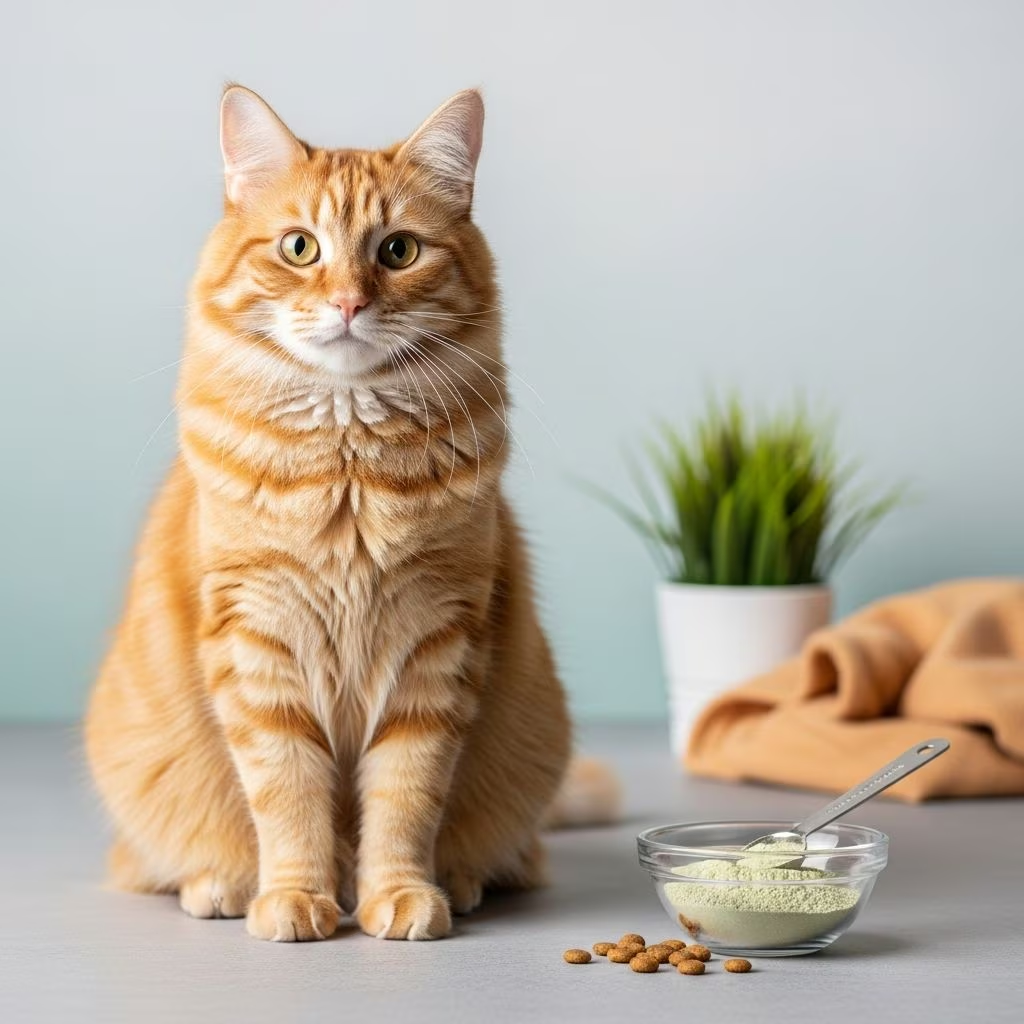
Probiotics are live beneficial bacteria that play a crucial role in maintaining a healthy balance of gut flora in cats, supporting digestion, immunity, and overall health. These microorganisms help counteract harmful bacteria, promote nutrient absorption, and strengthen the gastrointestinal barrier, making them a valuable supplement for many felines.
What Are Probiotics?
Probiotics are defined as live microorganisms that, when administered in adequate amounts, confer a health benefit on the host. In cats, they primarily reside in the gastrointestinal tract, where they help regulate the microbiome—a complex community of trillions of bacteria influencing digestion, immune function, and even behavior. A balanced gut microbiome is essential, as disruptions from diet changes, antibiotics, stress, or illness can lead to issues like diarrhea, constipation, and weakened immunity.
The feline gut hosts a delicate ecosystem where beneficial bacteria outnumber harmful ones. Probiotics replenish and reinforce this good bacteria, producing substances like lactic acid and short-chain fatty acids that inhibit pathogens and support intestinal integrity.
How Do Probiotics Work in Cats?
Probiotics work by colonizing the gut, competing with harmful bacteria for space and nutrients, and producing antimicrobial compounds. They enhance the gut barrier function, preventing toxins from entering the bloodstream, and modulate the immune system by stimulating antibody production and reducing inflammation.
For instance, certain strains increase butyric acid production, which nourishes colon cells and reduces gut inflammation. Studies show probiotics can alter microbial composition, boosting beneficial genera like Bifidobacterium animalis while decreasing pathogens associated with constipation and diarrhea in kittens and adult cats.
Types of Probiotics for Cats
Common probiotic strains for cats include:
- Lactobacillus: Breaks down lactose for dairy digestion, produces lactic acid to inhibit harmful bacteria, and supports overall gut health.
- Bifidobacterium: Enhances immune function, prevents pathogen growth, and produces beneficial short-chain fatty acids.
- Enterococcus faecium: Stabilizes gut flora, reduces chronic diarrhea, and improves mucosal immunity.
- Bacillus species: Reduces diarrhea incidence, improves nutrient digestibility, and provides antioxidant benefits.
Multi-strain or complex probiotics often combine these for broader effects, as seen in studies where they improved intestinal microbiota without altering diversity, promoting health in kittens.
Benefits of Probiotics for Cats
Improved Digestive Health
One of the primary benefits is better digestion. Probiotics balance gut bacteria, alleviating diarrhea, constipation, and inflammatory bowel issues. A study in kittens showed complex probiotics eliminated constipation, reduced Proteobacteria (linked to E. coli and GI disorders), and trended toward lower diarrhea incidence. In chronic diarrhea cases, Enterococcus faecium significantly improved symptoms by stabilizing flora and curbing inflammation.
They also ease dietary transitions and antibiotic-associated upset by restoring microbial balance quickly.
Boosted Immune Support
Approximately 70% of a cat’s immune system resides in the gut. Probiotics stimulate immune cells, enhance pathogen detection, and strengthen the gut barrier. Research indicates they boost antibody production and mucosal immunity, aiding recovery from illness or stress. By promoting healthy flora, they make cats more resilient to infections.
Enhanced Nutrient Absorption
Probiotics improve the breakdown and uptake of vitamins, minerals, and other nutrients. This leads to better overall nutrition, stronger bones, and vitality. Studies confirm increased digestibility and reduced odorous waste with strains like Lactobacilli and Bacillus.
Skin and Coat Health
Gut health directly impacts skin. Probiotics reduce dermatitis, excessive shedding, and allergies by curbing inflammation and improving nutrient use for fur and skin integrity. Pet owners report shinier coats and fewer flare-ups.
Allergy Relief
By modulating immune responses, probiotics lessen overreactions to allergens, potentially reducing food allergy symptoms.
Stress Management and Other Benefits
Stress disrupts gut flora; probiotics mitigate this, supporting behavior and well-being during moves or changes. They also counteract antibiotic side effects and provide antioxidant protection.
When Should You Give Your Cat Probiotics?
Consider probiotics in these scenarios:
- During digestive issues like diarrhea or constipation.
- After antibiotics to restore gut balance.
- Diet changes to prevent upset.
- For seniors, kittens, or stressed cats.
- Chronic conditions like IBD or allergies.
Not all cats need daily probiotics; healthy ones on balanced diets may maintain flora naturally. Always consult a vet.
Are There Risks or Side Effects?
Probiotics are generally safe, well-tolerated even by kittens, with rare mild GI upset initially. Choose cat-specific products to avoid inefficacy or imbalance from human strains. Overuse isn’t beneficial; follow dosing.
How to Choose and Administer Probiotics
Select vet-recommended, refrigerated products with guaranteed viable strains (CFUs >1 billion). Forms include powders, chews, or food additives. Administer with meals; monitor for 1-2 weeks.
| Factor | What to Look For |
|---|---|
| Strain Specificity | Cat-suited like Lactobacillus, Bifidobacterium |
| CFU Count | At least 1-5 billion per dose |
| Storage | Refrigerated for viability |
| Additives | No fillers; prebiotics (synbiotics) a plus |
Frequently Asked Questions (FAQs)
Should you give your cat probiotics?
Yes, if they have GI issues, are on antibiotics, or show signs of imbalance; consult your vet first.
What do probiotics do for cats?
They balance gut bacteria, aiding digestion, immunity, nutrient absorption, and skin health.
Can kittens have probiotics?
Yes, studies show they relieve constipation and support growth without issues.
Are human probiotics safe for cats?
Not ideal; cat-specific are better for efficacy and safety.
How long do probiotics take to work in cats?
Effects on diarrhea can appear in days; full benefits in 1-4 weeks.
References
- The Benefits of Probiotics for Cats — PetSmart. Accessed 2026. https://www.petsmart.com/learning-center/cat-care/the-benefits-of-probiotics-for-cats
- Probiotics for Cats: Gut Health Tips from Dr. Ruth Roberts — Dr. Ruth Roberts. Accessed 2026. https://drruthroberts.com/blogs/pet-blog/probiotics-for-cats
- Cat Probiotics 101: The Benefits, Types, and Tips — Noble Vet Clinic. Accessed 2026. https://noblevetclinic.com/blog/a-pet-owners-guide-to-probiotics-for-cats
- Probiotics for Cats: Keeping Your Feline’s Gut Running Purrfectly — Fera Pets. Accessed 2026. https://www.ferapets.com/blogs/fera-pet-organics-blog/probiotics-for-cats-keeping-your-feline-s-gut-running-purrfectly
- Complex Probiotics Relieve Constipation Through Regulation… — NIH/PMC. 2024. https://pmc.ncbi.nlm.nih.gov/articles/PMC11945230/
- Efficacy of probiotic, prebiotic, synbiotic and postbiotic… — Wiley Online Library. 2023. https://onlinelibrary.wiley.com/doi/10.1111/jsap.13822



