

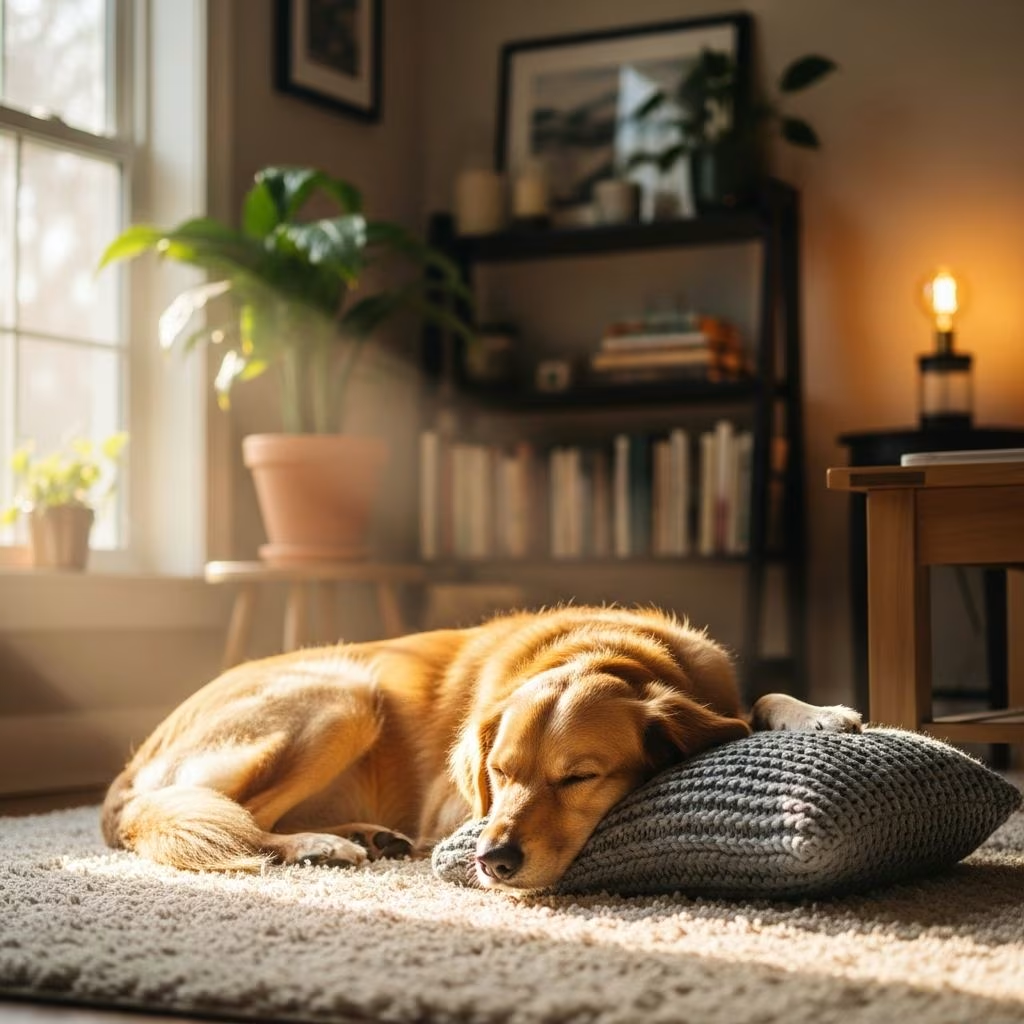
Keeping dogs primarily indoors with supervised outdoor time offers substantial advantages in safety, health, and emotional well-being compared to unrestricted outdoor access. This approach protects pets from environmental hazards while fostering stronger relationships with owners.
Enhanced Safety from Everyday Dangers
Indoor environments shield dogs from numerous external threats that can drastically shorten their lives. Free-roaming dogs face risks like vehicle collisions, attacks by wildlife or stray animals, exposure to toxic substances, and encounters with infectious diseases carried by other pets. By confining dogs to the home, owners eliminate these perils, allowing pets to live longer, healthier lives.
For instance, statistics highlight the devastating impact of outdoor roaming: free-roaming pets contribute to massive wildlife predation, but more critically, they suffer high mortality rates from preventable accidents. Indoor dogs avoid these issues entirely, receiving consistent protection under one roof.
Superior Health and Hygiene Standards
Indoor living promotes better overall health through controlled conditions and vigilant monitoring. Dogs inside the home stay clean, avoiding mud, parasites like fleas and ticks, and contaminants from soil or water sources. Climate-controlled spaces prevent heatstroke in summer or hypothermia in winter, conditions that plague outdoor dogs.
- Parasite Prevention: No exposure to tick-infested grasses or flea-ridden areas reduces infestation risks significantly.
- Illness Containment: Airborne diseases spread less in separated indoor spaces, unlike open outdoor parks.
- Joint Protection: Soft indoor flooring cushions paws and joints, unlike rough outdoor terrain.
Owners can spot early signs of illness—such as changes in appetite or mobility—prompting timely veterinary care, which extends lifespan and improves quality of life.
Strengthening the Human-Dog Bond
Proximity indoors cultivates deep emotional connections. Daily interactions build trust, reduce separation anxiety, and enhance training effectiveness. Dogs learn household routines, becoming more obedient and responsive to commands.
Shared living spaces mean more playtime, cuddling, and mutual comfort. Research shows pet ownership, particularly with indoor dogs, lowers owner stress, blood pressure, and boosts immunity through physical contact and routine activity. Dogs benefit reciprocally, gaining security from constant companionship.
Addressing Exercise and Mental Stimulation Needs
A common concern with indoor dogs is insufficient activity, but structured routines counter this effectively. Indoor dogs require daily walks, play sessions, and enrichment toys to prevent obesity and boredom-induced behaviors like chewing.
Benefits of indoor-focused activity include weather-independent exercise. Rain or extreme temperatures no longer limit movement; dogs thrive in heated or cooled play areas. Supervised indoor socialization at facilities mimics outdoor benefits safely.
| Activity Type | Indoor Options | Benefits |
|---|---|---|
| Physical Exercise | Tug-of-war, fetch in hallways, treadmill walking | Maintains fitness without weather exposure |
| Mental Stimulation | Puzzle toys, scent games, training drills | Reduces destructive habits, builds confidence |
| Socialization | Playdates at indoor parks, family interactions | Safe peer learning, anxiety reduction |
Environmental and Community Advantages
Indoor dogs minimize ecological harm. They don’t chase wildlife, dig up gardens, or spread waste uncontrollably, preserving local biodiversity. Free-roaming dogs disrupt ecosystems, but leashed, supervised outings maintain balance.
Communities benefit too: fewer stray incidents, reduced noise complaints from unchained barking, and lower shelter intakes from lost pets.
Practical Tips for Successful Indoor Dog Living
Transitioning to indoor primacy requires planning. Start with a comfortable crate as a secure den, aiding potty training and stress relief. Provide varied toys rotating weekly to sustain interest.
- Schedule 30-60 minutes of daily walks in safe areas.
- Install baby gates for safe room division.
- Use interactive feeders for meal-based puzzles.
- Enroll in indoor daycare for socialization bursts.
For apartments, vertical space matters: wall-mounted ramps or cat trees adapted for dogs expand territory.
Health Monitoring and Veterinary Insights
Indoor access simplifies routine care. Vaccinations stay current without exposure gaps, and dental checks occur proactively. Monitor weight weekly to avert obesity, a risk from sedentary tendencies.
Balanced nutrition supports indoor vitality: high-protein kibble with joint supplements for active pups. Annual bloodwork detects issues early, leveraging the health edge of home monitoring.
Common Myths About Indoor Dogs Debunked
Myth: Indoor dogs lack exercise opportunities. Reality: Owners control routines, often exceeding outdoor dogs’ activity.
Myth: Dogs need vast outdoor space. Reality: Many breeds thrive in compact homes with mental engagement over physical expanse.
Myth: Indoor life bores dogs. Reality: Enrichment toys and games provide endless variety.
FAQs
Can all dog breeds adapt to indoor living?
Yes, most breeds do well indoors with proper exercise. High-energy types like Border Collies need more structured play, but small breeds like Chihuahuas excel effortlessly.
How much outdoor time is enough?
20-60 minutes daily of leashed walks suffices, prioritizing quality over quantity for scent exploration and relief.
What if my dog shows separation anxiety?
Gradual alone-time training with toys and crate comfort resolves this; consult trainers for persistent cases.
Are indoor dogs happier?
Studies indicate yes, due to safety, bonding, and stimulation matching natural needs safely.
How to prevent boredom indoors?
Rotate toys, teach tricks, use sniff mats, and incorporate family games for constant novelty.
Long-Term Outcomes of Indoor Living
Dogs kept indoors often reach 12-15 years, outpacing outdoor counterparts by years. Quality improves too: fewer injuries mean playful seniority. Owners report profound fulfillment from lifelong companionship.
In summary, indoor living aligns with modern pet care, balancing instinctual needs with urban realities. Commit to this model for a thriving, joyful dog.
References
- How Indoor Playtime Can Benefit Your Dog — Dogtopia. 2023. https://www.dogtopia.com/blog/how-indoor-playtime-can-benefit-your-dog/
- Should dogs be kept exclusively indoors? — HowStuffWorks. 2022. https://animals.howstuffworks.com/pets/should-dogs-be-kept-exclusively-indoors.htm
- Why It’s Safer to Keep Pets Indoors (With Supervised Outdoor Time) — Face4Pets. 2024. https://face4pets.org/articles/why-its-safer-to-keep-pets-indoors-with-supervised-outdoor-time
- The Debate: Indoor vs Outdoor Dog Living — Smart Scoops. 2023. https://smartscoops.com/the-debate-indoor-vs-outdoor-dog-living/
- Outside Dogs vs. Inside Dogs — The Dog Kennel Collection. 2024. https://www.thedogkennelcollection.com/blog/outside-dogs-vs-inside-dogs/
- Pros And Cons Of Having Indoor Pets — Terri Steffes. 2022-11-01. https://www.terristeffes.com/2022/11/pros-and-cons-of-having-indoor-pets.html
- Keeping Pets Active Indoors — Pet Food Institute. 2023. https://www.petfoodinstitute.org/keeping-pets-active-indoors/



