

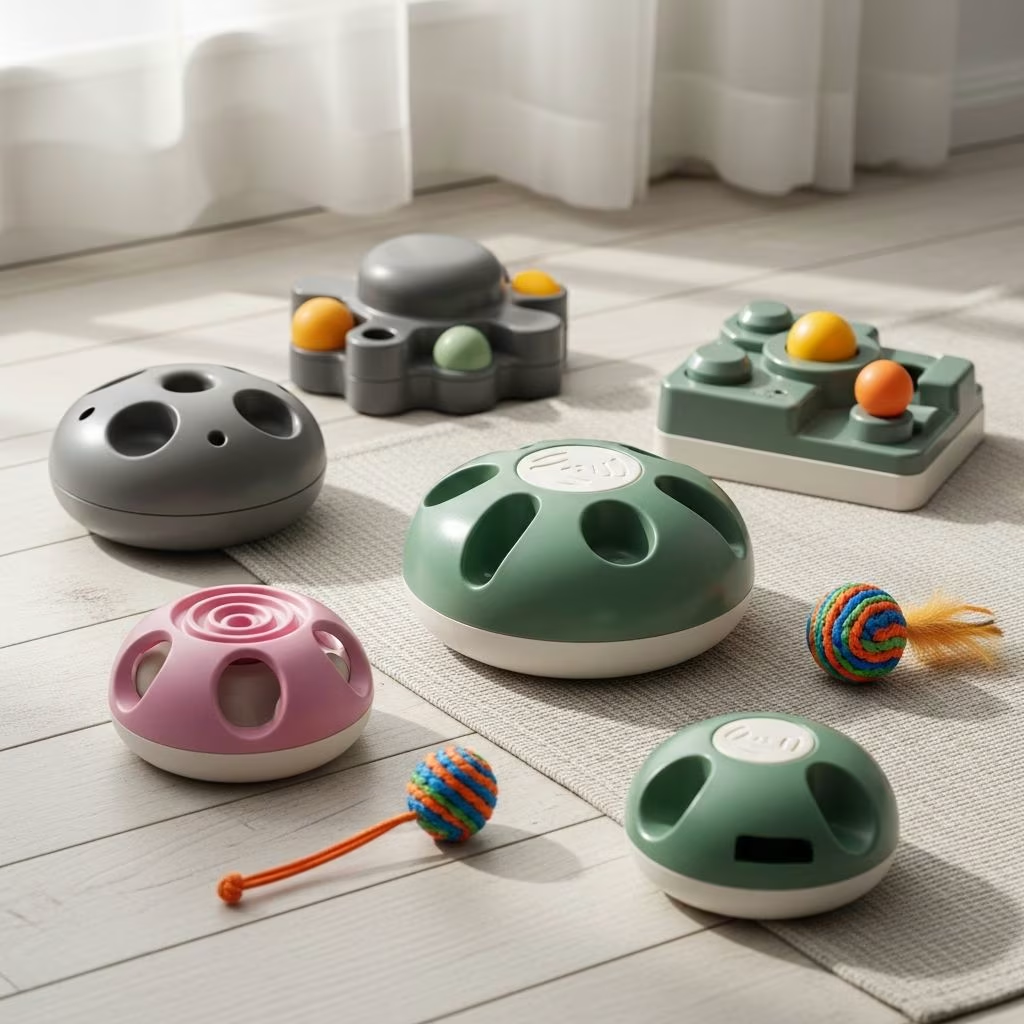
Benefits of Cat and Dog Puzzle Toys: Mental Stimulation & Enrichment
Pet owners are increasingly recognizing that their furry companions need more than just food and shelter to thrive. Puzzle toys have emerged as one of the most effective tools for promoting both mental and physical well-being in cats and dogs. These interactive games challenge your pet to think, explore, and problem-solve while tapping into their natural instincts. From treat-dispensing toys and sliding compartments to spinning wheels and foraging mats, puzzle toys offer a dynamic way to keep your pet engaged, active, and content.
What Are Puzzle Toys?
Puzzle toys are interactive games designed to engage a pet’s natural curiosity and problem-solving abilities. Unlike traditional chew toys or balls, these toys typically involve some form of challenge that requires your pet to solve a puzzle to access a reward, usually a treat. They come in various types and complexities, ranging from simple treat-dispensing balls to advanced multi-level puzzle boards with sliding panels and hidden compartments. Puzzle toys tap into your cat’s or dog’s instinct to hunt, forage, and strategize, all while keeping them active and mentally sharp.
Key Benefits of Puzzle Toys for Pets
1. Mental Stimulation and Cognitive Engagement
One of the most significant benefits of puzzle toys is the mental stimulation they provide. Puzzle toys challenge pets to think and solve problems, engaging their cognitive abilities in meaningful ways. This mental workout keeps their brains active and helps reduce boredom, which is often the root cause of behavioral problems in pets. For example, a dog working on extracting treats from a puzzle ball will be too focused to engage in unwanted behaviors like chewing on furniture or excessive barking.
Mental stimulation through puzzle toys can be surprisingly tiring for pets. A pet that has engaged their brain through puzzle play often becomes happily exhausted, making it an excellent complement to physical exercise. Regular engagement with puzzle toys also boosts problem-solving skills and may even slow down cognitive decline as pets age, potentially helping with conditions like Canine Cognitive Dysfunction (CCD).
2. Physical Activity and Movement
Many puzzle toys encourage movement, whether it’s a cat batting at a toy with moving parts or a dog pushing and pawing at a treat-dispensing ball. This physical engagement helps pets expend energy in constructive ways rather than through destructive behaviors. For pets that may otherwise be a little too relaxed, puzzle toys provide an opportunity to stay active while having fun.
Puzzle toys that are designed for movement, such as balls and egg-shaped toys, are particularly effective at appealing to your cat’s inner predator. These toys encourage pouncing, chasing, and batting, providing both mental and physical enrichment simultaneously. The combination of mental and physical activity helps prevent obesity and maintains overall fitness levels.
3. Mimicking Natural Behaviors and Instincts
Cats and dogs are natural hunters, with strong instincts to stalk, chase, catch, hunt, and forage derived from their wild ancestors. Puzzle toys are a great way to tap into that natural behavior by letting your pet “hunt” for their treats or food. It keeps their brains busy, their bodies moving, and helps them feel more satisfied and happy overall, especially for indoor pets who may not have access to outdoor hunting opportunities.
Puzzle toys satisfy your pet’s instinct to hunt and forage, instincts that remain strong even in the most pampered house cat or dog. Giving your pet a way to “work” for their food or treats provides a sense of purpose and fulfillment that a regular food bowl simply cannot match. This engagement with natural behaviors helps reduce anxiety and promotes overall well-being.
4. Weight Management and Healthier Eating Habits
Some puzzle toys and lick mats can slow down how quickly your pet eats and encourage them to be more active. Instead of gulping food all at once, your pet earns each bite through play, supporting better digestion and helping prevent overeating. For pets that tend to gulp down their food, puzzle feeders encourage slower eating, which not only makes mealtime more engaging but also promotes better digestion and reduces the risk of bloat in dogs.
This slower eating pace has several health benefits. It allows pets to feel fuller for longer, reducing the tendency to overeat. Better digestion also means improved nutrient absorption and fewer digestive issues. For overweight pets, incorporating puzzle feeders into their daily routine can be an effective part of a weight management strategy.
5. Behavioral Support and Anxiety Reduction
Boredom and frustration can contribute to unwanted behaviors like scratching furniture, excessive vocalization, destructive chewing, or aggressive play. Providing engaging activities like puzzle toys can help reduce anxiety and channel your pet’s energy in positive ways. For pets that struggle when left alone, puzzle toys offer a constructive distraction and can ease the stress of separation anxiety.
By keeping their minds occupied, puzzle toys can reduce anxiety-driven behaviors like excessive barking or destructive chewing. Engaging their minds with puzzles or interactive toys can help calm their nerves and provide a distraction from stressful situations. This makes puzzle toys particularly valuable for pets with separation anxiety or those prone to stress-related behaviors.
6. Training and Socialization Benefits
Puzzle toys are also a great way to help train and socialize younger pets. When puppies or kittens play with a puzzle toy, it helps them develop a comfort level with inanimate items of different shapes, smells, textures, sizes, movements, and unexpected surprises. They learn that unfamiliar items aren’t a threat and can be rewarding to interact with.
Puzzle toys promote exploratory behavior and help build a pet’s confidence. A curious puppy or kitten is more likely to grow into a confident adult with better problem-solving skills and a lower anxiety threshold. This early exposure to interactive toys sets the foundation for a lifetime of positive engagement with enrichment activities.
7. Strengthening the Bond Between You and Your Pet
Interactive puzzles not only help to keep your pet mentally stimulated, but they can also help to strengthen the bond between you and your pet.[10] When you play together or watch your pet engage with puzzle toys, you’re actively participating in their enrichment and demonstrating care for their well-being. This shared experience enhances your relationship and creates positive associations with interactive play.
Types of Puzzle Toys for Different Pet Preferences
Treat-Dispensing Toys
Treat-dispensing toys are among the most popular puzzle options. These toys release treats intermittently as your pet manipulates them in specific ways. They can be balls, bones, or other shapes that provide a simple yet engaging challenge. Examples include the KONG Treat Dispensing Ball Cat Toy and the All For Paws Modern Cat Mouse Treat Dispenser, which offer engaging problem-solving for clever pets.
Interactive Puzzle Boards
These toys involve sliding panels, levers, or flaps that pets must maneuver to uncover hidden treats. They are great for advanced puzzle-solving and work well for both dogs and cats. More challenging options like the Catit Design Senses 2 Level Treat Maze Cat Toy or Catit Senses 2.0 Digger Cat Toy offer more complex problem-solving for the clever kitties.
Snuffle Mats
Snuffle mats mimic the natural foraging experience, requiring pets to sniff out treats hidden among fabric layers. They are ideal for dogs and cats that enjoy using their sense of smell. These mats encourage natural foraging behaviors and are particularly useful for pets that benefit from slower, more intentional treat consumption.
Multi-Level Puzzle Toys
For cats that are older or less active due to health issues like arthritis, stationary, multi-level puzzle toys are excellent options. These toys are designed so cats can use their paws to fish out the food or push it over to an opening where it drops down onto a tray for them to eat. This design accommodates pets with mobility limitations while still providing mental stimulation.
Moving and Chasing Puzzle Toys
For more active play, puzzle toys that your pet can chase, bat, or kick around the house encourage even more movement and help keep them physically engaged. Balls and egg-shaped puzzle toys designed for movement are a great way to appeal to your pet’s inner predator, while toys that look like mice or other furry creatures are designed to release treats when your cat tosses them around or pounces on them.
How to Incorporate Puzzle Toys Into Your Pet’s Routine
Puzzle toys are easy to build into your pet’s daily routine in meaningful ways. Try setting one out before you leave for work, or offer it in the evening before bed. Since cats are naturally most active at dawn and dusk, puzzle time fits perfectly around these instinctive “hunting” periods.
For dogs, while regular physical exercise is crucial, it’s not always feasible for owners to provide endless hours of physical activity. Puzzle toys offer a practical solution by providing mental exercise that can tire a dog out just as effectively as a long walk, especially for high-energy breeds. Alternating between physical exercise and mental stimulation through puzzle toys provides a well-rounded enrichment strategy.
There’s a growing movement among pet parents towards providing “enrichment” activities for their pets—activities that tap into their natural instincts and stimulate their senses. Incorporating puzzle toys into your daily pet care routine is an excellent way to participate in this enrichment movement and support your pet’s overall health and happiness.
Comparison: Puzzle Toys vs. Traditional Toys
| Feature | Puzzle Toys | Traditional Toys |
|---|---|---|
| Mental Stimulation | High – requires problem-solving | Low – limited engagement |
| Physical Activity | Moderate to High | Moderate |
| Duration of Engagement | Extended – sustains interest | Short – quickly loses appeal |
| Natural Instinct Appeal | High – mimics hunting/foraging | Limited – basic play patterns |
| Behavioral Benefits | Reduces destructive behaviors | May not prevent boredom issues |
| Reward System | Treats or prizes earned through play | No reward mechanism |
Frequently Asked Questions About Puzzle Toys
Q: At what age can I introduce puzzle toys to my pet?
A: You can introduce puzzle toys to puppies and kittens as early as 8-12 weeks old. Start with simpler puzzles and gradually progress to more complex ones as your pet develops problem-solving skills.
Q: How long should my pet play with puzzle toys each day?
A: Most pets benefit from 15-30 minutes of puzzle toy engagement daily. This can be split into multiple sessions throughout the day, particularly during times when your pet is naturally active (dawn and dusk for cats).
Q: Are puzzle toys suitable for all types of pets?
A: Yes, puzzle toys come in various difficulty levels and designs suitable for different ages, sizes, and activity levels. From senior pets with mobility issues to high-energy younger animals, there’s a puzzle toy option for every pet.
Q: Can puzzle toys help with separation anxiety?
A: Yes, puzzle toys can be particularly helpful for pets with separation anxiety. They provide mental engagement and distraction while you’re away, helping to reduce anxiety-driven behaviors like excessive barking or destructive chewing.
Q: How often should I rotate puzzle toys?
A: Rotating puzzle toys every 1-2 weeks helps maintain your pet’s interest and prevents boredom. Even familiar toys can seem “new” after a brief absence from rotation.
Q: Are puzzle toys safe for unsupervised play?
A: Most quality puzzle toys are designed to be safe for unsupervised play. However, always check that toys are age-appropriate, durable, and free from small parts that could be choking hazards. Supervise initially to ensure your pet uses the toy correctly.
The Takeaway
Puzzle toys are far more than a passing trend—they are essential tools for promoting your pet’s mental and physical well-being. They represent a shift towards more mindful pet care, where mental health and enrichment are just as important as physical exercise. By offering an outlet for your pet’s natural instincts and providing consistent challenges, puzzle toys can significantly reduce boredom and prevent destructive behaviors, while strengthening the bond between you and your beloved companion.
Whether you’re introducing a KONG treat-dispensing toy, a snuffle mat, or an advanced sliding puzzle board, incorporating these toys into your pet’s daily routine will keep them happy, engaged, and well-behaved. After all, a busy pet is a content pet, and a content pet makes for a harmonious home. Puzzle toys represent an investment in your pet’s long-term health, happiness, and behavioral well-being—making them one of the most valuable additions to your pet care arsenal.
References
- The Benefits of Cat Puzzle Toys: Mental Stimulation, Enrichment & Play — Pet Direct. 2024. https://petdirect.co.nz/blog/benefits-of-cat-puzzle-toys
- The Role of Puzzle Toys in Preventing Boredom and Destructive Behavior in Pets — Family Pet Health. 2024. https://familypethealth.com/the-role-of-puzzle-toys-in-preventing-boredom-and-destructive-behavior-in-pets/
- How Puzzle Toys Can Help Manage Cat and Dog Boredom — 24 Pet Watch. 2024. https://www.24petwatch.com/blog/cat-and-dog-puzzle-toys-to-bust-boredom
- Puzzle Toys for Dogs – 5 Powerful Benefits You Should Know — Next Level Dog Training. 2024. https://nextleveldogtraining.co.uk/the-rise-of-puzzle-toys-for-dogs/
- The Advantages of Interactive Toys & Puzzle Feeders — Global Pet Foods. 2024. https://globalpetfoods.com/the-advantages-of-interactive-toys-puzzle-feeders/
- The Importance of Mental Stimulation: Games and Puzzles for Your Pets — Toronto Humane Society. 2024. https://www.torontohumanesociety.com/the-importance-of-mental-stimulation-games-and-puzzles-for-your-pets/



