

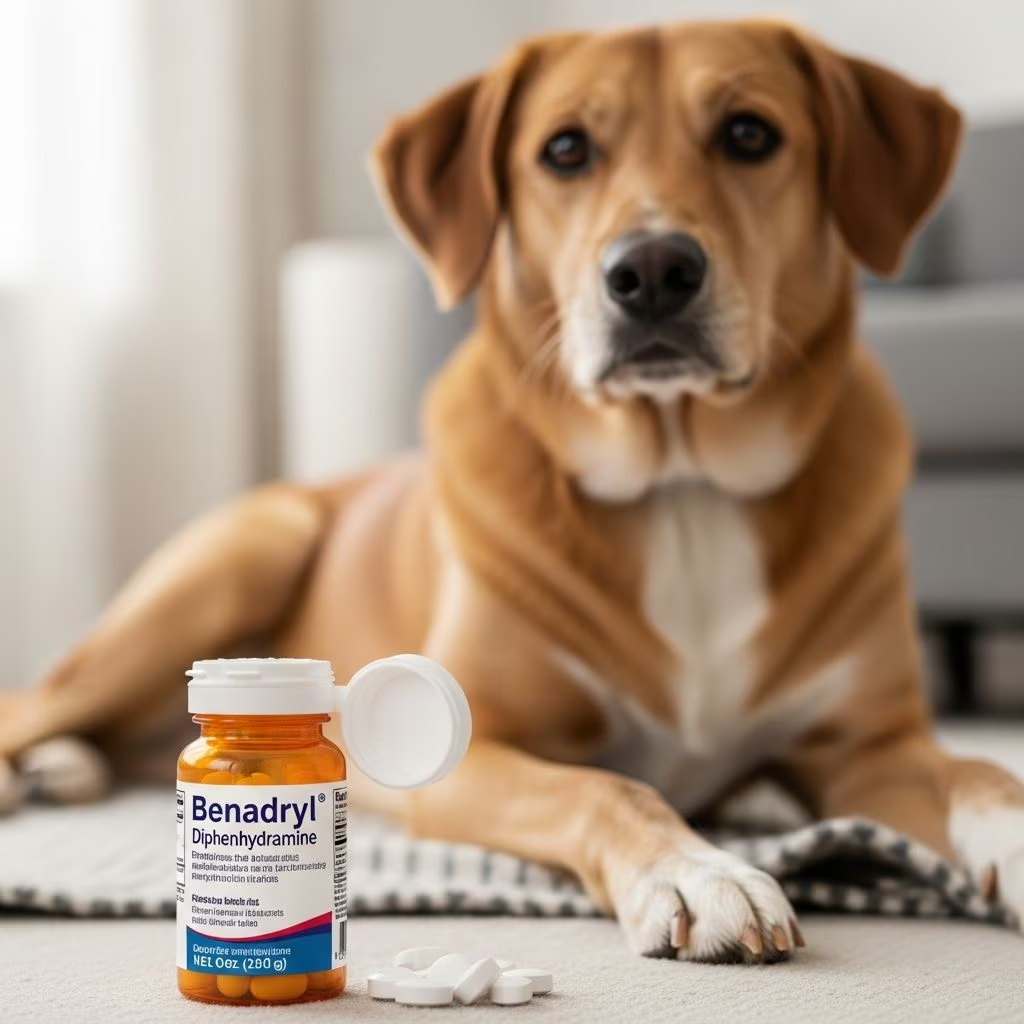
Benadryl, known generically as diphenhydramine, serves as a widely recognized antihistamine that many pet owners consider for their dogs’ common ailments. This medication effectively tackles issues like allergic reactions, itching, and even mild sedation needs. Veterinary professionals often endorse its use under proper guidance, making it a go-to option in household medicine cabinets for canine care.
Why Dog Owners Turn to Benadryl
Dogs encounter various triggers that prompt the use of antihistamines such as Benadryl. Seasonal pollen, insect bites, and food sensitivities frequently cause uncomfortable symptoms. Owners notice excessive scratching, red eyes, or swelling, seeking quick relief. Beyond allergies, veterinarians recommend it for motion sickness during car rides or travel anxiety, where its mild sedative properties help calm nerves without stronger prescriptions.
In emergency scenarios, like bee stings or mild vaccine reactions, Benadryl can reduce swelling and histamine-driven inflammation rapidly. Its over-the-counter availability adds convenience, but responsible use hinges on understanding its applications fully.
Understanding the Correct Dosage
Determining the appropriate amount of Benadryl requires basing it on your dog’s body weight, a critical factor for safety and efficacy. The consensus from veterinary references points to a range of 1 to 2 milligrams per pound of body weight, or equivalently 2 to 4 milligrams per kilogram. This dosage typically administers two to three times daily, spaced every 8 to 12 hours.
Always prioritize plain diphenhydramine formulations. Products combined with decongestants, acetaminophen, or other additives pose toxicity risks to dogs. Children’s liquid versions suit smaller pets for precise measuring, while standard 25 mg tablets work well for medium and large breeds.
Dosage Chart by Weight
| Dog Weight (lbs) | Recommended Dose (mg) | Maximum Dose (mg) |
|---|---|---|
| 5 | 5-10 | 10 |
| 10 | 10-20 | 20 |
| 20 | 20-40 | 40 |
| 30 | 30-60 | 60 |
| 40 | 40-80 | 80 |
| 50 | 50-100 | 100 |
| 75 | 75-150 | 150 |
| 100 | 100-200 | 200 |
This table provides a quick reference, adapted from standard veterinary guidelines. For liquid Benadryl at 12.5 mg per 5 ml, divide the dog’s weight in pounds by 2.5 to estimate milliliters needed.
Common Applications in Canine Care
- Allergy Management: Benadryl blocks histamine receptors, alleviating symptoms like hives, facial swelling, or paw licking from environmental allergens.
- Motion Sickness Relief: Administered 30-60 minutes before travel, it prevents nausea and drooling in cars or planes.
- Insect Bite Reactions: Quick dosing reduces localized swelling from stings or bites.
- Sedation Aid: Its drowsy effect helps with thunderstorms, fireworks, or vet visits, though not as potent as prescription sedatives.
- Mild Sleep Support: For dogs with insomnia from discomfort, it promotes rest without habit-forming risks.
Administering Benadryl Effectively
Timing and form matter greatly. Give doses with food to minimize stomach upset, and use a pill pocket or mix liquid into wet food for picky eaters. Monitor the first dose closely for reactions. Time-release capsules are unsuitable as they can cause sudden high concentrations in a dog’s system.
For acute issues like anaphylaxis, higher initial doses may apply under veterinary supervision, but never exceed without advice. Track total daily intake to avoid accumulation.
Recognizing and Managing Side Effects
While generally safe, Benadryl can cause drowsiness, the most frequent effect, which aids certain uses but may hinder active dogs. Other reactions include dry mouth, urinary retention, or gastrointestinal upset like vomiting.
Rarely, excited behavior occurs instead of sedation, especially in young or high-energy dogs. Overdose signs—rapid heartbeat, seizures, or collapse—demand immediate vet intervention. Senior dogs or those with heart/liver conditions face amplified risks.
- Drowsiness or lethargy
- Dry eyes/mouth
- Constipation
- Loss of appetite
- Agitation (paradoxical)
When to Avoid or Adjust Use
Not all dogs tolerate Benadryl equally. Puppies under 6 months, pregnant/nursing females, or those with glaucoma, hypertension, or prostate issues should avoid it. Medications like MAOIs or sedatives interact dangerously, amplifying effects.
Breeds like Bulldogs with brachycephalic airways risk exacerbated breathing issues from sedation. Always disclose full health history to your vet before starting.
Alternatives to Consider
If Benadryl proves ineffective, explore options like cetirizine (Zyrtec) at 0.5 mg/lb or loratadine (Claritin) similarly dosed. Omega-3 supplements, hypoallergenic shampoos, or allergy testing offer long-term solutions. Prescription apoquel or cytopoint target severe cases without drowsiness.
Frequently Asked Questions
Can all dogs take Benadryl?
Most healthy dogs can, but consult a vet for those with pre-existing conditions or on other meds.
How quickly does it work?
Effects begin within 30 minutes to an hour, peaking at 2-4 hours.
Is liquid Benadryl safe for dogs?
Yes, children’s versions without alcohol or xylitol; measure precisely.
What if my dog vomits after a dose?
Withhold further doses and call your vet; it may indicate sensitivity.
Can I use it long-term?
Short-term only; chronic use requires vet monitoring for tolerance.
Veterinary Consultation: The Key to Safety
No article substitutes professional advice. Factors like age, breed, and concurrent illnesses tailor dosing uniquely. Regular check-ups ensure Benadryl fits your dog’s care plan. Stock plain diphenhydramine, but treat it as a tool, not a cure-all.
Empower your pet care with knowledge, but lean on vets for personalized strategies. This approach keeps tails wagging healthily.
References
- Benadryl® Dosing For Dogs: How To Use It Safely — Kingsdale Animal Hospital. 2023. https://www.kingsdale.com/benadryl-dosing-for-dogs-how-to-use-it-safely
- Benadryl for Dogs: Safe Uses, Dosage Guidelines, and Precautions — Heads Up For Tails. 2024. https://headsupfortails.com/blogs/dogs/benadryl-for-dogs-uses-dosage-safety
- Benadryl for Dogs: Safe Dosage by Weight & Vet Advice — Vetnique Labs. 2026. https://vetnique.com/blogs/vets-corner/benadryl-for-dogs-is-it-safe-how-much-can-i-give-my-dog-vetnique
- Can I Give My Dog Benadryl? And if So, How Much? — PetMD. 2024. https://www.petmd.com/dog/care/can-i-give-my-dog-benadryl-and-if-so-how-much
- Benadryl for Dogs: Uses, Dosage, and Side Effects — Chewy. 2024. https://www.chewy.com/education/dog/health-and-wellness/benadryl-for-dogs
- Can I Give My Dog Benadryl? — WebMD Pets. 2024. https://www.webmd.com/pets/dogs/can-i-give-my-dog-benadryl
- Benadryl For Dogs: Uses, Side Effects, and Dosage Information — American Kennel Club. 2024. https://www.akc.org/expert-advice/health/benadryl-for-dogs/



