

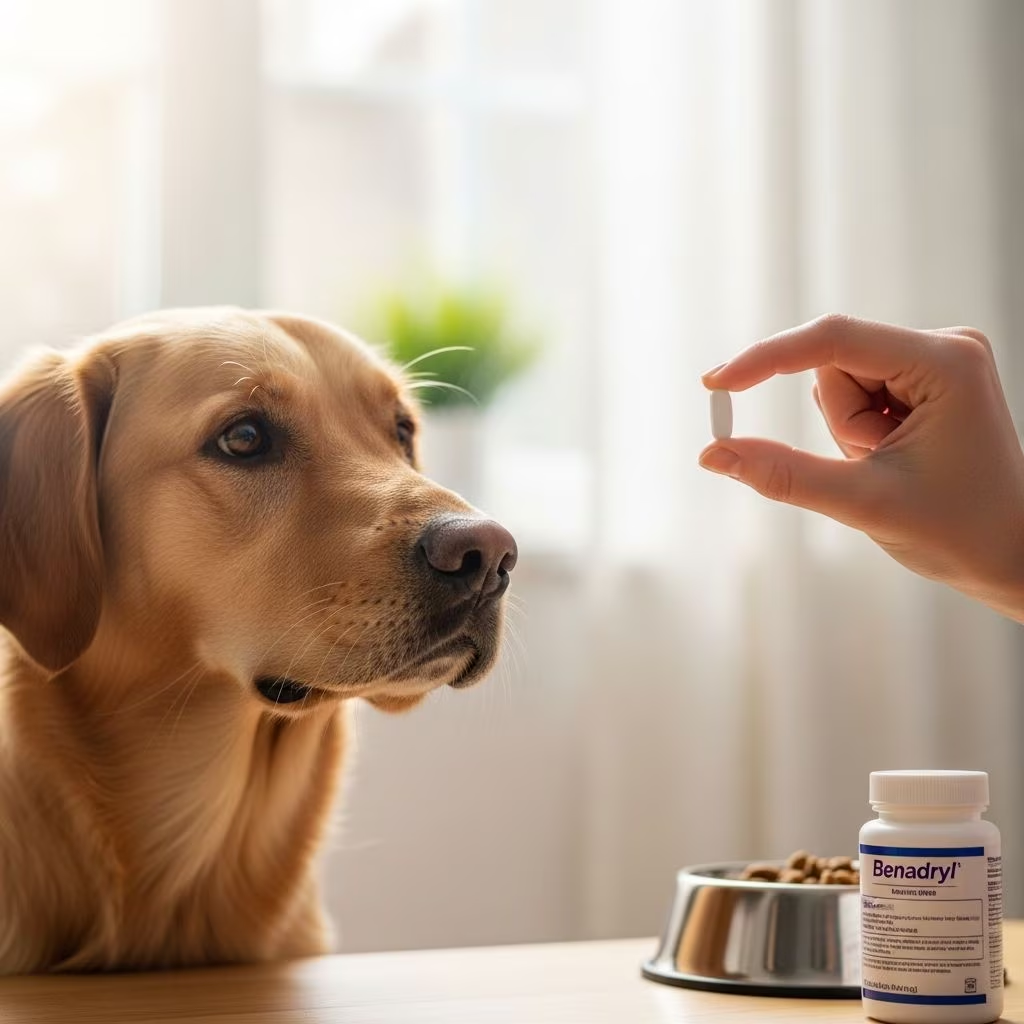
Benadryl, known scientifically as diphenhydramine, serves as a versatile over-the-counter medication for dogs, primarily functioning as an antihistamine to combat allergic reactions, itching, and other mild conditions. While many pet owners turn to it for quick relief, understanding its proper application ensures safety and effectiveness. This guide explores its benefits, precise dosing based on weight, administration methods, possible risks, and professional veterinary recommendations.
Why Veterinarians Recommend Benadryl for Canines
Diphenhydramine blocks histamine receptors in a dog’s body, reducing symptoms from environmental allergens, insect bites, or mild reactions. It also induces mild sedation, making it useful for travel-related anxiety or sleep aid in stressful situations. Common applications include seasonal allergies causing paw licking or ear infections, vaccine reactions, or even as a pre-treatment before certain procedures.
- Allergy relief: Pollen, dust, or food sensitivities leading to skin irritation.
- Mild sedation: For car rides, thunderstorms, or fireworks.
- Insect stings: To minimize swelling from bee or wasp encounters.
- Motion sickness: Helps calm upset stomachs during travel.
Beyond these, vets occasionally prescribe it for heart-related fluid buildup or as part of nausea protocols, always tailored to the individual dog’s health profile.
Calculating the Correct Dosage by Weight
The standard dosage ranges from 1 to 2 mg of diphenhydramine per pound of body weight (or 2 to 4 mg per kg), administered every 8 to 12 hours, up to three times daily. This aligns with guidelines from authoritative veterinary resources like the Merck Veterinary Manual. Precision is crucial—overdosing risks excessive drowsiness, while underdosing provides no benefit.
Always confirm with a veterinarian, as factors like age, breed, liver function, or concurrent medications influence the ideal amount. For puppies, seniors, or dogs with glaucoma/heart issues, adjustments are necessary.
| Dog Weight (lbs) | Low Dose (mg) | High Dose (mg) | Liquid (12.5 mg/5 ml) |
|---|---|---|---|
| 10 | 10 | 20 | 4 ml |
| 20 | 20 | 40 | 8 ml |
| 30 | 30 | 60 | 12 ml |
| 40 | 40 | 80 | 16 ml |
| 50 | 50 | 100 | 20 ml |
| 75 | 75 | 150 | 30 ml |
| 100 | 100 | 200 | 40 ml |
This table provides a quick reference; measure accurately using a syringe for liquids. Children’s liquid formulations (alcohol-free) are preferable for small dogs to avoid toxicity.
Forms of Benadryl Suitable for Pets
Plain diphenhydramine tablets (25 mg) work well for medium to large dogs—split as needed. Liquid versions at 12.5 mg per 5 ml offer precision for smaller pets. Avoid combination products with acetaminophen, pseudoephedrine, or xylitol, which can cause liver failure, hypertension, or hypoglycemia in dogs.
- Tablets/Capsules: Easy to halve for custom doses.
- Liquid: Use only pediatric types; 1 tsp = 12.5 mg.
- Chewables: Vet-approved if plain diphenhydramine.
Store in a cool, dry place away from pets to prevent accidental ingestion.
Administering Benadryl Effectively
Give with or without food; if vomiting occurs, pair with a small meal. For anxiety, dose 30-60 minutes before the trigger event. Monitor the first dose for reactions, starting at the low end. Duration typically spans days for acute issues, but chronic use requires vet oversight to explore underlying causes.
Pro tip: Hide tablets in peanut butter or pill pockets for fussy eaters. Track doses in a log to avoid overlaps.
Recognizing and Managing Side Effects
Most dogs tolerate Benadryl well, but side effects include drowsiness (desired for sedation), dry mouth, urinary retention, or hyperactivity in rare cases (paradoxical excitation). Severe signs like rapid heartbeat, seizures, or collapse demand immediate vet care—possible overdose or sensitivity.
- Common: Sleepiness, reduced appetite.
- Uncommon: Agitation, constipation.
- Emergency: Difficulty breathing, tremors—call poison control.
Pregnant, nursing, or seizure-prone dogs may need alternatives.
When to Skip Benadryl and See a Vet
Benadryl isn’t for every itch—persistent symptoms signal infections, parasites, or autoimmune issues needing diagnostics. Avoid if your dog has glaucoma, high blood pressure, hyperthyroidism, or takes MAOIs/anticholinergics. Never use for puppies under 6 months without guidance.
Seek professional help for swelling affecting airways, hives with lethargy, or symptoms lasting over 24 hours.
Alternatives to Benadryl for Dog Allergies
For long-term management, vets suggest Apoquel, Cytopoint injections, or prescription antihistamines like hydroxyzine. Natural options include omega-3 supplements, hypoallergenic diets, or medicated shampoos. Identify allergens via testing for targeted therapy.
| Treatment | Best For | Duration |
|---|---|---|
| Benadryl | Acute allergies, sedation | Short-term |
| Apoquel | Chronic itching | Daily |
| Cytopoint | Allergy flares | 4-8 weeks/injection |
Frequently Asked Questions
Can I give my dog Benadryl every day?
Short-term yes, but daily use warrants vet monitoring to rule out tolerance or masking serious conditions.
Is liquid Benadryl safe for dogs?
Yes, if alcohol- and xylitol-free; calculate based on 12.5 mg/5 ml concentration.
How quickly does Benadryl work in dogs?
Effects start in 30 minutes to 1 hour, peaking at 2-4 hours, lasting 8-12 hours.
Can Benadryl help with dog anxiety?
Yes, its sedative properties aid mild cases; stronger meds like trazodone suit severe anxiety.
What if my dog vomits after Benadryl?
Try with food next time or switch forms; consult vet if persistent.
Key Takeaways for Pet Parents
Benadryl offers reliable relief for many canine issues when dosed correctly (1-2 mg/lb every 8-12 hours). Prioritize plain formulations, precise measurements, and veterinary consultation—especially for multi-pet homes or dogs on other meds. Regular wellness checks prevent reliance on symptom management alone.
References
- Benadryl® Dosing For Dogs: How To Use It Safely — Kingsdale Animal Hospital. 2023. https://www.kingsdale.com/benadryl-dosing-for-dogs-how-to-use-it-safely
- Benadryl for Dogs: Safe Uses, Dosage Guidelines, and Precautions — Heads Up For Tails. 2024. https://headsupfortails.com/blogs/dogs/benadryl-for-dogs-uses-dosage-safety
- Benadryl for Dogs: Safe Dosage by Weight & Vet Advice — Vetnique Labs. 2026. https://vetnique.com/blogs/vets-corner/benadryl-for-dogs-is-it-safe-how-much-can-i-give-my-dog-vetnique
- Benadryl for Dogs: Uses, Dosage, and Side Effects — Chewy. 2024. https://www.chewy.com/education/dog/health-and-wellness/benadryl-for-dogs
- Can I Give My Dog Benadryl? And if So, How Much? — PetMD (citing Merck Veterinary Manual). 2024. https://www.petmd.com/dog/care/can-i-give-my-dog-benadryl-and-if-so-how-much
- Can I Give My Dog Benadryl? — WebMD (citing Merck Veterinary Manual). 2024. https://www.webmd.com/pets/dogs/can-i-give-my-dog-benadryl
- Benadryl For Dogs: Uses, Side Effects, and Dosage Information — American Kennel Club (citing Merck Veterinary Manual). 2024. https://www.akc.org/expert-advice/health/benadryl-for-dogs/



