

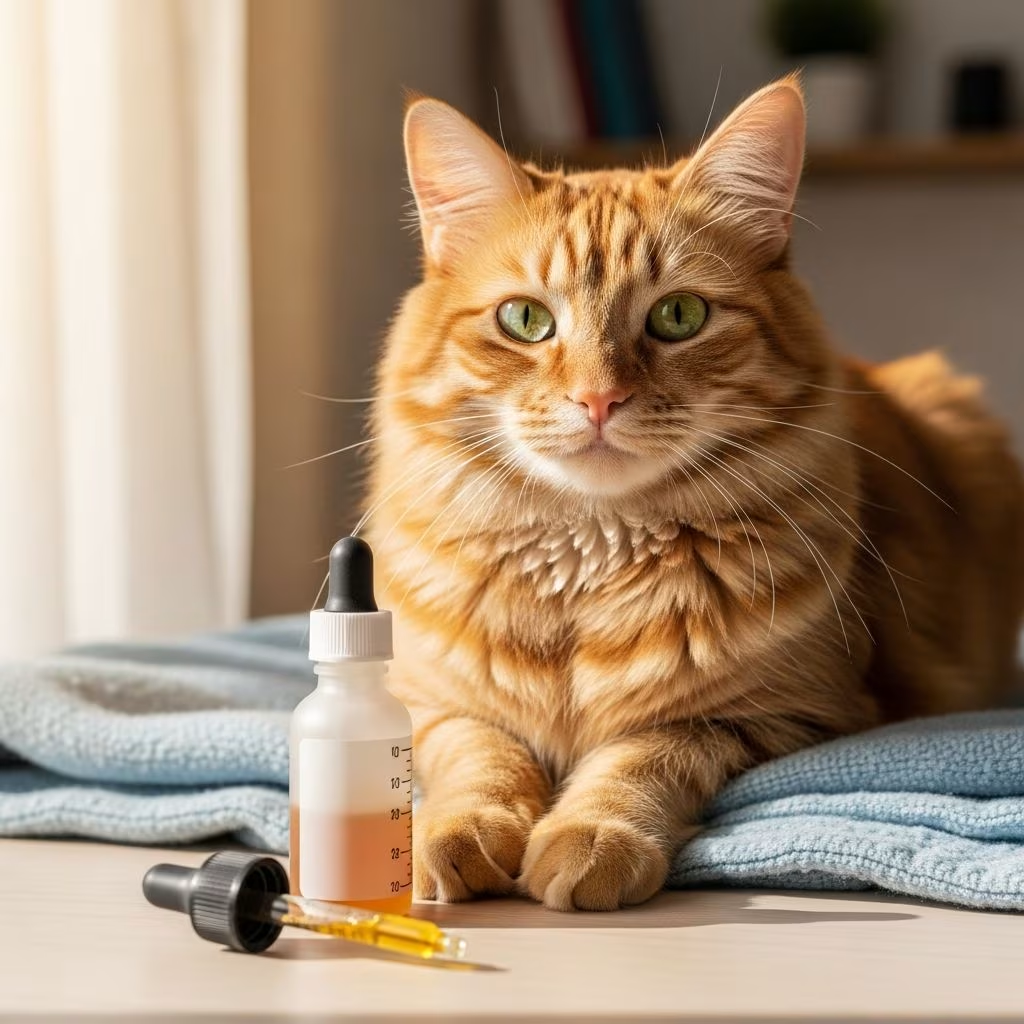
Benadryl, known scientifically as diphenhydramine, serves as an over-the-counter antihistamine that many cat owners consider for managing common issues like allergies or motion sickness. When administered correctly under veterinary guidance, it can provide relief from symptoms such as itching or sneezing in felines. However, improper use poses risks, making professional consultation essential before any administration.
Understanding Diphenhydramine and Its Role in Feline Health
Diphenhydramine functions by blocking histamine receptors, which reduces allergic reactions triggered by environmental factors, insect bites, or food sensitivities. In cats, this medication proves useful for alleviating symptoms including hives, runny noses, and excessive scratching. Beyond allergies, veterinarians occasionally recommend it for mild sedation during travel or to counteract vaccine reactions.
While human formulations are accessible, cats metabolize drugs differently due to their unique liver enzymes, necessitating feline-specific dosing to avoid complications. Only plain diphenhydramine products without added decongestants like pseudoephedrine are suitable, as those extras can harm cats.
Is Benadryl Safe for Your Cat?
For most healthy adult cats, Benadryl is deemed safe when given at appropriate doses. Veterinary sources confirm its general tolerability, but caution applies to kittens, seniors, pregnant or nursing females, and those with pre-existing conditions like glaucoma, heart disease, hypertension, or hyperthyroidism. Cats on other medications, such as certain antidepressants or sedatives, may experience interactions, heightening risks.
- Healthy adults: Typically safe with vet approval.
- Kittens under 12 weeks: Avoid due to immature liver function.
- Pregnant/nursing cats: Not recommended without vet oversight.
- Cats with heart issues: Use with extreme caution or alternative therapies.
Always weigh your cat accurately and discuss health history with a veterinarian to ensure compatibility.
Precise Dosage Recommendations for Cats
Veterinarians universally recommend 1 mg of Benadryl per pound of body weight, administered no more than every 8 hours, up to three times daily. For lean body weight in overweight cats, adjustments prevent overdosing. The Merck Veterinary Manual supports a range of 2-4 mg/kg (about 1-2 mg/lb), but conservative 1 mg/lb dosing minimizes risks.
Benadryl forms include tablets (25 mg), liquid (12.5 mg/5 mL), and children’s formulations. Liquid offers precision for small cats; tablets require careful splitting.
| Cat Weight (lbs) | Dosage (mg) | Liquid (12.5 mg/5 mL) | Tablet (25 mg) |
|---|---|---|---|
| 6 | 6 mg | 2.5 mL | 1/4 tablet |
| 8 | 8 mg | 3 mL | 1/4 tablet |
| 10 | 10 mg | 4 mL | 1/4 tablet |
| 12 | 12 mg | 4.8 mL | 1/2 tablet |
| 15 | 15 mg | 6 mL | 1/2 tablet |
| 20 | 20 mg | 8 mL | 3/4 tablet |
| 25 | 25 mg | 10 mL | 1 tablet |
Note: These are general guidelines. Consult your vet for personalized dosing, especially for cats outside typical weights.
Common Uses of Benadryl in Cats
Pet owners frequently turn to Benadryl for:
- Allergy relief: Counters itching, swelling from flea bites, pollen, or vaccines.
- Motion sickness: Mild sedation eases car travel anxiety.
- Appetite stimulation: Occasionally boosts eating in picky felines.
- Mild sedation: Helps during grooming or vet visits, though not a primary sedative.
It proves ineffective for severe conditions like asthma or chronic nausea, where targeted treatments outperform antihistamines.
Potential Side Effects and Monitoring
Most cats tolerate Benadryl well, but side effects occur, particularly at higher doses. Common reactions include drowsiness, dry mouth, urinary retention, and reduced heart or respiratory rates. Less frequent issues: hyperactivity, vomiting, diarrhea, or confusion.
- Mild effects: Sleepiness (expected), dry gums.
- Serious effects: Seizures, rapid heartbeat, breathing difficulties—seek emergency care immediately.
Monitor post-administration for 1-2 hours. Effects onset within 30 minutes, lasting 8-12 hours. Hydration aids in mitigating dry mouth.
Recognizing and Handling Overdose
Exceeding 1 mg/lb or dosing too frequently risks toxicity. Symptoms escalate from lethargy to coma or death in extremes. For a 10-lb cat, 25 mg equals a full adult tablet—safe only for 25-lb cats.
Overdose signs:
- Agitation or extreme sedation.
- Seizures, rapid/shallow breathing.
- Unconsciousness—contact vet or poison hotline urgently.
Treatment involves activated charcoal, IV fluids, and supportive care; prognosis improves with prompt intervention. Prevention hinges on accurate weighing and timing.
Administering Benadryl: Practical Tips
Hide tablets in pill pockets, tuna, or use liquid via syringe. Measure precisely with medical droppers; avoid household spoons. For travel, dose 30-60 minutes prior.
- Weigh cat using baby or kitchen scale.
- Calculate dose: weight (lbs) x 1 mg.
- Administer with food if tolerated.
- Track doses in a log.
Store at room temperature, away from pets/children.
When to Avoid Benadryl and Seek Alternatives
Skip Benadryl if your cat shows contraindications or symptoms persist. Alternatives include:
| Condition | Alternative Options |
|---|---|
| Allergies | Hypoallergenic diets, flea preventives, steroids (vet-prescribed). |
| Motion sickness | Cerenia (prescription), ginger supplements. |
| Sedation | Gabapentin or trazodone (vet-only). |
Persistent itching signals underlying issues like mites or infections—diagnostic tests are crucial.
Frequently Asked Questions (FAQs)
How much Benadryl for a 7-pound cat?
Administer 7 mg, equivalent to about 2.8 mL of liquid (12.5 mg/5 mL) or roughly 1/4 of a 25 mg tablet. Confirm with vet.
Can I use liquid Benadryl for cats?
Yes, children’s liquid (12.5 mg/5 mL) is ideal for accuracy. Formula: (weight in lbs / 2.5) mL.
Is 25 mg Benadryl safe for cats?
Only for cats weighing 25 lbs or more. Smaller cats risk overdose.
How often can cats take Benadryl?
Every 8-12 hours, max three doses daily.
What if my cat acts hyper after Benadryl?
Paradoxical excitement occurs rarely; withhold further doses and call vet.
Key Takeaways for Cat Owners
Benadryl offers targeted relief for feline allergies and anxiety when dosed at 1 mg/lb under vet supervision. Prioritize safety by avoiding contraindicated cats, monitoring effects, and never substituting guesswork for professional advice. Regular vet check-ups ensure optimal health management.
References
- Giving your cat Benadryl — PetCareRx. 2023. https://www.petcarerx.com/article/giving-your-cat-benadryl/3296
- Benadryl for Cats: Dosage, Safety & Side Effects — Cats.com. 2024. https://cats.com/benadryl-for-cats
- Cat Benadryl Dosage Calculator — Omni Calculator. 2024. https://www.omnicalculator.com/biology/cat-benadryl-dosage
- Can You Give Cats Benadryl? (Dosage Guide) — Kinship. 2023. https://www.kinship.com/cat-health/can-you-give-cats-benadryl
- Can You Give Cats Benadryl? — Whisker. 2024. https://www.whisker.com/blog/can-you-give-a-cat-benadryl
- Diphenhydramine — VCA Animal Hospitals. 2024. https://vcahospitals.com/know-your-pet/diphenhydramine



