

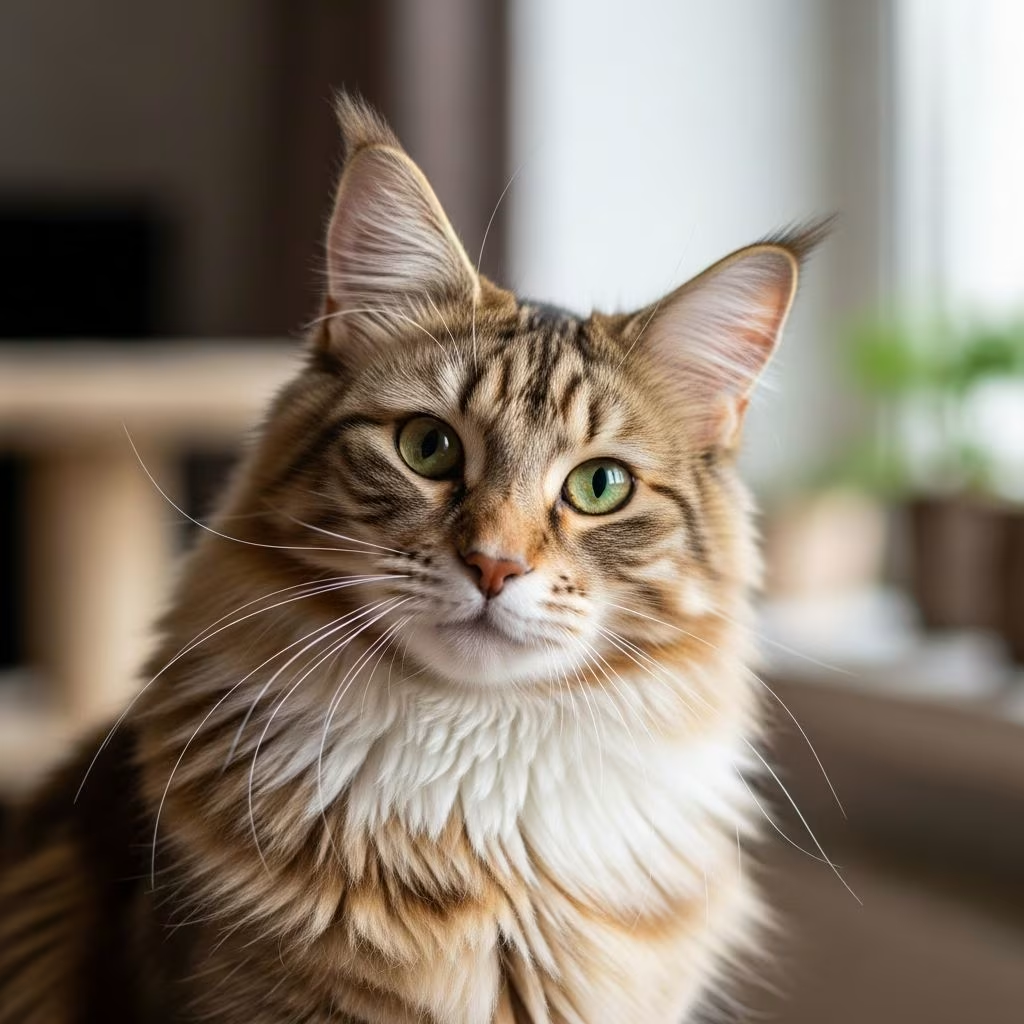
Selecting a cat as a pet is an exciting decision that comes with important considerations about personality, appearance, and care requirements. Cat breeds vary significantly in their behavioral traits, physical characteristics, and social needs. Whether you prefer an energetic and playful companion or a calm and reserved feline, understanding the distinct qualities of different breeds can help you make an informed choice that aligns with your lifestyle and preferences.
The Foundation: Mixed Breed Cats
When discussing popular cats, it’s essential to begin with mixed breed felines, as they represent the largest population of cats in households worldwide. These cats, often called domestic shorthairs or domestic longhairs depending on their coat length, carry the genetic diversity of multiple ancestral breeds.
Domestic Shorthairs: Versatile and Adaptable
Domestic shorthairs are the most commonly found cats in homes and shelters. Their genetic diversity contributes to their remarkable adaptability and resilience. These cats display an impressive range of coat colors and patterns, including black, grey, white, calico, tabby, tuxedo, and tortoiseshell variations. One of the most appealing aspects of domestic shorthairs is their unpredictable and unique personality combinations. Each cat develops its own distinct character traits, making them wonderfully individual companions. They tend to be strong and energetic, though their specific behavioral patterns can vary widely based on their individual genetics and early socialization experiences.
Domestic Longhairs: Elegant Mixed Heritage
Domestic longhairs share the genetic diversity of their shorthair cousins but feature luxurious, flowing coats with characteristic tufts around the ears and paw pads. These magnificent cats display the same wide range of colors and patterns as shorthairs while requiring more frequent grooming to maintain their beautiful appearance. Their personalities reflect the same adaptability and intelligence found in shorthairs, though they tend to be quite responsive to environmental changes. These cats are often curious, independent at times, and affectionate with their owners, making them wonderful family companions.
Active and Playful Breeds
Some cat breeds are naturally inclined toward high activity levels and require owners who can provide plenty of stimulation and engagement.
The Abyssinian: Ancient Intelligence and Playfulness
The Abyssinian breed represents one of the oldest recognized cat lineages, with historical connections to ancient feline artwork and Egyptian culture. These elegant cats are distinguished by their warm reddish fur, though their coloring can range from cinnamon to blue. What truly sets Abyssinians apart is their extraordinary intelligence and insatiable curiosity. They are exceptionally playful and will eagerly participate in interactive games, including the relatively uncommon feline behavior of playing fetch. These cats maintain constant vocal communication with their owners through gentle trilling sounds and chirps, making them delightful conversationalists. Abyssinians develop deep attachments to their owners and become distressed when left alone for extended periods. They require substantial amounts of affection, interactive attention, and vigorous physical play to remain content and mentally stimulated.
Bengal Cats: The Wild Spirit
Bengal cats represent a fascinating blend of domestic feline traits and wild Asian leopard cat ancestry. Their striking appearance features distinctive spots and rosettes that reflect their exotic heritage. These cats are notably talkative and possess remarkable intelligence, combined with exceptional memories that allow them to learn tricks and commands. Bengal cats have an unusual enthusiasm for water among feline breeds and will happily play in it, unlike most domestic cats that instinctively avoid water. Their hunting prowess is exceptional, inherited from their wild ancestors, and they require substantial exercise and enrichment. Many Bengals enjoy outdoor activities like hiking and exploring, thriving in environments that provide both physical challenges and mental stimulation.
Siamese: Vocal Virtuosos and Social Butterflies
Siamese cats are renowned for their intelligence, high vocal activity, and mischievous personalities. These cats are not shy about expressing their opinions and will communicate extensively with their owners through loud vocalizations and expressive body language. While the breed’s famous “pointed” coloring pattern—where the face, ears, tail, and paws are darker than the body—is the most recognizable variation, not all Siamese cats display this pattern. These cats form exceptionally strong bonds with their owners and demonstrate genuine affection despite their sometimes demanding nature. They require active, stimulating play sessions and abundant social interaction to remain emotionally satisfied and behaviorally balanced.
Gentle Giants and Calm Companions
Other breeds are naturally inclined toward larger sizes, gentle dispositions, and calmer activity levels.
Maine Coon: The Gentle Giant
Maine Coon cats are among the largest domestic cat breeds, featuring impressive size, substantial feet, and long, thick fur that requires regular grooming. Despite their imposing appearance, these cats possess remarkably gentle and friendly temperaments. Maine Coons are exceptional hunters who maintain healthy appetites that match their considerable size. They display calm, sociable personalities and genuinely enjoy human companionship. Their curiosity drives them to follow their owners throughout the house, and they are unusually affectionate for their size, always eager for quality snuggling time. Maine Coons possess distinctly social personalities and love communicating with both people and other animals in the household. They often demonstrate amusing behaviors designed to capture attention and entertain their families.
Ragdoll: Docile and Devoted
Ragdoll cats are large, affectionate felines specifically bred to possess relaxed, sweet temperaments. These cats are remarkably docile and develop intense devotion to their owners, often following them around the house in puppy-like fashion. Ragdolls have distinctive blue eyes, fluffy coats, and pointed markings resembling Siamese coloring. They particularly enjoy being held, snuggled, and carried, living up to their breed name. While Ragdolls possess musical voices, they tend to be quite quiet compared to vocal breeds. They require interactive play opportunities to ensure adequate physical activity and mental engagement.
Persian: Regal Loungers
Persian cats are instantly recognizable by their long hair and distinctive flat faces, making them iconic among cat enthusiasts. These gentle cats require regular grooming to maintain their luxurious coats and should remain indoors exclusively to prevent matting and environmental hazards. Persians are naturally quiet and prefer calm, peaceful environments, actively disliking loud noises and commotion. They spend much of their time lounging regally on cushions or laps, being less inclined to jump and climb due to their shorter legs. While they appreciate attention from their owners, Persians do not demand it persistently and maintain a somewhat aloof demeanor. They typically demonstrate shyness around strangers but warm up to familiar family members with genuine affection.
Distinctive and Unique Breeds
Several breeds stand out for their unusual physical characteristics and distinctive personality combinations.
Lykoi: The Werewolf Cat
The Lykoi, commonly called the werewolf cat, is a relatively new breed that combines wispy, wiry black and white fur with partial hairlessness, creating a striking and unusual appearance. Despite their somewhat intimidating look, Lykoi cats are deeply affectionate and loving with their families. They often display timidity around strangers, preferring familiar environments and trusted people. Lykoi cats particularly enjoy puzzle-based toys and games that challenge their problem-solving abilities. While they possess independent streaks and will entertain themselves with play, they still require substantial amounts of affection and attention from their owners to thrive emotionally.
Russian Blue: Intelligent and Reserved
Russian Blue cats are immediately identifiable by their beautiful bluish-gray coats and striking bright green eyes. Their short, thick double coats, originally developed for surviving cold Russian winters, shed less frequently than many other breeds and produce less dander, making them potentially suitable for individuals with mild allergies. Russian Blues are playful and intelligent but tend to be somewhat shy, particularly around loud noises like vacuum cleaners. They remain relatively quiet and reserved in their behavior but truly enjoy playing with people they know and trust. These cats develop strong devotion to their owners and often greet them enthusiastically at the door when they arrive home from work.
British Shorthair: Classic Stability
The British Shorthair exemplifies the classic, loyal companion cat with its signature round face and plush coat that invites affection from all who meet it. These cats demonstrate remarkable intelligence, quickly learning household routines and adapting smoothly to changes in their environment. British Shorthairs are sociable, thriving on interaction with their families and often greeting guests with genuine curiosity rather than timidity. Their loyalty and gentle presence create a sense of comfort and stability that endears them to cat lovers seeking dependable, steady companions.
Scottish Fold: The Owl-Like Charmer
Scottish Fold cats possess a distinctive and immediately recognizable feature: folded ears that bend forward and downward, creating an appearance reminiscent of an owl. These sweet-tempered, short-haired cats are attentive and devoted to their owners. The unique ear folding trait originated from a spontaneous genetic mutation in a Scottish barn cat and was subsequently developed into a recognized breed characteristic. However, potential owners should be aware that the gene responsible for ear folding is associated with a painful skeletal disorder in some individuals, making this breed ethically controversial among cat welfare advocates.
Other Notable Breeds Worth Considering
Siberian: Adventurous Athletes
The Siberian cat represents a delightful combination of fluff and athleticism, earning recognition among the most popular pedigreed breeds. These cats possess robust builds with powerful muscles that enable them to be exceptional jumpers and climbers. Siberians are naturally adventurous and fearless, often exploring high perches and navigating challenging terrain with ease. Their origins in the rugged Russian wilderness contributed to their strength, agility, and independent spirit, making them appealing to owners who appreciate athletic, fluffy companions.
Devon Rex: The Elfin Sprite
Devon Rex cats possess a unique appearance characterized by large, expressive eyes, short muzzles, prominent cheekbones, and enormous ears that create a distinctive elfin quality. Their bodies are hard and muscular despite their medium length, with broad chests that support their active lifestyle. Devon Rex cats display a wide variety of colors and patterns, making each individual visually distinctive.
Comparison of Key Breed Characteristics
| Breed | Activity Level | Affection | Vocal | Grooming Needs |
|---|---|---|---|---|
| Abyssinian | Very High | High | Highly Vocal | Low |
| Bengal | Very High | High | Vocal | Moderate |
| Maine Coon | Moderate | Very High | Vocal | High |
| Persian | Low | Moderate | Quiet | Very High |
| Ragdoll | Moderate | Very High | Quiet | High |
| Russian Blue | Moderate | High | Quiet | Low |
| Siamese | High | Very High | Very Vocal | Low |
Selecting Your Ideal Feline Companion
Choosing the right cat breed requires honest assessment of your lifestyle, living situation, and what qualities matter most to you. Consider whether you prefer an interactive, highly engaged companion that demands attention and playtime, or a more independent cat that enjoys companionship on its own terms. Evaluate your tolerance for vocalization, as some breeds are notably chatty while others remain quiet and reserved. Consider grooming requirements, as some breeds demand regular professional grooming while others need minimal coat maintenance. Think about your living space, whether you can accommodate large breeds or prefer smaller cats, and whether you can provide outdoor access or need a cat suited to apartment living.
Frequently Asked Questions
What is the most popular cat breed?
Maine Coon cats were crowned the top pedigreed cat breed for 2025, according to major feline associations. However, when including mixed breeds, domestic shorthairs remain the most common cats found in households worldwide.
Which breeds are best for families with children?
Maine Coons, Ragdolls, and British Shorthairs are particularly well-suited to families with children due to their gentle, patient temperaments and playful nature. Persians require more careful handling due to their delicate features and preference for calm environments.
Are there cat breeds suitable for people with allergies?
Russian Blue cats produce less dander due to their unique double coat structure, potentially making them more suitable for individuals with mild allergies. However, no cat breed is completely hypoallergenic.
Which breeds require the most exercise and play?
Abyssinian, Bengal, and Siamese cats require the most interactive play and exercise to prevent behavioral problems and maintain mental stimulation. These highly intelligent and active breeds need owners willing to engage them regularly.
What’s the difference between domestic shorthairs and pedigreed breeds?
Pedigreed breeds have documented ancestry and consistent breed standards for appearance and temperament. Domestic shorthairs and longhairs are mixed breeds with diverse genetic backgrounds, offering unpredictable but often delightful personality combinations.
References
- Ten Popular Cat Breeds and Their Personalities — Animal Care Center. Accessed January 29, 2026. https://www.animalcarectr.com/blog/ten-popular-cat-breeds-and-their-personalities
- Top 10 Most Common Cat Breeds in the U.S. — Mounds Pet. Accessed January 29, 2026. https://www.moundspet.com/blog/top-10-most-common-cat-breeds-in-the-u-s/
- Most Popular Breeds for 2025 — The Cat Fanciers’ Association. Accessed January 29, 2026. https://cfa.org/cat-talk/most-popular-breeds-for-2024/
- Kitty Corner | Popular Cat Breeds — Catastrophe Cat Grooming. Accessed January 29, 2026. https://www.catastrophecats.com/aboutcats
- Character and Quirks of the 5 Most Common Cat Breeds — VCA Animal Hospitals. Accessed January 29, 2026. https://vcahospitals.com/resources/lifestyle-cat/breeds/character-and-quirks-of-the-5-most-common-cat-breeds



