

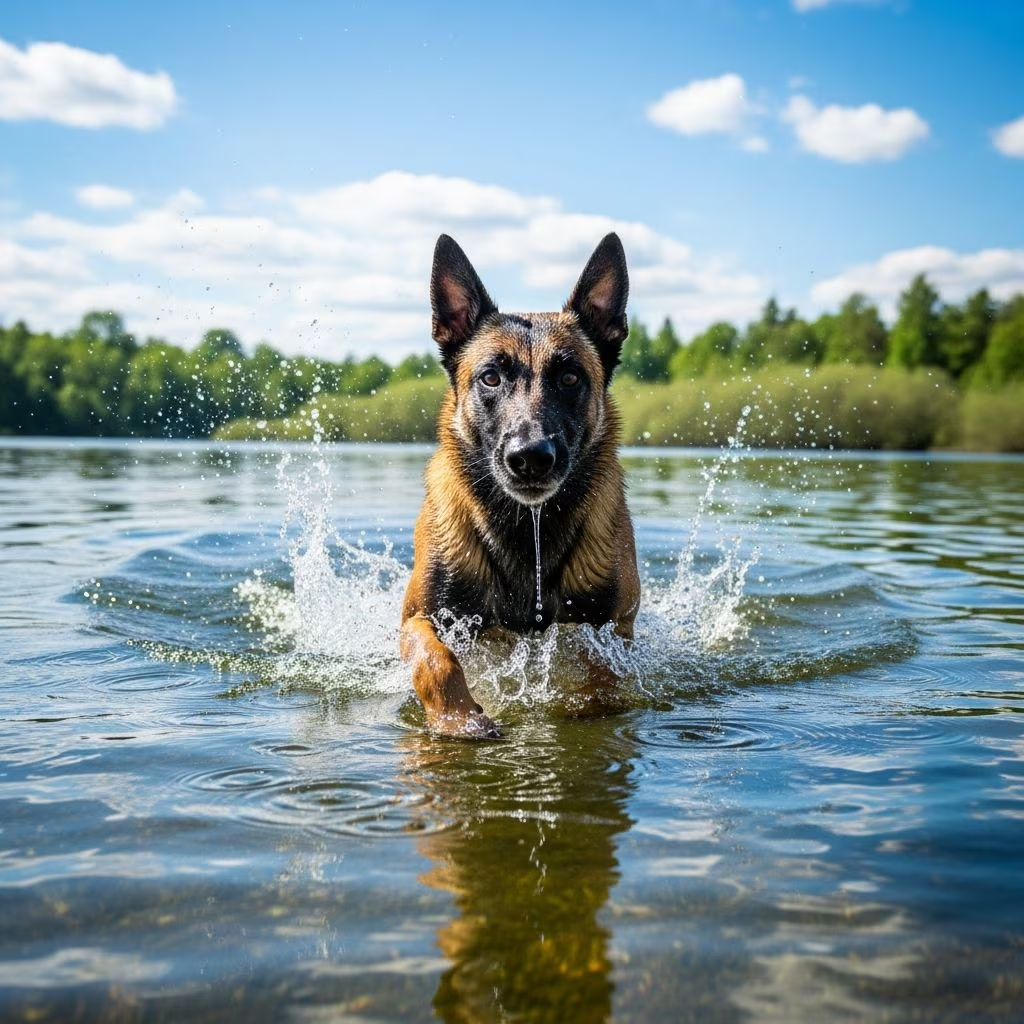
Belgian Malinois, renowned for their exceptional athleticism and work ethic, often display a strong inclination toward water activities. While not bred specifically as water retrievers, their stamina and confidence make many individuals adept swimmers capable of thriving in aquatic environments with proper introduction.
The Athletic Build Supporting Aquatic Prowess
These dogs possess a lean, muscular physique optimized for endurance and agility, traits that translate effectively to swimming. Unlike breeds with webbed feet designed for water rescue, Belgian Malinois rely on their powerful legs and robust cardiovascular systems to propel through water efficiently. Their high energy levels mean they view swimming as an engaging outlet, helping to channel their drive into a full-body workout that promotes muscle tone without excessive joint strain.
Owners frequently report that once accustomed, these dogs eagerly enter pools, lakes, or rivers, demonstrating natural buoyancy and stroke mechanics similar to a doggy paddle. This adaptability stems from their herding heritage, where versatility in varied terrains—including wet ones—proved advantageous.
Factors Shaping Individual Water Preferences
Not every Belgian Malinois dives in headfirst; preferences vary based on genetics, early life exposures, and personality. Some inherit a bold curiosity from working-line parents, plunging into waves with zeal, while others from pet lines might approach puddles warily.
- Genetics and Lineage: Working Malinois, often used in military or police roles, show greater resilience to novel environments like water, thanks to selective breeding for fearlessness.
- Early Socialization: Pups introduced to shallow streams or baths during the critical 3-12 week window develop lasting comfort, reducing lifelong aversions.
- Age Considerations: Energetic juveniles embrace splashes, but seniors may hesitate due to arthritis or reduced mobility, necessitating gentler approaches.
- Past Encounters: A single overwhelming experience, such as strong currents, can instill caution, requiring patient rebuilding of trust.
Understanding these elements allows owners to tailor introductions, ensuring positive associations from the start.
Health Advantages of Swimming for This Breed
Swimming ranks as a premier exercise for Belgian Malinois, offering low-impact benefits that align perfectly with their needs for intense physical and mental engagement.
| Benefit | Description | Relevance to Malinois |
|---|---|---|
| Cardiovascular Boost | Enhances heart and lung function through sustained paddling. | Supports their high stamina demands in work and play. |
| Muscle Development | Builds lean mass across all limbs without pavement stress. | Preserves agility for herding or protection tasks. |
| Joint Relief | Buoyancy reduces weight-bearing, easing hips and elbows. | Prevents common issues in active, large breeds. |
| Weight Control | Burns calories efficiently in a fun format. | Manages their propensity for rapid weight gain if under-exercised. |
| Mental Enrichment | Navigating water challenges problem-solving and focus. | Fulfills their intelligent, task-oriented nature. |
Beyond fitness, aquatic play aids rehabilitation post-injury or surgery, promoting calm recovery while maintaining muscle memory. In hot climates, it provides cooling relief, preventing heat-related distress common in double-coated dogs.
Potential Drawbacks and How to Mitigate Them
Despite upsides, water poses risks like ear infections from trapped moisture or exhaustion in unmonitored sessions. Chlorinated pools can dry coats, while open waters harbor bacteria or parasites.
- Monitor for fatigue signs: heavy panting, slowing strokes, or disorientation.
- Rinse thoroughly post-swim to remove chemicals and debris.
- Dry ears meticulously to avert infections.
These precautions ensure enjoyment without health setbacks.
Step-by-Step Guide to Introducing Water
Patience defines successful acclimation. Begin in controlled, shallow settings to build confidence progressively.
- Start on Dry Land: Play near water edges with toys, associating splashes with rewards.
- Shallow Immersion: Use kiddie pools or bathtubs with lukewarm water; support under the belly for natural paddling practice, limiting to 30-second bursts.
- Positive Reinforcement: Lavish praise and treats for voluntary steps in, avoiding force which breeds resentment.
- Gradual Deepening: Transition to calm lakes or pools, always leashed initially for security.
- Group Dynamics: Pair with water-confident dogs to model behavior, fostering peer encouragement.
Consistency yields results; most adapt within weeks, transforming hesitation into enthusiasm.
Safety Protocols for Aquatic Adventures
Vigilance prevents accidents in this bold breed prone to overexertion.
- Constant Oversight: Remain within arm’s reach, scanning for hazards like undertows or debris.
- Life Vest Use: Equip reluctant or novice swimmers with canine flotation devices for added security.
- Water Quality Checks: Avoid stagnant or algae-filled areas rife with toxins.
- Post-Swim Care: Hydrate, towel-dry, and observe for limping or lethargy indicating strain.
For competitive pursuits like dock diving, professional training ensures technique refinement.
Breed Comparisons: Malinois vs. Water-Loving Counterparts
Contrasting with Labrador Retrievers’ innate webbing or Portuguese Water Dogs’ oily coats, Malinois excel through sheer athleticism rather than specialization.
| Breed | Water Affinity | Key Strengths |
|---|---|---|
| Belgian Malinois | High with training | Stamina, intelligence |
| Labrador Retriever | Natural enthusiast | Webbed feet, retriever instinct |
| German Shepherd | Moderate | Similar build, less bold |
| Newfoundland | Water rescue expert | Massive size, webbing |
This positions Malinois as versatile all-rounders, not water specialists.
Frequently Asked Questions
Can all Belgian Malinois learn to swim?
Yes, their intelligence facilitates training, though a minority may never fully embrace it due to temperament.
Is swimming safe for puppies?
From 8 weeks, in shallow, warm water under supervision to avoid chilling or fatigue.
How often should they swim?
2-3 sessions weekly suffice for exercise, adjusting for age and health.
What if my Malinois fears water?
Employ gradual desensitization; consult trainers if phobia persists.
Does swimming replace daily runs?
It complements but doesn’t fully substitute land-based mental tasks.
Conclusion: Embracing the Waves Together
For Belgian Malinois owners, water opens a gateway to balanced health and bonding. Respect individual paces, prioritize safety, and watch your dynamic companion flourish in fluid motion.
References
- Do Belgian Malinoises Like Water? — Timberwolf Pet. 2023. https://timberwolfpet.com/blogs/dog-facts/do-belgian-malinoises-like-water
- Do Belgian Malinois Like Water or Enjoy Swimming? Facts & Safety — Hepper. 2024. https://articles.hepper.com/do-belgian-malinois-like-water/
- DO BELGIAN MALINOIS LIKE SWIMMING? — YouTube (Working Dog Training Channel). 2022-10-15. https://www.youtube.com/watch?v=2KCIKjBPIcg
- Do Belgian Malinois like water? — Adopt a Pet. 2025. https://www.adoptapet.com/answers/do-belgian-malinois-like-water



