

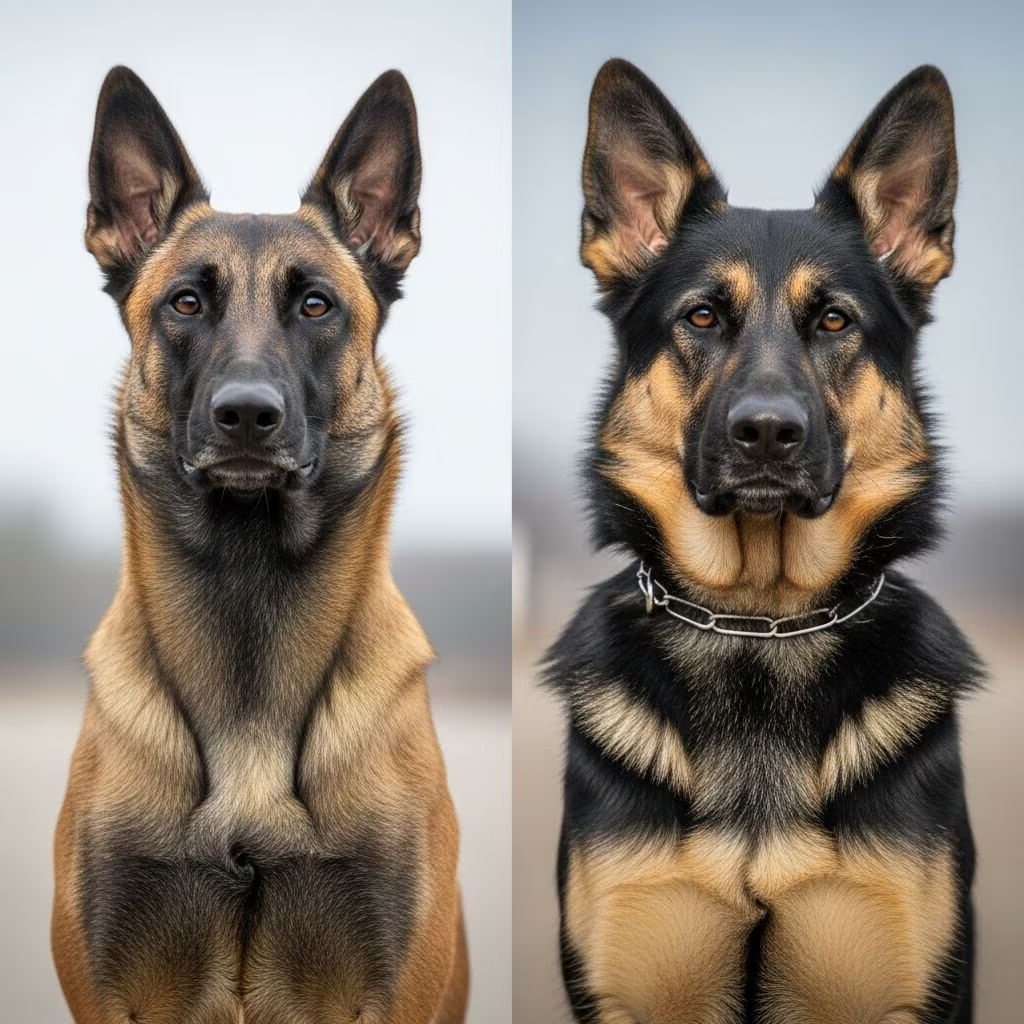
Belgian Malinois vs German Shepherd: Understanding Two Remarkable Herding Breeds
When considering a new canine companion, particularly one suited to working roles or active families, the Belgian Malinois and German Shepherd often emerge as top contenders. These two breeds share a fascinating herding heritage and striking physical similarities that frequently lead to confusion among dog enthusiasts. However, despite their comparable appearances and backgrounds, they possess distinct characteristics that make each breed uniquely suited to different situations and handlers. Understanding these differences is essential for potential owners to make an informed decision about which breed aligns best with their lifestyle, living situation, and experience level.
Both breeds have earned widespread acclaim as exceptional working dogs, serving in military operations, police forces, search and rescue missions, and as loyal family companions. Yet beneath their surface similarities lie important distinctions in temperament, physical structure, exercise requirements, and overall suitability as pets. This comprehensive comparison examines the key differences and similarities between these two remarkable breeds to help you determine which might be the right choice for your family.
Historical Origins and Heritage
The Belgian Malinois and German Shepherd both trace their ancestry to herding dogs developed in Europe, but their origins reflect the distinct cultures and needs of their respective countries. The German Shepherd was developed in Germany during the late 1800s, primarily designed to herd sheep and protect flocks. The breed was deliberately cultivated to embody intelligence, loyalty, and versatility—qualities that would later make them invaluable in police and military work.
In Belgium, the situation was slightly different. During the late 1800s, four varieties of Belgian Shepherd Dogs were recognized and used for herding purposes. The Belgian Malinois was one of these four types, named after the Malines region around Brussels where it was originally developed. Professor Adolphe Reul, a respected breed expert of the time, first characterized the Malinois as a medium-sized, square-bodied dog with distinctive dark brown eyes and triangular ears. Each Belgian Shepherd variety bore the name of the region in which it developed, reflecting the deep connection between these dogs and their local communities.
Physical Appearance and Size Differences
While the Belgian Malinois and German Shepherd often appear similar at first glance, their physical structures reveal significant differences upon closer inspection. Both breeds stand roughly the same height, with males typically measuring 24–26 inches at the withers and females reaching 22–24 inches. This similarity in height can contribute to the confusion between the two breeds.
However, when examining weight and overall body composition, notable distinctions emerge. Male Belgian Malinois typically weigh between 60–80 pounds, while females generally range from 40–60 pounds. German Shepherds are considerably heavier, with males often reaching up to 90 pounds and females up to 70 pounds. This weight difference, despite comparable heights, reflects the distinct structural differences between the breeds.
Body Structure and Proportions
The most striking difference between these breeds lies in their body shape and proportions. The German Shepherd is characterized by a longer body with smooth, curved lines and an outline that emphasizes flowing movement. The breed’s structure is longer than it is tall, creating an impression of length and extension.
The Belgian Malinois, by contrast, presents a distinctly different silhouette. The breed is notably boxy and square, with angles rather than curves defining its outline. When viewed from the side, a properly proportioned Malinois should have its topline, front legs, and back legs approximate a square shape. This square conformation gives the Malinois a compact, athletic appearance that reflects its heritage as an agile herding dog.
Facial Features
The facial features of each breed also differ meaningfully. The Belgian Malinois possesses ears that closely resemble triangles, standing upright and alert. The German Shepherd’s ears, while also upright, present a slightly different shape and positioning. These facial distinctions contribute to the different expressions and overall appearances of the two breeds, making them distinguishable to experienced dog enthusiasts.
Temperament and Personality Traits
Both the Belgian Malinois and German Shepherd share herding dog temperament traits, including confidence, loyalty, and alertness. These common characteristics stem from their shared background working with livestock and protecting flocks. Both breeds demonstrate natural confidence, as they would need to assert control over large animals. Additionally, both are deeply loyal to their family members while maintaining a degree of aloofness toward strangers, a trait that serves them well in protective roles.
German Shepherd Temperament
The German Shepherd is defined by a remarkable personality that balances strength with gentleness. These dogs are strong-willed and independent, yet capable of unwavering devotion to their families. They typically maintain a serious demeanor, approaching life’s challenges with thoughtful consideration and determination. German Shepherds are exceptionally intelligent and demonstrate a remarkable willingness to place their families’ interests above their own safety when necessary. This combination of intelligence, independence, and protective instinct has made them one of the world’s most beloved working dogs.
German Shepherds excel at reading human intentions and responding appropriately to commands and emotional cues. Their moderate temperament allows them to remain calm in most situations while still maintaining vigilance and responsiveness to their handlers. This balanced nature makes them suitable for families with varying activity levels, as they can adjust their energy and intensity based on their environment.
Belgian Malinois Temperament
The Belgian Malinois presents a distinctly different personality profile. These dogs are intensely energetic, intelligent, and inquisitive, with a lively character evident in their proud carriage and sparkling, attentive eyes. The defining characteristic of the Malinois is an almost obsessive desire to work, a trait that is typically focused intently on their owner or handler.
According to breed experts, the Belgian Malinois is an exceptional watchdog—vigilant yet responsive, balancing the qualities needed in a stock dog, protector, and sensible working partner. However, this intense focus on work and their handler means they require experienced dog owners who can channel their energy productively. Their strong prey drive and tenacity in pursuit of a task are virtually unmatched among dog breeds, making them exceptionally suited to high-stress working roles but potentially challenging for average family situations.
Training and Intelligence
Both breeds demonstrate remarkable intelligence and trainability, though their learning styles and training responses differ significantly. The German Shepherd is highly receptive to positive reinforcement and gentle correction, making them suitable for a wider range of training approaches and trainer experience levels. Their willingness to please and responsive nature allow them to excel in various roles with relatively straightforward training methodologies.
The Belgian Malinois, while equally intelligent, requires a different training approach. These dogs respond best to assertive, reward-based training with clear boundaries and expectations. They demand experienced handlers who can provide firm, consistent direction while maintaining their motivation and focus. The Malinois holds the record as the most decorated K-9 in United States military history, with over 100 awards and accommodations, demonstrating their exceptional capability in high-level working roles when properly trained and handled.
Exercise and Activity Requirements
Understanding the exercise needs of these breeds is crucial for potential owners. While both are active, working-oriented dogs, their energy levels and exercise requirements differ considerably.
The German Shepherd, while still a substantial working dog, can settle more easily in a home environment than the Belgian Malinois. German Shepherds typically require two good walks daily to expend their energy, but they are capable of relaxing in the home after proper exercise. Many German Shepherds adapt well to family life when their exercise needs are met, making them more suitable for families with moderate to high activity levels.
The Belgian Malinois, conversely, possesses nearly inexhaustible energy reserves. These dogs are incredibly agile and athletic, constantly seeking mental and physical stimulation. A Malinois that lacks adequate exercise and mental engagement can develop behavioral problems and become destructive. These dogs thrive in situations where they have consistent access to challenging activities, making them better suited to experienced handlers and highly active individuals or families.
Coat Care and Grooming
Both breeds feature relatively easy-to-maintain coats, though they differ in length and care requirements.
The German Shepherd has a medium-length double coat that requires brushing every few days to maintain appearance and distribute natural oils. However, German Shepherds shed heavily once or twice yearly, necessitating more frequent brushing during these shedding seasons to manage the volume of loose fur around the home.
The Belgian Malinois features a shorter, waterproof coat that is even easier to maintain than the German Shepherd’s. Occasional brushing with a bristle brush or rubber grooming mitt is sufficient for regular maintenance. Like German Shepherds, Malinois shed twice annually, and daily grooming with a slicker brush during these periods helps remove loose undercoat and minimize shedding in the home.
Health Considerations
Both the Belgian Malinois and German Shepherd are generally healthy breeds when obtained from responsible breeders who conduct thorough health screening. However, potential owners should be aware of breed-specific health concerns.
Both breeds are susceptible to elbow and hip dysplasia, inherited conditions affecting joint development and function. Responsible breeders screen for these conditions before breeding, significantly reducing the risk of passing these issues to offspring. German Shepherds specifically are at risk for bloat, a sudden and life-threatening abdominal swelling that requires immediate veterinary attention. Owners of German Shepherds should educate themselves thoroughly on bloat symptoms and emergency response protocols.
The Belgian Malinois benefits from ophthalmologic evaluation to screen for potential eye issues. Additionally, choosing a responsible breeder who has conducted comprehensive health testing on parent dogs is crucial for both breeds. Breed-specific health certifications from organizations like the Orthopedic Foundation for Animals (OFA) provide evidence of responsible breeding practices.
Working Roles and Professional Applications
Both breeds have established themselves as exceptional working dogs, though they excel in somewhat different applications. The German Shepherd’s versatility makes it the top choice for police work, protection duties, and roles requiring a solid demeanor in varied situations. Their ability to work effectively in family-based settings while maintaining protective instincts makes them ideal for protection dogs and service roles requiring social adaptability.
The Belgian Malinois has become the most used dog breed across all military branches, particularly in specialized roles requiring extreme athleticism, agility, and intense focus. These dogs excel in narcotics detection, bomb detection, and other high-stress working environments. The breed’s light frame, exceptional agility, and unwavering focus make them uniquely suited to specialized tactical roles where the German Shepherd’s heavier build and more moderate temperament might be less ideal.
Suitability as Family Pets
When considering these breeds as family companions, important distinctions emerge regarding their suitability for typical households.
The German Shepherd, despite being a large working dog, makes an excellent family pet for active families willing to provide adequate exercise and training. These dogs are gentle and intelligent, capable of forming deep bonds with all family members. Their ability to settle after exercise and their balanced temperament make them suitable for families with children, provided proper socialization and training occur. German Shepherds can thrive in family environments while maintaining their protective instincts when needed.
The Belgian Malinois is considerably more challenging as a family pet. These dogs require experienced handlers and extremely active families willing to provide constant mental and physical stimulation. The intensity of their focus, their strong prey drive, and their need for consistent challenging work make them unsuitable for most average families. While individual Malinois may adapt to family living, as a breed they are best suited to experienced dog owners, working professionals, or highly active individuals with the expertise to channel their remarkable energy and drive.
Comparison Table: Belgian Malinois vs German Shepherd
| Characteristic | Belgian Malinois | German Shepherd |
|---|---|---|
| Male Weight | 60–80 pounds | Up to 90 pounds |
| Female Weight | 40–60 pounds | Up to 70 pounds |
| Body Shape | Square/boxy | Longer than tall, curved |
| Temperament | Intense, energetic, inquisitive | Strong, independent, serious |
| Training Style | Assertive, reward-based | Positive reinforcement |
| Exercise Needs | Very high, constant stimulation | High, but can settle after exercise |
| Coat Length | Short, waterproof | Medium length, double coat |
| Best For | Military, police, experienced handlers | Families, varied working roles |
Frequently Asked Questions
Q: Are German Shepherds or Belgian Malinois better for families?
A: German Shepherds are generally better for families. They can settle after exercise and are gentle and intelligent companions. Belgian Malinois require experienced handlers and extremely active families, making them less suitable for typical household situations.
Q: Which breed is easier to train?
A: German Shepherds respond well to positive reinforcement and are suitable for a wider range of trainers. Belgian Malinois require more experienced handlers and assertive, reward-based training with clear boundaries.
Q: Do these breeds shed a lot?
A: Both breeds shed twice yearly, with heavy shedding periods. German Shepherds have a longer coat requiring more frequent brushing, while Malinois have shorter coats requiring less maintenance outside shedding season.
Q: What are the main health concerns for each breed?
A: Both breeds are susceptible to hip and elbow dysplasia. German Shepherds are additionally at risk for bloat, a life-threatening condition. Belgian Malinois should receive ophthalmologic evaluation. Always choose breeders who conduct health screening.
Q: Which breed is more athletic?
A: The Belgian Malinois is exceptionally athletic with a light frame and incredible agility. German Shepherds are athletic but heavier and less gymnastic in their movements.
Q: Can Belgian Malinois live in apartments?
A: Belgian Malinois require extensive space and constant mental stimulation, making apartment living unsuitable unless the owner provides exceptional exercise and engagement opportunities. German Shepherds are slightly more adaptable.
References
- German Shepherd Dog vs. Belgian Malinois — American Kennel Club. 2024. https://www.akc.org/expert-advice/dog-breeds/german-shepherd-dog-vs-belgian-malinois/
- The Ultimate Showdown: German Shepherd vs Belgian Malinois — YouTube. https://www.youtube.com/watch?v=8MpuC39cKco
- Belgian Malinois vs. German Shepherd: Comparing Working Dogs — HowStuffWorks. https://animals.howstuffworks.com/pets/belgian-malinois-vs-german-shepherd.htm
- Belgian Malinois vs German Shepherd Dog – Who is King? — YouTube. https://www.youtube.com/watch?v=sCxRdklRpeU



