

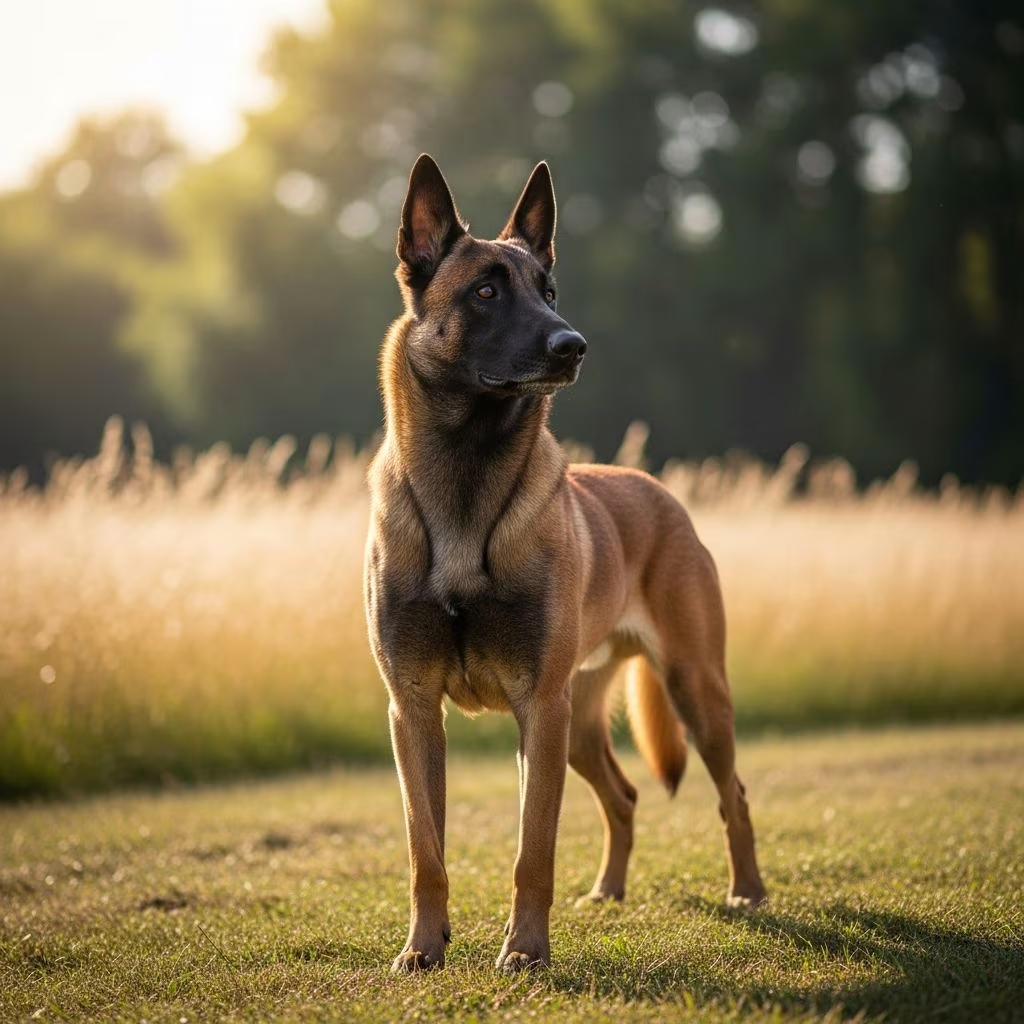
Belgian Malinois Dog Breed: A Complete Guide
The Belgian Malinois is an exceptional dog breed known for its unwavering loyalty, remarkable intelligence, and intense work drive. Originally developed in Malines, Belgium, these dogs were bred to work diligently as herding dogs and livestock guardians. Today, they have become renowned not only for their herding abilities but also for their excellence in police work, search and rescue operations, military service, and competitive dog sports. If you’re considering bringing a Belgian Malinois into your home, understanding their unique characteristics, needs, and temperament is essential for ensuring a successful and fulfilling relationship.
Breed Overview and Physical Characteristics
The Belgian Malinois is a squarely built, proud, and alert herder that exudes elegance and strength. These dogs are strong and well-muscled, presenting an athletic appearance that reflects their working heritage. The breed gives the impression of elegant robustness, with an honest expression that denotes great strength of character, making them proud representatives of the herding breeds.
Size and Appearance
Belgian Malinois are medium to large-sized dogs with distinct physical characteristics. Males typically stand 24 to 26 inches tall and weigh between 55 to 75 pounds, while females are generally smaller, measuring 22 to 24 inches and weighing 40 to 60 pounds. Their coat is designed to resist the damp Belgian climate, allowing them to thrive in outdoor environments. The breed’s physical structure supports their natural tendency to be in constant motion and their ability to work tirelessly throughout the day.
Personality and Temperament
Three words effectively summarize the Belgian Malinois: intelligent, loyal, and intense. This breed’s personality is shaped by its working heritage and selective breeding for specific traits that make them exceptional working dogs.
Loyalty and Bonding
Belgian Malinois are incredibly loyal dogs that form unbreakable bonds with their human family members. They are not the type of dog that can be left alone in the backyard to entertain themselves. Instead, they are exceedingly devoted companions that want nothing more than to spend as much time with their owners as possible. This deep attachment makes them unsuitable as kennel dogs, as they thrive on loving companionship and constant interaction with their families.
Intelligence and Obedience
The Belgian Malinois is a very bright and obedient dog, possessing exceptional problem-solving abilities and keen observational skills. They demonstrate remarkable learning capacity and the ability to master complex commands and tasks. Their intelligence, combined with their desire to please, makes them highly responsive to training when handled by experienced owners who understand their unique needs.
Protective Instincts
Belgian Malinois have strong protective and territorial instincts that are deeply ingrained in their breeding. They are naturally watchful over their families and excel in protection roles. A well-trained and socialized Malinois can be an excellent family dog, though their inherent watchfulness can make it challenging to have guests or strangers visit your home. These protective instincts typically emerge naturally without specific protection training, making early socialization particularly important.
Working Drive
This breed possesses an exceptional work drive and thrives when they have a job to do. They show dedicated commitment to performing any task assigned to them, whether it’s professional work or simply chasing a stick with their family. This intense work ethic is a defining characteristic of the breed and reflects their origins as working dogs.
Exercise and Energy Levels
Belgian Malinois are high-energy dogs with remarkable stamina who require substantial daily physical and mental stimulation. The breed was originally developed for herding livestock and working throughout the entire day, traits that remain deeply embedded in their genetics.
Daily Exercise Requirements
Belgian Malinois should receive more than 40 minutes of exercise per day, ideally with their owner by their side. However, many individuals of this breed benefit from even more extensive activity. These energetic dogs genuinely enjoy jumping, playing, and discovering new sights and smells. Without adequate outlets for their physical and mental needs, they become restless and unhappy.
Recommended Activities
Belgian Malinois excel at various activities that channel their energy constructively:
- Running and hiking with their owners
- Biking companions for active individuals
- Agility competitions and courses
- Tracking and scent work exercises
- Herding trials and competitions
- Obedience competitions
- Herding behavior such as chasing and circling
- Scent walks and search activities
These activities provide the Belgian Malinois with both physical exertion and mental engagement, which are equally important for their overall well-being.
Behavioral Challenges and Destructive Behaviors
When Belgian Malinois don’t receive sufficient exercise or mental stimulation, they often begin to exhibit destructive behaviors. These intelligent and active dogs essentially create their own activities to keep themselves entertained when their needs aren’t met by their owners.
Common Destructive Behaviors
Understimulated Belgian Malinois may engage in:
- Destroying furniture, rugs, curtains, or plants
- Chewing personal items such as shoes
- Gnawing through doors and window frames
- Breaking windows or other household items
- Excessive barking and vocalization
- Attempting to escape yards or enclosures
These behaviors are not signs of a bad dog but rather expressions of an under-stimulated, high-energy breed. Providing adequate exercise and mental engagement is the most effective prevention strategy.
Herding Instincts
Belgian Malinois instinctively display herding behavior, including chasing, circling, moving effortlessly for hours, and nipping at people’s heels. While these behaviors are normal for the breed, they require management and training. This characteristic makes Belgian Malinois less suitable for families with toddlers who run and scream, as the dog will constantly try to keep the toddler in one spot through herding behaviors.
Training and Socialization Requirements
Belgian Malinois require intensive, long-term training and extensive socialization from an early age. This breed is not recommended for first-time dog owners due to their complex needs and strong personalities.
Training Needs
These dogs respond well to training and require a firm but not harsh hand. The breed needs an experienced master who can provide clear leadership and consistent boundaries. Harsh or overbearing training methods will result in the dog becoming uncooperative and difficult to manage. Positive reinforcement-based training methods work effectively with this intelligent breed.
Socialization
Proper socialization is critical to prevent the Belgian Malinois from becoming shy or sensitive. Early exposure to various people, environments, sounds, and situations helps develop a well-rounded dog. When correctly socialized with cats and other pets, Belgian Malinois can coexist peacefully with other animals. However, they can be somewhat dominant toward other dogs, so an owner capable of communicating that dominance is unwanted is essential.
Work and Competition
The Belgian Malinois excels in numerous professional and competitive roles:
- Police work and law enforcement
- Drug, bomb, and gas detection
- Search and rescue operations
- Military service
- Tracking and trailing
- Obedience competitions
- Sledding
- Agility events
- Therapy assistance for disabled, ill, or elderly people
These roles leverage the breed’s natural intelligence, athleticism, and desire to work.
Is the Belgian Malinois Right for Your Family?
The Belgian Malinois makes an excellent pet for the right home. However, potential owners must honestly assess their lifestyle, experience level, and ability to meet this demanding breed’s needs.
Ideal Owner Profile
The ideal Belgian Malinois owner is:
- Experienced with dog training and ownership
- Active and able to provide daily vigorous exercise
- Committed to consistent, firm but fair training
- Able to provide extensive mental stimulation
- Home regularly or able to hire help for midday activity
- Interested in dog sports or working activities
- Prepared for a dog that forms intense bonds and wants constant companionship
Health and Care Considerations
Beyond exercise and training, Belgian Malinois require proper health care and maintenance to thrive. Regular veterinary checkups, appropriate nutrition, and preventive healthcare are essential components of responsible ownership. Their coat requires regular brushing to maintain its condition and manage shedding.
Frequently Asked Questions About Belgian Malinois
Q: Are Belgian Malinois good family dogs?
A: Yes, Belgian Malinois can be excellent family dogs when placed in the right home with experienced owners who can meet their exercise and mental stimulation needs. They form strong bonds with their families and are incredibly loyal. However, they are not suitable for families with very young toddlers due to their herding instincts and high energy levels.
Q: How much exercise does a Belgian Malinois need?
A: Belgian Malinois should receive more than 40 minutes of exercise per day, ideally with their owner actively participating. Many individuals of the breed benefit from even more extensive activity, including running, hiking, agility training, and mental stimulation exercises.
Q: Are Belgian Malinois easy to train?
A: Belgian Malinois are highly intelligent and respond well to training, but they require an experienced, firm but fair owner. They need consistent, structured training from an early age. First-time dog owners may find them challenging due to their strong will and intense nature.
Q: Do Belgian Malinois get along with other pets?
A: When properly socialized from an early age, Belgian Malinois can coexist peacefully with other pets, including cats. However, they can be dominant toward other dogs, so early socialization and training are crucial.
Q: What makes Belgian Malinois different from German Shepherds?
A: While both breeds are intelligent herding dogs used in police and military work, Belgian Malinois are typically smaller, more agile, and have even higher energy levels. They also have a somewhat different temperament and require slightly different handling.
Q: Can Belgian Malinois live in apartments?
A: Belgian Malinois are not well-suited for apartment living unless owners can provide exceptional amounts of daily exercise and mental stimulation. They thrive in homes with space and active owners who engage them regularly.
References
- Belgian Malinois Dog Breed Information — PetMD. 2024. https://www.petmd.com/dog/breeds/belgian-malinois
- Belgian Malinois Dog Breed Information — American Kennel Club (AKC). 2024. https://www.akc.org/dog-breeds/belgian-malinois/
- Belgian Malinois Dog Breed — Hill’s Pet Nutrition. 2024. https://www.hillspet.com/dog-care/dog-breeds/belgian-malinois
- Belgian Malinois Dog Breed Information & Characteristics — DogTime. 2024. https://dogtime.com/dog-breeds/belgian-malinois
- Belgian Malinois Dog Breed Health and Wellness Guide — CareCredit. 2024. https://www.carecredit.com/well-u/pet-care/belgian-malinois-dog-breed/



