

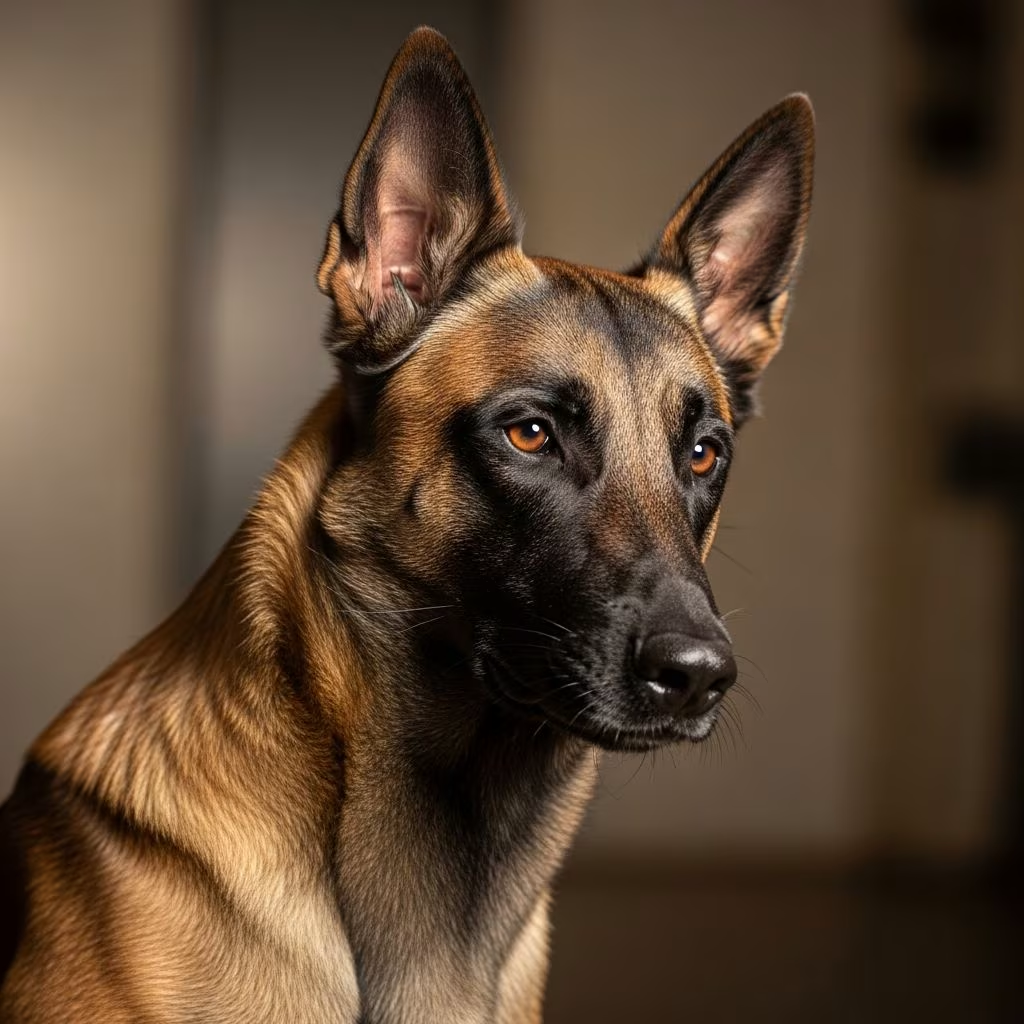
The Belgian Malinois, often called the “Mal,” stands out as one of the most capable working dogs in the world. Known for their roles in police work, military operations, and search-and-rescue missions, these dogs possess remarkable intelligence and drive. However, a common question arises: are Belgian Malinois inherently aggressive? This perception stems from their protective instincts and high-energy demeanor, but the reality is more nuanced. With proper breeding, training, and socialization, Mals are loyal, alert companions rather than aggressive threats.
Origins and Purpose of the Belgian Malinois
Developed in Belgium during the late 19th century, the Belgian Malinois emerged from herding stock in the Malines region. Breeders aimed to create a versatile farm dog capable of guarding livestock and property. Unlike bulkier breeds, Mals combine agility with endurance, making them ideal for demanding tasks. Their history as flock guardians explains their vigilant nature, which can be misinterpreted as aggression by those unfamiliar with the breed.
Today, Belgian Malinois excel beyond herding. They detect explosives, track suspects, and even compete in agility sports. This work ethic underscores their need for purpose; idle Mals may develop unwanted behaviors, reinforcing myths about their temperament.
Physical Build and Its Influence on Behavior
Belgian Malinois exhibit a square, athletic frame. Males measure 24-26 inches at the shoulder and weigh 55-75 pounds, while females are slightly smaller at 22-24 inches and 40-60 pounds. Their short, weather-resistant fawn coat with black masking gives them a sleek, imposing look.
| Feature | Males | Females |
|---|---|---|
| Height | 24-26 inches | 22-24 inches |
| Weight | 55-75 lbs | 40-60 lbs |
| Coat | Short fawn, black mask | Short fawn, black mask |
This build supports explosive power and speed, traits essential for herding and protection. Their alert eyes and erect ears contribute to an attentive expression that signals readiness, not hostility.
Decoding the Malinois Temperament
At their core, Belgian Malinois are intelligent, devoted, and watchful. The Royal Kennel Club describes them as conveying “graceful strength and intelligence,” with a temperament that is “alert and naturally vigilant” but “not nervous or aggressive.” They form deep bonds with owners, showing initial reserve toward strangers that evolves into loyalty with socialization.
- High Intelligence: Ranked among the smartest breeds, Mals learn commands rapidly and thrive on mental challenges.
- Protective Drive: Instinctively territorial, they guard family without formal protection training.
- Energy Levels: Requiring over 40 minutes of daily vigorous exercise, understimulated Mals may nip or chase due to herding heritage.
Far from random aggression, any assertive behavior typically arises from boredom, poor training, or genetic issues in poorly bred lines. Well-raised Mals are confident and affectionate with their household.
Factors That Shape Aggression Perceptions
Several elements contribute to the aggression label. Their high prey drive prompts chasing moving objects like children or vehicles, mimicking herding rather than attack intent. Without early obedience training, this can escalate.
Unsuitable homes exacerbate issues. Mals dislike isolation; kennel life leads to frustration. Destructive chewing or escape attempts often result from unmet needs, not malice.
Media portrayals amplify myths. High-profile uses in elite forces like SEAL Team Six highlight their prowess, but selective breeding for extreme drive in working lines differs from pet-quality Mals.
Training Essentials for a Balanced Malinois
Success with a Belgian Malinois hinges on structured training. Start with puppy socialization to expose them to diverse people, sounds, and environments. Positive reinforcement builds reliability without harshness.
- Basic Obedience: Teach sit, stay, come, and heel from 8 weeks old.
- Impulse Control: Use games to curb chasing instincts.
- Mental Stimulation: Puzzle toys, scent work, and agility prevent boredom.
- Consistent Leadership: Experienced owners provide firm, fair guidance.
Professional trainers recommend at least 1-2 hours daily of combined physical and mental activity. Herding trials or dock diving channel energy productively.
Belgian Malinois in Family Settings
Can Mals fit family life? Yes, for active households without toddlers. Their herding leads to nipping at heels to “control” running children, which training mitigates but doesn’t eliminate fully.
They bond tightly with owners, preferring constant companionship. Guests may face wary greetings, but socialization ensures polite behavior. Multi-pet homes work if introducing cats or small dogs gradually, given their prey drive.
Health Considerations Tied to Behavior
Behavioral issues sometimes link to health. Hip dysplasia or thyroid problems can cause irritability. Regular vet checks and a diet supporting joint health promote stability.
Exercise maintains physical and mental wellness, reducing stress-induced reactivity.
Choosing and Raising a Malinois Puppy
Select from reputable breeders emphasizing health-tested stock for sound temperaments. Reputable sources like the AKC prioritize working ability without extreme aggression.
Puppyhood demands routine: crate training prevents separation issues, while supervised play builds confidence.
Real-World Roles and Success Stories
Mals shine in detection, with successes in disaster relief and K9 units. Civilian owners report devoted pets excelling in obedience competitions when needs are met.
FAQs
Are Belgian Malinois good for first-time owners?
No, their demands suit experienced handlers committed to training and exercise.
Do Mals get along with other dogs?
With socialization, yes, but monitor due to herding tendencies.
How much exercise do they need?
At least 40-60 minutes of intense activity daily, plus mental work.
Can they be therapy dogs?
Trained Mals assist the disabled effectively.
What’s the lifespan?
12-14 years with proper care.
References
- Belgian Shepherd Dog (Malinois) | Standards — The Kennel Club. 2023. https://www.royalkennelclub.com/breed-standards/pastoral/belgian-shepherd-dog-malinois/
- Belgian Malinois Breed: Characteristics, Care & Photos — Chewy. 2024. https://www.chewy.com/education/dog-breeds/belgian-malinois
- Belgian Malinois Dog Breed – Facts and Traits — Hill’s Pet. 2024. https://www.hillspet.ca/en-ca/dog-care/dog-breeds/belgian-malinois
- Belgian Malinois Dog Breed Health and Care — PetMD. 2024. https://www.petmd.com/dog/breeds/belgian-malinois
- Belgian Malinois Dog Breed Information — American Kennel Club. 2024. https://www.akc.org/dog-breeds/belgian-malinois/



