

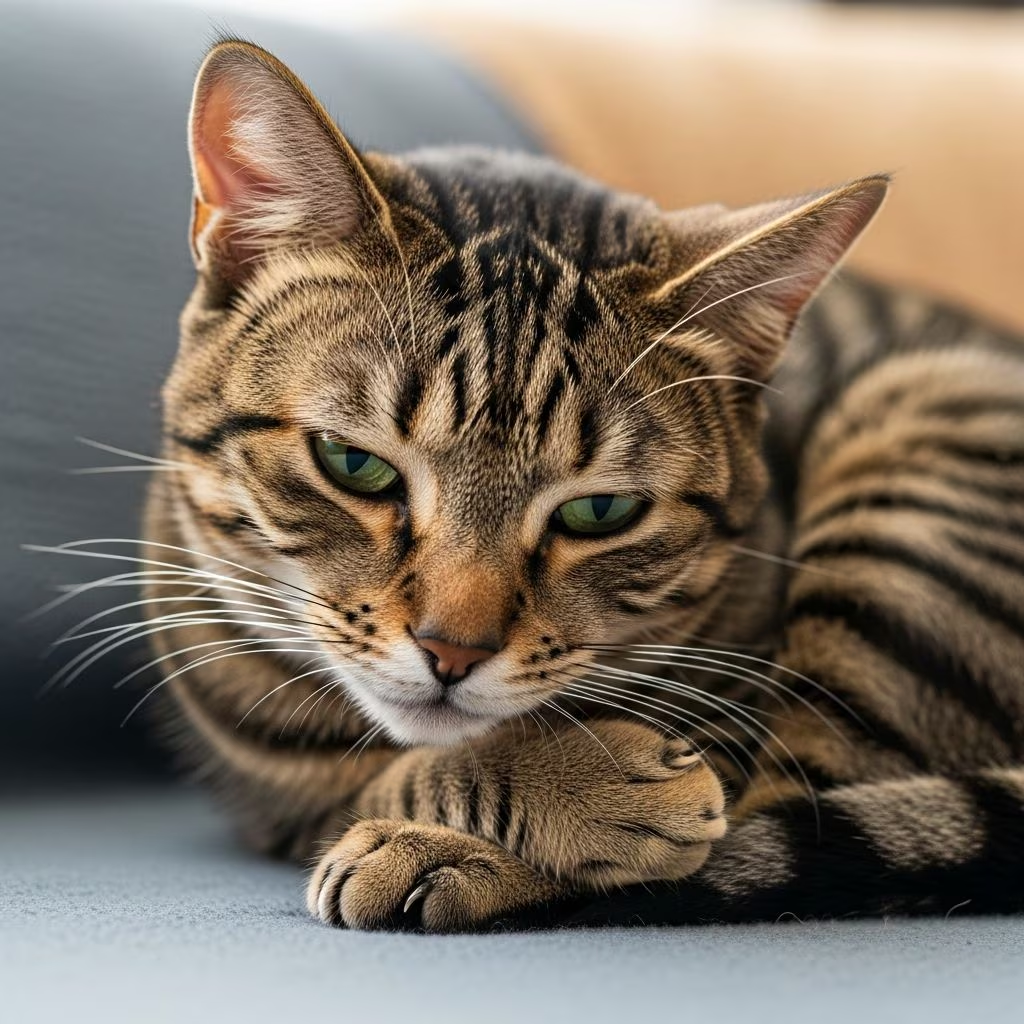
Cats are masters at concealing pain, a survival instinct from their wild ancestors that makes detection challenging for owners. Behavioural changes often provide the earliest clues to discomfort, ranging from subtle shifts in mobility to overt aggression. Understanding these signs allows for prompt veterinary intervention, potentially alleviating suffering and improving quality of life.
Why Cats Hide Pain
In the wild, showing vulnerability invites predators, so domestic cats instinctively mask pain through subtle behavioural adaptations. This stoicism means owners might overlook issues until they become severe. Veterinary experts note that chronic conditions like arthritis manifest quietly, with cats altering routines to avoid pain triggers. Early recognition hinges on knowing your cat’s normal behaviour baseline.
Changes in Mobility and Activity
One of the most reliable indicators of pain in cats is altered mobility. Cats in discomfort often show reluctance to jump, reduced jumping height or distance, or hesitation on stairs. A stiff gait, limping, or difficulty rising from resting positions are common, especially in chronic pain like osteoarthritis, which affects many senior cats bilaterally, making lameness less obvious.
- Reluctance to jump onto furniture or counters they previously accessed easily
- Changes in gait, such as shuffling or gingerly walking
- Difficulty climbing into litter boxes with high sides
- Reduced stretching or scratching behaviour
- Hesitation to go up or down stairs or slippery surfaces
These shifts reflect cats minimising joint or muscle strain. Observe for overall decreased activity; cats may sleep more (beyond their typical 50-75% of the day) or become restless, unable to settle comfortably.
Altered Grooming Habits
Grooming changes signal pain effectively. Excessive licking, biting, or scratching at one area indicates localised discomfort, while overall neglect leads to scruffy, patchy fur. Pain restricts movement, making self-grooming laborious, particularly in arthritic cats.
- Poor grooming resulting in unkempt appearance
- Over-grooming specific spots, causing hair loss
- Lack of grooming due to mobility limitations
Monitor fur condition closely; sudden scruffiness warrants a vet check, as it may precede appetite loss or other systemic signs.
Aggression and Social Withdrawal
Pain often transforms a cat’s sociability. Previously affectionate cats may withdraw, hiding more or avoiding interaction. Resentment to touch, especially in painful areas, triggers hissing, growling, swatting, or biting—behaviours distressing for owners but protective for the cat.
- Sudden aggression when petted or approached
- Hiding or isolation from family and other pets
- Irritability or uncharacteristic spitting/hissing
- Reluctance to be handled or picked up
Social changes strain the human-cat bond; track if your cat seeks solitude more than usual.
Vocalisation Changes
Cats vocalise differently in pain. Increased meowing, howling, or unusual cries signal distress, while some purr despite discomfort—a self-soothing mechanism, especially in gentle personalities. Hissing or growling accompanies acute pain.
- Frequent meowing or howling
- Purring when not content, indicating stress
- Uncharacteristic growling or hissing
Listen for vocal shifts; they’re often among the first noticeable signs.
Appetite and Litter Box Issues
Pain suppresses appetite or thirst, leading to weight loss. Litter box avoidance stems from discomfort entering/exiting or squatting—cats may eliminate outside the box or strain.
- Reduced eating or complete refusal
- Not using the litter box, toileting elsewhere
- Changes in urination/defecation habits
High-sided boxes exacerbate issues; provide low-entry options if mobility wanes.
Posture and Body Language
Body posture reveals pain subtly. A hunched back, lowered head, tense body, or crouched stance protects sore areas. Tucked abdomen suggests abdominal pain.
| Pain Indicator | Description |
|---|---|
| Hunched posture | Back arched, head lowered, tense muscles |
| Tail flicking | Rapid tail movement indicating irritation |
| Limping or stiffness | After resting or on uneven surfaces |
| Restlessness | Inability to settle, shifting positions |
These cues demand vigilance, as cats rarely whine like dogs.
Facial Expressions of Pain
Facial signs are subtle but telling via the Feline Grimace Scale: squinting, narrowed eyes, flattened ears, tense mouth, or glazed stare. Dilated pupils or panting (rare in cats) signal severe distress.
- Squinted or tightly closed eyes
- Flattened ears against head
- Tight facial tension or vacant expression
Compare to normal; pain faces differ markedly.
Other Subtle Signs
Additional indicators include panting, trembling, increased heart/respiratory rates, lethargy, or odd sleeping positions (hunched vs. curled). Patchy fur from neglect or over-grooming compounds issues. Expert consensus highlights crouching or paw shaking as pain-specific.
When to See a Vet
Any behavioural deviation merits attention; don’t wait for multiple signs. Acute changes demand immediate care; chronic ones suggest ongoing issues like arthritis. Vets use tools like the Feline Grimace Scale for assessment. Provide your cat’s behaviour log for accurate diagnosis.
Frequently Asked Questions (FAQs)
Q: Why do cats hide pain so well?
A: It’s an evolutionary trait to avoid appearing weak to predators; domestic cats retain this instinct, showing only subtle behavioural cues.
Q: Is reluctance to jump always pain?
A: Often yes, especially in older cats with arthritis, but rule out other issues like vision problems with a vet.
Q: Can purring mean my cat is in pain?
A: Yes, some cats purr to self-soothe during discomfort, not just contentment.
Q: What if my cat is aggressive suddenly?
A: Pain is a common trigger; avoid forcing interaction and consult a vet promptly.
Q: How can I monitor my cat’s pain at home?
A: Track daily mobility, grooming, appetite, and social behaviour against their norm; use the Feline Grimace Scale for faces.
Preventing and Managing Pain
Regular vet check-ups, weight management, joint supplements, and pain meds tailored for cats help. Environments with ramps, low litter boxes, and soft bedding reduce strain. Early detection via behaviour monitoring is key to management.
This comprehensive guide empowers owners to decode feline discomfort. By staying attuned to these behavioural signs, you can ensure your cat receives timely care, enhancing their comfort and longevity.
References
- Detecting the Subtle Signs of Pain In Pets — Texas A&M University College of Veterinary Medicine & Biomedical Sciences. 2023-10-12. https://vetmed.tamu.edu/news/pet-talk/detecting-the-subtle-signs-of-pain/
- Signs of Pain in Cats — Southborough Veterinary Hospital. 2024-06-15. https://www.southboroughvet.com/site/blog/2024/06/15/signs-pain-cats
- How to Spot if Your Cat is in Pain — Blue Cross. 2024-01-01. https://www.bluecross.org.uk/advice/cat/health-and-injuries/how-to-spot-if-your-cat-is-in-pain
- Cat – Subtle Signs of Illness and Pain — Hickory Veterinary Hospital. 2023-05-20. https://www.hickoryvet.com/services/cats/pain-relief-cats
- Behavioral signs of feline pain — dvm360. 2018-07-01. https://www.dvm360.com/view/behavioral-signs-of-feline-pain
- Behavioural Signs of Pain in Cats: An Expert Consensus — PMC – NIH. 2015-11-27. https://pmc.ncbi.nlm.nih.gov/articles/PMC4765852/
- How To Tell If a Cat Is in Pain — PetMD. 2024-03-15. https://www.petmd.com/cat/symptoms/how-tell-if-cat-pain



