
Behavioral Drugs For Pet Skin Issues: Expert Guide 2025
Discover how psychotropic medications help manage compulsive skin disorders in dogs and cats, improving welfare through targeted therapy.
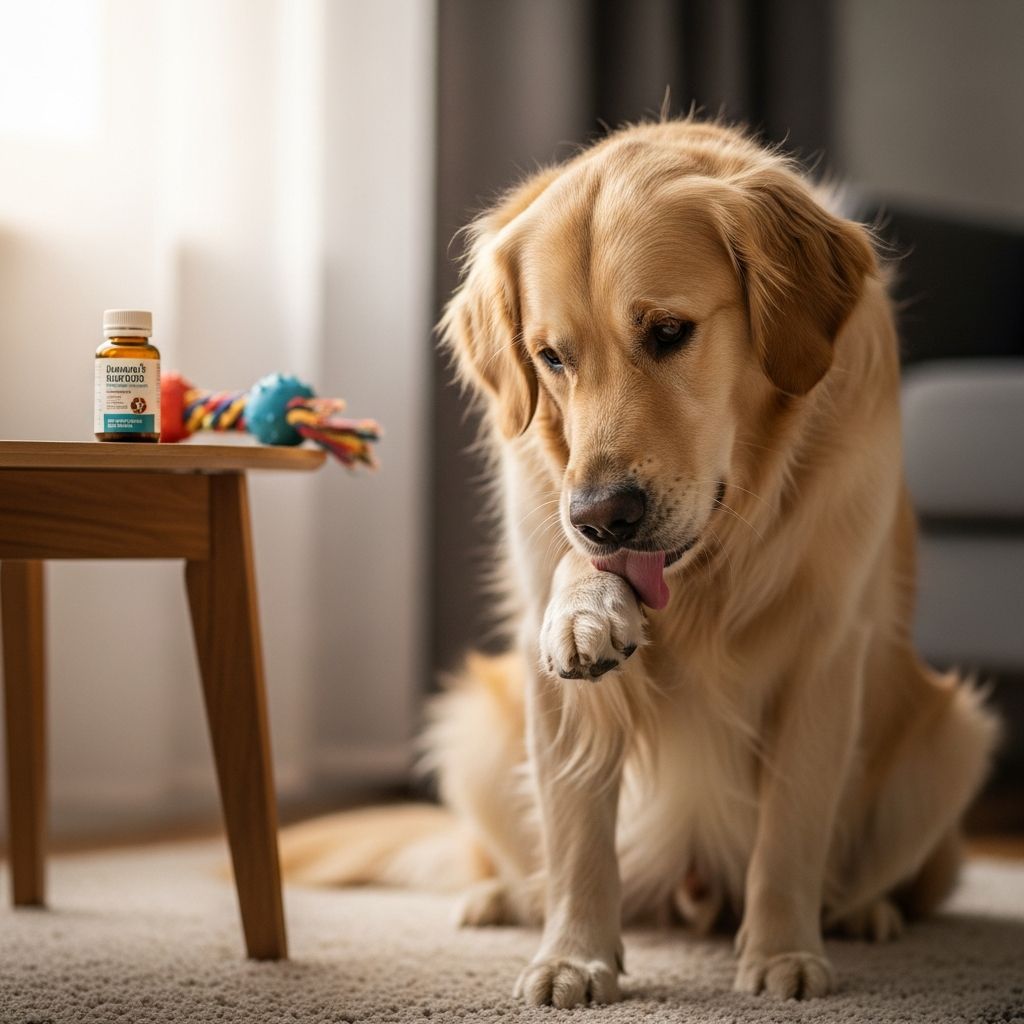
Compulsive behaviors in pets, such as excessive grooming or licking, often lead to skin damage and require targeted psychotropic interventions alongside behavioral modifications. These medications address underlying anxiety or stress contributing to conditions like hair loss in cats and lick sores in dogs.
Understanding Compulsive Skin Conditions in Companion Animals
Skin problems stemming from behavioral issues affect many dogs and cats. In felines, psychogenic alopecia manifests as over-grooming, resulting in bald patches due to stress-induced licking. Dogs may develop acral lick dermatitis, where persistent licking creates thickened, ulcerated skin on limbs. These disorders link to abnormal repetitive behaviors, often tied to anxiety, environmental changes, or genetic predispositions.
Veterinarians diagnose these by ruling out medical causes like allergies or parasites through exams, biopsies, and history reviews. Treatment combines environmental enrichment, training, and drugs that modulate brain chemicals like serotonin to reduce compulsions.
Key Drug Categories for Behavioral Skin Therapy
Several psychotropic classes prove effective for these integumentary issues, used extralabel under veterinary guidance. Each targets neurotransmitters differently, offering options based on symptom severity and pet response.
Tricyclic Antidepressants (TCAs)
TCAs like clomipramine and amitriptyline inhibit serotonin and norepinephrine reuptake, curbing compulsive actions. Clomipramine, FDA-approved for canine separation anxiety, shows efficacy in feline urine marking and licking disorders at 1–3 mg/kg PO every 12 hours for dogs and 0.5–1.5 mg/kg daily for cats. Amitriptyline follows similar dosing, providing antihistamine benefits for itch relief.
Effects emerge in 4–8 weeks, with side effects including sedation, dry mouth, or urinary retention. Gradual tapering prevents relapse.
Selective Serotonin Reuptake Inhibitors (SSRIs)
SSRIs such as fluoxetine elevate serotonin levels, ideal for anxiety-driven grooming. Dosed at 1 mg/kg PO daily, fluoxetine reduces feline psychogenic alopecia and canine compulsions within 1–4 weeks. Minimal dependence risk makes them suitable for long-term use, though monitoring for aggression disinhibition is essential.
Anxiolytics and Sedatives
Benzodiazepines like diazepam offer rapid calming but risk hepatotoxicity in cats with repeated use; dose 1–2 mg/kg PO every 12 hours short-term. Hydroxyzine at 2.2 mg/kg every 8 hours provides milder sedation. These bridge therapy while slower drugs build efficacy.
Opiate Antagonists and Others
Naltrexone (2.2 mg/kg PO daily) blocks endorphin rewards from licking, effective for acral dermatitis. Phenobarbital serves adjunctively at low doses.
Comparative Dosage Guide for Common Agents
| Drug Class | Examples | Dog Dosage | Cat Dosage | Onset |
|---|---|---|---|---|
| TCAs | Clomipramine | 1–3 mg/kg PO q12h | 0.5–1.5 mg/kg PO q24h | 4–8 weeks |
| TCAs | Amitriptyline | 1–3 mg/kg PO q12h | 1–3 mg/kg PO q12h | 4–8 weeks |
| SSRIs | Fluoxetine | 1 mg/kg PO q24h | 0.5–1 mg/kg PO q24h | 1–4 weeks |
| Anxiolytics | Diazepam | 1–2 mg/kg PO q12h | Avoid repeated use | Hours |
| Opiate Antagonist | Naltrexone | 2.2 mg/kg PO q24h | 2.2 mg/kg PO q24h | Days |
| Other | Hydroxyzine | 2.2 mg/kg PO/IV q8h | 2.2 mg/kg PO/IV q8h | Hours |
Integrating Medications with Behavioral Strategies
Drugs alone rarely suffice; pair with puzzle toys, pheromone diffusers, and routine changes. For cats, vertical spaces reduce stress; dogs benefit from exercise. Monitor progress via photos of lesions and behavior logs.
- Week 1–2: Start low-dose drug, introduce enrichment.
- Week 4+: Assess skin healing, adjust dose.
- Maintenance: Taper after 3–6 months stability.
Safety Considerations and Side Effects
Psychotropics demand vet oversight due to interactions and species differences. Avoid in pregnant pets, those with liver disease, or glaucoma. Common issues: lethargy (SSRIs/TCAs), ataxia (benzodiazepines), GI upset (trazodone adjunct). Compounding improves palatability for finicky eaters.
Recent studies affirm SSRIs/TCAs safety in behavior therapy, with low toxicity when dosed properly.
Emerging Options and Adjunct Therapies
Trazodone (sedative-anxiolytic) aids situational anxiety at 5–10 mg/kg, useful post-surgery or during thunderstorms. Gabapentin manages refractory cases or vet visits. Monoamine oxidase inhibitors like selegiline target cognitive decline-linked behaviors in seniors.
Case Studies in Practice
A 5-year-old cat with flank alopecia responded to fluoxetine plus Feliway, regrowing fur in 8 weeks. A Labrador with lick granulomas healed via naltrexone and cone use, preventing reinjury.
Frequently Asked Questions (FAQs)
Are psychotropic drugs safe for long-term use in pets?
Yes, under monitoring; SSRIs show low side effects long-term.
How quickly do these medications work for skin licking?
Fast-acting like benzodiazepines in hours; antidepressants in weeks.
Can I stop the medication abruptly?
No, taper gradually to avoid withdrawal or relapse.
What if my pet shows no improvement?
Reevaluate for underlying medical issues; switch classes.
Do these drugs cure the behavior?
They manage symptoms; combine with training for best outcomes.
References
- Psychotropic Agents for Integumentary Disease in Animals — Merck Veterinary Manual. 2023. https://www.merckvetmanual.com/pharmacology/systemic-pharmacotherapeutics-of-the-integumentary-system/psychotropic-agents-for-integumentary-disease-in-animals
- The use of psychoactive agents in veterinary medicine — PubMed (International Journal of Pharmaceutical Compounding). 2013-09. https://pubmed.ncbi.nlm.nih.gov/23981826/
- Psychotropic drugs: Why, where, when and how (Proceedings) — dvm360. 2023. https://www.dvm360.com/view/psychotropic-drugs-why-where-when-and-how-proceedings
- Veterinary Behavior Medications: A Summary for Vet Students — VetPrep (PDF). 2024-09. https://vet-etc.com/wp-content/uploads/2024/09/Veterinary-Behavior-Medications.pdf
- Psychoactive drugs can help – how to choose correct one — Vet Times. 2023. https://www.vettimes.com/news/vets/small-animal-vets/psychoactive-drugs-can-help-how-to-choose-correct-one
Similar Articles








Read full bio of Sneha Tete


