

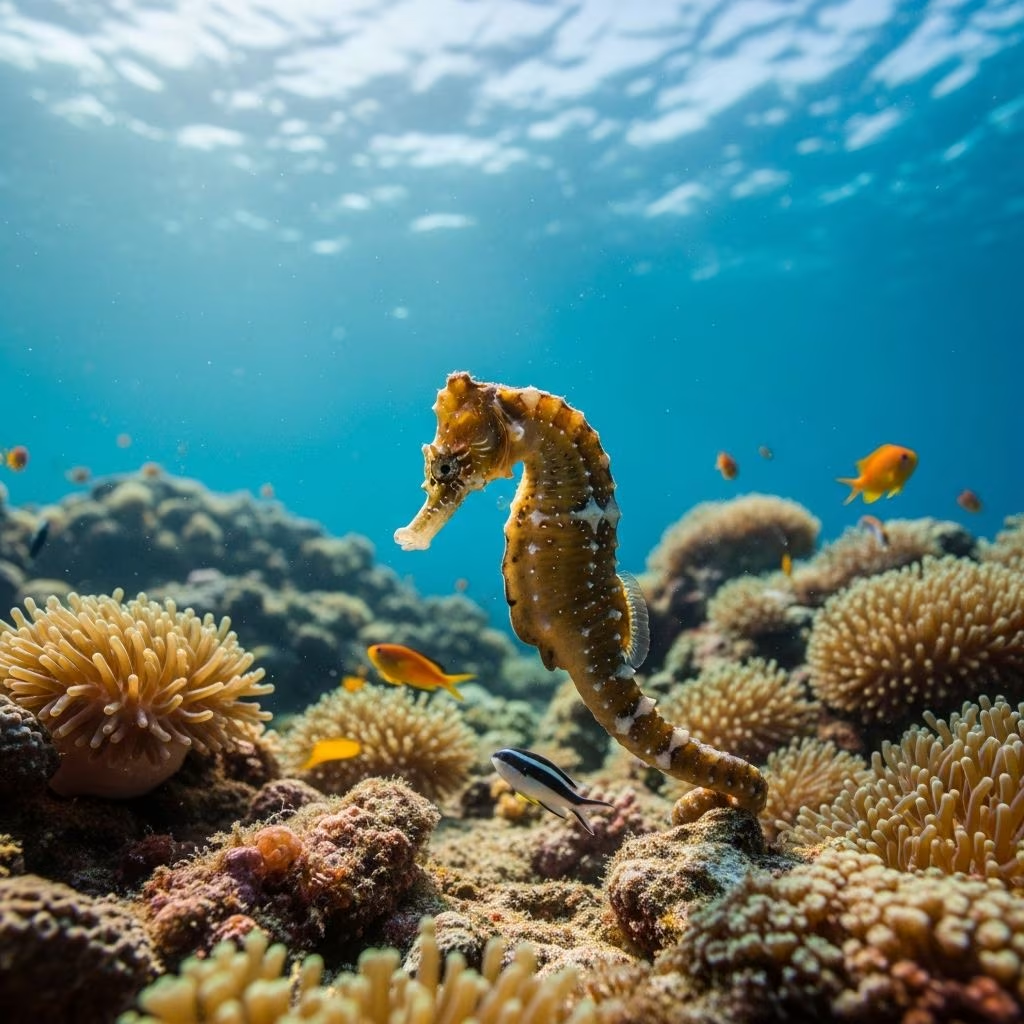
A Beginner’s Guide to Keeping Seahorses
Seahorses are captivating and unique creatures that can make wonderful additions to a saltwater aquarium. However, they require specific care and attention to thrive in captivity. Unlike many other fish species, seahorses have specialized needs that demand careful planning and dedicated maintenance. This comprehensive guide will walk you through everything you need to know to successfully keep seahorses in your home aquarium, from initial setup to advanced care considerations.
Understanding Seahorse Basics
Before diving into the specifics of seahorse care, it’s important to understand what makes these creatures special. Seahorses are vertically oriented animals that utilize the water column extensively, requiring tanks that accommodate their unique swimming behavior. They are relatively sedentary compared to other fish species, preferring gentle water conditions and low-flow environments. Their slow-moving nature and delicate constitution make them poorly suited for aggressive or active tank mates, which is why species-only setups or carefully selected companions are essential.
Tank Size and Setup Requirements
One of the first decisions you’ll need to make when setting up a seahorse aquarium is determining the appropriate tank size. Seahorses are vertically oriented animals and utilize the water column to its fullest extent, making tank height an important consideration. The general recommendation for seahorse tanks is a minimum of 30 gallons for the first pair, with an additional 10 gallons for each additional pair of seahorses.
When setting up your seahorse tank, consider the following components:
– A thin layer of live sand (3/4″ to 1″ deep) for the substrate- 1-2 pounds of well-cured live rock per gallon of water- A quality protein skimmer for waste removal- An external power filter to provide water movement and supplemental filtration- Appropriate lighting that avoids bright intensity- Stable structures where seahorses can anchor themselves with their prehensile tails
Live rock and plants provide essential anchoring points where seahorses can grasp with their tails, allowing them to rest and conserve energy. Choose low-flow corals such as gorgonians and soft corals that are securely attached and stable, as seahorses may hitch onto them. Unstable corals can be dislodged and cause potential injuries to your seahorses.
Water Parameters and Quality
Maintaining pristine water conditions is perhaps the most critical aspect of seahorse care. These sensitive creatures require precise environmental parameters to remain healthy and stress-free. Regular monitoring and maintenance of water quality should become part of your daily routine.
Essential Water Parameters
| Parameter | Ideal Range |
|---|---|
| Temperature | 72°F to 78°F (22°C to 26°C) |
| pH Level | 8.0 to 8.4 |
| Salinity (Specific Gravity) | 1.021 to 1.025 |
| Ammonia | 0 ppm |
| Nitrite | 0 ppm |
| Alkalinity | Balanced |
| Nitrate | Low levels |
Temperature Stability: Seahorses are sensitive to temperature fluctuations. Maintaining a stable water temperature between 72°F and 78°F is critical, as temperatures that are too hot or cold can stress your seahorses and compromise their health. Use a reliable thermometer and check daily to ensure consistency.
pH and Alkalinity: Keep pH levels stable between 8.0 and 8.4, which is typical for marine aquariums. Use a reef-specific salt mix to help maintain the perfect balance and keep your seahorse’s bony plates in peak condition.
Salinity: Maintain specific gravity between 1.021 and 1.025 (or 28-32 parts per thousand). Consistent salinity is essential for seahorse osmoregulation and overall health.
Filtration and Water Flow
Seahorses are not built for high-speed swimming, so providing gentle water flow is essential. Seahorses prefer low to moderate flow environments. Ensure gentle water movement through your refugium to prevent detritus buildup while allowing for nutrient exchange, as the refugium should be a low-flow area compared to the main tank.
Adequate biological filtration is crucial for maintaining water quality. The general recommendation is 1-2 pounds of well-cured live rock per gallon of water. A sump system is an excellent addition to your setup, as it adds extra water volume and helps maintain a more stable environment. Using sponges, filter socks, and filter floss are great for trapping particles and keeping the water clean.
An auto top-off system is highly recommended to maintain consistent water levels and salinity, compensating for natural evaporation.
Water Maintenance and Testing
Regular water testing and maintenance routines are fundamental to seahorse care. Perform a 20-25% water change every two weeks to maintain water quality using dechlorinated water with matching temperature and salinity. There must be adequate biological filtration and you should do water changes of 5-20 percent per week.
Routine Tank Cleaning: Establish a regular cleaning schedule to keep the environment clean and stable. Use a gravel vacuum to clean the substrate and remove detritus during water changes, which helps prevent the buildup of harmful substances. Regularly remove algae from tank walls, decorations, and equipment using algae scrapers or magnetic cleaners.
Filter Maintenance: Clean filter media and equipment monthly to ensure efficient filtration. Replace filter pads, rinse mechanical filters, and check that biological media are not clogged. Regularly inspect heaters, pumps, and other equipment to ensure they are functioning properly, and replace or repair any faulty equipment immediately.
Feeding Your Seahorses
Seahorses have unique feeding requirements that differ significantly from other fish species. They are slow eaters that require food to be delivered directly to them. Understanding proper feeding techniques and strategies is essential for maintaining their health and vitality.
Feeding Frequency and Amount
Seahorses have small stomachs and high metabolisms, requiring frequent feedings throughout the day. Most seahorses should be fed six to eight shrimp twice a day, though larger horses will eat more, so observing your animals is important. Aim for at least 2-3 feedings per day, adjusting based on their appetite and health status.
Feeding Methods
Turkey Baster Feeding: The most useful tool for feeding seahorses is a turkey baster. With the baster, you can present shrimp one at a time in front of the animal, suck them back up if the horse doesn’t take them, or carefully deposit a larger amount of shrimp at a feeding station. Seahorses use their long snouts to suck in prey, so providing food in a low-flow area can help ensure they get enough to eat.
Feeding Station Training: Get your horses’ attention with a single shrimp and then guide it over to the feeding station. Present your shrimp in front of the seahorse by releasing one or two from the turkey baster in front of its snout. With a little practice, you can keep a single shrimp balanced delicately at the tip of your turkey baster while you slowly guide the shrimp and the seahorse over to the dinner bowl. Most seahorses will learn to eat at a feeding station within a few weeks.
Free Feeding: You can pour food into the tank and remove any leftover food later. This method can be an easy way to feed your pet seahorses, but food may be left behind and potentially spoil. If you have a large seahorse colony, free feeding can make feeding time easier.
Ensuring Cleanliness During Feeding
Keep the feeding area clean to prevent the buildup of uneaten food, which can degrade water quality. Use a turkey baster or feeding tube to target-feed seahorses and remove any leftover food promptly.
Nutritional Requirements and Supplements
Providing a balanced diet is crucial for seahorse health and vitality. Incorporating vitamins into your seahorses’ diet is essential to prevent nutritional deficiencies and support their immune system. Regularly monitor your seahorses for signs of vitamin deficiencies, such as weight loss, lethargy, or color changes.
Consider adding small amounts of marine algae to the diet of your seahorses. Algae can provide additional nutrients and help diversify their diet. Adjust their diet and supplement regimen as needed to address any nutritional issues that may arise.
Breeding Seahorses
Seahorses have a unique reproductive system where males carry the eggs in their brood pouch until they are ready to be released as fully formed miniature seahorses. Understanding breeding behavior can help in providing proper care during these times.
Breeding and Courtship: Male seahorses carry the eggs in their brood pouch, and observing courtship behaviors is fascinating. When seahorses are ready to breed, they may display increased interaction and synchronized swimming patterns. Providing proper nutrition and stable environmental conditions is critical during breeding periods.
Feeding During Breeding: Feeding breeding seahorses requires special attention to ensure they receive adequate nutrition for reproduction and the development of their young. Maintain consistent feeding schedules and monitor their health closely during this period.
Compatible Tank Mates
Seahorses should be kept in a species-only aquarium or with carefully selected compatible tank mates. Compatible companions include pipefish and fish from the goby family. Avoid aggressive fish and those that might nip at seahorses or compete aggressively for food. Their slow-moving nature makes them vulnerable to faster, more aggressive species.
Health Monitoring and Common Issues
Seahorses are prone to certain illnesses, especially in less than ideal tank conditions. Preventative measures like regular water changes, maintaining proper filtration, and avoiding overcrowding are essential for minimizing stress, which is one of the biggest threats to their health.
Regular Monitoring: Monitoring water parameters regularly ensures that issues such as ammonia spikes are caught and corrected before they can cause problems. Observe your seahorses daily for changes in behavior, appetite, or appearance that might indicate health concerns. Early detection of problems can make the difference between recovery and serious illness.
Understanding Seahorse Behavior and Needs
Seahorses have unique behaviors and specific needs that are important to understand for their proper care. Their sedentary nature means they spend much of their time anchored to seagrass or coral with their prehensile tails. They are relatively inactive swimmers and prefer environments where they can rest and conserve energy.
Male seahorses are responsible for parental care, carrying fertilized eggs in their brood pouch until they are fully developed. This unusual reproductive strategy is one of the most fascinating aspects of seahorse biology and demonstrates the complexity of their life cycle.
Advanced Care Tips
For those looking to provide the best care for their seahorses, understanding their behavior and needs, addressing common health issues, and being aware of conservation and ethical considerations are crucial aspects. Consider investing in high-quality equipment, maintaining detailed logs of water parameters, and staying informed about seahorse care through reputable aquarium resources.
Frequently Asked Questions (FAQs)
Q: What is the minimum tank size for keeping seahorses?
A: The minimum recommended tank size is 30 gallons for the first pair of seahorses, with an additional 10 gallons for each additional pair.
Q: How often should I feed my seahorses?
A: Seahorses should be fed at least 2-3 times per day due to their small stomachs and high metabolisms. Most seahorses should be fed six to eight shrimp twice a day.
Q: What is the ideal water temperature for seahorses?
A: The ideal water temperature should remain stable between 72°F and 78°F (22°C to 26°C).
Q: Can I keep seahorses with other fish?
A: Seahorses should be kept in a species-only aquarium or with compatible tank mates such as pipefish or fish from the goby family.
Q: How do I know if my seahorse is sick?
A: Monitor your seahorses for signs of vitamin deficiencies, such as weight loss, lethargy, or color changes. Regular observation and maintaining pristine water conditions are the best prevention methods.
Q: What feeding method works best for seahorses?
A: A turkey baster is the most useful tool for feeding seahorses, allowing you to present food directly to them. You can also train them to use a designated feeding station.
References
- Ultimate Guide to Successfully Taking Care of Seahorses — Top Shelf Aquatics. 2025. https://topshelfaquatics.com/blogs/news/aquarium-for-seahorses
- A Beginner’s Guide to Keeping Seahorses — Chewy. 2025. https://www.chewy.com/education/fish/saltwater-fish/a-beginners-guide-to-keeping-seahorses
- Sea horse care sheet — Aquarium World. 2025. https://aquariumworld.nz/forums/topic/29836-sea-horse-care-sheet/
- Seahorse Care: Everything You NEED To Know — YouTube. 2025. https://www.youtube.com/watch?v=5HBTvwtsrio
- Guidance on keeping seahorses — Seahorse.com. 2025. https://seahorse.com/topic/guidance-on-keeping-seahorses/
- Guide To Keeping Healthy Pet Seahorses — PetMD. 2025. https://www.petmd.com/fish/guide-keeping-healthy-pet-seahorses



