

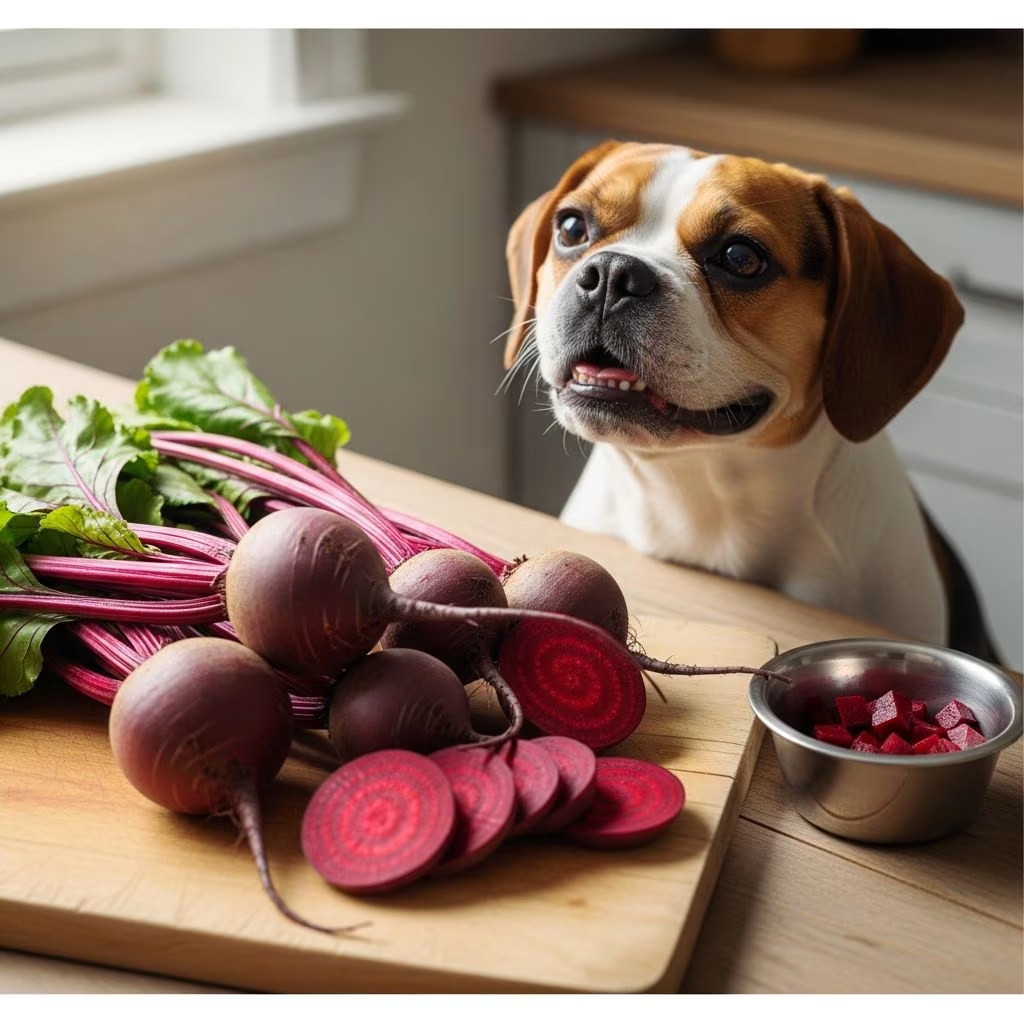
If you’ve ever wondered whether your four-legged companion can enjoy the same vibrant root vegetables you do, you’re not alone. Many pet owners look for healthy treat options to supplement their dog’s diet, and beets frequently come up in conversation. The good news is that beets are generally safe for dogs when prepared and portioned appropriately. However, like any human food introduced to your dog’s diet, there are important considerations to understand before serving them to your furry friend.
The Straightforward Answer: Can Your Dog Have Beets?
Yes, dogs can safely consume beets. Unlike some root vegetables such as onions and garlic that are toxic to canines, beets are not poisonous and can actually provide nutritional value to your pet. However, the key to safely feeding beets lies in moderation, proper preparation, and awareness of potential risks that come with this particular vegetable.
Nutritional Advantages Beets Offer to Your Canine Companion
Beets pack an impressive nutritional profile that can benefit your dog’s overall health and wellbeing when incorporated thoughtfully into their diet. Understanding these nutritional components helps explain why veterinarians sometimes recommend beets for dogs with specific health concerns.
Key Nutritional Components Found in Beets
- Fiber Content: Beets contain both soluble and insoluble fiber, which supports digestive function and helps maintain regular bowel movements. This fiber aids in regulating your dog’s digestive system and can help prevent issues like constipation and diarrhea.
- Essential Minerals: Potassium, an electrolyte found in beets, supports proper heart function, muscle contractions, and nerve signaling in your dog’s body. Manganese and magnesium also contribute to bone health and metabolic function.
- Vitamins: Vitamin C supports immune function, while folate aids in cell division and DNA synthesis. These vitamins work together to maintain your dog’s overall health.
- Iron: This mineral is particularly valuable for older dogs who may suffer from iron deficiency, as it helps red blood cells carry oxygen throughout the body.
- Antioxidants: Beets contain natural pigments and antioxidants that have anti-inflammatory properties, benefiting skin and coat health.
- Calcium and Zinc: These minerals support bone strength and immune function.
Health Benefits That May Justify Beet Inclusion in Your Dog’s Diet
Beyond basic nutrition, beets offer specific health advantages that make them appealing for certain situations:
- Improved Coat and Skin Condition: The vitamins and antioxidants in beets promote healthier skin and shinier coats, making them particularly beneficial for dogs experiencing fur loss or dull coat conditions.
- Digestive Support: Veterinarians often recommend beets for dogs struggling with digestive issues or upset stomachs, as the fiber content promotes healthy gut function.
- Blood Sugar and Cholesterol Regulation: The soluble fiber in beets helps regulate blood sugar levels and can contribute to healthier cholesterol profiles.
- Nutrient Density: For dogs with suboptimal nutrition or those with specific vitamin deficiencies, beets can fill nutritional gaps.
Important Safety Concerns Before Feeding Beets to Your Dog
While beets offer genuine nutritional benefits, they also present several risks that responsible pet owners should understand and actively manage.
The Oxalate Challenge
Beets contain oxalic acid and oxalates, naturally occurring compounds that warrant careful consideration. These substances can bind with minerals in your dog’s urinary tract, potentially leading to the formation of kidney stones or bladder stones. This risk is particularly important for dogs with a history of urinary tract issues. The good news is that oxalate toxicity is rare because dogs would need to consume extraordinarily large quantities to cause serious harm. Nevertheless, moderation remains essential, especially for susceptible dogs. It’s worth noting that beet greens and leaves contain even higher concentrations of oxalates than the root itself, making them unsuitable for canine consumption.
Sugar Content Considerations
Beets contain relatively high natural sugar levels compared to many other vegetables. For dogs already struggling with weight management, diabetes, or those predisposed to pancreatitis, this sugar content presents a genuine concern. Excessive beet consumption could contribute to obesity or trigger pancreatitis in vulnerable dogs. Processed beet products amplify this problem dramatically—canned beets and beet juice contain significantly more sugar, plus added sodium and chemical preservatives that are inappropriate for canines. Pickled beets should be completely avoided, as they often contain onions and excessive sodium.
Digestive and Physical Hazards
Raw, whole beets present a choking hazard, particularly for smaller dogs or enthusiastic eaters. Additionally, because beets are acidic vegetables, they can potentially cause gastrointestinal upset in some dogs. The fiber content, while generally beneficial, can lead to diarrhea if dogs consume excessive quantities. Some dogs may also experience allergic reactions or sensitivities to beets, though this remains relatively uncommon.
Cosmetic Side Effects
A minor but notable consideration: beets can temporarily stain your dog’s stool, urine, and even their fur a pink or reddish tinge due to their natural pigments. While harmless, this unexpected color change sometimes alarms pet owners unfamiliar with this effect.
Proper Preparation Methods for Maximum Safety and Nutrition
How you prepare beets for your dog significantly impacts both safety and nutritional value. Following these guidelines helps maximize benefits while minimizing risks.
Preparation Best Practices
- Choose Organic When Possible: Organic beets reduce your dog’s exposure to pesticides and chemical residues, supporting their long-term health.
- Cook Rather Than Serve Raw: Cooked beets are easier for dogs to digest and eliminate the choking hazard posed by raw pieces. Boiling or steaming are excellent cooking methods.
- Remove All Greens and Tops: Never feed your dog beet leaves, stems, or greens, as these contain elevated oxalate concentrations.
- Peel the Skin: While beet skin contains beneficial antioxidants, it’s difficult for dogs to digest, so peeling is recommended.
- Cut Into Appropriate Sizes: Chop cooked beets into small, manageable pieces appropriate for your dog’s size to prevent choking.
- Avoid Processed Versions: Never offer pickled, canned (unless specifically salt-free), seasoned, or sugary beet products.
Forms You Can Offer
Beet puree offers an excellent option, as it’s easy to digest and simple to portion accurately. Many veterinarians suggest offering beets in puree form rather than chunks. Plain, cooked beets cut into small pieces also work well. Some dogs might enjoy frozen beet puree on particularly hot days as a refreshing treat.
Appropriate Serving Sizes Based on Your Dog’s Size
The amount of beets your dog can safely consume depends directly on their body weight. These guidelines help ensure you’re providing a beneficial treat without overdoing it:
| Dog Size Category | Weight Range | Recommended Portion | Example Breeds |
|---|---|---|---|
| Small | Under 25 pounds | ½ to 1 tablespoon of beet puree | Chihuahuas, Yorkshire Terriers, Toy Poodles |
| Medium | 25–50 pounds | 1–2 tablespoons of beet puree | Basset Hounds, Border Collies, Cocker Spaniels |
| Large | 51–90 pounds | 2–4 tablespoons of beet puree | German Shepherds, Labrador Retrievers, Pit Bulls |
| Extra-Large | 91+ pounds | 5 tablespoons of beet puree | Great Pyrenees, Saint Bernards, Newfoundlands |
Remember that beets should never exceed 10% of your dog’s total daily caloric intake. This means beets function as an occasional treat, not a dietary staple or meal component.
The Right Approach to Introducing Beets to Your Dog’s Diet
Adding any new food to your dog’s diet requires a gradual, cautious approach. Start with very small amounts—even smaller than the standard serving size—and monitor your dog carefully for several days. Watch for signs of digestive upset, allergic reactions (such as itching, hives, redness in the ears), or diarrhea. If your dog tolerates the small sample well, you can gradually increase to the recommended portion size. If you notice any adverse reactions, discontinue immediately and consult your veterinarian.
Special Considerations for Dogs with Specific Health Conditions
Certain health conditions warrant extra caution or consultation with your veterinarian before introducing beets:
- History of Kidney or Bladder Issues: Dogs with a history of kidney stones, bladder stones, or urinary tract problems should only consume beets under veterinary guidance due to oxalate content.
- Diabetes or Weight Management Issues: The natural sugar content makes beets problematic for diabetic dogs or those on strict weight management plans.
- Pancreatitis: Dogs with a history of pancreatitis should avoid beets due to sugar content risk.
- Gastrointestinal Sensitivity: Dogs with sensitive stomachs or a tendency toward diarrhea may not tolerate beets well.
Frequently Asked Questions About Dogs and Beets
Can dogs drink beet juice?
No, beet juice should not be given to dogs. The juicing process concentrates sugars dramatically, making the beverage far too rich and sugar-heavy for canine consumption.
Are canned beets acceptable?
Canned beets can work if they contain absolutely no added salt, sugars, or other additives. Most commercial canned beets contain too much sodium and preservatives, making fresh or home-cooked options preferable.
What about beet supplements marketed for dogs?
Commercial beet supplements for dogs should meet the same safety standards as whole beets. Always check labels for appropriate ingredients and consult your veterinarian before introducing supplements.
How often can I give my dog beets?
Beets should be offered as an occasional treat, not a regular daily food. Once or twice weekly is a reasonable frequency for most healthy dogs.
Do all dogs tolerate beets equally well?
Individual dogs have different sensitivities and health profiles. Some may tolerate beets perfectly while others experience digestive upset. Monitor your specific dog’s response carefully.
Making the Final Decision: Should Your Dog Eat Beets?
Beets can be a nutritious occasional treat for most healthy dogs when properly prepared and appropriately portioned. They offer genuine nutritional benefits including fiber, essential minerals, and antioxidants that support digestive health, coat condition, and overall wellbeing. However, the oxalate content, natural sugars, and potential for gastrointestinal upset mean they’re not suitable for all dogs or every situation. If you’re uncertain whether beets are appropriate for your specific dog—particularly if your dog has existing health conditions—consulting with your veterinarian provides valuable peace of mind. Your vet can assess your dog’s individual health profile and offer personalized recommendations based on their complete medical history.
When you do decide to offer beets, start slowly with small quantities, observe your dog’s response carefully, and maintain appropriate portion sizes. With this thoughtful approach, beets can become a healthy, flavorful addition to your dog’s treat rotation.
References
- Root Vegetables for Dogs: Can Dogs Eat Beets — Native Pet. https://nativepet.com/blogs/health/can-dogs-eat-beets
- Are Beets Safe For Dogs to Eat? — Rover. https://www.rover.com/blog/can-my-dog-eat-beets/
- Can Dogs Eat Beets? — PetMD. https://www.petmd.com/dog/nutrition/can-dogs-eat-beets
- Can Dogs Eat Beets? – Yes, In Moderation — Wild Earth. https://wildearth.com/blogs/dog-knowledge/can-dogs-eat-beets
- Can Dogs Eat Beets? A Vibrant Superfood for Your Pup — Shop Dogged. https://shopdogged.com/blogs/news/can-dogs-eat-beets-a-vibrant-superfood-for-your-pup
- Can Dogs & Cats Eat Beets? Health Benefits — PetPlace. https://www.petplace.com/article/general/pet-health/can-dogs-cats-eat-beets
- Can Dogs Eat Beetroot? — Pooch and Mutt. https://www.poochandmutt.co.uk/blogs/can-dogs-eat/beetroot



