

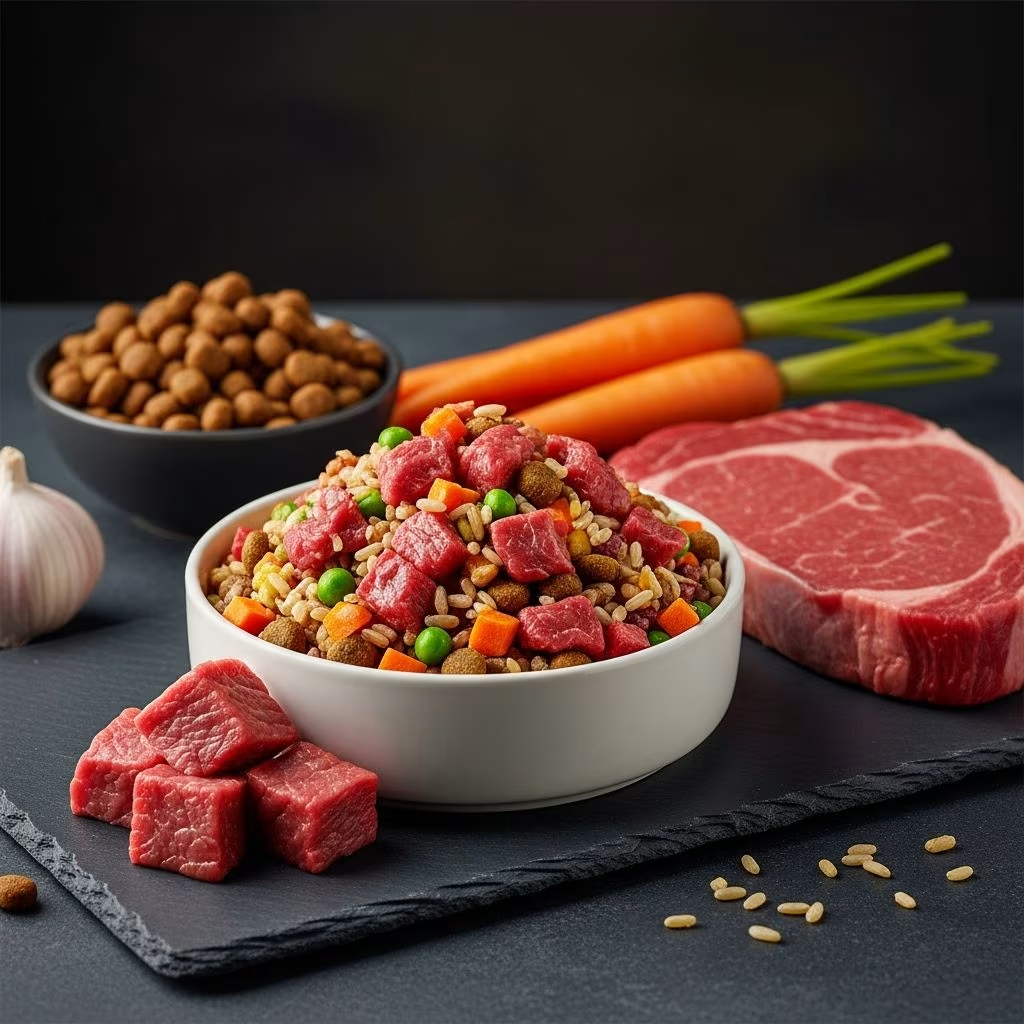
Beef stands out as a popular protein choice for dogs due to its rich nutrient profile, supporting everything from muscle growth to immune function. However, its inclusion requires careful consideration of preparation methods, portion control, and individual health factors to avoid adverse effects.
Nutritional Powerhouse: Why Beef Appeals to Canine Health
Beef delivers essential building blocks that align well with a dog’s biological needs. High in complete proteins, it aids in tissue repair and energy production, making it ideal for active or growing pets.
Key components include heme iron for oxygen transport and anemia prevention, zinc for skin integrity, and B vitamins like B12 for metabolic efficiency. Grass-fed varieties often provide superior omega-3s, promoting joint mobility and reducing inflammation.
- Protein Quality: Easily digestible amino acids fuel muscle maintenance, especially in seniors or athletes.
- Mineral Boost: Phosphorus and selenium enhance bone density and antioxidant defenses.
- Vitamin Support: B6 and D contribute to nerve health and calcium absorption.
Studies on raw meat diets note anecdotal improvements in coat shine and vitality, attributed to these bioavailable nutrients.
Raw vs. Cooked Beef: Weighing Safety and Digestibility
Deciding between raw and cooked beef hinges on balancing nutrient retention against contamination risks. Raw forms preserve enzymes and vitamins lost in heating but harbor pathogens.
| Aspect | Raw Beef | Cooked Beef |
|---|---|---|
| Bacterial Risk | High (Salmonella, E. coli) | Low (cooking kills most pathogens) |
| Nutrient Retention | Excellent (full enzymes, vitamins) | Good (minor losses, better for sensitive stomachs) |
| Digestibility | Variable (may cause upset) | High (broken-down proteins) |
| Handling Safety | Risky for humans/pets | Safer overall |
Cooked lean beef minimizes digestive obstructions and supports pets with weak immunity. Raw feeding demands sourcing from trusted suppliers and strict hygiene to mitigate Listeria or parasites.
Health Conditions That Complicate Beef Feeding
Not all dogs thrive on beef. Allergies trigger itching, ear infections, and gastrointestinal distress via immune responses. Pancreatitis-prone dogs suffer from fat content, exacerbating inflammation as per veterinary research.
Kidney disease patients need moderated protein to ease filtration strain, while obese pets risk further weight gain from calorie-dense cuts. Always screen for sensitivities through elimination trials or vet diagnostics.
Safe Preparation and Portion Guidelines
Opt for lean, unseasoned cuts to sidestep sodium overload or spice toxicities. Ground beef works well for mixing into kibble, providing iron and potassium without excess fat.
Portions vary by weight: small dogs (under 20 lbs) get 1-2 oz daily; larger ones up to 4-6 oz, adjusted for total caloric needs. Never rely solely on beef—pair with veggies, grains, and supplements for balance, avoiding deficiencies in calcium or fiber.
Beef Byproducts: Bones, Fat, and Processed Options
Avoiding Bone Hazards
Steak bones, cooked or raw, pose splintering, choking, or bacterial threats like E. coli. A 2020 PLOS ONE study linked autoclaved beef bones to dental fractures in beagles, underscoring oral injury risks.
Steering Clear of Beef Fat Excess
Trim fat rigorously; excess leads to vomiting, diarrhea, and acute pancreatitis, with 2022 research confirming high-fat triggers flare-ups. Occasional small amounts aid flavor but not routinely.
Processed Beef Pitfalls
Corned beef’s salt fosters hypertension; jerky demands dog-specific, low-sodium versions rich in protein yet free of garlic/onion. Human varieties often contain preservatives harmful to canines.
Integrating Beef into Commercial and Homemade Diets
Commercial beef dog foods from reputable brands ensure AAFCO balance, leveraging beef’s strengths without excesses. Homemade recipes shine with fresh beef but require vet-formulated plans to hit nutrient targets.
Raw meat-based diets (RMBDs) promise dental benefits and firmer stools but show bacterial contamination in FDA tests. Nutritional gaps, like excess vitamin A from liver, demand monitoring.
Expert Tips for Optimal Beef Inclusion
- Source humanely raised, antibiotic-free beef for purity.
- Introduce gradually to monitor tolerance.
- Consult vets for breed-specific needs, e.g., Bulldogs prone to allergies.
- Combine with fish or poultry for variety, preventing single-protein fatigue.
- Track weight and stool quality as health indicators.
Frequently Asked Questions
Is beef better than chicken for dogs?
Beef excels in iron and zinc, suiting anemic dogs, while chicken offers lighter protein. Rotate for comprehensive nutrition.
Can puppies eat beef?
Yes, lean beef supports growth, but grind finely and limit to balanced formulas.
What if my dog rejects beef?
Enhance with safe toppers like broth; persistent refusal may signal allergy—switch proteins.
How often should beef feature in meals?
2-3 times weekly as part of rotation prevents imbalances.
Does grass-fed beef outperform grain-fed?
Yes, with higher omegas for joints and coat.
Long-Term Considerations for Beef-Focused Feeding
Sustained beef diets enhance performance in working dogs, preserving agility via protein. Yet, monitor for imbalances; raw studies report cleaner teeth but elevated fecal bacteria risks.
Transition slowly over 7-10 days, blending with current food. Annual bloodwork verifies organ health amid protein loads.
References
- Can Dogs Eat Beef? – Veterinarians — Total Vet. 2023. https://total.vet/safe-food-dog-beef/
- Is Raw Beef Safe for Dogs to Eat? Examining the Risks and … — Loveland Regional. 2023. https://lovelandregional.com/blog/can-dogs-eat-raw-beef/
- The Risks and Benefits of Raw Meat Diets for Dogs — PetMD. 2014-03-01. https://www.petmd.com/blogs/nutritionnuggets/dr-coates/2014/march/risks-and-benefits-raw-meat-diets-dogs-31455
- Beef Dog Food Benefits & Nutrition — Devil Dog Pet Co. 2023. https://devildogpetco.com/blogs/the-devil-dog-blog/beef-dog-food
- Raw Dog Food: Dietary Concerns, Benefits, and Risks — WebMD. 2023. https://www.webmd.com/pets/dogs/features/raw-dog-food-dietary-concerns-benefits-and-risks
- Nutritionally Balanced Raw Beef Dog Food — Darwin’s Natural Pet. 2023. https://www.darwinspet.com/blogs/why-raw/nutritionally-balanced-raw-beef-dog-food
- Clinical health markers in dogs fed raw meat-based or commercial … — PMC (NIH). 2021-06-04. https://pmc.ncbi.nlm.nih.gov/articles/PMC8174467/
- Raw Pet Food Diets can be Dangerous to You and Your Pet — FDA (.gov). 2023. https://www.fda.gov/animal-veterinary/animal-health-literacy/get-facts-raw-pet-food-diets-can-be-dangerous-you-and-your-pet



