

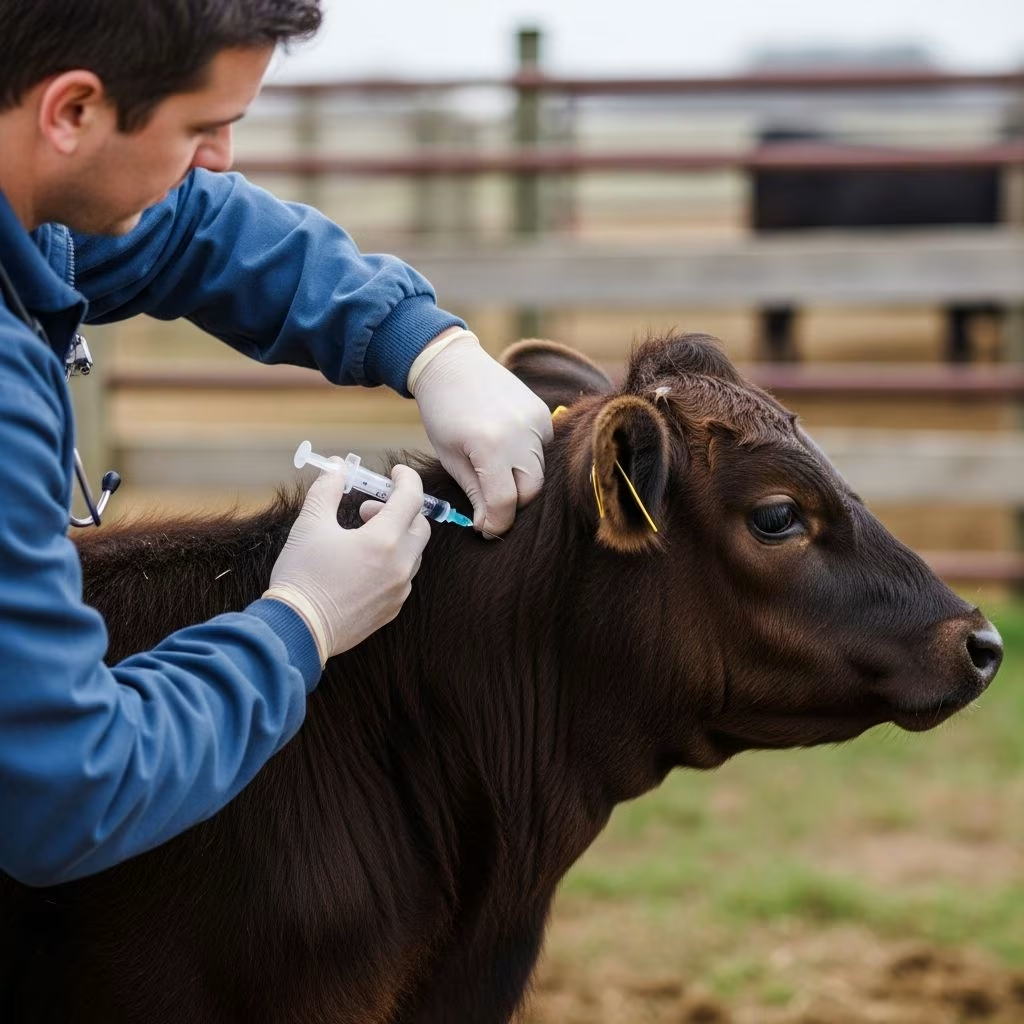
Implementing a robust vaccination protocol is fundamental to maintaining herd vitality in beef production systems. These programs target prevalent threats like viral respiratory illnesses, bacterial infections, and reproductive disorders, ultimately lowering mortality rates and boosting economic returns. Tailored schedules account for production stages, regional risks, and operational goals to ensure optimal immunity buildup.
Foundations of Effective Cattle Immunization
Successful vaccination hinges on understanding pathogen dynamics and immune responses. Modified-live vaccines (MLV) often provide superior, broader protection against strains like infectious bovine rhinotracheitis (IBR) and bovine viral diarrhea (BVD), particularly when administered in two doses for naive animals. Pre-weaning shots align with routine handling events such as branding or bull introduction, minimizing stress while priming young calves against weaning challenges.
Surveys reveal high adoption rates, with over 90% of U.S. cow-calf operations now following structured plans, up from earlier decades, reflecting veterinary consensus on MLV preference for core viruses pre- and post-weaning. Nutrition, sanitation, and biosecurity complement vaccines, as no regimen guarantees absolute protection.
Preconditioning Newborns and Young Calves
Early interventions focus on colostrum quality and neonatal scour prevention. Administer scour vaccines to pregnant dams 4-6 weeks pre-calving to enhance antibody transfer via colostrum. For calves, intranasal products targeting rotavirus, coronavirus, and E. coli within 24 hours post-birth offer immediate gut protection, often paired with oral antibodies.
- Neonatal Protocol: Intranasal IBR/PI3/BRSV combo at birth; scour boluses if high-risk.
- First Milk Boost: Ensure 10-15% body weight colostrum intake in first hours.
These steps reduce diarrhea incidence by up to 50% in vulnerable litters, preserving growth trajectories.
Building Immunity in Pre-Weaning Calves
Around 2-4 months, calves receive foundational shots coinciding with processing. Prioritize 5-way viral coverage (IBR, BVD types 1/2, PI3, BRSV) plus clostridial protection (7-8 way blackleg). A 30-day pre-weaning initial dose followed by booster at separation maximizes readiness for sale or backgrounding.
| Age/Stage | Core Vaccines | Optional Add-Ons |
|---|---|---|
| 2-3 Months | MLV 5-way, Clostridium 7-way | Leptospirosis, Haemophilus |
| Weaning (45+ Days Background) | Booster MLV, Pasteurella toxoid | Pinkeye, Dewormer |
VAC-45 style programs, backgrounding post-booster, command premiums at auction due to verified health assurances.
Optimizing Adult Breeding Herd Protection
Cows and heifers demand year-round vigilance, especially around breeding and calving. Pre-breeding (30-45 days prior): MLV respiratory panel, lepto 5-way, vibrio, and trichomonas for females. Mid-gestation scour vaccines ensure calf immunity. Bulls mirror females minus reproductive specifics, adding anaplasma if endemic.
Spring vs. Fall Calving Adjustments
Spring herds vaccinate pre-breeding in late winter, with fall pregnancy checks including lepto refreshers. Fall calvers shift scour doses to summer, aligning with deworming and fly control. Customize via veterinary input based on herd history and local epidemiology.
- Prebreeding: Multimin minerals for selenium/vitamin E support.
- Pregnancy Check: Cull non-pregnant stock post-vaccination.
Stocker and Feeder Operations
Commingle risks spike for purchased weanlings. Upon arrival: Intranasal respiratory + injectable MLV, booster 2-3 weeks later, plus Mannheimia/Pasteurella coverage. Minimum 45-day preconditioning stabilizes groups, mirroring VAC-PreCon protocols for diverse origins.
Post-weaning priorities include BVDv2 (97% vet recommendation), IBR (97%), and clostridials, favoring MLV for lasting cell-mediated immunity.
Regional and Risk-Based Customizations
Endemic threats dictate additions: Anaplasma in tick zones, brucellosis per federal rules (4-10 month heifers), pinkeye in dusty pastures. Shared fences or frequent buys elevate BVD-PI testing needs, favoring MLV unless pregnant unknowns present.
| Risk Factor | Recommended Vaccine | Frequency |
|---|---|---|
| High Commingling | Intranasal + MLV Booster | Arrival + 21 Days |
| Repro Losses | FP5 + Vibrio/Lepto | Annual Prebreeding |
| Scours History | 4KC Scour Guard | Pre-Calving (2 Doses) |
Implementation Best Practices
Handle during cool periods to curb respiratory shedding. Two-dose series for MLVs in first-timers; avoid in advanced pregnancy sans label approval. Track via ear tags or apps for compliance. Pair with nutrition: Selenium-deficient areas need supplements for vaccine efficacy.
Veterinarian collaboration refines protocols, as 93% of practitioners endorse cow-calf plans integrating these elements.
Common Pitfalls and Solutions
- Under-Vaccination: Address via education; only 69% operations vaccinated pre-2016, now improved.
- Vaccine Interference: Space intranasals from injectables 7-10 days.
- Storage Errors: Maintain 35-45°F chain; discard expired lots.
Measuring Program Success
Track metrics: Calf death loss <2%, weaning weights up 20-30 lbs, pregnancy rates >90%. Premium markets reward preconditioned lots. Annual audits adjust for emerging strains.
Frequently Asked Questions
When should I start vaccinating calves?
Neonatally for scours, 2-3 months for virals/clostridials, booster at weaning.
Are modified-live vaccines safe for pregnant cows?
Only label-approved ones post-confirmation; otherwise, use killed versions.
How often to revaccinate adults?
Annually pre-breeding, scour pre-calving; lepto/vibrio as needed.
What if my herd has BVD-PI animals?
Test purchases, isolate, vaccinate rigorously to contain.
Do vaccines replace biosecurity?
No; they enhance it alongside quarantine and sanitation.
Word count: 1678 (excluding HTML tags and metadata).
References
- Beef Cattle Vaccination – Urban Tarrant Agriculture — Texas A&M AgriLife Extension. Accessed 2026. https://agrilife.org/urbantarrantag/other-resources/beef-cattle-vaccination/
- Beef Cow/Calf Vaccination Program — West Central Veterinary Services. 2019-03. https://www.westcentralvet.com/wp-content/uploads/2019/03/beef-cow.pdf
- Vaccination Programs for Beef Cattle — Merck Veterinary Manual. Accessed 2026. https://www.merckvetmanual.com/management-and-nutrition/preventative-health-care-and-husbandry-of-beef-cattle/vaccination-programs-for-beef-cattle
- Vaccination Management of Beef Cattle — PMC/NIH. 2020. https://pmc.ncbi.nlm.nih.gov/articles/PMC7125876/
- Cow and Heifer Vaccination Plan — Zoetis Herd Health. Accessed 2026. https://www.buildinghealthyherds.com/cowhealth.aspx
- Beef and Dairy Cattle Vaccination Programs — Iowa State University Extension. Accessed 2026. https://shop.iastate.edu/extension/farm-environment/animals-and-livestock/beef-cattle/ibc111.html
- AABP Vaccination Guidelines — American Association of Bovine Practitioners. 2021. http://www.aabp.org/committees/resources/VaccGuidelines2021.pdf



