

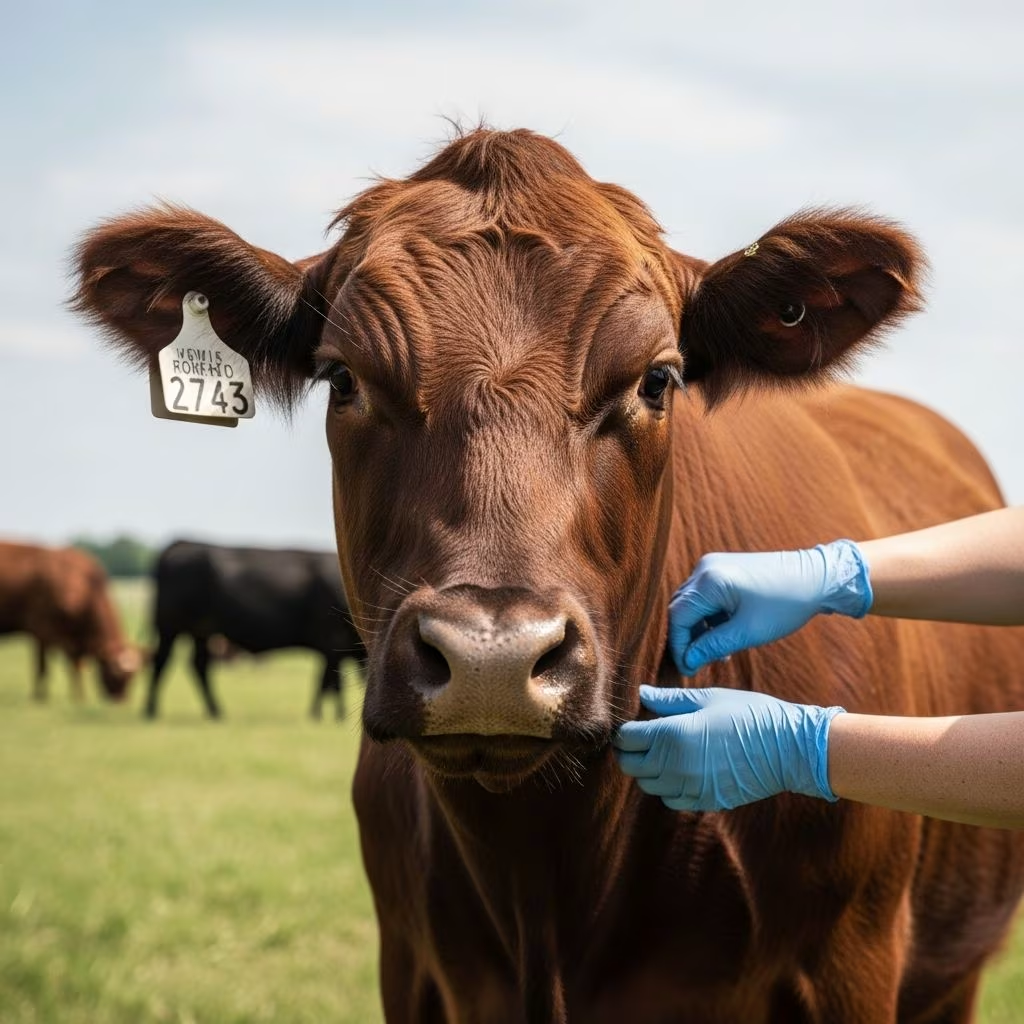
Effective health monitoring in beef cattle operations forms the backbone of profitable and sustainable farming. By focusing on early detection, strategic interventions, and ongoing surveillance, producers can minimize losses from diseases, optimize growth rates, and enhance overall herd resilience. This guide delves into practical approaches drawn from established veterinary guidelines, emphasizing proactive measures that integrate seamlessly into daily management routines.
Foundations of Proactive Herd Health
Building a robust health framework starts with understanding the interplay between environment, nutrition, and immunity. Cattle in extensive grazing systems face unique challenges like variable forage quality and weather extremes, which can compromise immune responses. Regular assessments allow producers to identify vulnerabilities before they escalate into herd-wide issues. Key elements include tailored vaccination schedules, nutritional balancing, and stress mitigation, all of which bolster natural defenses against pathogens.
- Nutritional Optimization: Ensure diets meet specific life-stage needs, such as high-energy feeds for growing calves and mineral supplements for breeding stock, to support immune function.
- Environmental Management: Provide shade, windbreaks, and clean water sources to reduce physiological stress that weakens resistance to infections.
- Handling Protocols: Use low-stress techniques during mustering and processing to preserve cortisol levels within healthy ranges.
Key Disease Screening Protocols
Screening is the first line of defense, involving systematic checks for clinical signs and subclinical threats. Visual inspections during routine handling reveal indicators like dull coats, abnormal postures, or respiratory noises. More advanced methods, such as fecal egg counts for parasites or blood serology for viral agents, provide quantitative data to guide decisions.
| Disease Category | Screening Method | Frequency | Action Threshold |
|---|---|---|---|
| Respiratory | Lung auscultation, nasal swabs | Quarterly | Coughing in >5% of group |
| Parasitic | Fecal analysis, skin scrapes | Biannually | Egg counts >200/g |
| Reproductive | Palpation, ultrasound | Pre-breeding | Pregnancy rate <85% |
| Metabolic | Blood chemistry panels | Annually | Low albumin or high BHB |
Implementing these protocols requires collaboration with local veterinarians to adapt them to regional disease pressures, such as tick fever in endemic zones or viral diarrhea in high-density areas.
Strategic Treatment Approaches
When screening identifies issues, prompt and precise treatment prevents escalation. Treatment decisions hinge on accurate diagnosis, considering factors like pathogen resistance patterns and withdrawal periods for market-bound animals. Antibiotics should target confirmed bacterial infections, while supportive therapies like fluids and anti-inflammatories aid recovery.
- Prioritize injectable routes for precision in acute cases, limiting volumes to 10 mL per site to avoid tissue damage.
- Employ single-use needles to curb blood-borne transmissions, a practice strongly recommended for replacement heifers.
- Monitor response within 48 hours; non-responders may need alternative therapies or culling to protect the herd.
For chronic conditions like persistent lameness, isolate affected animals and investigate underlying causes such as foot rot or nutritional imbalances. Record all interventions meticulously to track efficacy and refine future protocols.
Surveillance Systems for Long-Term Success
Surveillance extends beyond individual cases to population-level trends, using data from mortality logs, production metrics, and diagnostic labs. Digital tools like herd management software facilitate real-time dashboards, alerting producers to anomalies such as rising calf mortality or weaning weight drops.
Core components include:
- Mortality Review: Conduct necropsies on unexplained deaths to pinpoint causes like clostridial enterotoxemia or hardware disease.
- Production Tracking: Benchmark metrics against peers; deviations signal health drags on fertility or gains.
- Sentinel Monitoring: Test subsets of the herd for persistent threats like bovine leukemia virus, enabling early containment.
Biosecurity Integration in Monitoring
Biosecurity underpins all health efforts by blocking pathogen entry. Quarantine incoming stock for 21-30 days, testing for priority diseases beforehand. Limit farm traffic with signage and footbaths, and maintain buffer fencing to prevent fence-line transmissions.
Cleaning regimens target high-risk items:
- Feed bunks and waterers flushed weekly.
- Equipment disinfected post-use with approved agents.
- Deadstock disposed via approved rendering to eliminate reservoirs.
Special Focus: High-Risk Groups
Newly Arrived Cattle
Stocker calves from auctions pose elevated risks due to commingling. Upon arrival, process through a receiving protocol: offer free-choice hay and electrolytes, administer modified-live vaccines against respiratory complexes, and deworm based on origin history. House in small pens initially to ease adaptation and monitor twice daily for pneumonia signs.
Periparturient Cows
Around calving, metabolic shifts heighten susceptibility to ketosis or displaced abomasum. Screen dry cows with body condition scoring and group close-ups separately to avoid overcrowding, which fosters mastitis transmission.
Record-Keeping and Data-Driven Decisions
Comprehensive records transform anecdotal management into evidence-based strategies. Log events by animal ID, including treatments, outcomes, and lab results. Annual reviews reveal patterns, such as seasonal parasite peaks, informing adjusted calendars.
Benefits include:
- Compliance with food safety audits like Beef Quality Assurance.
- Trend forecasting for resource allocation.
- Enhanced traceability during outbreaks.
Common Challenges and Solutions
Producers often grapple with vaccine failures due to poor timing or stress. Counter this by vaccinating 4-6 weeks pre-weaning and ensuring colostrum intake for calves. Resistance in parasites demands fecal monitoring to rotate classes effectively, favoring injectables over pour-ons for reliability.
FAQs
What is the ideal quarantine period for new cattle?
Hold newcomers for at least 21 days, observing for clinical signs and testing for key pathogens to prevent herd exposure.
How often should I vaccinate my beef herd?
Follow a biannual schedule, with boosters around weaning and pre-breeding, customized to local risks via veterinary input.
What signs indicate a need for immediate treatment?
Watch for lethargy, anorexia, fever, or diarrhea; intervene swiftly to limit spread and support recovery.
Can nutrition impact disease surveillance?
Yes, deficiencies weaken immunity, masking early signs; balanced rations enhance detection through vigorous herd vitality.
How do I handle injection site lesions?
Use proper techniques: small volumes, site rotation, and single needles to minimize blemishes and residue risks.
Advanced Tools for Modern Producers
Embrace technologies like wearable sensors for real-time vitals or AI-driven apps for predictive analytics. These augment traditional methods, flagging issues like elevated temperatures before visible symptoms emerge. Partnering with extension services provides access to subsidized testing and training.
References
- Best Practices for Beef Cattle Health Management — KIMD. 2023. https://kimd.org/best-practices-for-beef-cattle-health-management/
- HEALTH MANAGEMENT OF BEEF CATTLE — University of Tennessee Extension (Sullivan County). 2020-10. https://sullivan.tennessee.edu/wp-content/uploads/sites/196/2020/10/BCP-Chapter-08-Health-Management-of-Beef-Cattle.pdf
- Best Management Practices — Cornell University Animal Health Diagnostic Center. 2024. https://www.vet.cornell.edu/animal-health-diagnostic-center/programs/nyschap/modules-documents/best-management-practices
- Beef Herd Essential Management: Herd Health Protocols — University of Florida IFAS Extension. 2022-03-25. https://nwdistrict.ifas.ufl.edu/phag/2022/03/25/beef-herd-essential-management-herd-health-protocols/
- Overview of Preventative Health Care and Husbandry of Beef Cattle — Merck Veterinary Manual. 2024. https://www.merckvetmanual.com/management-and-nutrition/preventative-health-care-and-husbandry-of-beef-cattle/overview-of-preventative-health-care-and-husbandry-of-beef-cattle



