

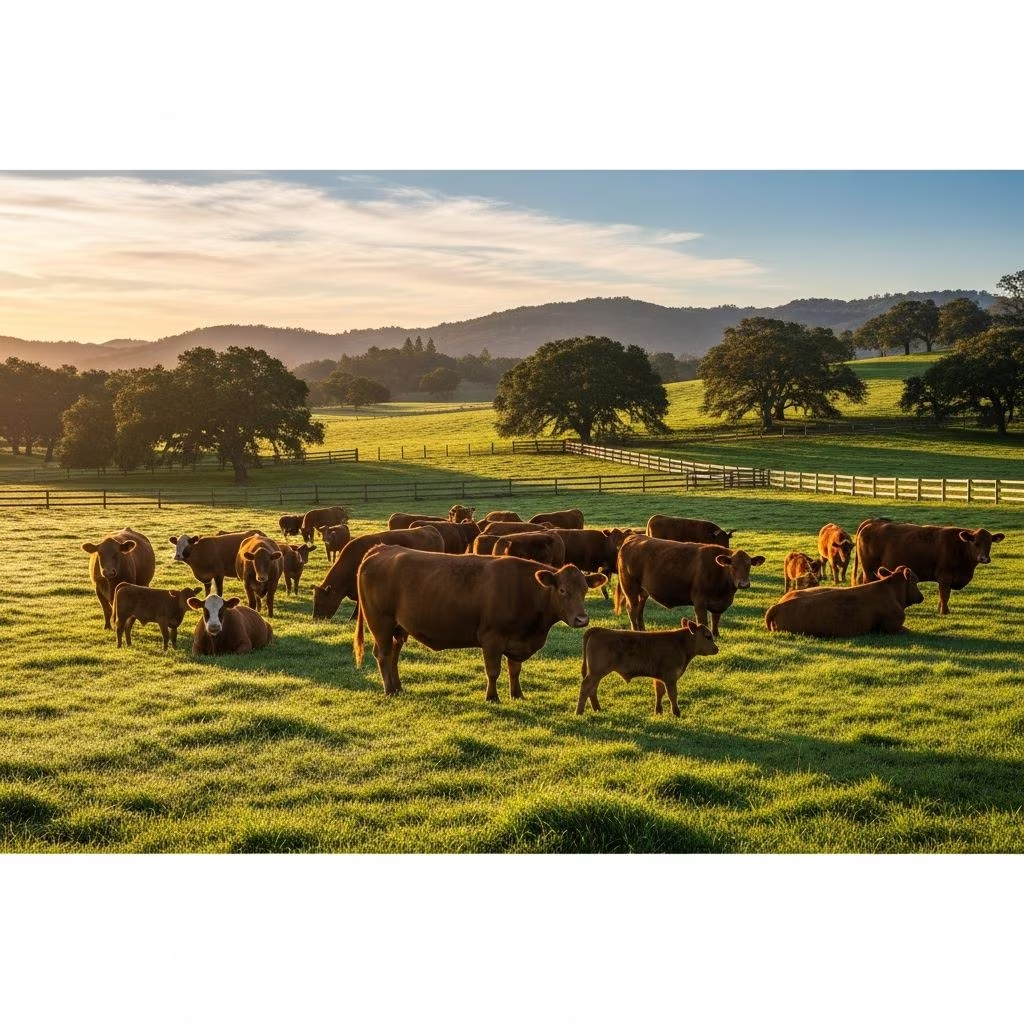
The success of any beef cattle operation depends fundamentally on the health and well-being of the animals. A healthy herd produces better quality meat, demonstrates improved reproductive performance, and generates stronger returns on investment. Unlike reactive approaches that address disease after it occurs, proactive health management focuses on prevention, early detection, and systematic intervention. This comprehensive strategy combines multiple disciplines—nutrition science, infectious disease management, parasite control, and animal husbandry—into an integrated framework that supports long-term herd sustainability and profitability.
The Foundation of Herd Health: Understanding Core Principles
Effective cattle health management rests on several foundational principles that guide all management decisions. The first principle recognizes that nutrition directly influences disease resistance. Cattle maintained in good body condition possess stronger immune systems and demonstrate greater capacity to resist both infectious and parasitic challenges. When animals receive adequate energy, protein, minerals, and vitamins, their physiological systems function optimally, creating natural barriers against illness.
The second principle emphasizes the critical importance of regular observation and monitoring. Successful herd managers develop keen observational skills, recognizing subtle behavioral changes that signal health problems. Early detection allows for timely intervention, preventing minor issues from escalating into herd-wide problems. Farmers should establish routines for observing cattle daily, noting changes in appetite, water consumption, gait, coat condition, and social behavior.
The third principle involves maintaining clean, sanitary environments. Proper sanitation reduces pathogen loads in the cattle’s immediate surroundings, decreasing transmission of infectious diseases. Water troughs, feed equipment, handling facilities, and living spaces require regular cleaning and, when appropriate, disinfection to interrupt disease transmission pathways.
Nutritional Management as Health Insurance
Nutrition serves as the cornerstone of preventative health care in beef cattle operations. A well-designed nutritional program ensures that cattle receive appropriate levels of energy, protein, vitamins, and minerals necessary for immune function, growth, and reproduction. Cattle with adequate body condition scores demonstrate superior disease resistance, making nutritional investment one of the most cost-effective preventative measures available.
Different categories of cattle within a herd have distinct nutritional requirements. Growing calves need diets optimized for skeletal development and muscle deposition. Pregnant cows require increased energy and mineral supplementation to support fetal development and prepare for lactation. Finishing cattle destined for market need energy-dense diets promoting efficient weight gain. Breeding bulls require consistent nutrition supporting muscle maintenance and reproductive performance.
Forage quality forms the foundation of most beef cattle diets. High-quality hay and pasture provide essential nutrients while supporting rumen health through appropriate fiber levels. Supplemental feeds and mineral premixes address specific nutritional gaps, particularly for trace minerals like copper, zinc, selenium, and cobalt that are often deficient in forage alone. Strategic use of feed additives can further enhance herd health outcomes by improving nutrient utilization and managing internal parasites.
Vaccination Programs: Building Herd Immunity
Vaccination represents a cornerstone of disease prevention, protecting cattle from numerous infectious diseases that can devastate herd productivity. A well-designed vaccination program considers the specific disease risks present in a particular geographic region, the age and production stage of cattle, and previous disease exposure within the herd.
Common vaccine targets in beef cattle operations include:
- Respiratory diseases (bovine viral diarrhea, infectious bovine rhinotracheitis, parainfluenza-3 virus)
- Reproductive diseases (brucellosis, leptospirosis, campylobacteriosis)
- Clostridial diseases (blackleg, red water disease, malignant edema)
- Gastrointestinal diseases caused by rotavirus and coronavirus
Successful vaccination requires more than simply administering vaccines. Proper technique, including appropriate injection sites and routes, ensures optimal immune response. Cattle must be in good nutritional status and free from chronic infections to respond effectively to vaccines. Stressed animals or those with existing parasitic burdens may fail to develop adequate immunity even when properly vaccinated. Following manufacturer instructions precisely regarding dosage, booster schedules, and storage conditions maximizes vaccine efficacy.
Parasite Management: Controlling Internal and External Threats
Both internal parasites (gastrointestinal worms, liver flukes) and external parasites (ticks, lice, flies) significantly impair cattle health and productivity. Regular deworming and tick control measures help minimize parasite infestations, protecting cattle from blood loss, nutrient malabsorption, and disease transmission associated with parasites.
Internal parasites burden the digestive system, competing for nutrients and sometimes causing tissue damage. Young cattle prove particularly susceptible to severe parasitic infections that can stunt growth and impair long-term productivity. Appropriate deworming strategies consider the local parasite species, seasonal patterns, and cattle age groups. Rotating between different deworming drug classes prevents resistance development, ensuring long-term efficacy of these important management tools.
External parasites create multiple problems beyond direct blood loss. Ticks transmit diseases such as anaplasmosis and babesiosis, while fly infestations reduce weight gains and can introduce secondary infections through skin damage. Rotational grazing disrupts parasite life cycles, reducing reliance on chemical treatments by allowing pastures to recover and parasites to die naturally between grazing periods.
Biosecurity: Preventing Disease Introduction and Spread
Biosecurity encompasses all measures designed to prevent introduction of diseases into a herd and limit their spread if they occur. A comprehensive biosecurity program involves three key components: isolation, traffic control, and sanitation.
Isolation protocols prevent direct contact between the main herd and potential disease sources. Newly purchased cattle should undergo quarantine for at least one month before introduction to the herd, allowing time for incubation of diseases that may not show symptoms immediately. Purchased animals should come from herds with established biosecurity practices and preferably undergo testing for select diseases prior to purchase.
Traffic control limits movement of people, equipment, and vehicles that might introduce pathogens. Maintaining good fencing between herds and eliminating contact with neighboring livestock reduces disease exposure. Feed delivery equipment, processing equipment, and syringes used for injections should be cleaned and disinfected between animals to prevent disease transmission.
Sanitation practices reduce environmental pathogen loads. Regular cleaning of water troughs, feed bunks, hay rings, and other equipment prevents accumulation of disease-causing organisms. Proper disposal of dead animals prevents environmental contamination and protects scavenging wildlife.
Stress Reduction and Handling Practices
Stress weakens cattle immunity, increasing susceptibility to disease. While some stress is unavoidable in livestock management, minimizing unnecessary stress improves health outcomes. Gentle handling during routine procedures, adequate space in feeding and watering areas, and protection from extreme weather all contribute to reduced stress levels.
Handling facility design influences both cattle welfare and worker safety. Well-designed facilities with appropriate dimensions, non-slip flooring, and logical flow patterns allow efficient processing while minimizing animal panic and injury. Calm handling techniques, avoiding excessive noise and sudden movements, further reduce stress-related immune suppression.
Specific management events warrant particular attention to stress reduction. Weaning represents an inherently stressful period when calves are separated from their mothers. Strategies to minimize weaning stress include moving cows away while leaving calves in familiar environments, ensuring strategic placement of water and hay, and using fenceline weaning or weaning plates that allow gradual separation.
Regular Health Monitoring and Early Detection
Routine monitoring enables early detection of illnesses, reducing outbreak risk. Systematic observation routines should identify cattle displaying signs of poor health including weight loss, lethargy, reduced appetite, cough, nasal discharge, and abnormal behavior. Early intervention when cattle deviate from normal behavior prevents progression to severe disease.
Professional veterinary checkups provide objective health assessments and expert diagnosis when problems emerge. A strong cattle producer-veterinarian relationship enables development of customized health management plans addressing specific herd risks. Regular veterinary consultation ensures vaccination schedules remain current, parasite control programs remain effective, and emerging health threats receive prompt attention.
Record-Keeping and Herd Documentation
Detailed health records track individual cattle medical history, vaccination schedules, and treatments, enabling identification of patterns and optimization of management practices. Records document which animals received which vaccines on which dates, allowing proper booster scheduling. Treatment records identify animals requiring additional attention and track medication withdrawal periods before marketing.
Organized record-keeping supports regulatory compliance, enabling quick response to disease investigations or market requirements. Historical records also guide decision-making, showing which management changes produced positive health outcomes and which approaches proved ineffective.
Reproductive Health Management
Reproductive performance fundamentally affects herd profitability, making reproductive health a critical management focus. Establishing a defined breeding season creates a uniform crop of calves, enabling more efficient management and better marketing opportunities. Scheduled pregnancy checks confirm conception and identify non-pregnant animals requiring culling or rebreeding.
Body condition directly influences reproductive success. Cows in poor condition demonstrate reduced conception rates, longer calving intervals, and decreased calf survival. Proper nutrition supporting optimal body condition scores represents essential reproductive management.
Processing and Arrival Management for Purchased Stock
Introduction of purchased stocker calves requires careful management to minimize disease and growth check. Upon arrival, calves need immediate access to feed, hay, and fresh water strategically placed to encourage consumption. Keeping newly arrived calves in small lots during initial weeks allows better monitoring for health problems and reduces commingling stress.
Processing decisions should consider the animals’ health status and the operation’s goals. Strategic use of coccidiostats in feed or water helps prevent coccidiosis, a particular risk when young calves transition to pasture. Early identification of calves requiring treatment enables prompt intervention.
Summary Table: Key Health Management Components
| Management Component | Primary Benefits | Key Implementation Strategies |
|---|---|---|
| Nutrition Management | Strengthens immunity, supports growth and reproduction | Quality forage, mineral supplementation, body condition assessment |
| Vaccination Programs | Prevents infectious disease outbreaks | Tailored schedules, proper administration technique, veterinary guidance |
| Parasite Control | Improves weight gain, prevents disease transmission | Regular deworming, tick control, rotational grazing |
| Biosecurity Measures | Prevents disease introduction and spread | Quarantine protocols, traffic control, sanitation practices |
| Health Monitoring | Enables early detection and treatment | Daily observation, veterinary checkups, record-keeping |
| Stress Reduction | Maintains immune function and productivity | Gentle handling, adequate space, protective shelter |
Frequently Asked Questions
How often should I observe my cattle for health problems?
Daily observation represents the ideal standard, allowing early detection of health issues before they escalate. Observant managers can identify subtle signs of disease within hours of onset.
What vaccination schedule should I follow for my herd?
Vaccination schedules should be customized based on your geographic location, herd size, previous disease history, and specific disease risks. Consult with your veterinarian to develop an appropriate plan for your operation.
How long should newly purchased cattle be quarantined?
A minimum quarantine period of one month allows time for incubation of diseases that may not show symptoms immediately. Some operations extend quarantine to six weeks or longer for high-value animals.
Can poor nutrition really affect disease resistance?
Yes, significantly. Cattle with adequate body condition and proper nutrient intake demonstrate substantially better disease resistance. Undernutritioned cattle are far more susceptible to both infectious and parasitic diseases.
What is the most important biosecurity measure?
Quarantine of newly introduced animals represents perhaps the single most important biosecurity measure, as it prevents disease introduction at the source. However, a comprehensive approach addressing isolation, traffic control, and sanitation provides the most complete protection.
Conclusion
Maintaining healthy beef cattle requires integrated application of multiple management strategies working synergistically to prevent disease and optimize animal well-being. No single approach solves all health challenges; rather, successful producers combine proper nutrition, strategic vaccination, parasite management, biosecurity protocols, regular monitoring, and stress reduction into comprehensive programs tailored to their specific operations. By prioritizing cattle health through preventative management, producers protect their investment, enhance product quality, and build sustainable businesses that benefit from healthy, productive animals.
References
- Best Practices for Beef Cattle Health Management — Kim D. https://kimd.org/best-practices-for-beef-cattle-health-management/
- Health Management of Beef Cattle — University of Tennessee Sullivan County Extension. 2020. https://sullivan.tennessee.edu/wp-content/uploads/sites/196/2020/10/BCP-Chapter-08-Health-Management-of-Beef-Cattle.pdf
- A Guide to Bovine Herd Health Management — RVS Veterinary Services. https://rvsvet.com/a-guide-to-bovine-herd-health-management/
- Cattle Care & Handling Guidelines — Beef Quality Assurance. 2015. https://www.bqa.org/Media/BQA/Docs/cchg2015_final.pdf
- Prioritize Cattle Health to Manage Risk — Beef Magazine. https://www.beefmagazine.com/livestock-management/prioritize-cattle-health-to-manage-risk
- How to Keep Your Beef Cattle Healthy — Cornell Small Farms Program. 2021. https://smallfarms.cornell.edu/2021/10/how-to-keep-your-beef-cattle-healthy/



