

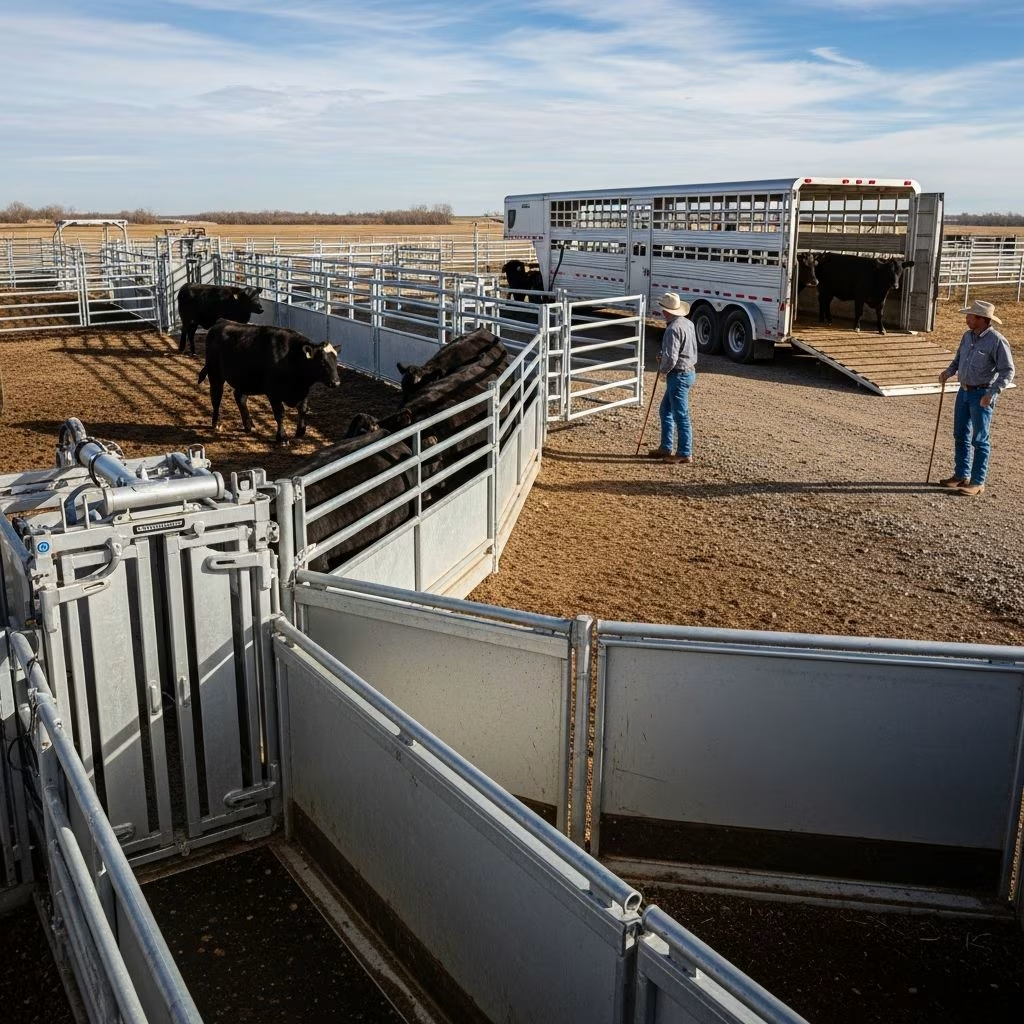
Effective management of beef cattle requires thoughtfully designed handling facilities and reliable transportation protocols. These elements directly influence animal welfare, handler safety, operational efficiency, and overall farm profitability. By prioritizing low-stress environments and ergonomic designs, producers can minimize injuries, reduce disease risks, and improve livestock performance throughout production cycles.
Core Principles of Low-Stress Cattle Management
Understanding cattle behavior is foundational to successful handling. Cattle exhibit flight zone responses and pressure points that handlers must respect to avoid balking or aggression. Low-stress techniques leverage natural herd instincts, promoting calm movement without force. Key strategies include positioning handlers outside the flight zone—typically 6-8 feet for individuals—and using the point of balance at the shoulder to direct flow. Non-electric aids like flags or paddles guide animals effectively, reserving prods for rare emergencies.
Implementing these methods yields measurable benefits: reduced bruising, lower cortisol levels, and enhanced weight gains. Producers report up to 20% fewer health issues in herds managed with behavioral awareness compared to traditional high-stress approaches.
Designing Functional Handling Facilities
Well-planned facilities streamline routine tasks like vaccinations, deworming, and sorting while safeguarding both cattle and personnel. Optimal designs incorporate curved alleys, solid-sided chutes, and adjustable restraint systems to facilitate smooth flow.
- Entry and Crowding Pens: Use circular or oval pens with 10-12 feet radii to encourage natural bunching. Avoid sharp corners that cause piling.
- Working Alleys: Bidirectional alleys 26-30 inches wide for mature cattle taper to 18-24 inches near chutes. Non-slip flooring prevents slips.
- Restraint Chutes: Hydraulic or manual squeeze chutes sized for animal class (e.g., 30×80 inches for cows) with head gates and palpation access.
- Sorting Pens: Adjacent to alleys with swinging gates for efficient group division.
Facility placement near pastures or feedlots cuts handling time, while shaded structures mitigate heat stress. Regular maintenance—sanding alleys for traction and repairing protrusions—is essential.
Facility Materials and Safety Features
Durable, low-reflectance materials like steel panels painted dark reduce visual stress. Gates should swing 180 degrees without binding, and flooring must drain properly to control mud and dust. Overhead covers protect from weather, and ventilation prevents respiratory issues in enclosed areas.
| Facility Component | Recommended Specs | Benefits |
|---|---|---|
| Alley Width | 26-30 inches | Prevents turning, ensures flow |
| Chute Length | 7-8 feet | Accommodates body length |
| Floor Slope | 2-5% grade | Facilitates drainage |
| Panel Height | 60-72 inches | Blocks vision, contains animals |
Optimizing Corrals and Holding Areas
Corral systems divide into primary holding pens (80-100 sq ft per head for cows), reserve pens, and forcing pen near the chute. Capacity planning avoids overcrowding: 150 sq ft per head resting space in winter. Multiple pens enable sorting by age, sex, or health status, supporting biosecurity.
For weaning, fence-line setups separate calves from dams while allowing visual contact, slashing stress and boosting feed intake. This method, combined with preconditioning rations, preconditions calves for 30-45 days pre-sale, enhancing immunity and market value.
Safe and Efficient Cattle Transportation
Transport accounts for significant stress in beef operations, yet proper protocols curb risks like transit fever or dark cutters. Stocking densities should allow 8-12 inches headroom and 10-15 sq ft per head in trailers, varying by size and trip duration.
- Pre-Transport Prep: Withhold feed 12-24 hours but provide water; vaccinate and deworm 7-14 days prior.
- Loading Techniques: Use lighted ramps at 15-20 degree angles; load during cool hours.
- Trailer Maintenance: Secure partitions, ventilate for airflow, and check tires/brakes.
- Route Planning: Avoid steep grades; stop every 4-6 hours for inspection.
Post-arrival, unload into shaded pens with fresh water. Monitor for fatigue 24-48 hours, offering high-energy feeds to restore condition.
Regulations and Weight Limits
Federal and state rules cap loads (e.g., 48,000 lbs gross for semis) and mandate humane handling. Overloading increases injury rates by 30%; balanced weight distribution prevents sway.
Integrating Health and Nutrition in Facilities
Handling areas double as processing hubs for health interventions. Integrate vaccination alleys with squeeze chutes for efficient BQA-compliant work. Nutrition ties in via adjacent bunks: position near water (1-2% body weight daily intake) and minerals tailored to forage.
During finishing, step-up rations acclimate to grains over 20 days, blending 10-15% roughage for rumen health. Feed bunks sized at 20-24 inches per head prevent competition.
Environmental Adaptations for Facilities
Climate dictates design: southern operations emphasize shade and misters for heat index above 75; northern setups focus on windbreaks and deep bedding. Dust control via sprinkling alleys cuts respiratory cases by 25%. Mud management uses geotextile fabrics under pens.
Technology Enhancements in Modern Systems
RFID readers at chutes track health records; cameras monitor blind spots. Automated gates sort by weight via scales integrated in alleys, streamlining operations.
Common Pitfalls and Solutions
Blind alleys cause balking—curve all turns. Undersized chutes lead to escapes; scale for largest animals. Poor lighting spooks cattle—install LEDs. Train staff annually on flight zones.
FAQs
What is the ideal alley width for beef cattle?
26-30 inches for adults to restrict turning while allowing passage.
How does low-stress handling benefit producers?
It reduces injuries, improves gains, and cuts labor time.
What stocking density is safe for truck transport?
10-15 sq ft per head, adjusted for trip length.
Why precondition weaned calves?
To boost immunity and performance pre-sale.
How to prevent mud in pens?
Proper drainage, geotextiles, and rotational use.
References
References
- Finishing Beef Cattle On The Farm — Oklahoma State University Extension. 2023. https://extension.okstate.edu/fact-sheets/finishing-beef-cattle-on-the-farm.html
- Best Practices for Beef Cattle Health Management — KIMD. 2024. https://kimd.org/best-practices-for-beef-cattle-health-management/
- A Practical Guide To Start Beef Cattle Farming — Cattlytics. 2024. https://www.cattlytics.com/blog/beef-cattle-farming-guide/
- Beef: Best Management Practices for Cow-Calf Production — South Dakota State University Extension. 2023. https://extension.sdstate.edu/beef-best-management-practices-cow-calf-production
- Feeding and Nutritional Management of Beef Cattle — Merck Veterinary Manual. 2024. https://www.merckvetmanual.com/management-and-nutrition/nutrition-beef-cattle/feeding-and-nutritional-management-of-beef-cattle
- Cattle Care & Handling Guidelines — Beef Quality Assurance. 2015. https://www.bqa.org/Media/BQA/Docs/cchg2015_final.pdf



