

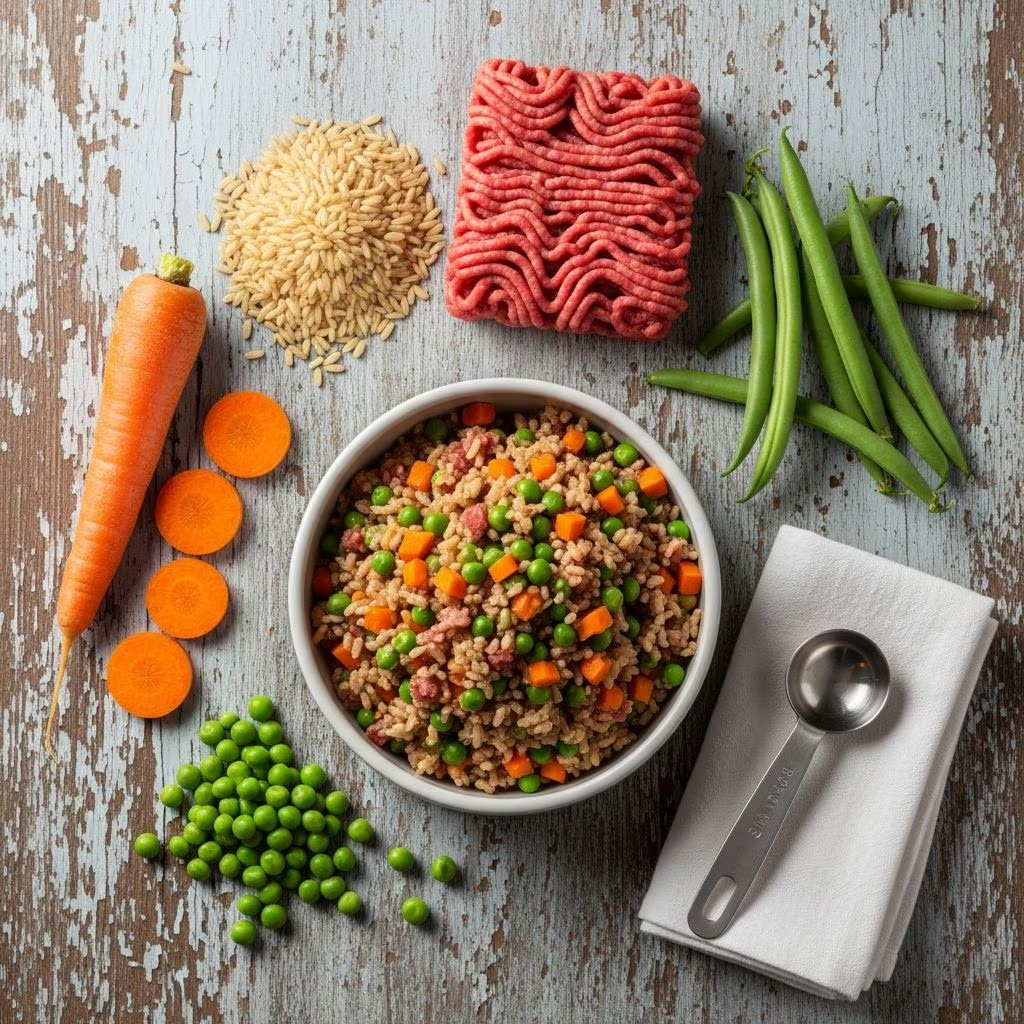
Preparing homemade dog food with beef and brown rice offers pet owners a way to control ingredients and potentially address specific dietary needs. This approach can enhance your dog’s meal quality when done correctly, drawing from whole foods like lean meats and nutrient-dense grains.
Why Choose Homemade Dog Meals?
Many dog owners turn to home-cooked meals to avoid preservatives in commercial products or to manage allergies. Tailoring recipes allows customization for age, activity level, or health conditions, promoting better digestion and energy levels. However, success hinges on precise formulation to meet nutritional standards.
Core Ingredients for a Balanced Recipe
A well-rounded beef and brown rice dog food starts with high-quality components. Beef provides protein, brown rice offers digestible carbs, and vegetables add vitamins. Here’s a foundational list:
- Ground beef: Lean cuts supply essential amino acids for muscle maintenance.
- Brown rice: Whole grain for fiber and sustained energy release.
- Carrots: Beta-carotene source for eye health.
- Green beans: Low-calorie fiber to aid digestion.
- Spinach: Iron and antioxidants in moderation.
- Fish oil: Omega-3s for coat and joint support.
- Calcium supplement: Essential for bone health, often from eggshell powder.
Portions matter: Aim for 40-50% protein, 30-40% carbs, and 20% veggies/fats, adjusted per dog size.
Step-by-Step Preparation Instructions
Follow these steps to cook a batch yielding about 10 cups, suitable for a 50-pound dog over several days.
- Prep ingredients: Rinse 2 cups brown rice. Chop 2 cups carrots, 1 cup green beans, and 1/2 cup spinach. Use 2 pounds lean ground beef.
- Cook rice: Boil rice in 4 cups water until tender, about 40 minutes. Drain excess liquid.
- Brown beef: In a skillet, cook beef over medium heat until no pink remains, about 10 minutes. Drain fat.
- Steam veggies: Steam carrots and green beans for 8-10 minutes until soft. Add spinach last minute.
- Mix everything: Combine cooked rice, beef, veggies in a large bowl. Stir in 1 tbsp fish oil and 1 tsp calcium powder.
- Cool and portion: Let cool completely. Divide into daily servings based on your dog’s needs (e.g., 2-3% body weight daily).
Store in airtight containers: fridge for 3-5 days, freezer for 3 months. Thaw overnight before serving.
Nutritional Breakdown and Benefits
This recipe delivers key nutrients: protein from beef supports repair, brown rice provides B vitamins and manganese, veggies offer antioxidants. Benefits include fresher ingredients potentially improving coat shine and stool quality. Personalized diets suit picky eaters or those with sensitivities.
| Nutrient | Per Serving (1 cup) | Benefit |
|---|---|---|
| Protein | 25g | Muscle health |
| Carbs | 40g | Energy |
| Fiber | 5g | Digestion |
| Calcium | 300mg (supplemented) | Bone strength |
| Fat | 10g | Coat/joints |
Approximate values; consult a vet for exact analysis.
Potential Health Advantages
- Freshness: Avoids processed fillers, potentially reducing allergy risks.
- Customization: Adjust for weight loss or senior needs.
- Transparency: Know every ingredient’s source.
Studies note improved vitality in balanced homemade diets, though evidence is anecdotal without professional oversight.
Critical Risks and How to Mitigate Them
Homemade diets risk imbalances; a UC Davis study found 95% of recipes deficient in at least one nutrient, like calcium or vitamin D. Common issues:
- Nutrient gaps: Missing amino acids or minerals cause skeletal issues.
- Bacterial risks: Raw beef can carry Salmonella; always cook thoroughly.
- Toxicity: Avoid onions, garlic, grapes.
Mitigate by consulting veterinary nutritionists for formulations. Use tools like balance calculators and rotate proteins.
Understanding Canine Nutritional Requirements
Dogs need AAFCO standards: 18-22% protein (adult), balanced Ca:P ratio (1:1 to 2:1). Puppies require more calcium. Deficiencies in vitamin E or zinc lead to immune issues. Fats should be 5-15%; excess risks obesity.
Portion Control and Feeding Guidelines
Calculate daily intake: 2-3% of ideal body weight, split into 2 meals. Example: 30-lb dog gets 0.6-0.9 lbs/day. Monitor weight weekly; adjust as needed. Transition gradually over 7-10 days to avoid GI upset.
Safe Storage and Handling Practices
Hygiene prevents contamination: Use separate boards for meat, cook to 165°F internal. Freeze portions promptly. Discard if off-smell or mold appears.
When to Consult Professionals
Always work with a board-certified veterinary nutritionist (ACVN.org). They ensure recipes meet standards, unlike most online sources. Ideal for puppies, pregnant dogs, or those with conditions like DCM.
Common Mistakes to Avoid
- Skipping supplements: Calcium/phosphorus imbalance risks rickets.
- Over-relying on one recipe: Rotate for variety.
- Ignoring calories: High-fat beef can lead to weight gain.
- Poor sourcing: Choose human-grade ingredients.
Alternatives and Hybrid Approaches
Commercial toppers or pre-balanced bases simplify. Grain-inclusive formulas counter DCM risks in grain-free diets. Commercial foods guarantee balance but lack customization.
FAQs
Is beef safe for dogs?
Yes, lean beef is excellent protein, but trim fat and cook to kill bacteria.
Can puppies eat this recipe?
Modify with extra calcium; consult vet for growth needs.
How often to feed homemade food?
Daily, but vet-check every 6 months for bloodwork.
What if my dog has allergies?
Substitute beef with turkey; test single ingredients.
Is brown rice better than white?
Yes, retains more fiber and nutrients.
Monitoring Your Dog’s Response
Track weight, coat, energy, stools. Signs of issues: lethargy, diarrhea, dull fur—revisit recipe with expert.
References
- Homemade Dog Food Benefits & Risks For Your Pup — We Are The Cure. 2023. https://wearethecure.org/homemade-dog-food-benefits-and-risks/
- Homemade dog food recipes can be risky business, study finds — University of California, Davis. 2013-02-04. https://www.ucdavis.edu/news/homemade-dog-food-recipes-can-be-risky-business-study-finds
- Food for Thought: Pros and Cons of Homemade Pet Diets — Cupertino Veterinary. N/A. https://cupertinovet.com/food-for-thought-pros-and-cons-of-homemade-pet-diets/
- Home-prepared dog food: benefits and downsides — Frontiers in Animal Science. 2025. https://www.frontiersin.org/journals/animal-science/articles/10.3389/fanim.2025.1506003/full
- The Trouble with Homemade Pet Food — Central Kentucky Vet. 2024-10-01. https://centralkentuckyvet.com/2024/10/01/the-trouble-with-homemade-pet-food/
- Cooking for Your Dog: Do’s & Don’ts of Homemade Dog Food — American Kennel Club. N/A. https://www.akc.org/expert-advice/nutrition/cooking-for-your-dog-dos-and-donts/
- Homemade Dog Food: Is It Healthy to Cook for Your Dog? — PetMD. N/A. https://www.petmd.com/dog/nutrition/how-make-sure-your-homemade-dog-food-delivers-right-nutrients
- Homemade Diet as a Paramount for Dogs’ Health — PMC (PubMed Central). 2024. https://pmc.ncbi.nlm.nih.gov/articles/PMC11435771/



