

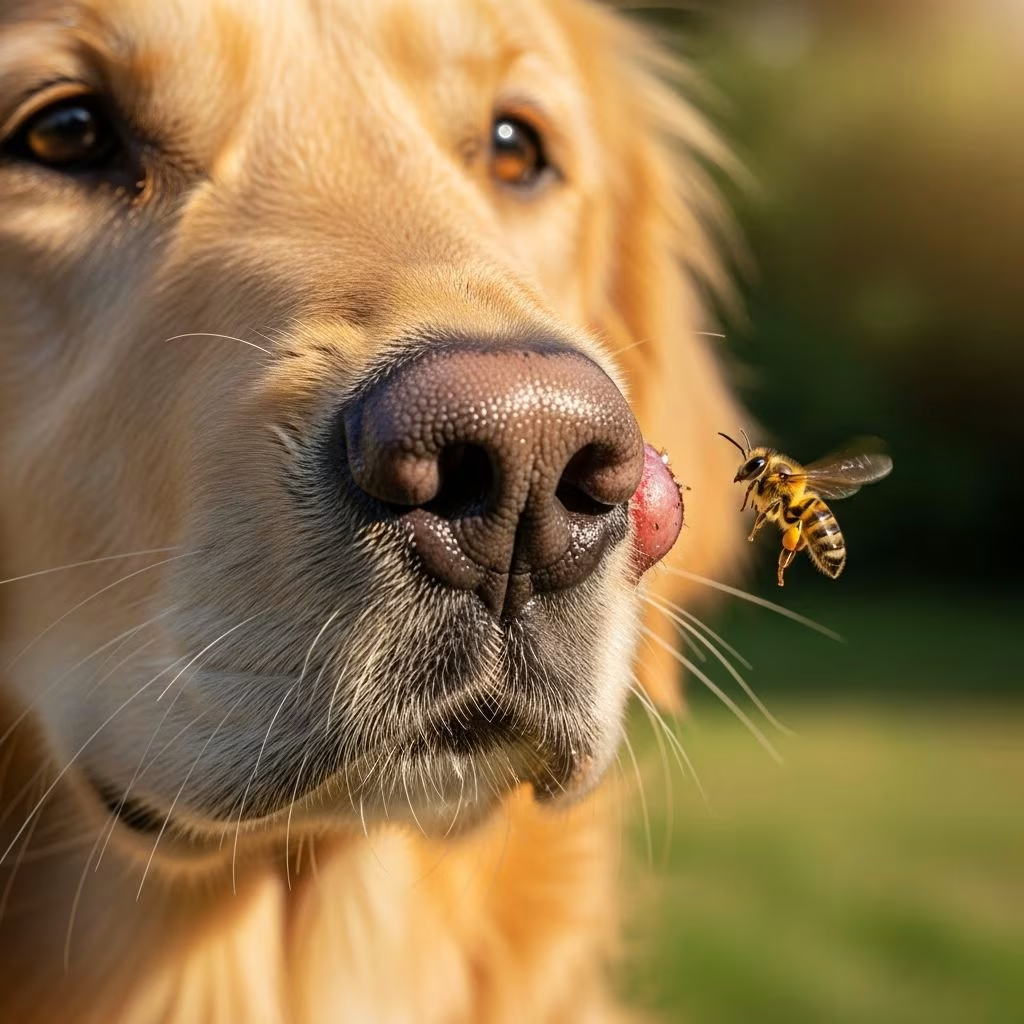
Insect stings from bees and wasps pose a common risk to dogs, especially during warmer months when these insects are active outdoors. While most incidents result in minor discomfort, prompt recognition and appropriate responses can prevent complications. This guide outlines identification, immediate actions, treatment options, and prevention strategies to keep your pet safe.
Understanding Insect Stings on Canines
Bees and wasps sting as a defense mechanism, injecting venom that triggers localized inflammation. Bee venom is acidic, while wasp venom tends to be alkaline, influencing home remedy choices. Dogs often encounter these stings on paws, faces, or mouths during play or sniffing. Reactions vary from mild swelling to severe allergic responses, with anaphylaxis being rare but life-threatening.
Multiple stings amplify risks, as cumulative venom can overwhelm the dog’s system. Breeds with short muzzles, like Pugs or Bulldogs, face heightened dangers if stung near the face due to airway obstruction potential.
Recognizing Signs of a Sting
Dogs cannot verbalize pain, so observe behavioral and physical cues. Common mild indicators appear quickly at the site:
- Localized **swelling** and redness
- Excessive **licking, chewing, or pawing** at the area
- **Limping** if on a leg or paw
- **Whining, panting, or vocalizing** in distress
- **Drooling** or lip smacking, especially for facial stings
- **Hives** – raised, itchy welts spreading beyond the site
These symptoms typically peak within minutes and subside over 24-48 hours.
Severe Reactions: When It’s an Emergency
Monitor closely for 30-60 minutes post-sting, as serious issues can escalate rapidly. Allergic or anaphylactic signs demand immediate veterinary intervention:
- **Facial or throat swelling**, risking breathing difficulties
- **Vomiting, diarrhea**, or retching
- **Weakness, disorientation, collapse**, or seizures
- **Pale gums** indicating shock
- **Wheezing, rapid breathing**, or excessive panting
- **Drowsiness** or agitation
Anaphylaxis may onset within 10 minutes or delay up to hours, potentially causing organ damage even after initial recovery. If multiple stings occur, risks compound regardless of prior tolerance.
Immediate First Aid Steps
Stay composed to avoid stressing your dog. Follow these prioritized actions:
- Flick out the stinger: Bees leave barbed stingers; wasps do not. Use a credit card edge or blunt knife to scrape parallel to skin, avoiding squeezing which releases more venom.
- Cool the area: Apply ice pack wrapped in cloth or frozen veggies for 10-15 minutes to constrict blood vessels and ease pain/swelling. Repeat as needed, never direct ice.
- Neutralize venom: For bees, mix baking soda with water into paste (acid neutralizer). For wasps, dilute vinegar. Apply gently, rinse after 15 minutes.
- Cleanse: Wash with mild soap and water to prevent infection.
Avoid human painkillers or unvetted meds; they can harm dogs.
Professional Veterinary Interventions
For facial stings, multiples, or any doubt, consult a vet promptly. They may:
| Treatment | Purpose | Administration |
|---|---|---|
| Antihistamines (e.g., diphenhydramine) | Reduce itching/swelling | Oral or injection (vet-dosed: ~1mg/lb) |
| Anti-inflammatories/steroids | Control severe swelling | Injection or oral |
| Epinephrine | Counter anaphylaxis | Injection + fluids/oxygen |
| Pain relief | Manage discomfort | Injection or topical |
Hospitalization with IV fluids monitors for secondary reactions. Most recover fully with timely care.
Home Monitoring and Recovery Tips
Post-aid, restrict activity to aid healing. Watch for 24-48 hours:
- Prevent licking with cone collar or sock on paw.
- Offer small, bland meals if mouth-stung.
- Bathe in oatmeal shampoo for widespread hives.
- Track improvement; persistent swelling warrants recheck.
Swallowed insects may cause transient upset but rarely persist.
Prevention Strategies for Outdoor Safety
Proactive measures minimize encounters:
- Avoid peak insect times: Dawn/dusk in gardens.
- Supervise play: Near flowers, trash, or grills.
- Train recall: “Leave it” for buzzing distractions.
- Yard maintenance: Remove nests, standing water.
- Protective gear: Booties for high-risk hikes (rarely practical).
Discuss allergy testing or EpiPens with vets for recurrent cases.
Special Considerations by Location
Sting sites influence severity:
- Paws/Legs: Limping common; check between toes.
- Face/Mouth: Swelling blocks airways; highest emergency risk.
- Body: Often milder, but multiples concerning.
- Eyes/Ears: Flush gently; seek vet for vision issues.
Puppies, seniors, or immunocompromised dogs react stronger.
Frequently Asked Questions
Can my dog die from a bee sting?
Deaths are rare, tied to untreated anaphylaxis. Swift vet care saves most.
Is Benadryl safe for dogs?
Yes, at 1mg/lb every 8 hours, but vet-confirm dose and plain formula.
How long does swelling last?
24-48 hours typically; longer signals vet visit.
What if my dog ate the bee?
Usually harmless; watch for mouth stings or upset stomach.
Do wasps leave stingers?
No, so no need to scrape.
Long-Term Allergy Management
Dogs with histories may benefit from immunotherapy. Track incidents in a journal for vet discussions. Annual checkups assess risks.
By mastering these protocols, owners empower quick resolutions, ensuring outdoor adventures remain joyful.
References
- Treatment & Symptoms for Bee and Wasp Stings in Dogs — Vets4Pets. 2023. https://www.vets4pets.com/pet-health-advice/dog-advice/bee-and-wasp-stings-in-dogs/
- Bee and wasp stings in dogs: what to do if your dog is stung — JOII Pet Care. 2023. https://www.joiipetcare.com/blogs/advice/bee-and-wasp-stings-in-dogs-what-to-do-if-your-dog-is-stung
- What to Do If Your Dog Has Been Stung by a Bee — Taste of the Wild Pet Food. 2023. https://www.tasteofthewildpetfood.com/articles/health/what-to-do-if-your-dog-has-been-stung-by-bee/
- Dog Stung by a Bee? Here’s What To Do ASAP — Chewy. 2023. https://www.chewy.com/education/dog/health-and-wellness/dog-stung-by-bee
- What to do if your dog is stung by a bee or wasp — Blue Cross. 2023. https://www.bluecross.org.uk/advice/dog/health-and-injuries/what-to-do-if-your-dog-is-stung-by-a-bee-or-wasp
- What to Do If Your Dog Gets Stung by a Wasp or Bee — Lavengel. 2023. https://lavengel.com/blogs/safety-first/bee-and-wasp-stings
- First Aid for Insect Stings in Dogs — VCA Animal Hospitals. 2023. https://vcahospitals.com/know-your-pet/first-aid-for-insect-stings-in-dogs



