

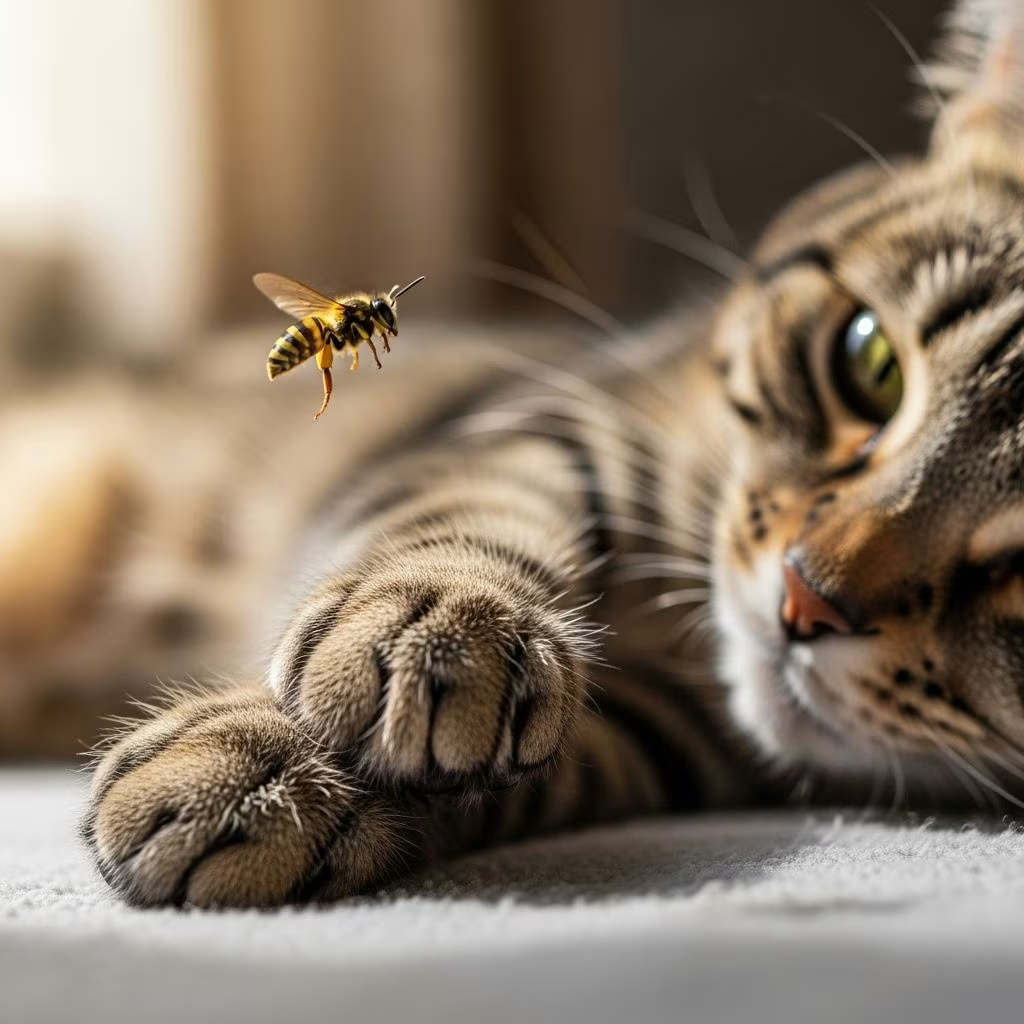
Outdoor adventures can expose cats to various hazards, including stings from bees and wasps. These insects deliver painful venom that causes localized reactions in most cases, but severe responses can occur. Understanding the signs, prompt actions, and professional interventions ensures your cat receives timely care.
Understanding Insect Stings and Their Impact on Felines
Bees and wasps sting as a defense mechanism. Bees leave barbed stingers embedded in the skin, continuing to release venom until removed, while wasps can sting repeatedly without losing their stinger. The venom triggers inflammation, leading to pain and swelling. Cats’ reactions vary based on sting location, number of stings, and individual sensitivity.
Common sting sites include paws, face, mouth, and legs due to curious swatting or pouncing. Facial stings pose higher risks because swelling may obstruct airways. Most incidents result in mild effects resolving within 24-48 hours, but vigilance is crucial for complications.
Spotting the Signs: From Mild Irritation to Serious Trouble
Observe your cat closely after suspected exposure to insects. Early detection allows for appropriate responses.
- Mild symptoms: Localized swelling, redness, paw licking or flinging, limping, excessive grooming, yowling, or rubbing the area.
- Moderate signs: Hives, drooling, minor facial puffiness.
- Severe allergic indicators (anaphylaxis): Rapid breathing difficulties, extreme swelling (especially face/throat), vomiting, diarrhea, weakness, collapse, pale gums, disorientation, seizures, or cold extremities.
Anaphylaxis can onset within 15-20 minutes, demanding immediate action. Stings inside the mouth or throat amplify dangers due to potential airway blockage.
Immediate First Aid: Steps Every Cat Owner Should Know
Stay composed to avoid stressing your pet further. Follow these structured steps:
- Locate and isolate: Gently restrain if needed and identify the sting site.
- Remove stinger (bees only): Scrape with a credit card edge or fingernail; avoid pinching to prevent squeezing more venom.
- Clean gently: Rinse with cool water; for bees, apply baking soda paste; for wasps, use diluted vinegar.
- Cold compress: Wrap ice pack in cloth, apply 5-10 minutes to curb swelling and numb pain. Test temperature first to prevent burns.
- Monitor: Watch for 24 hours, restricting activity.
| Insect Type | Stinger Removal | Home Remedy Paste |
|---|---|---|
| Bee | Scrape out | Baking soda + water |
| Wasp | Not embedded | Vinegar solution |
Antihistamines like diphenhydramine may help mild cases, but consult a vet for dosage—never use human products with additives.
When to Rush to the Vet: Red Flags You Can’t Ignore
Not all stings need professional help, but escalate if:
- Symptoms worsen after 1-2 hours.
- Multiple stings occur.
- Sting is in mouth, throat, or eyes.
- Anaphylactic signs appear: breathing issues, collapse, or pale gums.
Head to an emergency clinic immediately for airway threats. Delays in anaphylaxis can be fatal.
Veterinary Interventions: What Happens at the Clinic
Vets assess severity through physical exams and history. Treatments include:
- Mild cases: Antihistamines, anti-inflammatories, or steroids for swelling/pain.
- Severe reactions: IV fluids, epinephrine for shock, oxygen therapy, airway support, hospitalization (2-3 days monitoring).
Follow-up ensures full recovery; most cats bounce back quickly with care.
Prevention Strategies: Keeping Stings at Bay
Proactive measures reduce risks:
- Supervise outdoor time, especially spring/summer peaks.
- Train to avoid swatting insects.
- Maintain yard free of attractants like sweet spills or flowering plants near play areas.
- Consider indoor lifestyles or screened enclosures for high-risk cats.
- Keep first-aid kit stocked: tweezers, cold packs, vet-approved meds.
Annual vet check-ups can identify allergy-prone cats for tailored advice.
FAQs: Common Questions About Cat Insect Stings
Can all cats have allergic reactions to stings?
While rare, any cat can develop anaphylaxis, particularly with facial stings or prior sensitivities.
How long do mild sting effects last?
Typically 24-48 hours with home care; persistent issues warrant vet visit.
Is Benadryl safe for cats?
Only vet-dosed; avoid alcohol-containing versions.
What if I can’t remove the stinger?
Seek vet help promptly to avoid prolonged venom release.
Do indoor cats face sting risks?
Less common, but flies or entering insects pose threats.
Long-Term Outlook and Recovery Tips
Single mild stings rarely cause lasting issues. Monitor for infection signs like pus or fever. Support recovery with soft foods, quiet rest, and hydration. Future allergies may develop, so note incidents for vet records.
Expand on recovery: Offer palatable wet food if mouth-swollen. Use pheromone diffusers for stress. Track symptoms in a journal for patterns.
In-depth on venom: Bee venom contains melittin (pain-inducing), phospholipase A2 (inflammation). Wasp venom differs, often more acidic. This explains varied remedies.
Seasonal insights: Peak activity April-September in temperate zones. Humid areas see more wasps.
Breed considerations: Short-nosed breeds (exotic shorthairs) may have exacerbated breathing issues. Kittens/elderly cats are frailer.
Holistic aids: Vet-approved herbal anti-inflammatories like calendula paste (diluted). Avoid essential oils toxic to cats.
Statistics (inferred from vet sources): <1% stings lead to anaphylaxis, but prompt care yields 95%+ survival.
Case study example: Cat stung on paw—cold compress resolved in 12 hours. Contrast: Throat sting—vet epinephrine saved life.
References
- Cat Stung by a Bee: What to Do Next — Rockdale Animal Hospital. 2023. https://rockanimal.com/articles/cat-stung-by-a-bee
- What To Do When Your Cat Is Stung by a Bee or Wasp — Chewy. 2024. https://www.chewy.com/education/cat/health-and-wellness/cat-stung-by-bee
- Bee and Wasp Stings in Cats — Joii Pet Care. 2023. https://www.joiipetcare.com/blogs/health-conditions/bee-and-wasp-stings-in-cats
- What to Do If Your Dog or Cat Gets Stung By a Bee — Bhatt Vet Specialty. 2024. https://www.bhattvetspecialty.com/blog-veterinarian-care/what-to-do-if-your-dog-or-cat-gets-stung-by-a-bee
- Cat Stung by Bee or Wasp? What You Need to Know — Hills Pet. 2023. https://www.hillspet.com/cat-care/healthcare/cat-gets-stung-by-bee-wasp
- Bee or Wasp Stings in Cats — Cats Protection. 2024. https://www.cats.org.uk/cats-blog/bee-or-wasp-stings-in-cats



