

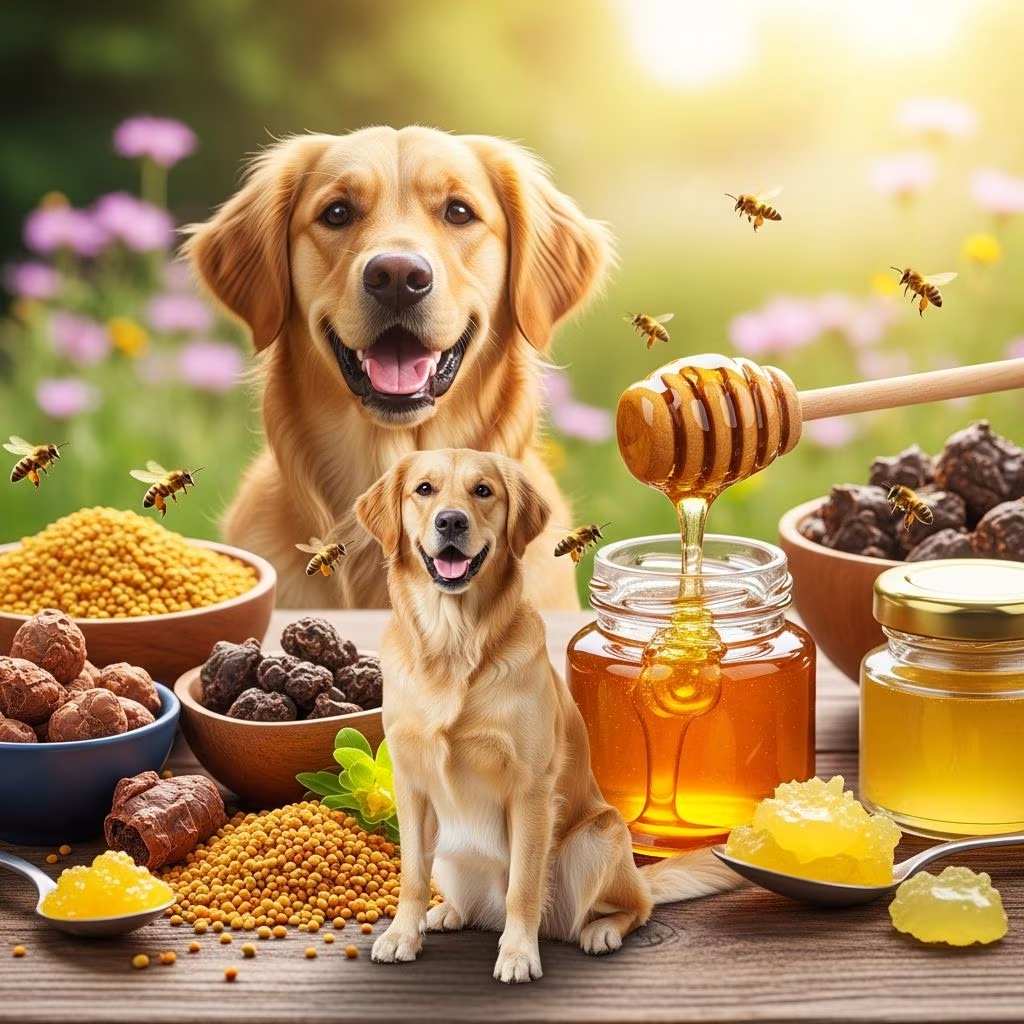
Bees produce remarkable substances beyond honey that hold significant value for dog health. These natural products, including pollen, propolis, royal jelly, and beeswax, offer a wealth of nutrients and therapeutic properties tailored to support canine vitality.
The Nutritional Powerhouse of Bee Pollen for Dogs
Bee pollen consists of tiny granules collected by bees from flowers, packed with essential vitamins, minerals, enzymes, and antioxidants. For dogs, this superfood serves as a comprehensive supplement that addresses multiple health needs.
Rich in vitamins A, B-complex, C, D, E, and K, along with minerals like calcium, magnesium, potassium, selenium, and zinc, bee pollen provides a broad spectrum of nutrients. It also contains amino acids in higher concentrations than eggs gram-for-gram, supporting muscle repair and overall energy.
- Immune Enhancement: Antioxidants such as flavonoids combat free radicals, reducing oxidative stress and bolstering defenses against infections.
- Digestive Aid: Enzymes facilitate food breakdown, improving nutrient uptake and alleviating issues like bloating or diarrhea.
- Skin and Coat Improvement: Essential fatty acids and anti-inflammatory compounds promote shiny coats, reduce dryness, and heal conditions like dermatitis.
Athletic dogs benefit from increased stamina and faster recovery, as pollen supports endurance and vitality. Owners report brighter eyes, higher energy, and better weight management when incorporating it regularly.
Propolis: Nature’s Antimicrobial Shield for Pets
Propolis, a resinous mixture bees create from plant exudates, acts as a hive disinfectant but extends powerful benefits to dogs. Known as “nature’s penicillin,” it exhibits strong antimicrobial, antiviral, and antifungal effects.
For oral health, diluted propolis tincture combats plaque, gingivitis, and bad breath by targeting bacteria directly. Its wound-healing properties accelerate recovery from cuts or hot spots, reducing infection risk.
| Propolis Benefit | Canine Application |
|---|---|
| Antimicrobial Action | Dental care, wound treatment |
| Immune Support | Prevents infections |
| Anti-Inflammatory | Soothes skin irritations |
Regular use strengthens immunity, making it ideal for preventive care in dogs prone to recurring issues.
Honey and Royal Jelly: Sweet Supports for Dog Health
Raw honey, unprocessed and local, provides enzymes, antioxidants, and antibacterial qualities beneficial for dogs. It soothes sore throats, aids digestion, and offers quick energy without refined sugars.
Royal jelly, the nutrient-rich substance fed to queen bees, is loaded with proteins, lipids, and vitamins. It enhances fertility, energy, and recovery from illness in canines.
- Honey promotes gut health and allergy desensitization when sourced locally.
- Royal jelly boosts vitality and supports hormonal balance.
Addressing Allergies and Inflammation Naturally
Bee products excel in managing allergies. Pollen acts as a natural antihistamine, gradually desensitizing dogs to environmental triggers like pollen or dust, reducing itching and sneezing.
Anti-inflammatory flavonoids in pollen and propolis ease joint pain, arthritis, and skin flare-ups. Dogs with chronic conditions show improved mobility and comfort.
Integrating Bee Products into Your Dog’s Routine
Start with small doses to monitor tolerance—1/4 teaspoon per 10 pounds of body weight daily for pollen, sprinkled on food. Choose raw, local sources for maximum potency and allergy benefits; refrigerate to preserve freshness.
For propolis, use tinctures diluted in water (1-2 drops per 10 pounds). Honey can be a teaspoon mixed into meals for seniors or active pups.
Scientific Backing and Real-World Results
Studies affirm bee venom’s anti-inflammatory and antioxidant effects, extending to other products. Pet owners note transformations: shinier coats, fewer vet visits, and robust energy in supplemented dogs.
Choosing Quality Bee Products
Opt for organic, unheated pollen to retain enzymes. Local sourcing ensures freshness and regional allergen adaptation. Reputable suppliers test for contaminants.
Potential Risks and When to Avoid
Though rare, allergic reactions like swelling or vomiting can occur. Discontinue if symptoms appear. Not a substitute for veterinary care.
FAQs
Is bee pollen safe for all dogs?
Generally yes, but start small and vet-check for allergies or health conditions.
How much bee pollen should I give my dog?
1/8 to 1/2 teaspoon daily based on size; adjust per response.
Can propolis help with my dog’s bad breath?
Yes, its antimicrobial properties freshen breath and fight plaque.
Does local honey help dog allergies?
It may desensitize to local pollen, mimicking immunotherapy.
Are bee products better than commercial supplements?
Often more natural and bioavailable, but combine with balanced diet.
Bee products offer dogs a natural edge in health, from fortified immunity to radiant skin. With careful integration, they elevate everyday wellness.
References
- Is Bee Pollen Good for Dogs? — Dragonfly Products. 2023. https://dragonflyproducts.co.uk/blogs/dog-nutrition/bee-pollen-dogs
- 12 Health Benefits of Bee Pollen for Dogs — Volhard Dog Nutrition. 2023. https://www.volharddognutrition.com/blog/12-health-benefits-of-bee-pollen-for-dogs/
- Bee Pollen: Uses and Benefits for Dogs, Horses, and People — Springtime Inc. 2022-09-21. https://www.springtimeinc.com/product/bee-pollen-benefit-dogs-horses-people
- Bee Products Have a Special Meaning for Dogs — Whole Dog Journal. 2023. https://www.whole-dog-journal.com/care/bee-products-have-a-special-meaning-for-dogs/
- How Bee Propolis Can Transform Your Dog’s Health Naturally — Animal Wellness Magazine. 2023. https://animalwellnessmagazine.com/how-bee-propolis-can-transform-your-dogs-health-naturally/
- Therapeutic Use of Bee Venom and Potential Applications — PMC (PubMed Central). 2023. https://pmc.ncbi.nlm.nih.gov/articles/PMC9965945/



