

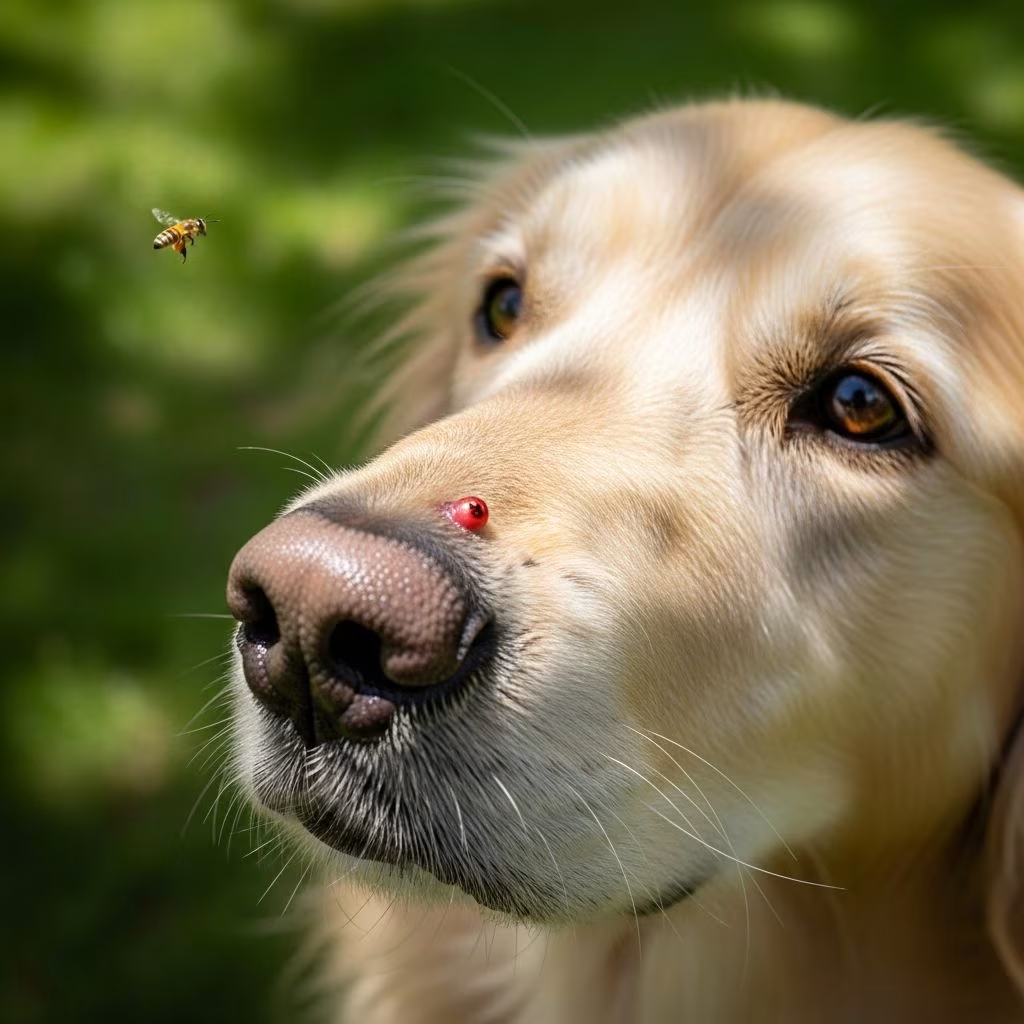
Bees pose a common outdoor hazard for dogs, often leading to painful stings during play or exploration. While many cases resolve with minimal intervention, some trigger severe allergic responses requiring urgent veterinary attention. Understanding the spectrum of reactions empowers owners to act decisively.
Recognizing the Immediate Signs of a Sting
Dogs frequently encounter bees in gardens, parks, or fields, resulting in stings on paws, faces, or mouths. Initial indicators appear rapidly, helping owners intervene early.
- Sudden vocalization: Yelping or whining signals sharp pain at the site.
- Targeted behaviors: Excessive pawing, licking, chewing, or rubbing against surfaces targets the affected area.
- Visible inflammation: Redness, localized swelling, warmth, or a protruding stinger marks the spot.
- Oral-specific cues: If stung in the mouth, expect head shaking, lip licking, coughing, gagging, or profuse drooling.
These mild manifestations typically confine to the sting location and subside within hours to a day. However, vigilance remains crucial as reactions can escalate unexpectedly.
Symptoms Escalating to Serious Concern
Beyond basic discomfort, certain developments demand immediate action to avert complications. Severe responses stem from the dog’s sensitivity to venom, potentially causing widespread effects.
| Mild Symptoms | Severe Symptoms |
|---|---|
| Localized swelling and redness | Extensive facial or body swelling |
| Pawing or licking at site | Vomiting or diarrhea |
| Mild pain on touch | Pale gums, weakness, or collapse |
| Hives or welts nearby | Breathing difficulties or wheezing |
Allergic reactions often manifest within 10-60 minutes, though delayed onset up to hours or rarely a day later occurs. Swelling in the muzzle or throat heightens risks by obstructing airways, manifesting as rapid breathing, excessive drooling, or disorientation. Anaphylaxis, a life-threatening systemic shock, includes low blood pressure symptoms like lethargy and organ stress.
Immediate First Aid Measures at Home
Prompt home care can alleviate pain and limit venom spread before professional help if needed. Always prioritize safety by restraining the dog gently to avoid further stings.
- Locate and remove the stinger: Bees leave barbed stingers; wasps do not. Scrape it out with a credit card edge or blunt tool—never squeeze with fingers or tweezers, as this releases more venom.
- Clean the area: Rinse with mild soap and cool water to prevent infection.
- Reduce swelling: Apply a cold compress (ice pack wrapped in cloth) for 10 minutes on, 10 off. Test temperature on your skin first to avoid burns.
- Neutralize venom: For bee stings (acidic), mix baking soda and water into a paste (3:1 ratio) and apply sparingly. Avoid if ingestion risk exists.
- Prevent interference: Use an e-collar to stop licking or scratching, which worsens irritation.
For multiple stings, an oatmeal bath (ground oats in lukewarm water for 10 minutes) soothes broadly. Antihistamines like diphenhydramine (Benadryl) may be given at 1mg/lb body weight if vet-approved beforehand, buying time en route to care. Never use human medications without confirmation.
When to Rush to the Veterinarian
Not all stings warrant a trip, but err on caution with facial/mouth involvement or any escalation. Contact your vet or an emergency clinic if symptoms persist beyond mild or worsen.
- Swelling spreads beyond the site or affects eyes/throat.
- Drooling, vomiting, diarrhea, or breathing changes occur.
- Behavioral shifts like agitation, dizziness, weakness, or collapse appear.
- Seizures or loss of consciousness emerge—call immediately.
Post-treatment, restrict yard access to prevent repeat stings, as subsequent exposures intensify reactions. Monitor for 24 hours, especially after oral stings where airway blockage looms.
Professional Veterinary Interventions
Vets conduct thorough exams to rule out anaphylaxis, starting with vital checks and sting site assessment.
For mild cases:
- Antihistamines to counter histamine release.
- Anti-inflammatories and pain relievers for comfort.
- Cold therapy continuation and monitoring.
For severe/anaphylactic cases:
- IV fluids to stabilize blood pressure and hydration.
- Oxygen support for respiratory distress.
- Epinephrine if shock present, plus hospitalization for observation.
Most dogs recover fully within days, but breeds like Shar-Peis with skin sensitivities may react stronger. Puppies, seniors, or those with allergies face higher risks.
Preventing Future Bee Encounters
Proactive steps minimize risks during peak bee seasons (spring-summer).
- Supervise outdoors: Keep dogs leashed in flowery areas; train “leave it” commands.
- Yard management: Remove attractants like fallen fruit, standing water, or dense flowers. Use pet-safe bee repellents sparingly.
- Allergy preparedness: Discuss Benadryl dosing with your vet for a kit. Consider allergy testing for recurrent issues.
- Seasonal awareness: Bees thrive in warm weather; avoid dusk/dawn peaks.
Breeds like Labs or Retrievers, prone to sniffing, benefit from muzzles in high-risk zones—not for punishment, but safety.
Special Considerations for Sensitive Areas
Stings inside the mouth or on the nose amplify dangers due to confined spaces. Watch for airway compromise: persistent gagging, blue gums, or labored breaths signal emergencies. Swallowed bees irritate the gut, causing vomiting neutralized by stomach acids, but monitor for dehydration.
Facial stings swell dramatically in loose-skinned breeds. Apply compresses externally while checking for heatstroke risks in summer.
Long-Term Management and Recovery Tips
Post-sting, support healing with soft foods for oral cases, rest, and distraction toys. Avoid topicals dogs might ingest. Full recovery spans 1-3 days for mild cases; severe ones may need follow-ups.
Track incidents in a pet journal for patterns, informing future allergy shots if chronic.
Frequently Asked Questions (FAQs)
Can I give my dog ibuprofen for a bee sting?
No—human painkillers like ibuprofen are toxic to dogs, causing ulcers or kidney failure. Stick to vet-recommended options.
How long does swelling last after a dog bee sting?
Mild swelling fades in 24-48 hours with care; persistent or growing swelling needs vet evaluation.
What if my dog ate a bee?
Observe for vomiting or throat swelling. Most pass harmlessly, but drooling or distress warrants a call.
Do all dogs need a vet after a bee sting?
No, mild paw stings often self-resolve with home aid. Systemic signs always require professional care.
Is wasp sting treatment the same?
Similar, but wasps lack stingers to remove. Use vinegar paste for alkaline venom.
References
- What To Do When Your Dog Has Been Stung By A Bee — Animal Emergency Service. 2023. https://animalemergencyservice.com.au/blog/dog-stung-by-bee/
- What to do if Your Dog Gets Stung by a Bee — Small Door Veterinary. 2023. https://www.smalldoorvet.com/learning-center/what-to-do/dog-stung-by-bee
- What To Do If Your Dog Has Been Stung By A Bee — Taste of the Wild Pet Food. 2023. https://www.tasteofthewildpetfood.com/articles/health/what-to-do-if-your-dog-has-been-stung-by-bee/
- What To Do If Your Dog Is Stung By a Bee — PetMD. 2023. https://www.petmd.com/dog/general-health/dog-stung-by-bee
- First Aid for Insect Stings in Dogs — VCA Animal Hospitals. 2023. https://vcahospitals.com/know-your-pet/first-aid-for-insect-stings-in-dogs



