

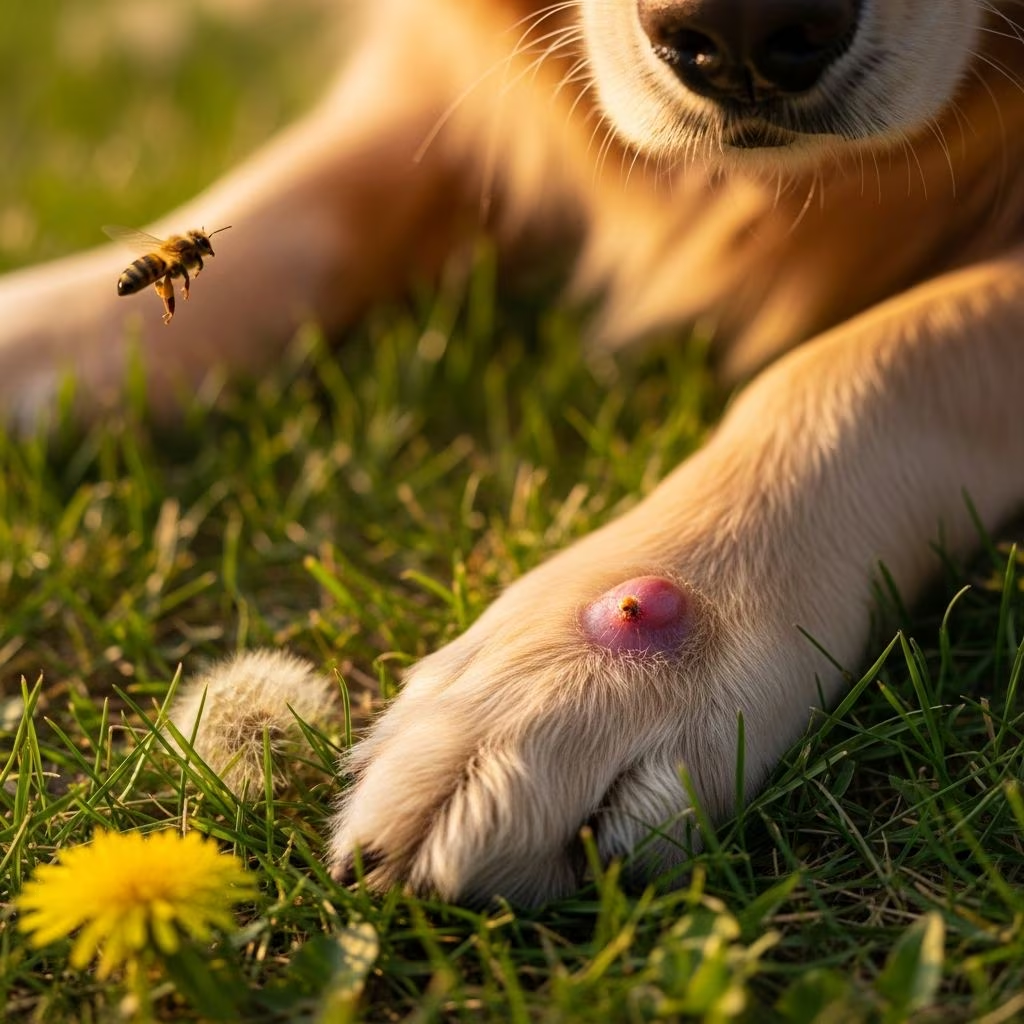
Dogs often encounter bees during play or exploration, leading to stings that cause discomfort ranging from minor irritation to life-threatening reactions. Understanding the signs and responses ensures your pet’s swift recovery.
Recognizing the Moment of Impact
When a dog disturbs a bee, the insect deploys its venom as a defense, typically injecting it through a stinger. Bees leave behind a barbed stinger with a venom sac, unlike wasps which can sting repeatedly without losing it. This venom triggers local inflammation, manifesting as immediate yelping or pawing at the site.
Common sting locations include the face, paws, mouth, or legs due to a dog’s tendency to sniff or snap at buzzing insects. Watch for these initial indicators:
- Sudden vocalization like whining or yelping
- Intense licking, chewing, or rubbing the affected area
- Visible puncture mark or embedded stinger
- Localized heat, redness, or puffiness
These mild responses usually peak within minutes and subside over hours if addressed promptly.
Distinguishing Mild from Severe Reactions
Not all stings provoke extreme responses, but vigilance is key. Mild cases involve superficial effects that resolve with basic care, while severe ones signal systemic distress.
| Reaction Type | Symptoms | Timeline |
|---|---|---|
| Mild | Redness, moderate swelling, hives, drooling (if facial), pain on touch | Within 10-30 minutes, lasts 24 hours |
| Severe/Anaphylactic | Extensive facial swelling, vomiting, diarrhea, pale gums, rapid breathing, collapse, seizures | 10 minutes to hours; can delay up to 12 hours |
Severe symptoms arise from the body’s overreaction to venom proteins, releasing histamines that cause widespread inflammation. Facial or throat stings heighten risks due to potential airway obstruction. Monitor closely for 60 minutes post-sting, extending observation if swallowed bees cause gut upset.
Immediate First Aid Steps
Act fast to limit venom spread and ease pain. Prioritize safety for both you and your dog.
- Locate and remove the stinger: Gently scrape it out using a credit card edge or fingernail. Avoid squeezing with tweezers, as this releases more venom. Bees’ stingers detach automatically; wasps do not.
- Cool the area: Apply a cloth-wrapped ice pack or frozen vegetables for 10 minutes on, 10 off. This constricts blood vessels, curbing swelling.
- Neutralize venom: For bees (acidic), mix baking soda with water into a paste and apply. Use vinegar for wasp stings (alkaline). Reapply every few hours.
- Clean gently: Wash with mild soap and water to prevent infection.
- Prevent interference: Use an e-collar if your dog scratches, and offer fresh water.
These measures alleviate 80-90% of mild cases without further intervention. Never administer human medications without vet guidance.
When to Rush to the Vet
Home remedies suffice for isolated, mild stings on limbs. Escalate immediately if:
- Sting is in mouth, throat, or eyes
- Multiple stings occur
- Swelling spreads beyond the site or worsens
- Any severe symptom appears: breathing issues, vomiting, weakness
Vets perform full exams, administer antihistamines, anti-inflammatories, or pain relief via injection. Anaphylaxis demands epinephrine, IV fluids, oxygen, and hospitalization. Post-treatment, avoid bee-prone areas to prevent sensitized reactions.
Understanding the Venom’s Effects
Bee venom comprises peptides, enzymes, and amines that disrupt cell membranes and trigger immune cascades. In sensitive dogs, this escalates to anaphylaxis, dropping blood pressure and impairing organs. Breeds like Bulldogs or those with allergies face higher risks, though any dog can react severely.
Swallowed bees irritate the stomach lining, prompting vomiting neutralized by gastric acids, but monitor for dehydration. Long-term, repeated stings may sensitize the immune system, amplifying future responses.
Preventing Future Encounters
Proactive steps minimize risks during peak bee seasons (spring-summer).
- Supervise outdoor play, especially in flowers or near hives
- Train ‘leave it’ commands for buzzing insects
- Avoid scented products that mimic flowers
- Mow lawns regularly to reduce ground nests
- Clear food scraps that attract bees
For adventure-loving dogs, carry a pet first-aid kit with antihistamines (vet-approved doses), like diphenhydramine at 1mg/lb.
Professional Treatment Options
At the clinic, expect:
- Stinger extraction if missed
- Benadryl or similar for itching/swelling
- Steroids for inflammation
- Antibiotics if infected
- Hospitalization for monitoring in critical cases
Recovery timelines: Mild stings heal in 1-2 days; severe ones may need 3-5 days with follow-ups. Costs vary from $50 for consults to $1000+ for emergencies.
Home Remedies: Safe Alternatives
Beyond basics:
- Oatmeal soak: Grind oats, add to lukewarm bath for multi-sting relief.
- Aloe vera: Pure gel soothes (ensure non-toxic).
- Honey paste: Natural antibacterial for paw pads (avoid ingestion).
Always patch-test and consult vets for puppies, seniors, or pregnant dogs.
FAQs
What if my dog ate the bee?
Observe for vomiting or drooling; stomach acids often neutralize venom. Vet if persistent.
How long does swelling last?
24-48 hours for mild cases; seek help if over 72 hours or increasing.
Can I give Benadryl?
Only vet-dosed: 1mg per lb every 8 hours. Confirm product safety.
What breeds are most at risk?
Short-nosed (Brachycephalic) due to airway issues; allergy-prone any breed.
Is wasp venom different?
Yes, alkaline vs. bee’s acidic; use vinegar instead of soda.
Long-Term Care After a Sting
Post-recovery, check for scars or abscesses. Annual allergy tests help high-risk dogs. Maintain flea/tick preventives, as they bolster general immunity.
Word count: 1782 (excluding metadata/HTML tags).
References
- Treatment & Symptoms for Bee and Wasp Stings in Dogs — Vets4Pets. 2023. https://www.vets4pets.com/pet-health-advice/dog-advice/bee-and-wasp-stings-in-dogs/
- What To Do When Your Dog Has Been Stung By A Bee — Animal Emergency Service. 2024. https://animalemergencyservice.com.au/blog/dog-stung-by-bee/
- What to do if Your Dog Gets Stung by a Bee — Small Door Veterinary. 2024. https://www.smalldoorvet.com/learning-center/what-to-do/dog-stung-by-bee
- What to Do if Your Dog Is Stung by a Bee or Wasp — American Kennel Club. 2023. https://www.akc.org/expert-advice/health/dog-stung-bee-wasp/
- What to Do If Your Dog Has Been Stung by a Bee — Taste of the Wild. 2024. https://www.tasteofthewildpetfood.com/articles/health/what-to-do-if-your-dog-has-been-stung-by-bee/
- Dog Stung by a Bee? Here’s What to Do Next — Zoetis Petcare. 2024. https://www.zoetispetcare.com/blog/article/dog-stung-by-bee
- First Aid for Insect Stings in Dogs — VCA Animal Hospitals. 2023. https://vcahospitals.com/know-your-pet/first-aid-for-insect-stings-in-dogs



